On this page
- Getting to Bansko in 2026 — New Transport Links and Routes
- Where to Stay — Neighborhood Guide and Accommodation Types
- Getting Around Bansko — Local Transport and Walking Tips
- Ski Pass and Lift System Navigation
- Money Matters — Budget Planning and Payment Methods
- Weather Preparation — Seasonal Clothing and Gear Essentials
- Local Services — Medical, Pharmacy, and Emergency Contacts
- WiFi and Connectivity — Staying Connected in the Mountains
- Frequently Asked Questions
Bansko‘s explosive growth as Bulgaria’s premier ski destination has created some unexpected challenges for visitors in 2026. The town that once felt quaint and manageable now bustles year-round, with new hotels, restaurants, and attractions transforming the landscape. Smart preparation makes all the difference between a smooth mountain getaway and a frustrating scramble for basics.
Getting to Bansko in 2026 — New Transport Links and Routes
The completion of the Struma Motorway extension in late 2025 has revolutionized access to Bansko. The drive from Sofia now takes just 2 hours instead of the previous 2.5-3 hours, making day trips feasible. Exit at the new Bansko junction (Exit 3) and follow signs for 8 kilometers of well-maintained road directly to town.
Sofia Airport remains the primary gateway, with rental cars available from all major companies. Book ahead during ski season (December-March) as demand outstrips supply. Expect to pay 45-60 BGN (23-31 EUR) per day for a compact car, plus fuel costs of approximately 80 BGN (41 EUR) round-trip.
The new Bansko Express bus service launched in 2026 runs four times daily from Sofia Central Bus Station, taking 2.5 hours with comfortable coaches and WiFi. Tickets cost 25 BGN (13 EUR) one-way and must be booked online at least 48 hours in advance during peak season. The service continues to Plovdiv Airport twice daily, opening new flight options for international visitors.
Private transfers remain popular for groups. Established operators charge 180-220 BGN (92-113 EUR) for up to 4 passengers from Sofia Airport. The mountain roads can be challenging in winter, so choose operators with proper winter equipment and local knowledge.
Where to Stay — Neighborhood Guide and Accommodation Types
Bansko’s accommodation landscape has expanded dramatically, creating distinct neighborhoods with different advantages. The Old Town maintains its historic charm with family-run hotels and traditional mehanas, while the newer Gondola area offers ski-in accessibility at premium prices.

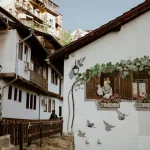
The Old Town centers around Tsar Simeon Street, where cobblestone alleys wind between 18th-century houses converted into boutique hotels. This area provides authentic atmosphere and easy walking to restaurants, but requires a 10-minute bus ride or drive to reach the ski lifts. Parking can be challenging during peak season, with most hotels offering limited spots.
The Gondola Quarter has mushroomed around the lift base station, dominated by large hotels and apartment complexes. Staying here means rolling out of bed onto the slopes, but prices reflect the convenience. The area feels more resort-like than authentically Bulgarian, with chain restaurants and tourist shops predominating.
Budget travelers gravitate toward the residential areas between the Old Town and gondola, where new guesthouses and small hotels offer competitive rates. These neighborhoods provide a taste of local life, with grocery stores, bakeries, and bus connections to both the slopes and town center.
Apartment rentals have exploded in popularity, particularly for groups staying a week or longer. The newer buildings near the gondola offer amenities like underground parking and spa facilities, while older apartments in town provide better value and character. Book through established platforms and verify heating systems work properly—mountain nights get cold even in spring and autumn.
Getting Around Bansko — Local Transport and Walking Tips
Bansko operates an efficient free shuttle bus system connecting major hotels with the gondola base station. Buses run every 15 minutes during ski season from 8:00 AM to 6:00 PM, with extended hours until 10:00 PM during summer hiking season. The blue buses are clearly marked and follow three main routes covering all accommodation areas.

Walking remains the best way to explore the compact Old Town, where narrow streets and historic buildings create pedestrian-friendly zones. The main walking circuit from Tsar Simeon Street to Nikola Vaptsarov Square and back takes about 20 minutes at a leisurely pace. Street signs appear in both Cyrillic and Latin script, making navigation easier for international visitors.
The climb from town center to the gondola base station challenges even fit walkers—it’s a steady 15-minute uphill trek with ski gear. Most visitors opt for the shuttle buses or arrange hotel transport. Some hotels offer complimentary minibus service to the slopes; confirm this when booking as it can save 20-30 BGN daily on transport.
Taxis operate throughout Bansko with regulated fares: 1.20 BGN (0.61 EUR) per kilometer during the day, 1.50 BGN (0.77 EUR) at night. The short ride from Old Town to gondola costs 5-7 BGN (2.50-3.60 EUR). Download the Yellow Taxi Bansko app for reliable service and transparent pricing—avoid unmarked vehicles that may overcharge tourists.
Bicycle rentals have gained popularity for summer visitors, with several shops along Glazne Street offering mountain bikes for 20-30 BGN (10-15 EUR) per day. The new bike path connecting Bansko to Dobrinishte village provides scenic rides through meadows and forest, perfect for families with children.
Ski Pass and Lift System Navigation
Bansko’s ski area operates on a modern electronic pass system that can confuse first-time visitors. The resort covers two main sectors: the beginner-friendly lower slopes accessible from the main gondola, and the advanced terrain reaching Todorka Peak at 2,746 meters elevation.
Daily lift passes cost 89 BGN (45 EUR) for adults during peak season, 67 BGN (34 EUR) in early/late season. Multi-day passes offer better value: 5-day passes run 356 BGN (183 EUR), while weekly passes cost 445 BGN (228 EUR). Children under 12 pay half price, and those under 6 ski free with adult supervision.

Purchase passes at the main ticket office near the gondola base station or online through the resort’s website for a 5% discount. The electronic cards use RFID technology—keep them in an outside pocket for easy scanning at lift gates. Lost cards can be replaced for 20 BGN with proof of purchase.
The gondola system consists of the main 8-person cabins climbing to Banderishka Polyana at 1,600 meters, where skiers transfer to chairlifts accessing higher terrain. During busy periods, expect 20-30 minute waits for the gondola, especially between 9:00-10:30 AM and 3:30-4:30 PM when ski schools begin and end lessons.
Advanced skiers should prioritize the Chalin Valog sector, accessible via the Banderishka Express quad chair. This area typically has the best snow conditions and fewer crowds than the main Shiligarnika sector popular with beginners and intermediates. The highest runs often stay open later into spring when lower elevations turn slushy.
Equipment Rental Strategy
Ski rental shops cluster around the gondola base and throughout the Old Town, with prices varying significantly based on equipment quality and location. Expect to pay 35-50 BGN (18-26 EUR) per day for basic ski packages, 55-70 BGN (28-36 EUR) for premium gear. Snowboard packages run 40-60 BGN (20-31 EUR) daily.
Book equipment online before arrival during peak periods, particularly Christmas, New Year’s, and February school holidays when shops run out of popular sizes. The rental shops near the gondola charge premium prices but offer convenience—consider renting in town and using the free shuttle buses to save 15-20% on daily rates.
Money Matters — Budget Planning and Payment Methods
Bansko operates on a dual economy where tourist areas command significantly higher prices than local establishments. A beer costs 8-12 BGN (4-6 EUR) in slope-side restaurants versus 3-4 BGN (1.50-2 EUR) in town center bars. Planning your spending locations accordingly can halve your food and drink budget.

Daily budget ranges vary dramatically by season and accommodation choice. Budget travelers managing 60-80 BGN (31-41 EUR) daily can stay in guesthouses, eat at local restaurants, and use public transport. Mid-range visitors spending 120-180 BGN (62-92 EUR) daily enjoy hotel accommodations, mixed restaurant dining, and convenient transport options. Comfortable budgets of 250+ BGN (128+ EUR) daily unlock luxury hotels, slope-side dining, and private transfers.
ATMs are plentiful throughout Bansko, with major banks like UniCredit, DSK, and Raiffeisenbank offering machines that accept international cards. Withdrawal fees typically run 3-5 BGN per transaction for foreign cards. The machines near the gondola base often run low on cash during busy weekends—use town center ATMs for more reliable service.
Card acceptance has improved significantly, with most restaurants, hotels, and shops accepting Visa and Mastercard. However, many traditional mehanas and smaller establishments still prefer cash, particularly for bills under 20 BGN. American Express and Discover cards work at major hotels and international chain restaurants but aren’t widely accepted elsewhere.
Tipping customs follow Bulgarian norms: round up restaurant bills to the nearest 5-10 BGN for good service, leave 2-3 BGN per day for hotel housekeeping, and tip ski instructors 20-30 BGN for group lessons, 50-60 BGN for private instruction. Taxi drivers don’t expect tips unless they help with heavy luggage.
Weather Preparation — Seasonal Clothing and Gear Essentials
Bansko’s mountain location creates dramatic weather variations that catch unprepared visitors off-guard. Winter temperatures at the base hover around -5 to 5°C, while the summit can reach -15°C with fierce winds. Summer brings pleasant 20-25°C days that can drop to 5-10°C at night, especially in the higher elevations popular for hiking.

Winter visitors need serious layering systems beyond basic ski gear. The morning chill gives way to intense mountain sun by midday, requiring clothing that adapts quickly. Pack thermal base layers, insulating mid-layers, and waterproof shells even if you’re renting ski jackets. The wind on the exposed upper slopes cuts through inadequate clothing mercilessly.
Spring weather (April-May) proves most unpredictable, with snow possible until early May and sudden afternoon thunderstorms common. Waterproof hiking boots become essential as snow melts create muddy trails and soggy conditions throughout the lower elevations. A compact rain jacket fits in any daypack and saves many outdoor adventures.
Summer hiking gear should include sun protection often underestimated at altitude. The thin mountain air intensifies UV exposure, making sunglasses, hats, and SPF 30+ sunscreen non-negotiable for any time outdoors. The afternoon sun reflecting off granite peaks and snow patches can cause painful burns in just 30 minutes of exposure.
Autumn brings stunning colors but requires warm clothing earlier than many expect. October nights regularly drop below freezing, while days can still reach comfortable temperatures for hiking. Pack warm sleeping layers if staying in guesthouses where heating may be minimal, and bring gloves for morning activities even in September.
Local Gear Shopping Options
Bansko hosts numerous sports shops selling everything from forgotten gloves to high-end mountaineering equipment. The Intersport and Hervis stores near the gondola base stock major brands at prices competitive with Sofia retailers. Smaller shops along Glazne Street often offer better deals on previous season equipment and local brands.
The Saturday market on Tsar Simeon Street sells locally-made wool items perfect for mountain weather: hand-knit sweaters, warm socks, and traditional Bulgarian caps that locals swear by for wind protection. Prices run 20-40 BGN (10-20 EUR) for quality pieces that last for years.

Local Services — Medical, Pharmacy, and Emergency Contacts
Bansko maintains a well-equipped medical center on Otets Paisiy Street, staffed with doctors familiar with skiing injuries and altitude-related issues. The facility operates 24/7 during ski season with English-speaking staff available. For serious emergencies, helicopter evacuation to Sofia’s Pirogov Hospital takes 45 minutes and costs approximately 8,000-12,000 BGN (4,100-6,200 EUR) without insurance coverage.
Three pharmacies serve the town center, with at least one open until 22:00 daily year-round. The Apteka on Glazne Street stocks international brand medications and basic first aid supplies. Pharmacists often speak English and can recommend over-the-counter alternatives for common medications. Prescription refills require consultation with local doctors for controlled substances.
The mountain rescue service operates from a base station near the gondola, reachable at 112 (general emergency) or directly at +359 88 500 0112. They respond to skiing accidents, hiking emergencies, and weather-related incidents throughout the Pirin Mountains. Response times average 15-20 minutes for slope accidents, longer for backcountry incidents.
Banking services include branches of major Bulgarian banks with English-speaking staff and international wire transfer capabilities. The DSK Bank on Tsar Simeon Street handles currency exchanges, safe deposit boxes, and can assist with emergency money transfers. Most branches close at 17:00 weekdays and remain closed weekends.
Internet cafes have largely disappeared, replaced by ubiquitous WiFi, but the post office on Nikola Vaptsarov Square provides international shipping services for souvenirs and equipment purchases. DHL and FedEx services operate through local agents for urgent shipments, though delivery to mountain locations can take extra time.
Tourist Police and Lost Property
The Tourist Police maintain a small office near the gondola base station during peak season, with officers speaking English, German, and Russian. They handle theft reports, lost passport issues, and general tourist assistance. Outside peak season, report incidents to the main police station on Demokratsiya Boulevard.

Lost and found services operate at the gondola base station for items left on lifts or slopes. The ski patrol collects abandoned equipment daily and stores items for up to 30 days. Hotels maintain their own lost property systems, while items forgotten at restaurants typically disappear quickly unless retrieved within 24 hours.
WiFi and Connectivity — Staying Connected in the Mountains
Bansko’s internet infrastructure has dramatically improved with fiber optic cables reaching most hotels and restaurants by 2026. Download speeds of 50-100 Mbps are standard in accommodation, making video calls and streaming services reliable throughout the town center and newer hotel areas.
Free WiFi blankets most public areas including the main squares, gondola base station, and larger restaurants. The network “Bansko_Free_WiFi” requires simple registration with an email address and provides adequate speeds for messaging and basic browsing. However, connection quality drops during peak usage periods when thousands of tourists attempt simultaneous access.
Mobile coverage varies significantly by elevation and location within the ski area. Bulgarian networks A1, Vivacom, and Telenor provide excellent service in town and up to mid-mountain stations. The highest slopes and backcountry areas have spotty coverage, making offline maps and emergency beacons wise for serious hikers and off-piste skiers.
European Union roaming applies throughout Bulgaria, making connectivity seamless for EU visitors. Non-EU travelers should purchase local SIM cards from mobile shops along Glazne Street or at the larger hotels’ reception desks. Prepaid data packages start at 15 BGN (7.70 EUR) for 5GB monthly plans, sufficient for most vacation needs.
Co-working spaces have emerged to serve the growing digital nomad community. BanskoNomads Space on Tsar Simeon Street offers day passes for 25 BGN (13 EUR) including high-speed internet, printer access, and mountain views. The facility operates year-round and provides a professional environment away from hotel rooms and crowded cafes.

Frequently Asked Questions
Do I need a car to visit Bansko?Not necessarily. The free shuttle bus system connects all major areas, and many visitors rely entirely on walking, buses, and taxis. Cars are helpful for day trips to nearby attractions but can be challenging to park near the gondola during peak season.
What’s the best time to visit for fewer crowds?January (excluding New Year week) and March offer excellent skiing with smaller crowds. Summer weekdays provide perfect hiking conditions without weekend tourist masses. Avoid Bulgarian school holidays and major Orthodox holidays for the quietest experiences.
Can I use euros instead of Bulgarian lev?Some tourist-oriented businesses accept euros, but you’ll get better value paying in BGN. ATM withdrawals and card payments automatically convert currencies. Carrying small amounts of cash in BGN ensures you can pay everywhere without conversion hassles.
How early should I book accommodation for ski season?December through February requires booking 3-6 months in advance for prime locations and competitive rates. Last-minute deals exist but usually involve less convenient locations or lower-quality properties. Summer accommodation can often be booked 2-4 weeks ahead.
Is Bansko suitable for non-skiers in winter?Absolutely. The spa hotels, traditional restaurants, cultural sites, and winter hiking trails provide plenty of activities. The gondola operates year-round for mountain sightseeing, and the Old Town’s charm shines especially bright against snowy backdrops.
Explore more
Best Places to Eat in Bansko, Bulgaria — Where to Find Great Food
Old Town vs. Ski Area vs. Pirin Street: Where to Stay in Bansko?
Bansko Nightlife: Your Guide to the Best Bars, Apres-Ski Spots & Clubs
📷 Featured image by Vera Mezhvynskiy on Unsplash.