On this page
- Understanding the Three Faces of the Rhodopes
- Shiroka Laka and the Authentic Mountain Villages
- Smolyan and the Modern Mountain Gateway
- Ancient Thracian Sites and Medieval Fortresses
- Hiking Trails for Every Level of Adventure
- Where Mountain Cuisine Meets Pomak Heritage
- Practical Tips for Your Rhodope Adventure
- Frequently Asked Questions
💰 Click here to see Bulgaria Budget Breakdown
💰 Prices updated: October, 2026. Budget figures are estimates — always verify before travel.
Exchange Rate: $1 USD = €0.88
Daily Budget (per person)
Shoestring: €35.00 – €50.00 ($39.77 – $56.82)
Mid-range: €60.00 – €100.00 ($68.18 – $113.64)
Comfortable: €150.00 – €200.00 ($170.45 – $227.27)
Accommodation (per night)
Hostel/guesthouse: €5.00 – €20.00 ($5.68 – $22.73)
Mid-range hotel: €55.00 – €95.00 ($62.50 – $107.95)
Food (per meal)
Budget meal: €7.00 ($7.95)
Mid-range meal: €20.00 ($22.73)
Upscale meal: €60.00 ($68.18)
Transport
Single metro/bus trip: €1.00 ($1.14)
Monthly transport pass: €26.00 ($29.55)
Many travellers racing through Bulgaria‘s famous “Golden Triangle” miss one of the country’s most enchanting secrets. While crowds flock to Rila’s Seven Lakes or Bansko’s ski slopes, the Rhodope Mountains remain refreshingly uncrowded, offering a genuine glimpse into Bulgaria’s soul. In 2026, with improved road connections and new hiking trail markers, the Rhodopes are finally getting the recognition they deserve—without losing their authentic charm.
Understanding the Three Faces of the Rhodopes
The Rhodope Mountains stretch across Bulgaria’s southern border with Greece, but this isn’t one uniform landscape. The western Rhodopes around Shiroka Laka showcase traditional Bulgarian village life with stone houses and cobbled streets that seem frozen in time. The central Rhodopes, anchored by Smolyan, blend modern amenities with pristine nature reserves. The eastern Rhodopes toward Kardzhali reveal a more arid, almost Mediterranean character with ancient Thracian sites scattered across rolling hills.
Each region carries its own cultural fingerprint. The western villages maintain strong Bulgarian Orthodox traditions, complete with revival-era architecture and centuries-old customs. The central region balances conservation efforts with modern tourism infrastructure—here you’ll find the best marked trails and visitor centres. The eastern Rhodopes tell a different story entirely, where Thracian sanctuaries and medieval fortresses dot landscapes that feel more like Tuscany than the Balkans.
The morning mist that rolls through these valleys carries the scent of wild thyme and pine, creating an almost mystical atmosphere that photographers and nature lovers find irresistible. This natural beauty comes with practical benefits—the Rhodopes offer some of Bulgaria’s most accessible mountain experiences, with well-maintained roads connecting major sites and villages.
Shiroka Laka and the Authentic Mountain Villages
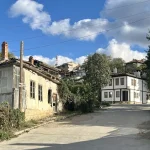
Shiroka Laka stands as the crown jewel of Rhodope villages, its National Revival Period houses climbing the hillside like a perfectly preserved movie set. But this isn’t tourist theatre—real families still live in these stone and timber houses, tending sheep and maintaining traditions that date back centuries. The village’s kukeri (costumed dancers) perform ancient rituals that UNESCO recognizes as Intangible Cultural Heritage.

The narrow cobblestone streets wind between houses where wooden balconies overflow with geraniums and locals still gather at the village fountain each evening. The sound of church bells echoing off stone walls creates a soundtrack that hasn’t changed in generations. Visit during late afternoon when golden light illuminates the traditional architecture and smoke rises from chimneys preparing evening meals.
Beyond Shiroka Laka, villages like Gela, Stoykite, and Kovachevitsa offer similar authenticity with even fewer crowds. Kovachevitsa, perched on a cliff edge, provides particularly dramatic photos and maintains several family-run guesthouses where you can experience genuine mountain hospitality. These villages serve as perfect bases for exploring lesser-known hiking trails that connect ancient settlements through pristine forest.
Smolyan and the Modern Mountain Gateway
Smolyan represents the Rhodopes’ modern face—a purpose-built mountain city that serves as the region’s administrative and tourism hub. Built during the communist era, its wide boulevards and modernist architecture might seem stark compared to traditional villages, but Smolyan offers practical advantages that make it an excellent base for Rhodope exploration.
The city’s Planetarium, one of the Balkans’ most advanced, provides evening programs that take advantage of the Rhodopes’ exceptional dark skies. The Regional History Museum showcases Thracian artifacts and traditional crafts that help visitors understand the area’s complex cultural layers. Smolyan’s pedestrian zone comes alive each evening as locals promenade between cafés and restaurants serving both international cuisine and regional specialties.

From Smolyan, marked hiking trails fan out in every direction. The Smolyan Lakes trail offers an easy introduction to Rhodope hiking, while the path to Eagle’s Rocks challenges experienced hikers with spectacular viewpoints. The city’s tourism information centre provides detailed trail maps and current conditions—a service that has improved dramatically since 2024 with new digital trail markers and GPS coordinates.
Smolyan also serves as the gateway to the Rhodope’s premier ski area. Pamporovo, just 20 minutes away, offers gentler slopes than Bansko or Borovets, making it perfect for families or beginners. The resort has expanded its summer activities since 2025, with mountain biking trails and a high-altitude adventure park drawing visitors year-round.
Ancient Thracian Sites and Medieval Fortresses
The Rhodopes preserve some of Bulgaria’s most mysterious historical sites, many hidden in remote valleys that archaeologists are still uncovering. The Perperikon complex, carved directly into solid rock, represents one of Europe’s largest megalithic sites. This ancient Thracian sanctuary and medieval fortress sprawls across a rocky hilltop, its chambers and staircases hewn from stone over millennia.
Walking through Perperikon’s carved corridors, you can almost hear the echoes of ancient rituals and medieval battles. The site’s strategic position offers commanding views across the Rhodope foothills, explaining why civilizations from Thracians to Byzantines chose this location for their most important ceremonies and defenses. Recent excavations have uncovered evidence of continuous occupation spanning over 7,000 years.
The Tatul sanctuary provides a more intimate ancient experience. This rock-cut tomb and temple complex, likely dedicated to the legendary Thracian king Orpheus, sits atop a pyramid-shaped hill that early visitors often mistake for natural formation. The climb to the summit takes about 20 minutes through oak forest, emerging at carved chambers where archaeologists have found evidence of ancient fire rituals.
For medieval history enthusiasts, the Asenova Fortress near Asenovgrad offers the Rhodopes’ most dramatic castle experience. Built into a narrow rocky ridge above the Asan River gorge, this 13th-century stronghold provides spectacular views while telling the story of Bulgaria’s Second Kingdom. The fortress church, dedicated to the Holy Mother of God, contains frescoes that survived centuries of Ottoman rule.

Hiking Trails for Every Level of Adventure
The Rhodopes offer Bulgaria’s most diverse hiking opportunities, from gentle valley walks suitable for families to challenging multi-day treks that test experienced mountaineers. The region’s moderate elevations—most peaks stay under 2,000 meters—create perfect conditions for hiking from April through October, with each season offering distinct advantages.
The Wonderful Bridges trail ranks as the Rhodopes’ most popular easy hike, leading to natural stone arches that span a mountain stream. This well-marked 2-kilometer path takes about 90 minutes return and provides excellent introduction to Rhodope geology and forest ecology. The bridges themselves, carved by centuries of flowing water, create natural windows that frame the forest beyond.
Intermediate hikers gravitate toward the Eagle’s Rocks circuit, a 6-kilometer loop that combines forest paths with rocky scrambles to reach panoramic viewpoints. The trail passes several mountain huts where local shepherds still bring their flocks during summer months, creating authentic encounters with traditional mountain life. Pack layers—mountain weather changes quickly even in summer.
Advanced hikers should consider the Great Rhodope Trail, a new long-distance path that connects major peaks and historical sites across a 5-day journey. This trail, completed in 2025, includes overnight stays in mountain huts and traditional guesthouses while covering the region’s most spectacular terrain. The trail requires good navigation skills and proper mountain equipment, but rewards hikers with access to the Rhodopes’ wildest landscapes.
Winter hiking opens different possibilities, with snowshoes providing access to frozen waterfalls and snow-covered forests that create almost Arctic beauty. The shorter days require careful planning, but winter’s clear skies often provide the year’s best mountain photography opportunities.

Where Mountain Cuisine Meets Pomak Heritage
Rhodope cuisine reflects the region’s complex cultural history, blending Bulgarian mountain traditions with Pomak Muslim influences and subtle Greek touches from across the nearby border. This unique fusion creates dishes you won’t find elsewhere in Bulgaria, making food exploration an essential part of any Rhodope visit.
Traditional Rhodope restaurants, called “kashtas,” serve meals around low wooden tables where families share dishes family-style. The signature dish, Rhodope-style lamb, slow-roasts in clay ovens built into restaurant walls, filling dining rooms with the aroma of herbs and smoke. Local chefs season the meat with wild thyme, mountain savory, and other herbs gathered from surrounding hillsides.
Pomak communities contribute unique specialties like sudzukche (spiced sausage) and various rice dishes that reflect their Ottoman heritage. Many Pomak families run small restaurants in villages like Ribnovo and Satovcha, where recipes pass between generations without written records. The warm, slightly sweet tea served with every meal uses local herbs that grow wild throughout the mountains.
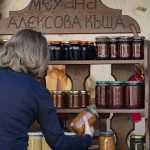
Don’t miss trying local dairy products, particularly the white cheese aged in caves and the thick yogurt that locals swear provides exceptional health benefits. Mountain honey, collected from hives placed in remote meadows, carries flavors of wildflowers that change with elevation and season. Small apiaries often welcome visitors for tastings and sales direct from producers.
For beverages, sample the region’s rakia (fruit brandy) made from wild pears, plums, or even mountain herbs. Local producers often invite visitors to their cellars for informal tastings, sharing stories of traditional distilling methods alongside samples of their craft. The ritual of sharing rakia creates connections that extend far beyond simple alcohol consumption.

Practical Tips for Your Rhodope Adventure
The Rhodopes’ accessibility from major Bulgarian cities makes both day trips and extended stays viable options, with each approach offering distinct advantages. Your choice depends largely on interests, available time, and desired depth of experience.
Day trips work well for visitors based in Plovdiv (90 minutes to Shiroka Laka) or even Sofia (2.5 hours to central Rhodopes). Single-day itineraries typically focus on one major attraction—either historic villages, archaeological sites, or specific hiking trails. The Wonderful Bridges and Shiroka Laka combination makes an excellent day trip, providing both natural beauty and cultural immersion within a manageable timeframe.
However, the Rhodopes reveal their magic gradually, and overnight stays unlock experiences impossible during rushed day visits. Evening and early morning light transform mountain landscapes, while staying in traditional guesthouses provides authentic cultural encounters. Local families share stories, prepare regional meals, and offer insights into mountain life that day visitors never experience.
Three to four days allows comprehensive Rhodope exploration, combining multiple villages, hiking trails, and historical sites while maintaining a relaxed pace. This timeframe permits deeper cultural engagement—attending local festivals, visiting artisan workshops, and participating in traditional activities like sheep herding or bread baking.
Extended week-long stays open possibilities for serious hiking adventures, including the Great Rhodope Trail or explorations of remote areas rarely visited by tourists. Photography enthusiasts particularly benefit from extended stays, as changing weather and seasonal conditions create constantly evolving opportunities for capturing the mountains’ moods.
Reaching the Rhodopes has become significantly easier since 2024, with improved road connections and new public transport options making car-free visits increasingly viable. By car from Sofia, take the A1 motorway toward Plovdiv, then branch south on the renovated roads toward Smolyan. The journey takes approximately 2.5 hours. Regular bus services connect Plovdiv with Smolyan, while local buses reach most major villages and trailheads.

The Rhodopes offer exceptional value compared to Bulgaria’s more famous mountain destinations. Budget travellers (40-60 BGN per day) can stay in village guesthouses and eat at local restaurants, while mid-range comfort (80-120 BGN per day) includes better hotels and car rental. Premium experiences (150-200 BGN per day) cover luxury accommodations and specialized guided tours.
Frequently Asked Questions
When is the best time to visit the Rhodope Mountains?
Late spring through early fall (May-October) offers the best weather for hiking and sightseeing, with July-August providing warmest temperatures but also peak crowds. Winter visits (December-March) offer snow activities and fewer tourists, though some mountain roads close during heavy snowfall.
Do I need special hiking equipment for Rhodope trails?
Most popular trails require only sturdy walking shoes, weather-appropriate clothing, and basic supplies like water and snacks. Advanced trails may need proper hiking boots, navigation tools, and emergency equipment. Local outdoor shops in Smolyan rent specialized gear for serious mountain adventures.
Are the Rhodopes suitable for families with children?
Absolutely. Many trails like Wonderful Bridges and village walks suit children well, while traditional guesthouses welcome families. The region’s moderate elevations, well-marked paths, and cultural attractions create excellent family destinations. Avoid very remote trails with young children.
How different is Pomak culture from mainstream Bulgarian culture?
Pomaks are Bulgarian-speaking Muslims whose culture blends Bulgarian mountain traditions with Islamic practices. Visitors will notice different architecture, cuisine, and customs, but Pomak communities warmly welcome respectful tourists. Learning basic cultural sensitivity about dress and behavior enhances interactions.
Can I visit the Rhodopes without speaking Bulgarian?
Yes, though some Bulgarian phrases help significantly. Tourism professionals in Smolyan and major villages speak English or German, while rural areas require more patience and gesturing. Download translation apps and learn basic greetings—locals appreciate the effort and respond with exceptional hospitality.
📷 Featured image by Mihail Ilchov on Unsplash.