On this page
- The Character Split: Medieval Fortress vs. Artistic Bohemia
- Archaeological Treasures: Where History Lives and Breathes
- Beach Life and Coastal Experiences
- Restaurant Scene: Traditional vs. Contemporary
- Getting There and Getting Around
- Accommodation: From Budget Guesthouses to Boutique Hotels
- Day Trip or Extended Stay: Planning Your Visit
- Budget Reality Check: What You’ll Actually Spend
- Frequently Asked Questions
💰 Click here to see Bulgaria Budget Breakdown
💰 Prices updated: August, 2026. Budget figures are estimates — always verify before travel.
Exchange Rate: $1 USD = €0.86
Daily Budget (per person)
Shoestring: €35.00 – €50.00 ($40.70 – $58.14)
Mid-range: €60.00 – €100.00 ($69.77 – $116.28)
Comfortable: €150.00 – €200.00 ($174.42 – $232.56)
Accommodation (per night)
Hostel/guesthouse: €5.00 – €20.00 ($5.81 – $23.26)
Mid-range hotel: €55.00 – €95.00 ($63.95 – $110.47)
Food (per meal)
Budget meal: €12.00 ($13.95)
Mid-range meal: €25.00 ($29.07)
Upscale meal: €60.00 ($69.77)
Transport
Single metro/bus trip: €0.80 ($0.93)
Monthly transport pass: €25.50 ($29.65)
Both Sozopol and Nessebar claim the title of Bulgaria‘s most beautiful Black Sea town, and honestly, they’re both right. These UNESCO World Heritage sites offer completely different experiences despite sitting just 30 kilometres apart on the same coastline. In 2026, with Bulgaria’s improved coastal infrastructure and the new express bus connections, choosing between them has become even more complex.
The Character Split: Medieval Fortress vs. Artistic Bohemia
Nessebar feels like stepping into a medieval fortress that refuses to bow to time. The Old Town perches on a narrow rocky peninsula, connected to the mainland by a thin strip of land that floods dramatically during storms. Stone churches from the 5th century onwards dot every corner, their weathered walls telling stories of Byzantine glory and Ottoman occupation. Walking the cobblestones early morning, you’ll hear nothing but seagulls and the gentle lap of waves against ancient foundations.
Sozopol takes a completely different approach to its antiquity. This town embraces its role as Bulgaria’s premier artists’ colony, where 19th-century wooden houses with overhanging upper floors serve as galleries, studios, and intimate restaurants. The aroma of freshly ground coffee mixes with sea salt as you wander streets where painters set up easels at dawn and musicians tune instruments for evening concerts. Sozopol feels alive in a way that Nessebar, for all its beauty, sometimes doesn’t.
The crowds tell their own story. Nessebar attracts tour buses filled with visitors ticking UNESCO sites off their lists. Sozopol draws younger travellers, Bulgarian families, and European artists who return summer after summer. In 2026, Nessebar has implemented a new visitor management system to protect its archaeological sites, while Sozopol has expanded its arts festival programming throughout the summer season.

Archaeological Treasures: Where History Lives and Breathes
Nessebar wins the ancient history contest hands down. This settlement has been continuously inhabited for over 3,000 years, and you can literally see the layers of civilization stacked on top of each other. The Thracians built the first walls, Greeks expanded the city, Romans added their signature engineering, Byzantines constructed magnificent churches, and Bulgarians preserved it all.
The Archaeological Museum here displays treasures spanning millennia, but the real magic happens walking among the ruins themselves. The Church of Saint Stephen, with its frescoes from the 16th century still vibrant in the Black Sea light, serves as Bulgaria’s finest example of medieval church art. The ancient harbour walls, partially submerged, create an otherworldly scene where fish swim through what were once busy market squares.
Sozopol’s archaeological story focuses more tightly on its Greek origins as Apollonia Pontica. The town’s Archaeological Museum houses an impressive collection of ancient anchors, proving this was one of the Black Sea’s most important ports 2,500 years ago. Recent excavations in the Old Town have uncovered remarkably preserved wooden structures from the medieval period, giving visitors a rare glimpse into daily life centuries ago.
The key difference lies in presentation. Nessebar treats its history as a museum you walk through, with information boards and guided tours explaining every detail. Sozopol integrates history into daily life – you’ll sip wine in restaurants built into 15th-century foundations or sleep in guesthouses where ancient stones form the basement walls.
Beach Life and Coastal Experiences
Both towns offer excellent beaches, but they cater to different preferences. Nessebar’s main beaches stretch north and south of the Old Town, with South Beach (Yuzhen Plazh) offering the best combination of facilities and space. The sand here is fine and golden, and the gradual slope into the sea makes it perfect for families. Beach clubs like Bedroom Beach provide upscale dining and lounging, while the municipal sections offer affordable umbrella and chair rentals.

Sozopol’s beach scene spreads across multiple smaller coves and the long stretch of Harmani Beach. The town’s beaches feel more intimate, with rocky outcrops creating natural divisions and providing excellent snorkeling opportunities. The water clarity around Sozopol consistently ranks among the Black Sea’s best, particularly at the smaller beaches like Kavatsi and Gradina, just south of town.
For beach activities beyond swimming and sunbathing, Sozopol edges ahead. The town serves as the region’s water sports hub, with reliable companies offering kayaking tours to hidden coves, stand-up paddleboarding lessons, and fishing excursions. The rocky coastline creates natural diving spots where you’ll find ancient pottery shards and medieval coins – legally collectible souvenirs with permits from local dive shops.
The evening beach experience differs dramatically between the towns. Nessebar’s beaches empty after sunset, with most visitors returning to their hotels or exploring the Old Town. Sozopol’s beaches transform into social hubs where locals and visitors gather around beach bars, watching the sun set while sharing grilled fish and cold Kamenitza beer.
Restaurant Scene: Traditional vs. Contemporary
Nessebar’s restaurant scene operates on tourist time, with most establishments opening for lunch and focusing on crowd-pleasing Bulgarian classics. The town excels at traditional preparation methods – restaurants like Ethno and Castello prepare slow-cooked lamb dishes in clay pots, and the fish soup (ribena chorba) here consistently ranks among Bulgaria’s best coastal versions.
Prices in Nessebar’s Old Town restaurants reflect the UNESCO premium. Expect to pay 25-35 BGN (€12-18) for main dishes, though the quality generally justifies the cost. The restaurant terraces built into ancient walls create unforgettable dining settings, particularly at establishments like Captain Jack, where tables overlook the harbour ruins.

Sozopol takes a more adventurous approach to dining. The town’s artist community has influenced the restaurant scene, resulting in creative fusion menus that blend Bulgarian traditions with Mediterranean and international influences. Restaurant Sozopol, housed in a 19th-century mansion, serves reinterpreted classics like sea bass with wild herbs and locally foraged mushrooms.
The crunch of fresh bread crust and the sizzle of fish hitting hot olive oil fill Sozopol’s restaurant terraces each evening, creating an atmosphere that feels more like dining at a friend’s house than a tourist restaurant. Many establishments source directly from local fishermen who dock at the town’s working harbour each morning, ensuring the daily catch reaches your plate within hours.
For budget dining, Sozopol offers better options. Family-run taverns like Ropotamo and Apollonia serve generous portions for 15-20 BGN (€7-10), and the town’s numerous small cafes provide excellent coffee and banitsa for under 5 BGN (€2.50).
Getting There and Getting Around
Both towns have benefited from Bulgaria’s coastal infrastructure improvements completed in 2025. The new A1 motorway extension reaches Burgas, cutting driving times from Sofia to under 4 hours. From there, both Sozopol and Nessebar are easily accessible.
To reach Nessebar, take the regular bus service from Burgas Bus Station (every 20 minutes in summer, journey time 45 minutes, cost 4 BGN/€2). The bus drops you at the entrance to the Old Town. During peak season, direct buses run from Sofia (6 hours, 35 BGN/€18) and Varna (2.5 hours, 18 BGN/€9).
Sozopol access requires a bus connection through Burgas (every 30 minutes in summer, journey time 35 minutes, cost 3 BGN/€1.50). The town also benefits from a small harbour where private boats and water taxis operate during summer months. Some Sofia-based tour operators now run direct air-conditioned coaches to Sozopol, particularly during the arts festival periods.

Both towns ban cars in their Old Town areas during summer. Nessebar provides large parking areas outside the peninsula (5 BGN/€2.50 per day), while Sozopol offers scattered parking spots throughout the newer parts of town (3 BGN/€1.50 per day). Walking remains the best way to explore both destinations – each Old Town covers less than one square kilometre.
For exploring the broader region, Sozopol’s location provides better access to other coastal attractions. Ropotamo Nature Reserve sits just 15 kilometres south, accessible by regular bus or boat trips. Primorsko and Kiten beaches are within easy day-trip distance.
Accommodation: From Budget Guesthouses to Boutique Hotels
Nessebar’s accommodation scene divides clearly between the Old Town and the modern resort areas. Staying within the UNESCO zone means accepting smaller rooms, limited parking, and higher prices in exchange for unparalleled atmosphere. Hotel Villa Nessebar and Marieta Palace offer the luxury option, with sea views and traditional architectural details, priced around 180-250 BGN (€90-125) per night in summer.
Budget travelers find better value in Nessebar’s newer sections or nearby Sunny Beach, where family-run guesthouses charge 40-60 BGN (€20-30) per night for clean, simple rooms. Many of these offer free shuttle services to the Old Town, solving the parking problem.
Sozopol’s accommodation feels more authentic overall. The town specializes in family-run guesthouses and small hotels housed in restored 19th-century buildings. Properties like House Sozopol and Art Hotel maintain original architectural features while providing modern amenities. These typically cost 80-120 BGN (€40-60) per night and often include breakfast featuring local specialties.
The town’s artistic character extends to accommodation choices. Several properties function as artist residencies during off-season, transforming into boutique hotels for summer visitors. Rooms often feature original artwork, and owners frequently provide insider knowledge about local galleries and performance venues.

For budget accommodation, Sozopol offers numerous private rooms and small guesthouses starting around 30 BGN (€15) per night. The town’s compact size means even the most budget-friendly options place you within walking distance of beaches, restaurants, and attractions.
Day Trip or Extended Stay: Planning Your Visit
Nessebar works perfectly as a day trip, particularly for visitors based in Sunny Beach or Burgas. The Old Town’s compact size allows thorough exploration in 4-6 hours, including museum visits and a restaurant meal. Most day visitors arrive by bus around 10 AM, explore the archaeological sites and churches, lunch at a sea-view restaurant, then return by late afternoon.
However, Nessebar reveals its magic during evening hours when day-trippers depart. Staying overnight allows you to experience the town’s peaceful side – morning coffee with only seagulls for company, sunset walks along the ancient harbour walls, and dinner at restaurants that offer their best service to hotel guests rather than rushing day visitors.
Sozopol demands more time to appreciate fully. While you can see the main sights in a day trip, the town’s appeal lies in its rhythms – morning swims at uncrowded beaches, afternoon gallery hopping, evening concerts and festivals. Most visitors need at least two nights to experience the full cultural calendar and explore nearby nature reserves and beaches.
The towns work well as a combined trip. Many travelers spend 2-3 nights in Sozopol for the beach and cultural experience, then visit Nessebar as a day trip for the historical immersion. This approach provides the best of both worlds without requiring multiple hotel changes.
For travelers with limited time, choose based on priorities. History enthusiasts and UNESCO site collectors should prioritize Nessebar. Beach lovers, art enthusiasts, and those seeking authentic Bulgarian coastal culture will prefer Sozopol.

Budget Reality Check: What You’ll Actually Spend
Budget travel in Nessebar requires careful planning due to the UNESCO premium pricing. Daily costs break down as follows:
Budget Level (45-60 BGN/€23-30 per day): Accommodation outside Old Town (35 BGN), simple restaurant meal (15 BGN), museum entries (6 BGN), local transport (4 BGN). This requires staying in nearby areas and limiting restaurant visits.
Mid-Range (80-120 BGN/€40-60 per day): Guesthouse or hotel room (60 BGN), two restaurant meals (40 BGN), museums and attractions (10 BGN), miscellaneous expenses (10 BGN). This provides comfortable exploration without luxury.
Comfortable (150-200 BGN/€75-100 per day): Quality hotel in Old Town (120 BGN), fine dining experiences (50 BGN), all attractions and activities (15 BGN), shopping and extras (15 BGN). This level allows full enjoyment of the UNESCO site experience.
Sozopol offers better value across all categories:
Budget Level (35-50 BGN/€18-25 per day): Private room or hostel (25 BGN), tavern meals (18 BGN), beach activities and museums (7 BGN). Sozopol’s compact size eliminates transport costs.
Mid-Range (65-90 BGN/€33-45 per day): Boutique guesthouse (50 BGN), quality restaurant dining (25 BGN), cultural activities and beach rentals (10 BGN), coffee and drinks (5 BGN).
Comfortable (120-160 BGN/€60-80 per day): Luxury accommodation with sea views (90 BGN), fine dining and wine (40 BGN), water sports and excursions (20 BGN), art purchases and extras (10 BGN).
Both destinations cost significantly more during July and August. Visiting in June or September reduces accommodation costs by 30-40% while maintaining good weather and full service availability.
Frequently Asked Questions
Which town is better for families with children?
Nessebar offers better beaches for young children due to shallow, calm waters and organized facilities. Sozopol provides more cultural activities and adventure options for older children, plus better value family accommodation in restored houses.
Can I visit both towns in one day?
Yes, but it’s rushed. The bus journey between them takes about 1.5 hours via Burgas. Most visitors find this allows only 2-3 hours in each location, insufficient for proper exploration of either destination.

Which town has better nightlife?
Sozopol wins for authentic nightlife with beach bars, live music venues, and cultural events. Nessebar’s evening scene centers around restaurant dining, though nearby Sunny Beach provides extensive club and bar options for party seekers.
Do I need to book accommodation in advance?
Essential during July-August, particularly for Old Town properties in both destinations. June and September bookings should be made 2-3 weeks ahead. Off-season (May, October) allows more flexibility with same-week reservations usually available.
Which town offers better value for money?
Sozopol provides superior value across accommodation, dining, and activities. Nessebar’s UNESCO status creates premium pricing, though the historical significance justifies costs for culture-focused travelers. Budget travelers consistently spend 20-30% less in Sozopol.
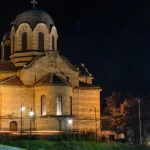
📷 Featured image by Maria Nikolova on Unsplash.