On this page
- Digital Nomad Infrastructure: Visa Requirements and Legal Framework for Bulgaria
- Internet Connectivity and Tech Infrastructure Across Major Cities
- Cost Breakdown: Monthly Expenses for Remote Workers in 2026
- Health Insurance and Healthcare Access for Long-term Stays
- Housing Options: From Short-term Rentals to Serviced Apartments
- Banking and Financial Services for Foreign Remote Workers
- Tax Implications and Freelancer Registration Process
- Language Barriers and Communication in Professional Settings
- Networking Communities and Professional Events for Expats
- Frequently Asked Questions
With Bulgaria‘s entry into Schengen in early 2024 and the introduction of a streamlined digital nomad visa program, the country has quietly become one of Europe’s most attractive destinations for remote workers in 2026. Yet many potential “workationers” still struggle with the practical details of actually setting up a productive work life here. This guide cuts through the bureaucracy to show you exactly how to make Bulgaria work for your remote career.
Digital Nomad Infrastructure: Visa Requirements and Legal Framework for Bulgaria
Bulgaria offers two main pathways for remote workers in 2026. The Digital Nomad Visa, introduced in late 2023 and refined through 2024, allows stays up to one year for non-EU citizens earning at least €2,500 monthly from foreign sources. The application costs 200 BGN (approximately €100) and requires proof of income, health insurance, and a clean criminal record.
EU citizens have it simpler thanks to freedom of movement rights, but still need to register with local authorities for stays exceeding 90 days. The registration process at your local municipality costs 15 BGN (around €7.50) and requires proof of accommodation and sufficient funds.
For longer-term arrangements, Bulgaria’s Freelancer Visa allows self-employed individuals to establish residency. This route requires registering as a sole trader (ET – едноличен търговец), which involves a 100 BGN registration fee and ongoing tax obligations. The process typically takes 2-3 weeks through the Bulgarian Investment Promotion Agency.
Internet Connectivity and Tech Infrastructure Across Major Cities
Bulgaria boasts some of Europe’s fastest and most affordable internet connections. The country consistently ranks in the top 5 globally for internet speed, with average download speeds exceeding 100 Mbps in urban areas. Fiber optic coverage reaches 85% of households nationwide as of 2026.

In Sofia, major providers like Vivacom, A1, and Telenor offer fiber packages starting at 25 BGN monthly (€12.50) for 100 Mbps speeds. Gigabit connections cost around 50 BGN (€25) monthly. Most apartments in central Sofia come pre-wired for fiber, making setup straightforward.
Plovdiv and Varna offer similar connectivity, though rural areas may rely on 4G/5G networks. Mobile data plans from 20 BGN monthly (€10) include generous data allowances. Power outages remain rare, affecting less than 0.1% of annual hours in major cities. Most modern buildings include backup generators.
Technical Considerations for Remote Work
Video calling quality remains excellent throughout Bulgaria’s urban centers. WhatsApp, Zoom, and Teams work without restrictions. VPN usage is legal and common among remote workers accessing company networks abroad. Local tech support exists in English in Sofia and Plovdiv, though basic Bulgarian phrases help in smaller cities.
Cost Breakdown: Monthly Expenses for Remote Workers in 2026
Bulgaria offers exceptional value for remote workers, with living costs roughly 40-50% lower than Western European averages while maintaining good quality of life.
Budget Tier (800-1,200 BGN / €400-600 monthly)
- Accommodation: Studio apartment in Sofia suburbs or shared flat in center (400-600 BGN)
- Food: Cooking at home with occasional dining out (250-350 BGN)
- Transportation: Monthly public transport pass (42 BGN in Sofia)
- Internet: Basic fiber connection (25-30 BGN)
- Utilities: Heating, electricity, water (80-120 BGN)
Mid-Range Tier (1,200-2,000 BGN / €600-1,000 monthly)
- Accommodation: One-bedroom apartment in good Sofia neighborhood (700-1,000 BGN)
- Food: Mix of home cooking and regular restaurant meals (400-500 BGN)
- Transportation: Public transport plus occasional taxi/car sharing (80 BGN)
- Internet: Premium fiber connection (40-50 BGN)
- Entertainment: Gym, cultural events, weekend trips (200-300 BGN)
Comfortable Tier (2,000-3,500 BGN / €1,000-1,750 monthly)
- Accommodation: Two-bedroom apartment in prime Sofia location or luxury studio (1,200-1,800 BGN)
- Food: Regular dining out at quality restaurants (600-800 BGN)
- Transportation: Car rental or ownership (300-500 BGN)
- Lifestyle: Premium gym, regular travel, cultural activities (500-700 BGN)

These figures apply primarily to Sofia. Plovdiv costs run 15-20% lower, while coastal cities like Varna may cost 10-15% more during summer months.
Health Insurance and Healthcare Access for Long-term Stays
Health insurance requirements vary by visa type, but coverage proves essential regardless of legal obligations. EU citizens can use their European Health Insurance Card for emergency care, though private insurance provides better access to English-speaking doctors and shorter wait times.
International health insurance plans suitable for Bulgarian residency start around 80 EUR monthly for comprehensive coverage. Local Bulgarian health insurance through the National Health Insurance Fund costs approximately 8% of declared income for registered freelancers, with minimum monthly contributions around 60 BGN (€30).
Sofia’s medical facilities rival Western European standards, particularly private clinics in the city center. Many doctors speak English, especially in specialties serving international patients. Pharmaceutical products are widely available and significantly cheaper than most EU countries.
Emergency care quality is good, with ambulance response times averaging 12 minutes in Sofia.
Practical Healthcare Tips
Register with a family doctor (личен лекар) within 30 days of arrival for ongoing care. Many clinics near Sofia’s center offer same-day appointments. Prescription medications often cost 70-80% less than Western European equivalents.
Housing Options: From Short-term Rentals to Serviced Apartments
Bulgaria’s rental market has evolved significantly since 2024, with more landlords catering specifically to remote workers and digital nomads. The key distinction lies between tourist accommodations and residential rentals designed for productive work.
For stays under three months, furnished apartments through platforms like Booking.com or Airbnb range from 800-2,000 BGN monthly in Sofia, depending on location and amenities. Many now advertise “work-friendly” features like dedicated desk space, ergonomic chairs, and guaranteed high-speed internet.
Longer-term rentals (3+ months) offer better value through local real estate agencies or Facebook groups like “Rent in Sofia” or “Sofia Housing.” Expect to pay 1-2 months’ rent as deposit, plus agency fees around 50% of monthly rent. Most landlords now accept international tenants with proper documentation.
Serviced apartments have emerged as a middle ground, offering hotel-like services with apartment-style space. Companies like Sofia Residence and Premium Apartments provide monthly rates from 1,500-3,000 BGN, including utilities, housekeeping, and workspace amenities.
Neighborhood Considerations for Remote Workers
Sofia’s Lozenets and Ivan Vazov districts offer excellent infrastructure and quiet streets ideal for video calls. Plovdiv’s Old Town provides historic charm but can get touristy. Varna’s central areas work well for summer stays, though winter accommodations may lack adequate heating for comfortable work.
Banking and Financial Services for Foreign Remote Workers
Opening a Bulgarian bank account streamlines many aspects of medium-term stays, from paying rent to accessing better exchange rates. EU citizens can open accounts with just passport and proof of address, typically processed within 1-2 business days at major banks like UniCredit Bulbank, UBB, or DSK Bank.
Non-EU citizens need additional documentation, including visa status proof and sometimes income verification. The process takes 5-10 business days but provides access to local debit cards, online banking in English, and reduced international transfer fees.
Monthly account maintenance fees range from 5-15 BGN depending on the bank and account type. Most banks waive fees for maintaining minimum balances around 500 BGN. ATM withdrawals within Bulgaria are free, while international card usage incurs 1-2% fees.
For those avoiding local banking, services like Wise (formerly TransferWise) and Revolut work excellently in Bulgaria. Their cards face no additional fees at most Bulgarian merchants, and exchange rates typically beat traditional banks.

Currency and Payment Considerations
Bulgaria uses the Bulgarian Lev (BGN), pegged to the Euro at approximately 1.96 BGN per EUR. Euro adoption discussions continue, but the lev remains stable and widely accepted alongside euros in tourist areas. Credit cards work universally in cities, with Visa and Mastercard preferred over American Express.
Tax Implications and Freelancer Registration Process
Tax obligations depend heavily on residency status, income source, and bilateral tax treaties between Bulgaria and your home country. The complexity requires careful planning, but Bulgaria’s 10% flat tax rate on most income makes it attractive for legitimate tax optimization.
Digital nomads maintaining tax residency elsewhere typically face no Bulgarian tax obligations for foreign-sourced income during short-term stays. However, spending more than 183 days annually in Bulgaria may trigger tax residency, subject to treaty provisions.
Registering as a sole trader (ET) allows legal invoicing for services provided to Bulgarian clients or permanent establishment activities. The process involves:
- Registration at the Trade Register (100 BGN fee)
- Obtaining a BULSTAT number (free)
- VAT registration if annual turnover exceeds 50,000 BGN
- Social security registration (mandatory)
Monthly social security contributions start around 60 BGN for minimum-income declarations. Many freelancers work with local accountants charging 100-200 BGN monthly for basic bookkeeping and compliance.
Professional Tax Advice
Consult qualified tax advisors familiar with international arrangements. Sofia hosts several firms specializing in expat taxation, with English-language services starting around 200 BGN for initial consultations. The Bulgarian tax authority provides limited English-language resources, making professional guidance valuable.
Language Barriers and Communication in Professional Settings
English proficiency varies significantly across Bulgaria’s regions and age groups. Sofia’s international business environment means most professionals under 40 speak conversational English, while smaller cities may require more Bulgarian language skills for daily interactions.
The Bulgarian alphabet uses Cyrillic script, which initially intimidates many newcomers. However, learning basic letter recognition takes just a few days and dramatically improves navigation and daily life. Google Translate’s camera function works excellently for reading menus, signs, and documents.

For professional video calls and meetings, English dominates Bulgaria’s tech and international business sectors. Local Bulgarian meetings may require interpretation, though many companies accommodate international colleagues by switching to English when foreigners participate.
Basic Bulgarian phrases prove invaluable for building relationships and showing respect for local culture. “Здравейте” (zdraveyte – hello), “Благодаря” (blagodarya – thank you), and “Извинете” (izvinete – excuse me) open doors and create positive interactions with service providers and neighbors.
Language Learning Resources
Sofia offers several English-taught Bulgarian language courses specifically designed for working professionals. Private tutoring costs 25-40 BGN per hour, while group classes through language schools start around 200 BGN for 20-hour courses. Online platforms like Babbel and Duolingo provide basic Bulgarian modules, though local tutoring accelerates practical communication skills.
Networking Communities and Professional Events for Expats
Bulgaria’s expat professional community has grown substantially since 2024, driven by the country’s digital nomad visa program and Schengen entry. Sofia hosts regular networking events, though the scene remains smaller and more intimate than major European capitals.
The Sofia Digital Nomads Facebook group has evolved into the primary networking hub, organizing monthly meetups at various venues around the city. These gatherings typically draw 30-50 professionals from diverse backgrounds, creating opportunities for both social connection and business collaboration.
Professional associations like the American Chamber of Commerce in Bulgaria and the British-Bulgarian Business Association welcome international members and host regular events mixing local and international business professionals. Annual membership fees range from 200-500 BGN depending on the organization and membership tier.
The Bulgarian startup ecosystem offers additional networking opportunities through events like Webit Festival and Sofia Tech Week. These attract international speakers and create connections between local entrepreneurs and foreign professionals considering longer-term stays.

Building Professional Relationships
Bulgarian business culture values personal relationships and tends toward more formal initial interactions than typical American or British standards. Punctuality matters significantly, and business cards remain important in professional settings. Many successful expat professionals emphasize that investing time in understanding local customs accelerates business development and integration.
Frequently Asked Questions
Do I need to speak Bulgarian to work remotely from Bulgaria?
No, English is sufficient for most remote work situations, especially in Sofia and Plovdiv. Basic Bulgarian phrases help with daily life, but aren’t required for productivity. Most younger Bulgarians in business districts speak conversational English.
How reliable is internet connectivity for video calls and online meetings?
Excellent. Bulgaria ranks among Europe’s top countries for internet speed and reliability. Fiber connections offer 100+ Mbps speeds for under €25 monthly, with minimal outages. Even smaller cities maintain good connectivity for professional video conferencing.
What’s the minimum monthly income needed for comfortable remote work in Bulgaria?
Budget-conscious remote workers can live comfortably on €600-800 monthly in Sofia, including accommodation, food, and workspace costs. Mid-range comfort requires €800-1,200 monthly, while premium lifestyle costs €1,200-1,800 monthly including quality housing and dining.
Can I open a local bank account as a short-term resident?
Yes, both EU and non-EU citizens can open Bulgarian bank accounts with proper documentation. EU citizens need just passport and address proof, while non-EU residents need visa documentation. The process takes 1-10 days depending on citizenship and chosen bank.
Are there tax implications for working remotely from Bulgaria?
It depends on your length of stay and income sources. Short-term digital nomads typically maintain home country tax residency with no Bulgarian obligations. Stays exceeding 183 days may trigger Bulgarian tax residency, though double taxation treaties often provide protection. Consult qualified tax advisors for specific situations.
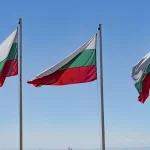
📷 Featured image by Damian Kamp on Unsplash.