On this page
- Why Bulgarian Is Harder (and Easier) Than You Think
- The Alphabet Decoded: Cyrillic in 10 Minutes
- Greetings and Politeness: The Words That Open Doors
- The Yes/No Problem: Bulgaria’s Most Dangerous Quirk
- Getting Around: Transport and Direction Phrases
- Eating and Drinking Without Pointing at the Menu
- Shopping, Bargaining, and Market Phrases
- Emergencies and Health: Phrases That Could Save You
- 2026 Budget Reality: Language Learning Resources
- Frequently Asked Questions
Why Bulgarian Is Harder (and Easier) Than You Think
In 2026, Bulgaria sees more independent travellers than ever — partly thanks to its full Schengen integration in 2024 and the steady expansion of direct flight routes from Western Europe and the UK. But one complaint comes up again and again in travel forums and hostel common rooms: nobody warned me about the language. Not the script, not the grammar, not the fact that shaking your head means yes. This guide fixes that.
Bulgarian is a South Slavic language, which means it shares roots with Serbian, Croatian, and Macedonian. If you speak any of those, you have a real head start. If you only speak English, the jump feels bigger — but it is genuinely manageable for survival purposes. Bulgarian has no noun cases (unlike Russian or Polish), which removes one of the biggest headaches in Slavic languages. Verbs are conjugated, but for travel purposes you can get surprisingly far with infinitive forms and pointing.
What makes Bulgarian tricky for English speakers is the Cyrillic script and a handful of sounds that simply do not exist in English. The sound represented by the letter Ъ (called “er goljamo”) is a deep, neutral vowel — somewhere between the “u” in “fun” and the “a” in “sofa”. You will hear it constantly. The letter Х is a breathy, throaty sound like the “ch” in Scottish “loch”. Neither is unlearnable. A few minutes of listening practice on YouTube before your trip makes a real difference.
The good news: Bulgarians are genuinely appreciative when foreigners attempt even a single word of their language. In smaller towns and villages, an attempt at Bulgarian opens warmth that no amount of slow, loud English ever will.
The Alphabet Decoded: Cyrillic in 10 Minutes
You do not need to read literature. You need to read a bus stop sign, a menu category, or the word for “exit” above a door. That is a much smaller task — and entirely achievable with one focused practice session.

The Bulgarian Cyrillic alphabet has 30 letters. Roughly a third of them look and sound almost identical to their Latin equivalents:
- А а — sounds like “a” in “father”
- Е е — sounds like “e” in “bed”
- О о — sounds like “o” in “more”
- М м — sounds like “m”
- Т т — sounds like “t”
- К к — sounds like “k”
Another group looks like Latin letters but sounds completely different — these are the dangerous ones:
- В в — looks like “B” but sounds like “v”
- Н н — looks like “H” but sounds like “n”
- Р р — looks like “P” but sounds like “r” (rolled)
- С с — looks like “C” but sounds like “s”
- У у — looks like “Y” but sounds like “oo”
- Х х — looks like “X” but sounds like the Scottish “ch” in “loch”
Then there are letters with no Latin equivalent at all, but these are the ones worth learning specifically for navigation:
- Ж ж — sounds like the “s” in “measure” or French “je”
- Ш ш — sounds like “sh”
- Щ щ — sounds like “sht” (as in “pushed”)
- Ч ч — sounds like “ch”
- Ю ю — sounds like “yu”
- Я я — sounds like “ya”
Once you recognise these patterns, words start becoming readable. РЕСТОРАНТ becomes “RESTORANT”. ХОТЕЛ becomes “HOTEL”. ТАКСИ becomes “TAKSI”. ПОЛИЦИЯ becomes “POLITSIA” (police). The script stops being a wall and becomes a puzzle you can mostly solve.
Greetings and Politeness: The Words That Open Doors
Bulgarian social culture places real weight on basic greetings. Walking into a small shop without saying hello is considered rude, not neutral. A confident zdraveyte when you enter and a blagodarya when you leave creates a completely different interaction than silence.

Here are the core phrases, with Cyrillic, phonetic pronunciation, and usage notes:
- Здравейте / Zdraveyte — “Hello” (formal, used with strangers, shop owners, older people). The “y” is soft, almost like “zdravay-teh”.
- Здравей / Zdravey — “Hello” (informal, used with people your age or younger, once introduced).
- Добро утро / Dobro utro — “Good morning”. Used until around 10–11am.
- Добър ден / Dobăr den — “Good day/afternoon”. The most versatile daytime greeting.
- Добър вечер / Dobăr vecher — “Good evening”. Use after around 6pm.
- Довиждане / Dovizhdane — “Goodbye” (formal). Pronounced “do-VEEZH-da-neh”.
- Чао / Chao — “Bye” (informal). Borrowed from Italian, completely standard in everyday use.
- Моля / Molya — “Please” / “You’re welcome”. This word does double duty — pay attention to context.
- Благодаря / Blagodarya — “Thank you”. Pronounced “bla-go-da-RYA”. Learn this one.
- Съжалявам / Săzhalyavam — “I’m sorry / Excuse me”. A bit of a tongue-twister, but worth knowing.
- Извинете / Izvinete — “Excuse me” (to get attention or pass someone). Easier to pronounce than the above.
The warmth that spreads across a shopkeeper’s face in a small Rhodope village when you say blagodarya with genuine effort — that is a moment you will remember. It costs nothing and changes everything about the interaction.
The Yes/No Problem: Bulgaria’s Most Dangerous Quirk
This is the single most important piece of information in this entire article. Read it carefully.
In Bulgaria, shaking your head from side to side means YES. Nodding your head up and down means NO. This is the exact opposite of what virtually every Western traveller expects, and it causes real confusion — missed trains, wrong orders, misunderstood agreements.
The words themselves are straightforward:
- Да / Da — “Yes”
- Не / Ne — “No”
The problem is that when you are speaking to someone — especially when they are trying to be helpful — they will often nod or shake their head at the same time as speaking. Your brain, wired for Western conventions, will read the head gesture and ignore the word. This is where mistakes happen.

A practical scenario: you are at a bus station and you ask a local if this is the bus to Plovdiv. They shake their head while saying “da”. Every instinct you have says “no”. The correct answer is yes.
The only reliable solution is to train yourself to ignore head movements entirely and listen only to “da” or “ne”. Some Bulgarians who deal with tourists regularly have actually adopted the Western convention, so you may encounter inconsistency — which makes things even more confusing. When in doubt, ask them to confirm verbally: Да или не? / Da ili ne? — “Yes or no?”
There is no satisfying explanation for why Bulgarian (and Albanian, and some other Balkan languages) developed this inversion. It simply exists. Accept it, remember it, and repeat “listen for da/ne, ignore the head” as a mantra for your first few days.
Getting Around: Transport and Direction Phrases
Bulgaria’s public transport network improved noticeably after 2024, with upgraded intercity rail lines and expanded urban bus apps in Sofia, Plovdiv, and Varna. But outside major cities, digital tools fail you — you need spoken phrases.
- Къде е…? / Kăde e…? — “Where is…?” The most useful construction you will learn. “Kăde e avtogarata?” = “Where is the bus station?”
- Автогара / Avtogara — Bus station
- Железопътна гара / Zhelezopatna gara — Train station (often shortened to just гара / gara)
- Летище / Letishte — Airport
- Спирка / Spirka — Bus stop
- Билет / Bilet — Ticket
- Един билет за… / Edin bilet za… — “One ticket to…” followed by the destination
- Кога тръгва? / Koga trăgva? — “When does it leave?”
- Кога пристига? / Koga pristiga? — “When does it arrive?”
- Наляво / Nalyavo — Left
- Надясно / Nadyasno — Right
- Направо / Napravo — Straight ahead
- Близо / Blizo — Near
- Далеч / Dalech — Far
- Колко струва? / Kolko struva? — “How much does it cost?” Works for taxis and tickets.
For taxis specifically: in 2026, most Bulgarian cities have ride-hailing apps (Bolt operates widely), but in smaller towns you will still flag cars or call dispatch. Always agree on a price before getting in, or confirm the meter is running: С таксиметър, моля / S taksimetăr, molya — “With the meter, please.”

Eating and Drinking Without Pointing at the Menu
Bulgarian menus in tourist areas increasingly include English translations or QR-code menus in English. But step into a local mehana (traditional tavern) in Koprivshtitsa or a neighbourhood kafene in Stara Zagora, and you are on your own. The smell of slow-cooked kavarma drifting from the kitchen is worth fighting through the language barrier for.
- Маса за един/двама / Masa za edin/dvama — “A table for one/two”
- Менюто, моля / Menyuto, molya — “The menu, please”
- Какво препоръчвате? / Kakvo preporachvate? — “What do you recommend?” Locals love this question.
- Сметката, моля / Smetkata, molya — “The bill, please”
- Вода / Voda — Water
- Кафе / Kafe — Coffee
- Бира / Bira — Beer
- Вино / Vino — Wine
- Ракия / Rakiya — Rakia (the local brandy — expect to be offered this freely)
- Без месо / Bez meso — “Without meat” (essential for vegetarians)
- Алергичен съм към… / Alergichen săm kăm… — “I am allergic to…” followed by the ingredient
- Много вкусно! / Mnogo vkusno! — “Very delicious!” Use this freely. It genuinely delights people.
- Наздраве! / Nazdrave! — “Cheers!” The only toast you need to know.
One cultural note on payment: in traditional Bulgarian restaurants, splitting the bill per person is not standard practice. One person typically pays and others settle up amongst themselves. Asking for separate bills (разделена сметка / razdelena smetka) is possible in city restaurants but may cause mild confusion in rural spots.
Shopping, Bargaining, and Market Phrases
Bulgaria’s open-air markets — the pazar — are some of the most vivid sensory experiences the country offers. The percussive sound of a vendor slicing a wedge of yellow sirene cheese, the bright red of fresh chushki peppers stacked in wooden crates, the easy chaos of a Saturday morning in any provincial town. You will want to talk to these people.

- Колко струва това? / Kolko struva tova? — “How much does this cost?”
- Скъпо е / Skapo e — “It’s expensive”
- Евтино / Evtino — Cheap / affordable
- Имате ли…? / Imate li…? — “Do you have…?”
- Искам… / Iskam… — “I want…” (direct but acceptable)
- Бих искал/а… / Bih iskal/a… — “I would like…” (more polite; “iskal” for male, “iskala” for female speakers)
- Само разглеждам / Samo razgledam — “Just looking” (useful in shops where staff approach immediately)
- Мога ли да платя с карта? / Moga li da platya s karta? — “Can I pay by card?”
- Имате ли ресто? / Imate li resto? — “Do you have change?”
Numbers are worth memorising at least up to 20 for market shopping. The core ones: едно/edn0 (1), две/dve (2), три/tri (3), четири/chetiri (4), пет/pet (5), десет/deset (10), двадесет/dvadeset (20), сто/sto (100).
Bargaining is not standard practice in Bulgarian shops or supermarkets, but at informal markets and antique fairs, a polite attempt is acceptable. Keep it friendly — aggressive bargaining is culturally jarring here.
Emergencies and Health: Phrases That Could Save You
Nobody plans to need these. Learn them anyway.
- Помощ! / Pomosht! — “Help!”
- Обадете се на линейка! / Obadete se na lineyka! — “Call an ambulance!”
- Обадете се на полицията! / Obadete se na politsiata! — “Call the police!”
- Пожар! / Pozhar! — “Fire!”
- Болен/болна съм / Bolen/bolna săm — “I am sick” (male/female)
- Нужна ми е помощ / Nuzhna mi e pomosht — “I need help”
- Болница / Bolnitsa — Hospital
- Аптека / Apteka — Pharmacy (recognisable by the green cross sign)
- Лекар / Lekar — Doctor
- Боли ме тук / Boli me tuk — “It hurts here” (point to the area)
- Загубих паспорта си / Zagubih pasporta si — “I lost my passport”
- Откраднаха ми чантата / Otkradnaha mi chantata — “My bag was stolen”
Emergency numbers in Bulgaria in 2026: 112 is the universal European emergency number and works everywhere. Bulgarian operators are required to have English-speaking staff available on 112. For non-emergency police assistance, 166. For ambulance directly, 150. For fire, 160.
2026 Budget Reality: Language Learning Resources
Getting a basic handle on Bulgarian before your trip does not require expensive classes. Here is what is realistically available and what it costs in 2026:
Free and Low-Cost Options
- Duolingo Bulgarian course — Free (with ads) or Duolingo Plus at around 35 BGN/month (approx. 18 EUR / 19 USD). The Bulgarian course was significantly expanded in 2025 and now covers travel-specific vocabulary properly.
- Anki flashcard app — Free. Download the “Bulgarian 2000 Most Common Words” deck. Works offline.
- YouTube channels — Several channels offer free Bulgarian pronunciation guides aimed specifically at travellers. Search “Bulgarian for beginners 2025/2026”.
- Bulgarian phrasebook apps — Google Translate added improved Bulgarian voice recognition in its 2025 update. Offline Bulgarian language pack download is free and essential — download it before you arrive.

Mid-Range Options
- Pimsleur Bulgarian — Audio-based, excellent for pronunciation. Around 150 BGN (77 EUR / 82 USD) for the full Level 1 course.
- iTalki session with a Bulgarian tutor — Typically 40–70 BGN per hour (20–36 EUR). Even one session focused on pronunciation and survival phrases is worthwhile.
In-Country Tools
- Local SIM card with data — In 2026, a Bulgarian SIM with 10GB of data costs approximately 15–25 BGN (8–13 EUR) from Vivacom, A1, or Yettel. Useful for real-time Google Translate when your phrase knowledge runs out. Available at Sofia Airport arrivals immediately after baggage collection.
- Printed phrasebook — Still useful in areas with no signal. The Lonely Planet Bulgarian phrasebook (latest 2024 edition) costs around 20–25 BGN (10–13 EUR) and is stocked at Sofia Airport and larger bookshops in Plovdiv and Varna.
Frequently Asked Questions
How much Bulgarian do I actually need to get by as a tourist?
In Sofia, Plovdiv, and coastal resort areas, you can manage almost entirely in English — especially in 2026, when younger Bulgarians are highly likely to speak it. But once you travel to smaller towns, villages, or rural areas, even 20–30 basic phrases make a significant practical difference. Nobody expects fluency. Effort is what matters.
Is Bulgarian similar enough to Russian that Russian speakers have an advantage?
Yes, meaningfully so. The Cyrillic alphabet is nearly identical, and a large share of vocabulary overlaps. Russian speakers typically decode written Bulgarian within days and can hold basic conversations within a week of focused study. Grammar differs in important ways — Bulgarian has no noun cases, which actually makes it simpler than Russian structurally.

Will Bulgarians switch to English if I struggle with Bulgarian?
In urban areas, almost certainly yes — particularly anyone under 40. English proficiency in Bulgarian cities has improved steadily and is now at a high level among the working-age population. In rural areas and among older generations, this is less reliable. German and Russian are also spoken by older Bulgarians who studied them during the Soviet era.
What is the best free app for Bulgarian translation in 2026?
Google Translate remains the most practical option, particularly with its camera-based text translation — point your phone at a Cyrillic sign and it translates in real time. Download the offline Bulgarian pack before you travel. DeepL added Bulgarian support in 2024 and handles more nuanced text better, though it lacks the camera feature. Both are free.
How do I handle the yes/no head gesture confusion in practice?
The most reliable approach is to always pair your question with a request for a verbal answer. Ask “Da ili ne?” (Yes or no?) after your main question, and listen specifically for the word “da” or “ne” rather than watching the head movement. After two or three days in Bulgaria, many travellers find they unconsciously adjust. Until then, verify anything important verbally.
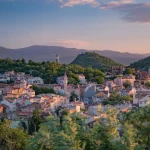
📷 Featured image by Luciani Koroshec on Unsplash.