On this page
- Where Ruse Sits and Why It Surprises First-Time Visitors
- Getting to Ruse in 2026: Train, Bus, Car, and the Danube Crossing
- The Old Centre on Foot: Streets, Squares, and What to Notice
- Sleeping in Ruse: Where to Stay by Budget and Location
- Eating and Drinking Without the Guesswork
- 2026 Budget Reality: What Things Actually Cost in Ruse
- Day Trips Within Reach of Ruse
- Practical Nuts and Bolts: Money, SIM Cards, Language, Safety
- Frequently Asked Questions
Where Ruse Sits and Why It Surprises First-Time Visitors
Most people visiting Bulgaria for the first time fly into Sofia or Varna and never make it to Ruse. That is a genuine shame, and in 2026 it is also increasingly hard to justify — the city now has better rail connections, a growing number of boutique hotels, and a riverside promenade that rivals anything on the Black Sea coast for evening atmosphere. Ruse sits on Bulgaria’s northern border, right on the Danube, directly connected by the Friendship Bridge to Giurgiu in Romania. It is the only major Bulgarian city on the river, and that position shapes everything about it: the Architecture, the food, the pace of life, and the kind of travellers who end up here.
The city is often called “Little Vienna” — a nickname earned in the 19th century when Austro-Hungarian merchants, Ottoman administrators, and Bulgarian merchants all built their businesses here simultaneously. The result is a dense, walkable downtown full of neo-Baroque and neo-Renaissance buildings that look genuinely out of place in the Balkans, in the best possible way. First-time visitors frequently arrive expecting a quiet provincial town and leave having spent an extra day they did not plan for.
Getting to Ruse in 2026: Train, Bus, Car, and the Danube Crossing
Getting to Ruse has become noticeably smoother since Bulgaria’s full Schengen land border integration in 2025. Crossing from Romania into Bulgaria at the Friendship Bridge no longer involves the slow document checks that used to back traffic up for 45 minutes on a busy afternoon. EU and Schengen passport holders now move through in the same flow as domestic traffic.

By Train
The Sofia–Ruse rail line takes around six to seven hours depending on the service. The overnight train from Sofia departs in the evening and arrives early morning, which is genuinely useful if you want to save a night’s accommodation cost. Tickets bought through the BDZ website or app cost between 22 BGN and 38 BGN (roughly 11–19 EUR) for a standard seat, with sleeper couchettes available for around 55 BGN (28 EUR). The 2026 timetable added one additional daytime departure, making it easier to do Ruse as part of a longer loop without rushing.
By Bus
Several private operators run Sofia to Ruse in around four to five hours via the Hemus Motorway, which is fully open as of 2024. Prices sit around 25–35 BGN (13–18 EUR). Buses arrive at the Yug Bus Terminal, about 1.5 kilometres south of the main square — a short taxi or a 20-minute walk. From Varna, buses run regularly and take around three hours.
By Car
From Sofia, the A2 Hemus Motorway takes you to Shumen, then a well-maintained national road continues north to Ruse — total drive time around three hours and 20 minutes in normal traffic. Parking in the city centre is metered and managed through a phone app (Park and Pay), with rates around 1.20 BGN (0.60 EUR) per hour. There is a free parking area near the Ruse Fair complex about a 10-minute walk from the centre.
From Romania
If you are coming from Bucharest, the drive to the Friendship Bridge is around 70 kilometres. The crossing itself takes under 15 minutes for Schengen passport holders. Romanian-registered cars and rental cars from Romania cross without issue. Ruse is a natural first stop when entering Bulgaria from Romania, and many Romania-based travellers now use it as a two-night base before continuing south.

The Old Centre on Foot: Streets, Squares, and What to Notice
Ruse’s historic centre is compact enough to walk entirely in a morning, but dense enough that you will keep finding things if you slow down. The anchor point is Svoboda Square (Freedom Square) — a large, pedestrianised plaza ringed by 19th-century buildings, anchored by the monument to the Russo-Turkish War of Liberation, and lined with café terraces that fill up from around 10am. On a warm morning, the smell of fresh pastry drifts from the small bakeries tucked into the building arcades along the eastern edge of the square.
Aleksandrovska Street is the main pedestrian artery running west from the square. It is genuinely pleasant — wide, tree-lined, and mostly free of souvenir shops peddling the same things you find everywhere else in Bulgaria. The buildings here are a visual history of the city’s 19th-century ambitions: ornate facades, iron balconies, and the kind of detail you would photograph in Vienna but find remarkable because you are in northern Bulgaria.
Walking north from Svoboda Square brings you down to the Danube promenade (Pridunavski Boulevard) within about eight minutes. The river view is wide and quiet. In summer, tourist boats and restaurant barges line the bank. In winter, the promenade is almost empty but has its own atmosphere — the grey-green water and the flat Romanian shore on the other side give the city a distinctly Central European edge.
Key landmarks worth finding on your first day:
- Sexaginta Prista Roman Fortress — the partially excavated remains of a Roman garrison fort, integrated into a small open-air museum near the river. Entrance is 6 BGN (3 EUR).
- Kaliopa House — a restored 19th-century town house turned museum, giving a precise picture of how wealthy Ruse merchants actually lived. One of the better house museums in Bulgaria.
- Ruse Regional History Museum — housed in a building that is itself worth the entrance fee. Strong collection on the Danube trade era and the city’s role in Bulgarian national history.
- Church of the Holy Trinity — built partly underground to comply with Ottoman-era height restrictions, giving it an unusual sunken entrance that catches most visitors off guard.

Sleeping in Ruse: Where to Stay by Budget and Location
Ruse has a small but well-sorted accommodation market. The best strategy for a first visit is to stay within walking distance of Svoboda Square — that puts you inside the historic centre, within 10 minutes of the river, and close to every restaurant and bar worth visiting.
Budget Options
The city has a handful of clean, basic hotels and guesthouses in this range per night for a double room. These are mostly family-run operations in residential streets a few blocks from the centre. Facilities are simple — breakfast is sometimes included, WiFi is standard, air conditioning is not always guaranteed, so check before booking in July or August.
Mid-Range
The sweet spot for most travellers. Several boutique hotels operate in restored period buildings in and around the old centre. These properties tend to have far more personality than the budget options and are usually quieter. The Danube riverfront area has two well-reviewed mid-range hotels with river-facing rooms — worth the slight premium if you want that view at sunrise.
Comfortable End
Ruse has one four-star business hotel close to the centre with an indoor pool and proper breakfast buffet. For that money you get reliable comfort, but not quite the character of the boutique options.
Eating and Drinking Without the Guesswork
Ruse eats differently from Sofia or the coast. The city’s Danubian trade history left a genuine culinary influence — you find freshwater fish dishes here that simply do not appear on menus elsewhere in Bulgaria, alongside the standard Bulgarian grills and salads. Carp, catfish, and pike-perch cooked in river-fish broths or pan-fried with herbs are the local staples worth seeking out.

Where to Eat
The restaurant scene clusters around three areas: the Svoboda Square terraces (reliable but slightly tourist-facing), Aleksandrovska Street (a mix of cafés, bakeries, and sit-down restaurants), and the Danube promenade (mostly larger restaurants with outdoor seating and fish menus). For a proper local lunch, head one or two blocks off the main pedestrian street — the smaller family restaurants in those side streets serve two-course lunches for 12–18 BGN (6–9 EUR) that the square terrace places cannot match for value.
A few practical pointers:
- Most restaurants open for lunch from noon and are genuinely busy between 1pm and 2:30pm with local office workers — arrive early or slightly after the rush.
- River fish restaurants on the promenade are best for dinner rather than lunch — they fill up beautifully on warm evenings, with the lights from the Romanian shore visible across the water.
- The covered Central Market Hall (Centralna Hala) near the rail station sells local produce, dairy, and baked goods. The banitsa from the small stalls inside — still warm, flaking apart slightly, smelling of butter and white cheese — is better than anything on the tourist circuit.
Drinking and Nightlife
Ruse has a real café culture. Aleksandrovska Street has outdoor seating in both directions and fills up from late morning. The bar scene is modest but genuine — a cluster of wine bars and craft beer spots has grown around the side streets off the main square since 2023, and by 2026 the area around Borisova Street has developed a consistent evening crowd. Nothing like Sofia’s nightlife, but perfectly good for two or three evenings.

2026 Budget Reality: What Things Actually Cost in Ruse
Ruse is cheaper than Sofia for almost everything, and significantly cheaper than the Black Sea coast in summer. Here is what to expect in 2026:
Accommodation (per night, double room)
- Budget: 45–70 BGN (23–36 EUR / 25–39 USD)
- Mid-range: 100–160 BGN (51–82 EUR / 56–89 USD)
- Comfortable: 200–280 BGN (102–143 EUR / 111–156 USD)
Food and Drink
- Coffee (espresso or flat white): 2.50–3.50 BGN (1.30–1.80 EUR)
- Lunch at a local restaurant (two courses, no alcohol): 12–18 BGN (6–9 EUR)
- Dinner at a mid-range restaurant (three courses with a beer or glass of wine): 28–45 BGN (14–23 EUR)
- Street-food pastry or banitsa: 1.50–2.50 BGN (0.80–1.30 EUR)
- Half-litre local beer in a bar: 3.50–5 BGN (1.80–2.60 EUR)
Transport and Activities
- City bus single fare: 1.60 BGN (0.82 EUR)
- Taxi from bus terminal to city centre: 6–9 BGN (3–4.60 EUR)
- Museum entrance fees: typically 5–8 BGN (2.60–4.10 EUR) per site
- Boat trip on the Danube (1–2 hours): 20–30 BGN (10–15 EUR)
A comfortable two-night trip to Ruse — mid-range hotel, three restaurant meals per day, entrance to two or three museums, and local transport — will typically cost one person around 350–500 BGN (179–256 EUR) all in. That is excellent value by any Western European standard.
Day Trips Within Reach of Ruse
Ruse is unusually well-placed for day trips. Within 60 kilometres in any direction, you have some of Bulgaria’s most distinctive landscapes and historic sites — and the road infrastructure in this part of the country is in good condition.
Ivanovo Rock Churches (18 km south)
A UNESCO World Heritage Site that most international tourists miss entirely. Medieval frescoes painted directly into natural rock caves above the Rusenski Lom river gorge. The site requires a moderate walk along a well-marked trail. Allow two to three hours. Entrance is 6 BGN (3 EUR). Go in the morning before the heat builds in summer.

Rusenski Lom Nature Park
The river gorge south of Ruse is carved into white limestone and cuts through a landscape that feels genuinely remote despite being half an hour from the city. It combines the rock church sites with hiking trails, medieval cave-dwelling ruins (Cherven Fortress), and birdwatching. A full day with a car covers the main highlights comfortably.
Sveshtari Thracian Tomb (90 km west)
Another UNESCO site, less visited than it deserves. A well-preserved Thracian burial tomb with carved caryatid figures that are unlike anything else in Bulgaria. A half-day trip by car from Ruse. There is no reliable public transport, so renting a car or booking a local taxi for the round trip (expect 80–100 BGN / 41–51 EUR) is the practical option.
Giurgiu, Romania (across the bridge)
With the Schengen land crossing now seamless, crossing into Romania for a few hours is genuinely easy. Giurgiu itself is a small Romanian city without much to detain you, but the cross-border experience — driving over the Friendship Bridge, watching the Danube below — is interesting in itself. Bucharest is 70 kilometres north and reachable in under an hour by car or local bus.
Practical Nuts and Bolts: Money, SIM Cards, Language, Safety
Currency
Bulgaria uses the Bulgarian lev (BGN), pegged at 1.95583 BGN to the euro. Bulgaria is on track for euro adoption but has not completed the transition as of early 2026 — check the latest status before travel, as this has been a moving target. Card payment is widely accepted in Ruse, including at most restaurants and shops. Keep 30–40 BGN in cash for markets, smaller cafés, and transport.
ATMs and Cards
There are multiple ATMs around Svoboda Square and along Aleksandrovska Street. Use bank-affiliated ATMs rather than standalone machines in less-trafficked areas to avoid inflated conversion fees. Visa and Mastercard work everywhere that accepts cards. Apple Pay and Google Pay are accepted at most modern terminals.

SIM Cards
If you need a local SIM, pick one up at any A1, Vivacom, or Yettel store — all three have branches in the Ruse city centre. A tourist data SIM with 15GB costs around 15–20 BGN (8–10 EUR) and activates immediately. EU roaming means EU visitors can use their home plan without extra charges — check your provider’s fair-use limit for roaming data.
Language
Bulgarian is a Cyrillic-script language. Most shop and restaurant staff in central Ruse speak basic English, and younger people typically speak it well. German is understood by a surprising number of older locals — the city’s Central European history left a lasting mark. Learning five or six basic Bulgarian phrases (please, thank you, the bill, good morning) is always appreciated and occasionally opens doors to better service.
Safety
Ruse is a safe city for tourists. The usual urban precautions apply: watch your bag in crowded areas and do not leave valuables visible in a parked car. The central areas are well-lit and populated until late evening. The main square and promenade areas feel relaxed and family-oriented at night.
Getting Around the City
The historic centre is small enough that you will walk almost everywhere. City buses cover the wider urban area, with a single fare of 1.60 BGN paid by card or contactless via the city’s tap-to-ride terminals installed across the network in 2024. Taxis are metered and honest in the city centre — hail them from the street or use the inDrive or Bolt apps, both of which operate in Ruse.
Frequently Asked Questions
How many days do I need in Ruse?
Two full days is the right minimum for a first visit. Day one covers the historic centre, the river promenade, and a museum or two. Day two works well as a day trip to the Ivanovo Rock Churches and the Rusenski Lom gorge. Three days gives you space to cross into Romania and explore without rushing anything.

Is Ruse worth visiting if I have only one week in Bulgaria?
Yes, if you are interested in history, architecture, and a city that feels genuinely different from Sofia or the coast. Ruse fits naturally into a route that combines Sofia, the Rose Valley, Veliko Tarnovo, and Ruse in a circular loop — all reachable within a week without covering excessive distances.
What is the best time of year to visit Ruse?
May, June, and September are the best months. Summers in Ruse are genuinely hot — July and August regularly exceed 35°C — and the city gets humid due to its river position. Spring and early autumn give you warm weather for walking the promenade, comfortable temperatures for day trips, and lower accommodation prices than peak summer.
Can I visit Ruse as a day trip from Bucharest?
Yes, and it is an increasingly popular option since the Schengen land crossing opened fully in 2025. Bucharest to the Friendship Bridge is around 70 kilometres — under an hour by car. Allow at least five to six hours in Ruse to see the centre properly. Driving is the practical choice; public bus connections between Bucharest and Ruse exist but timing is awkward for a day trip.
Do I need to book restaurants in advance in Ruse?
For most casual restaurants and lunch spots, no reservation is needed. For dinner at the better-regarded river fish restaurants on the Danube promenade in July and August, calling ahead or booking online the morning of your visit is sensible — they fill up on warm evenings. During the Ruse Music Weeks festival in May–June, all good restaurants are busier than usual.
Explore more
Ruse Travel Essentials — Practical Tips for Visitors
Ruse Nightlife Guide — Best Bars and Clubs
Where to Shop in Ruse: Your Guide to Alexandrovska Street & Souvenir Finds
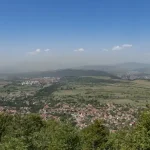
📷 Featured image by Anton Atanasov on Unsplash.