On this page
- Sofia’s Personality: What Kind of City Is This?
- Sofia’s Neighborhoods: Where the City Actually Lives
- What to See and Do: Sofia’s Non-Negotiable Experiences
- Where to Eat and Drink in Sofia
- Getting Around Sofia
- Day Trips from Sofia
- Sofia After Dark
- Shopping in Sofia
- Where to Stay in Sofia
- When to Go to Sofia
- Practical Tips for Sofia in 2026
- Daily Budget Breakdown for Sofia in 2026
- Frequently Asked Questions
💰 Click here to see Bulgaria Budget Breakdown
💰 Prices updated: August, 2026. Budget figures are estimates — always verify before travel.
Exchange Rate: $1 USD = €0.86
Daily Budget (per person)
Shoestring: €35.00 – €50.00 ($40.70 – $58.14)
Mid-range: €60.00 – €100.00 ($69.77 – $116.28)
Comfortable: €150.00 – €200.00 ($174.42 – $232.56)
Accommodation (per night)
Hostel/guesthouse: €5.00 – €20.00 ($5.81 – $23.26)
Mid-range hotel: €55.00 – €95.00 ($63.95 – $110.47)
Food (per meal)
Budget meal: €12.00 ($13.95)
Mid-range meal: €25.00 ($29.07)
Upscale meal: €60.00 ($69.77)
Transport
Single metro/bus trip: €0.80 ($0.93)
Monthly transport pass: €25.50 ($29.65)
Sofia has quietly had its most significant travel year in decades. Since Bulgaria’s full Schengen accession in early 2025, land border crossings from Greece, Romania, and Serbia no longer require passport checks — meaning the old hour-long queues at Kalotina or Kulata are gone. Combined with new direct flights added in 2025–2026 from London Stansted, Berlin, and Manchester, more travelers are landing in the Bulgarian capital with less friction than ever before. The flip side: Sofia’s more popular now, prices have risen, and the old “it’s so cheap!” rule needs updating. This guide gives you the real 2026 picture.
Sofia’s Personality: What Kind of City Is This?
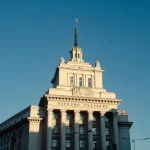
Sofia sits at roughly 550 metres above sea level, ringed by mountains, and has been continuously inhabited for over 7,000 years. Walk three blocks in the city centre and you’ll pass a Roman rotunda, an Ottoman mosque, a Soviet-era department store, and a glass-fronted startup office. That layering is not a cliché — it’s the actual experience of being here.
The city has about 1.2 million people and moves at a pace that feels faster than most Bulgarian cities but slower than Western European capitals. Locals drink coffee standing at small bar counters. Parks fill up on weekday afternoons. There’s a self-consciousness about Sofia — residents are quick to point out its flaws while clearly loving it — that makes it feel honest and unpolished in the best way.
Travelers who come expecting Prague-style baroque grandeur usually leave surprised. Sofia’s appeal is about texture: the smell of roasting chestnuts in October near Alexander Nevsky Square, the evening hum of Vitosha Boulevard when the heat breaks in July, the way the mountain feels impossibly close when you look south from almost any street in the center.
Sofia’s Neighborhoods: Where the City Actually Lives
City Center (Tsentar)
The historic and administrative core. This is where the major monuments, government buildings, and main pedestrian zones sit. It suits first-time visitors who want walkability and sights within 10 minutes of each other. It’s busier, pricier, and less authentically residential than other areas.
Oborishte
East of the center, Oborishte is Sofia’s most upscale residential quarter. Wide tree-lined streets, embassies, renovated pre-war apartment buildings, and some of the city’s best independent restaurants and cafés. It’s calm, green, and walkable. A strong choice for mid-range and luxury travelers who want comfort without tourist-district noise.
Lozenets
Slightly further south, bordering Yuzhen Park. Lozenets is family-friendly, well-kept, and home to a good concentration of mid-range hotels and long-stay apartments. Younger professionals live here. Less walking distance to the top sights, but Metro Line 2 and regular buses make it easy.

Studentski Grad (Student City)
Sofia’s university district, southeast of center. Loud, cheap, full of bars and late-night food. Not somewhere to stay if you need sleep before 2am, but the right choice if you’re in your 20s and want to be near the nightlife. Hostel beds here are some of the cheapest in the city.
Mladost
A large residential district built mostly in the communist era, home to the business parks, the airport road, and the National Palace of Culture. Not a tourist neighborhood, but useful for understanding how most Sofia residents actually live. Budget accommodation here can be 30–40% cheaper than the center.
What to See and Do: Sofia’s Non-Negotiable Experiences
Alexander Nevsky Cathedral
Bulgaria’s most recognizable building. The cathedral was built between 1882 and 1912 as a memorial to Russian soldiers who died in the Russo-Turkish War. Its gold domes are visible from much of the city center. Entry to the main nave is free. The crypt, which houses one of the best icon collections in the Balkans, charges a small admission (around 6 BGN / €3 in 2026). Go on a weekday morning when it’s quiet enough to hear the acoustics properly.
Serdica Roman Ruins
Directly beneath the city center — literally under the road and the metro station — lie the excavated ruins of ancient Serdica, Sofia’s Roman predecessor. The open-air section near the Presidency building lets you walk among 4th-century walls and columns for free. There’s also an underground museum section accessible from the Serdika metro station concourse.
Boyana Church
A UNESCO World Heritage site on the lower slopes of Vitosha Mountain, about 8 kilometres south of center. The medieval frescoes inside — painted in 1259 — are considered among the finest examples of medieval European art. Visits are timed and small-group (book ahead; slots fill fast in summer). Admission is 10 BGN / ~€5.
Vitosha Mountain
Sofia is one of very few European capitals where you can be on a marked hiking trail within 30 minutes of the city center by public transport. The No. 93 bus from Hladilnika metro station runs to the Aleko chalet area at 1,800 metres. From there, it’s a 45-minute walk to the Cherni Vrah peak at 2,290 metres. In winter, Vitosha also has a small ski area. The trail smells of pine and wet stone after rain — on a clear day, you can see as far as the Rhodope Mountains to the south.

National Palace of Culture (NDK)
The massive brutalist congress centre at the southern end of Vitosha Boulevard is a landmark in itself. The square in front hosts open-air concerts, food festivals, and markets throughout the year. The NDK also programs international film screenings, theatre, and concerts year-round.
Sofia History Museum (Former Central Mineral Baths)
The gorgeous yellow-and-white neo-baroque building at the bottom of Vitosha Boulevard is the old central mineral baths, converted into a city history museum. The building alone is worth stopping for — the museum inside gives good context on Sofia’s urban development from Roman times to the present.
Where to Eat and Drink in Sofia
Sofia’s food scene in 2026 is more varied than it gets credit for. Forget the idea that you’re stuck eating heavy stews and grilled meat — that’s available, but so is a serious café culture, a strong craft beer movement, and a growing number of chefs doing modern Bulgarian cooking.
The Women’s Market (Zhenski Pazar)
Sofia’s best outdoor market, running along Stefan Stambolov Boulevard north of the center. It’s chaotic, colorful, and genuine — not a tourist attraction but where locals actually shop. Go in the morning for fresh produce, dried herbs, homemade dairy, and cheap hot food from the stalls along the edges. A full lunch from a market stall runs 8–12 BGN (€4–6).
Graf Ignatiev Street
The city’s busiest dining street, running south from Dondukov Boulevard. Lined with restaurants, cafés, and bars at every price point. It’s not the most atmospheric strip in Sofia, but for density of options and late-night eating, nothing beats it. Best for casual dinners and late-night coffee.
The Raketa Rakia Bar Area (Nish Street and surroundings)
The cluster of bars and small restaurants around Raketa Rakia Bar in the Oborishte/Center border zone has become one of Sofia’s most consistent evening areas. Several good natural wine bars, a solid craft beer pub (Hambara), and late-night sandwiches from the small kiosks nearby make this a genuine locals’ strip rather than a tourist zone.
The Central Market Hall (Centralni Hali)
A covered iron-and-glass market hall near the Women’s Market. Renovated and now housing a mix of food stalls, bakeries, cheese vendors, and small restaurants on the upper floor. Good for a quick lunch or picking up picnic supplies. The banitsa counter on the ground floor opens at 6am — the pastry comes out of the oven hot, the cheese filling still steaming.

Getting Around Sofia
Metro
Sofia’s metro has three operational lines as of 2026. The Line 3 extension — connecting the center to the Vladaya district in the southwest — opened in late 2025, adding six new stations. A single metro ticket costs 1.60 BGN (€0.82). Day passes are 4 BGN (€2.05). The metro runs until around midnight.
Trams and Buses
The tram network covers areas the metro doesn’t reach, particularly north and east of center. Trams are slower but useful for Oborishte and the area around the Women’s Market. Same ticket price as the metro. Validate on board — inspectors do check.
Taxis and Rideshare
Uber operates in Sofia and is generally the easiest option for non-Bulgarian speakers — the app removes any language or meter-dispute issues. Local taxi apps OK Taxi and Yellow Taxi are slightly cheaper. Avoid unmarked cabs outside the airport arrivals hall; they’re still a known scam in 2026.
Airport Transfer
Sofia Airport is 10 kilometres east of center. Metro Line 1 runs directly to the airport from the center in about 20 minutes — this is the easiest and cheapest option (1.60 BGN). Uber or metered taxi takes 15–25 minutes depending on traffic and costs 15–25 BGN (€7.50–12.80).
Day Trips from Sofia
Rila Monastery — 120km, 2 hours each way
Bulgaria’s most visited site and a UNESCO monument. The monastery complex sits in a deep mountain valley and is visually stunning — the black-and-white striped arches of the main church reflect in the cobblestone courtyard. Direct buses run from Sofia’s Ovcha Kupel bus station. Go mid-week to avoid the tour bus rush. Budget a full day.
Plovdiv — 150km, 1.5 hours by train
Bulgaria’s second city and 2019 European Capital of Culture. The old town on three hills is legitimately beautiful, with Roman ruins, revival-era mansions, and a strong café and gallery scene. Fast trains from Sofia Central Station make this an easy day trip, though Plovdiv also deserves an overnight stay.
Koprivshtitsa — 110km, 2 hours by train
A small museum-town in the Sredna Gora mountains, preserved almost entirely as it was in the 18th and 19th centuries. Wooden bridge, cobbled lanes, and house-museums with original furnishings. Quiet, uncrowded, and genuinely atmospheric. Trains run from Sofia but require a short taxi from the station to the village center.

Borovets Ski Resort — 75km, 1.5 hours by bus or car
The closest ski area to Sofia, useful from December to late March. Buses run from the central bus station. The resort is small by Alpine standards but the pistes are well-maintained and lift tickets cost significantly less than anywhere in Western Europe. In summer, Borovets works as a mountain base for hiking in the Rila foothills.
Sofia After Dark
Sofia’s nightlife splits cleanly into two worlds: the center-and-Oborishte cocktail bar scene, and the Studentski Grad club scene. Both are genuinely good.
Studentski Grad Clubs
The cluster of clubs along Todor Kableshkov Boulevard in Studentski Grad includes some of the Balkans’ better underground electronic music venues. Clubs here open late (midnight or after) and run until dawn. Cover charges are typically 10–20 BGN (€5–10). The crowd is overwhelmingly local and young.
Cocktail Bars and Wine Bars
The Oborishte area around Raketa Rakia Bar and the streets between Evlogi Georgiev and Shipka has a tight cluster of serious cocktail bars and natural wine spots. These close earlier (2–3am) but are better for conversation and a more mixed age crowd.
Live Music
Sofia has a small but consistent live jazz scene centered around a few venues near the National Theatre. The club Mascara in the center programs live acts several nights a week. For larger shows, the NDK Arena and the Universiada Hall host international acts — check local listings on programata.bg for 2026 schedules.
Summer Open-Air
From June through August, the South Park area and the NDK square host open-air screenings, food festivals, and live music evenings. The Sofia Film Fest open-air screenings in South Park in July have become a reliable summer calendar fixture.
Shopping in Sofia
Vitosha Boulevard
The main pedestrian shopping street running south from the center toward NDK. International chains dominate (Zara, H&M, Mango), but there are also local jewelers, bookshops, and souvenir stores interspersed. Good for browsing in the evening when the street fills with people.
Women’s Market (Zhenski Pazar)
Beyond food, the Women’s Market stalls sell clothes, fabrics, household goods, and cheap electronics. It’s the most functional market in Sofia — go for the experience and the prices, not for curated souvenirs.

Ulitsa Rakovski
Running north-south through the center, Rakovski Street has the city’s best concentration of independent boutiques, antique dealers, and small design shops. Worth a dedicated walk if you’re looking for something beyond standard tourist goods — local ceramics, handmade jewelry, and second-hand books are all findable here.
Serdika and Paradise Center Malls
For practical shopping in one place — electronics, international brands, pharmacies — the Serdika Center (near Serdika metro) and Paradise Center (Vitosha area) are the main covered malls. Paradise Center also has a good supermarket in the basement for self-catering supplies.
Where to Stay in Sofia
Budget — Studentski Grad and Mladost
Hostel dorms in Studentski Grad run 30–45 BGN (€15–23) per night. Basic private rooms in Mladost budget hotels go for 70–100 BGN (€36–51). These areas trade convenience for cost — expect 20–30 minutes to the main sights by metro.
Mid-Range — City Center and Lozenets
The sweet spot for most travelers. Three-star and boutique hotels in the center and Lozenets typically charge 160–260 BGN (€82–133) per night for a double. You get good location, decent breakfast included, and walking distance or a short metro ride to everything.
Comfortable and Luxury — Oborishte and Center
Sofia’s top hotels — including the Sense Hotel, the Sofia Hotel Balkan (a Marriott property), and several newer boutique addresses in Oborishte — charge 350–600 BGN (€179–307) per night. For this you get genuinely excellent rooms, spa facilities, and some of the better hotel restaurants in the city.
When to Go to Sofia
Spring (April–May)
The best overall time to visit. Temperatures are mild (15–22°C), the parks are green, the café terraces are open, and tourist crowds haven’t peaked. The Sofia Marathon in late April closes some central streets for a day but adds energy to the city.
Summer (June–August)
Hot — Sofia can hit 35°C+ in July and August. The city empties slightly as residents head to the coast, but it stays busy with tourists. Evening temperatures are more comfortable. Vitosha is a useful escape from the heat.
Autumn (September–October)
A strong second option after spring. Temperatures drop to 12–20°C, the chestnut sellers appear on the streets, and the light is excellent for photography. The Sofia International Film Festival’s autumn edition runs in October.
Winter (November–March)
Cold, often grey, and occasionally snowy. Fewer tourists, lower prices. Vitosha’s ski area typically opens in December. Christmas markets run around NDK and Alexander Nevsky Square in late November and December — the square smells of mulled wine and pine resin in the evenings.

Practical Tips for Sofia in 2026
- Safety: Sofia is generally safe for tourists. Petty theft exists around the central market and busy metro stations — keep bags closed. The city is well-lit and walkable at night in the center.
- Schengen entry: Since Bulgaria joined Schengen’s land border zone in early 2025, EU/EEA citizens no longer need passports at land crossings — a national ID card suffices. Non-EU travelers still need a valid passport.
- Tipping: Not obligatory but appreciated. 10% in restaurants is the local norm. Round up taxi fares. No need to tip in cafés or fast food.
- Language: Bulgarian uses the Cyrillic alphabet. Most people in service industries, hotels, and restaurants speak enough English. Learning “blagodarya” (thank you) and “molya” (please) goes a long way.
- SIM cards: Available at the airport from A1, Vivacom, and Yettel. A tourist SIM with 20GB data costs around 25–30 BGN (€13–15). Alternatively, EU roaming plans work without issue for European travelers.
- Tap water: Safe to drink in Sofia. You don’t need to buy bottled water.
- Orthodox church hours: Many churches close or restrict tourist entry during services (typically 8–10am and around 5–7pm). Plan visits outside these windows.
Daily Budget Breakdown for Sofia in 2026
Budget Traveler — 80–120 BGN per day (€41–61 / $45–67)
- Hostel dorm bed: 35–45 BGN
- Meals: market stall lunch 10 BGN, cheap restaurant dinner 18–25 BGN
- Transport: metro day pass 4 BGN
- Entry fees: most major sights are free or under 10 BGN
Mid-Range Traveler — 200–320 BGN per day (€102–164 / $112–180)
- Mid-range hotel: 160–220 BGN (often includes breakfast)
- Sit-down restaurant meals: 25–45 BGN per person with drinks
- Coffee and snacks: 10–15 BGN
- One paid attraction per day: 6–15 BGN
Comfortable Traveler — 450–700 BGN per day (€230–358 / $253–394)
- Boutique or four-star hotel: 320–550 BGN
- Dinners at better restaurants: 60–100 BGN per person
- Day trip transport: 30–60 BGN round trip
- Wine, cocktails, and evening entertainment: 50–80 BGN
Even at the comfortable tier, Sofia remains meaningfully cheaper than comparable Western European capital cities. A dinner that would cost €80 per person in Vienna or Amsterdam rarely exceeds €30–40 in Sofia’s best restaurants in 2026.
Frequently Asked Questions
How many days do you need in Sofia?
Three full days covers the main sights, a proper neighborhood wander, and at least one good evening out. Add a fourth day if you want a day trip to Rila Monastery or Plovdiv. Five or more days is ideal for a relaxed pace with Vitosha hiking included.

Is Sofia safe for solo travelers?
Yes. Sofia is a safe city by European standards. Solo travelers — including solo women — report feeling comfortable walking at night in the center and Oborishte. Standard city caution applies: watch your bags in markets and on crowded trams, and avoid unlicensed taxis at the airport.
What currency is used in Sofia, and can you pay by card?
Bulgaria uses the Bulgarian lev (BGN), not the euro — Bulgaria is not expected to adopt the euro until 2027 at the earliest. Cards are accepted in most restaurants, hotels, and shops. Markets and small bakeries are often cash only. ATMs are widely available throughout the center.
What is Sofia best known for?
Sofia is best known for its layered history — Roman ruins under the streets, medieval churches, Ottoman mosques, and communist-era monuments all within walking distance of each other. It’s also known for Vitosha Mountain directly beside the city, and increasingly for its café culture, craft beer scene, and affordable quality of life.
Explore more
Sofia Street Food: Your Ultimate Guide to Local Bites
Top Nightclubs in Sofia: Where to Dance Until Dawn
Best Markets in Sofia: A Local’s Guide to Authentic Finds
Sofia’s Hidden Gems: Exploring Beyond the Main Tourist Areas
📷 Featured image by Roaming Pictures on Unsplash.