On this page
- What Nessebar Actually Is (and Why the Hype Is Complicated)
- The Old Town on Foot: What You’ll See Inside the Walls
- The Churches: Ancient Stones, Real History
- Nessebar’s Food Scene: Where to Eat Without Getting Burned
- Day Trip or Overnight? Making the Right Call
- Getting to Nessebar in 2026
- 2026 Budget Reality: What It Actually Costs
- Practical Tips Before You Go
- Frequently Asked Questions
💰 Click here to see Bulgaria Budget Breakdown
💰 Prices updated: October, 2026. Budget figures are estimates — always verify before travel.
Exchange Rate: $1 USD = €0.88
Daily Budget (per person)
Shoestring: €35.00 – €50.00 ($39.77 – $56.82)
Mid-range: €60.00 – €100.00 ($68.18 – $113.64)
Comfortable: €150.00 – €200.00 ($170.45 – $227.27)
Accommodation (per night)
Hostel/guesthouse: €5.00 – €20.00 ($5.68 – $22.73)
Mid-range hotel: €55.00 – €95.00 ($62.50 – $107.95)
Food (per meal)
Budget meal: €7.00 ($7.95)
Mid-range meal: €20.00 ($22.73)
Upscale meal: €60.00 ($68.18)
Transport
Single metro/bus trip: €1.00 ($1.14)
Monthly transport pass: €26.00 ($29.55)
What Nessebar Actually Is (and Why the Hype Is Complicated)
Nessebar sits on a rocky peninsula jutting into the Black Sea, connected to the mainland by a narrow causeway about 35 kilometres north of Burgas. It has been on the UNESCO World Heritage List since 1983, and in 2026 it remains one of Bulgaria‘s most visited spots. That popularity is the reason you need an honest assessment before you go. Between June and August, the Old Town’s cobblestone lanes get extremely crowded — think shoulder-to-shoulder foot traffic past souvenir shops selling the same fridge magnets you’ll find in every other Bulgarian tourist town. But strip away the high-season chaos, and the place genuinely earns its reputation. The ruins, the Byzantine churches, the sea light hitting old stone walls — it’s real. You just need to go in with clear expectations and, ideally, a good sense of timing.
The Old Town on Foot: What You’ll See Inside the Walls
The peninsula is small — roughly 850 metres long and 300 metres wide — so you can walk every street in a couple of hours. That compact scale is both a charm and a limitation. As you step through the old gate from the causeway, the noise of the main road drops away almost immediately. The lanes are narrow, paved with worn stone, and lined with a distinctive mix of Byzantine ruins and old wooden-framed houses from the Bulgarian National Revival period. These two-storey homes — with their overhanging upper floors painted in faded ochre and terracotta — are characteristic of 18th and 19th century Black Sea architecture and give Nessebar a texture you won’t find in Sozopol or anywhere else on this coast.
The archaeological zone near the water’s edge is where the oldest layers of the city surface. Nessebar was settled by Thracians, then Dorians, then Romans. You can stand next to crumbled Roman thermae (public baths) and look directly out at the sea. The setting is genuinely striking — ancient masonry, open sky, water on three sides. Early morning is the best time. The light is soft, the crowds are thin, and the smell of salt air and damp stone is strong enough that you feel like you’re standing somewhere that actually carries the weight of its history.
The Churches: Ancient Stones, Real History
Nessebar’s churches are the core of its UNESCO designation, and they deserve serious attention. There are over 40 church ruins on the peninsula — most of them from the Byzantine period between the 5th and 14th centuries — which is an extraordinary density for such a small area. Not all are accessible or well-preserved, but several stand out.
- Church of St. Stefan (New Metropolitan Church): The best-preserved interior on the peninsula. Built in the 11th century and expanded in the 16th, it holds a complete set of frescoes covering the walls and ceiling. The deep reds and golds of the paintings are faded but intact, and the detail in the saints’ faces is remarkable up close.
- Church of Christ Pantocrator: Now used as an art gallery, but the building itself — with its ceramic decoration and alternating bands of brick and stone — is visually one of the most striking on the peninsula.
- Basilica of St. Sophia (Old Metropolitan Church): A partially roofed ruin that functions as an open-air concert venue in summer. Walking through its nave, with the sky visible above and sea wind moving through, is a genuinely different kind of experience.
- Church of St. John the Baptist: One of the oldest surviving structures, dating to the 5th–6th century. Small and austere, but its age alone makes it worth a stop.
Entry to most churches costs between 4 and 8 BGN (approximately €2–4 / $2.20–4.40). A combined ticket covering the main sites is available at the Archaeological Museum near the entrance gate and is worth buying if you plan to visit more than two or three.
Nessebar’s Food Scene: Where to Eat Without Getting Burned
The tourist restaurant trap is real in Nessebar. Along the main pedestrian strip, menus are translated into five languages and prices are inflated accordingly. You can eat well here — you just need to know where to look.
Move away from the central lane and toward the quieter streets near the southern waterfront. Small family-run restaurants along the sea wall tend to offer fresh fish at more honest prices. Look for grilled tsatsa (small fried Black Sea fish), kalamari caught locally, and the regional specialty of Black Sea mussels — in 2026 you’ll find these on almost every serious menu in the area. A grilled fish plate with salad and a glass of local wine at a mid-range spot runs around 30–45 BGN (€15–23 / $16.50–25).
For breakfast or a quick bite, the bakeries just past the causeway gate — technically still in New Nessebar — open early. Fresh banitsa straight from the oven in the morning, warm and flaky with the cheese still soft inside, costs about 2.50 BGN. It’s a much better start to the day than any café on the tourist strip.
Day Trip or Overnight? Making the Right Call
For most visitors staying in Sunny Beach or Burgas, Nessebar works well as a half-day trip. The Old Town is compact enough that three to four hours covers everything comfortably. If you arrive by 9am, you’ll have the churches largely to yourself and be ready to leave before the midday tour buses arrive.
Staying overnight changes the experience significantly. The evening light on the peninsula is exceptional — the sun sets behind the mainland hills and the last light catches the church ruins in a way that feels almost cinematic. After 7pm, when the day-trippers leave, the Old Town becomes quieter and genuinely atmospheric. A handful of small guesthouses and boutique hotels operate inside or directly adjacent to the Old Town. If you stay, you get to walk those lanes at dusk and dawn when they’re nearly empty.
The honest recommendation: if you’re based in Sunny Beach, a morning day trip is enough. If you’re traveling through the Black Sea coast more slowly and appreciate quiet moments in old places, one night is worth it.
Getting to Nessebar in 2026
Nessebar is well-connected and easy to reach from several directions.
- From Burgas: The most practical access point. Minibuses (marshrutki) run frequently from Burgas bus station to Nessebar throughout the day, with the journey taking about 35–40 minutes and costing around 5–6 BGN (€2.50–3 / $2.75–3.30). In 2026, Burgas Airport has expanded its direct European routes — Ryanair and Wizz Air now serve more western and northern European cities than in 2024, making Burgas a viable entry point for the whole southern Black Sea coast.
- From Sunny Beach: Nessebar is literally adjacent to Sunny Beach resort. A taxi costs about 15–20 BGN (€7.50–10), or you can walk along the coast in around 25 minutes.
- From Sofia: Direct buses run from Sofia’s South Bus Terminal to Nessebar in summer (roughly 7 hours). Most travellers connect via Burgas, which is faster and more flexible.
- By car: Parking near the causeway is paid and fills quickly in summer. Arrive before 9am or after 5pm to avoid the worst of it. The A1 and A3 motorway network means the drive from Sofia is straightforward in under 4 hours under normal conditions.
2026 Budget Reality: What It Actually Costs
Nessebar has a wide price spread depending on where and how you spend. Here’s a realistic breakdown for a full day in 2026.
- Budget (tight travel): Transport from Burgas (6 BGN), combined church ticket (15 BGN), banitsa and coffee (5 BGN), a simple fish lunch at a local place (25 BGN). Total: around 51 BGN (€26 / $28.50).
- Mid-range: Private taxi or rental car, full entry to archaeological sites, sit-down lunch with wine at a waterfront restaurant, one coffee stop. Total: 100–150 BGN (€51–77 / $56–84).
- Comfortable (overnight stay): Boutique guesthouse in or near the Old Town runs 120–200 BGN per night (€61–102 / $67–112) for a double room. Add dinner at a quality seafood restaurant (50–70 BGN per person with wine) and you’re looking at 280–340 BGN total for one night (€143–174 / $157–191).
Note that prices in Nessebar spike noticeably in July and August. If you visit in late May, early June, or September, accommodation and restaurant prices drop by roughly 20–30%, and the experience is considerably more pleasant.
Practical Tips Before You Go
- Best months: May, early June, and September. The weather is warm, the sea is swimmable from June onwards, and the crowds are manageable.
- Avoid peak hours: Tour groups from Sunny Beach typically arrive between 10:30am and 2pm. Plan your visit around this window.
- Shoes matter: The cobblestones are uneven and can be slippery if wet. Sandals with grip or light walking shoes are essential. Flip-flops are a bad idea.
- Photography: The Church of Christ Pantocrator and the Roman thermae overlooking the sea are the most photogenic spots. Morning light comes from the east, hitting the eastern faces of buildings well before 9am.
- New Nessebar: The modern town on the mainland side of the causeway has supermarkets, pharmacies, and ATMs. The Old Town has very few ATMs, so carry cash.
- Schengen travel in 2026: Bulgaria’s full Schengen membership (land borders included from 2025) has simplified travel from Romania and Greece significantly. Visitors driving in from either direction no longer face border delays.
Frequently Asked Questions
Is Nessebar worth visiting if I’m already staying in Sunny Beach?
Yes, without question. Nessebar is minutes from Sunny Beach and offers a completely different experience — real history, Byzantine churches, and old architecture instead of resort entertainment. Even half a morning there is worthwhile. The contrast between the two places is striking and tells you a lot about Bulgaria’s layered past and present.
How long do you need in Nessebar’s Old Town?
Two to four hours covers the Old Town comfortably if you’re moving at a relaxed pace and visiting the main churches. Add another hour if you plan to sit down for a meal. Staying longer than five hours as a day visitor means you’ll start repeating yourself — the peninsula is compact and walkable very quickly.
Is Nessebar crowded in summer 2026?
July and August are very busy, particularly between 10am and 4pm when tour groups from Sunny Beach and Burgas arrive. Mornings before 9:30am and evenings after 6pm are significantly calmer. Shoulder season — May, June, and September — is the most comfortable time to visit without dealing with dense crowds.
Can you swim at Nessebar?
The Old Town peninsula itself has limited beach access — there’s a small rocky beach on the northern side, but it’s not ideal for swimming. The beaches of New Nessebar and the broader Sunny Beach strip are a short walk or taxi ride away and offer much better conditions. Most visitors combine Old Town sightseeing with beach time nearby.
Is Nessebar accessible for visitors with mobility difficulties?
The Old Town has significant accessibility challenges. The cobblestone streets are uneven and steep in places, and most of the historic churches have steps at their entrances. Wheelchair access is limited throughout the peninsula. Visitors with mobility difficulties can still see parts of the town, but the full experience requires navigating terrain that is not well-adapted for reduced mobility.
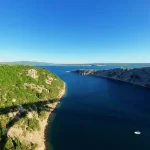
📷 Featured image by Vladan Raznatovic on Unsplash.