On this page
- What Kind of City Is Ruse?
- Best Neighborhoods in Ruse
- Top Attractions and Highlights
- Where to Eat and Drink in Ruse
- Getting Around Ruse
- Day Trips from Ruse
- Nightlife and Evening Life in Ruse
- Shopping in Ruse
- Where to Stay in Ruse
- Best Time to Visit Ruse
- Practical Tips for Visiting Ruse
- Budget Breakdown: What Ruse Costs in 2026
- Frequently Asked Questions
💰 Click here to see Bulgaria Budget Breakdown
💰 Prices updated: October, 2026. Budget figures are estimates — always verify before travel.
Exchange Rate: $1 USD = €0.88
Daily Budget (per person)
Shoestring: €35.00 – €50.00 ($39.77 – $56.82)
Mid-range: €60.00 – €100.00 ($68.18 – $113.64)
Comfortable: €150.00 – €200.00 ($170.45 – $227.27)
Accommodation (per night)
Hostel/guesthouse: €5.00 – €20.00 ($5.68 – $22.73)
Mid-range hotel: €55.00 – €95.00 ($62.50 – $107.95)
Food (per meal)
Budget meal: €7.00 ($7.95)
Mid-range meal: €20.00 ($22.73)
Upscale meal: €60.00 ($68.18)
Transport
Single metro/bus trip: €1.00 ($1.14)
Monthly transport pass: €26.00 ($29.55)
Most travelers passing through northern Bulgaria in 2026 treat Ruse as a border crossing point into Romania — spend an hour, cross the Danube Bridge, done. That is a genuine mistake. Ruse is Bulgaria’s fifth-largest city and arguably its most architecturally striking, with a compact centre that rewards slow walking and a riverside setting that no other Bulgarian city can match. The real pain point for first-timers is simply not knowing what’s here. This guide fixes that.
What Kind of City Is Ruse?
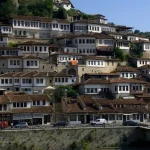
Ruse sits on the southern bank of the Danube, directly across from the Romanian city of Giurgiu. It earned the nickname “Little Vienna” during the 19th century, when Bulgarian merchants and Ottoman administrators commissioned Viennese-trained architects to build palatial neo-Baroque and neo-Renaissance buildings along its main boulevard. Walk down Aleksandrovska Street at dusk, when the warm stone facades catch the last light, and that label makes Complete sense.
But Ruse isn’t frozen in the 19th century. The city has a lively university population, a functioning port economy, and a café culture that feels genuinely Mediterranean in summer. There’s a confidence here that you don’t find in smaller Bulgarian towns — Ruse knows what it is. It’s not trying to copy Sofia or Plovdiv. The Danube defines the city’s rhythm: the morning fog over the water, the slow barges, the fishermen on the embankment before rush hour. It’s a city that rewards people who slow down.
As of 2026, Ruse benefits from Bulgaria’s full Schengen land-border integration, which means crossing to Romania at the Danube Bridge no longer involves the long queues that frustrated travelers before 2024. That has increased cross-border tourist traffic noticeably and pushed the city’s hotel and restaurant scene upmarket.
Best Neighborhoods in Ruse
City Centre (Центъра)
This is where the “Little Vienna” label lives. The area around Svoboda Square and Aleksandrovska Street concentrates the grand architecture, the main museums, the best restaurants, and the pedestrian shopping zone. Staying here means walking to almost everything. It suits first-time visitors, couples, and anyone who wants atmosphere right outside their door.
Riverside / Port Area (Пристанището)
A few blocks north of the centre, the riverside promenade runs along the Danube embankment. This strip has been steadily upgraded since 2022 — new benches, lighting, and a refreshed park area make it genuinely pleasant to walk at night. In summer, several open-air bars and food stalls operate here. The vibe is relaxed and local; you won’t find tourist menus in four languages. Accommodation options are limited in this zone, but it’s within easy walking distance of centre hotels.

Druzhba (Дружба)
A residential district south of the centre, Druzhba is where most locals actually live — panel-block apartments, neighbourhood supermarkets, quieter streets. It suits budget travelers willing to use buses, or anyone staying longer than two or three nights who wants apartment rentals at lower rates. Not atmospheric, but practical and safe.
Top Attractions and Highlights
Pantheon of National Revival Heroes
This is the building that stops people mid-stride on Svoboda Square. Built in 1978 on the ruins of a 19th-century church, the Pantheon holds the remains of notable Bulgarians from the National Revival period, including local hero Baba Tonka and her family. The interior is hushed and dim, with marble floors and stained glass that filters coloured light across the stone. Entry costs 6 BGN (≈3 EUR).
Sexaginta Prista Roman Fortress Museum
Right on the riverbank, this museum sits on the site of a Roman military camp that guarded the Danube frontier. The name means “sixty boats” in Latin — a reference to the river fleet stationed here. The outdoor excavation area and the indoor exhibits covering Roman-era artefacts found along this stretch of the Danube are well-presented and uncrowded. Entry is 6 BGN (≈3 EUR). Give it 45 minutes.
Rusenski Lom Nature Park
Just south of the city, the Rusenski Lom River has carved a series of dramatic gorges through the limestone plateau. The park contains rock-cut medieval monasteries, cave churches with original frescoes, and hiking trails through oak and hornbeam forest. The most accessible section is near the village of Ivanovo, about 20 kilometres from Ruse. This is genuinely spectacular terrain — the kind of place where you round a corner and find a Byzantine fresco painted directly into a cliff face.
Baba Tonka Museum House
The home of Tonka Obretenova — known as Baba Tonka, mother of Bulgarian revolutionaries — has been preserved as a museum in the city centre. The house itself is a fine example of 19th-century Bulgarian urban architecture: low ceilings, heavy wooden beams, rooms arranged around a courtyard. It tells the story of one family’s role in the 1876 April Uprising. Entry is 4 BGN (≈2 EUR).
Regional History Museum
Housed in a beautiful neo-Baroque building on Aleksandrovska Street, this museum covers everything from Thracian burial goods to the city’s 19th-century industrial boom. The Thracian gold section alone is worth the 6 BGN (≈3 EUR) entry. The building itself — with its ornate staircase and painted ceilings — competes with the exhibits for attention.
Where to Eat and Drink in Ruse
Ruse’s best eating and drinking is concentrated in two zones: the pedestrian section of Aleksandrovska Street and the area immediately around Svoboda Square. These aren’t tourist traps — local office workers eat lunch here daily, which keeps standards honest and prices reasonable.
The Central Market Hall (Централна хала), a covered market a short walk from Svoboda Square, is the place to buy local cheese, dried meats, river fish from the Danube, and seasonal produce. Go before 10:00 for the freshest selection. The smell of brined white cheese and smoked sausage hits you at the entrance. Budget 15–25 BGN (≈7.50–12.50 EUR) for a serious market shop.
Along Aleksandrovska Street, several mehana-style restaurants serve grilled meats and salads in interiors with exposed brick and heavy wooden furniture. These are reliable for lunch. For something lighter, the café strip between Svoboda Square and the Pantheon fills up from around 09:00 with locals drinking espresso and eating banitsa — the flaky pastry is often still warm from the oven at this hour, the cheese filling soft and slightly salty.
The riverside area picks up in summer with seasonal food stalls and bar terraces that serve cold Zagorka beer and grilled corn. It’s informal, unhurried, and exactly the right setting for an evening by the Danube. Several newer restaurants opened along the embankment in 2024–2025, offering more polished menus with Danube-caught fish — catfish, carp, and pike-perch prepared simply, usually grilled or baked.
Getting Around Ruse
The city centre is compact enough that most visitors can walk everywhere that matters. From Svoboda Square to the Sexaginta Prista museum is under 10 minutes on foot; from the square to the Pantheon is two minutes. You genuinely don’t need transport for a day of sightseeing within the centre.
Local buses cover the wider city and run regularly from around 05:30 to 22:30. A single ticket costs 1.50 BGN (≈0.75 EUR), bought from the driver. Taxis are cheap by Western European standards — a ride across the city costs 6–10 BGN (≈3–5 EUR). Use the OK Supertrans app or flag a car from the official taxi rank on Svoboda Square to avoid overcharging.

From Sofia: Direct buses run from Sofia Central Bus Station to Ruse, taking approximately 3.5 to 4 hours and costing 25–35 BGN (≈12.50–17.50 EUR) one way. There’s also a train service, though it takes longer (around 5 hours) and the line runs through Gorna Oryahovitsa with a change. For 2026, the Sofia–Ruse bus route has increased frequency on weekends.
From Bucharest: Ruse is 80 kilometres from Bucharest via the Danube Bridge (Friendship Bridge). The crossing is smooth since Schengen land integration — expect 10–20 minutes at the border rather than the old 60–90 minute waits. Regular bus services connect the two cities in about 2 hours for 20–30 BGN (≈10–15 EUR).
Airport: Ruse has a small airport but commercial flights remain limited as of 2026. Most international arrivals use Sofia Airport (330 km) or Bucharest Henri Coandă Airport (80 km), with the latter increasingly popular for budget carriers flying into the region.
Day Trips from Ruse
Ivanovo Rock-Hewn Churches (20 km)
A UNESCO World Heritage Site, these medieval monasteries are carved directly into the limestone cliffs above the Rusenski Lom River. The 14th-century frescoes inside are extraordinary — saints and biblical scenes painted in deep reds and blues, still vivid after 700 years. Accessible by car (30 minutes from Ruse) or by taxi (around 40 BGN/≈20 EUR return with waiting time). Allow 2–3 hours.
Cherven Medieval Fortress (35 km)
One of the most impressive and least-visited medieval fortresses in Bulgaria. Cherven sits on a rocky peninsula above the Cherni Lom River, with towers, walls, and churches spread across an area you can spend two hours exploring. Virtually no crowds even in peak season. Combine with Ivanovo for a full day.
Sveshtari Thracian Tomb (55 km)
Another UNESCO site, the Sveshtari tomb dates from the 3rd century BC and contains remarkable carved caryatid figures — female figures that support the ceiling with raised arms. The site is small but the craftsmanship stops you cold. Access requires a car or organised tour from Ruse. Allow half a day including driving time.
Arbanasi (85 km)
A beautifully preserved National Revival village near Veliko Tarnovo, Arbanasi is reachable in around 90 minutes from Ruse by car. The 17th-century churches here contain some of the most elaborate interior fresco cycles in Bulgaria. Combine with a stop in Veliko Tarnovo for a long day trip.
Nikopol, Bulgaria / Turnu Măgurele, Romania (90 km west)
For travelers interested in Danube landscapes and quieter border towns, the drive west along the Bulgarian bank of the Danube to Nikopol is scenic and unhurried. Nikopol’s Ottoman-era fortress and riverside park make it worth a half-day stop.

Nightlife and Evening Life in Ruse
Ruse doesn’t have Sofia’s clubbing intensity, and that’s actually part of its appeal. The evening scene here is relaxed, sociable, and stretches later than you might expect from a mid-sized provincial city.
The main bar concentration is along and around Aleksandrovska Street and the side streets branching south from Svoboda Square. These fill up from around 21:00 on weekends with a mixed crowd of students and young professionals. Several bars have live music on Thursday and Friday nights — typically Bulgarian folk-influenced rock, jazz, or acoustic sets rather than electronic music.
In summer (June through September), the riverside terraces become the dominant nightlife venue. Tables are set directly on the embankment with views across the Danube to Romania’s lights on the opposite bank. The atmosphere on a warm Saturday night — conversation, cold beer, the slow dark river — is one of Ruse’s genuinely memorable experiences.
The city’s theatre, Sava Ognyanov Drama Theatre on Svoboda Square, runs a full program through the autumn-to-spring season. Check the schedule if you’re visiting between October and May — performances are in Bulgarian but the building itself, an ornate 19th-century structure, is worth seeing from the outside regardless.
Shopping in Ruse
The pedestrian zone along Aleksandrovska Street is Ruse’s main shopping spine. It runs for about 800 metres through the city centre and mixes Bulgarian chain stores with independent boutiques, shoe shops, and pharmacy chains. It’s pleasant to walk without traffic.
Svoboda Square hosts a small outdoor market most mornings where you’ll find seasonal vegetables, honey from local producers, hand-embroidered textiles, and occasionally antique coins and Soviet-era badges. Prices are negotiable on the non-food items.
For something to take home, look for local Danube honey (меден), rose-based products from the Rose Valley (available in gift shops around the centre), and hand-painted pottery from artisan shops near the Regional History Museum. Several shops along the pedestrian zone stock Bulgarian wine — ask for bottles from the Danube wine region (Дунавски район), which produces fuller reds including Cabernet Sauvignon and Gamza.
The mall-style Fantastiko and other chain supermarkets near the bus station are useful for self-catering supplies. For anything craft or artisan, stick to the centre.
Where to Stay in Ruse
Budget (under 60 BGN / ≈30 EUR per night)
Hostel beds and basic guesthouses cluster around the bus station and in the Druzhba district. Quality varies — read recent reviews carefully for 2026 listings. The trade-off is a 10–15 minute bus ride to the centre. Expect to pay 35–55 BGN (≈17–27 EUR) for a private room in a guesthouse.

Mid-Range (60–150 BGN / ≈30–75 EUR per night)
This tier has the strongest options in Ruse. Several three-star hotels sit right on or near Aleksandrovska Street and Svoboda Square, putting you within walking distance of everything. Rooms are clean, breakfasts are substantial, and staff at the better properties speak English well. Expect 80–130 BGN (≈40–65 EUR) for a double room with breakfast.
Comfortable (150 BGN+ / ≈75 EUR+ per night)
Ruse’s top-end options in 2026 include renovated boutique hotels in historic centre buildings. Some have rooftop terraces with Danube views; others occupy beautifully restored 19th-century townhouses with original architectural details. Prices for the best rooms run 150–220 BGN (≈75–110 EUR) per night.
Best Time to Visit Ruse
Late spring (May and early June) and early autumn (September and October) are the strongest windows. Temperatures sit between 18°C and 26°C, the Danube is at a photogenic level, and the city’s outdoor café culture is in full swing without the 35°C heat that arrives in July and August.
Summer (July–August) brings high temperatures — Ruse regularly hits 35°C in the Danube plain, occasionally more. The riverside terraces and outdoor spaces compensate somewhat, but sightseeing comfort suffers. This is also peak season, so hotel rates are higher.
Winter is cold and occasionally foggy along the Danube — temperatures drop to -5°C or lower in January and February. Crowds disappear entirely, hotel rates drop significantly, and the city’s café interiors and museum scene become more appealing. The Ruse Opera runs its full season in winter, and the Christmas market on Svoboda Square runs through December.
The Ruse March Music Days festival (Мартенски музикални дни), held annually in March and April, is one of Bulgaria’s oldest classical music festivals and draws performers from across Europe. If you’re a classical music fan, this is worth timing your visit around.
Practical Tips for Visiting Ruse
Safety: Ruse is a safe city by any European measure. Petty theft exists around the bus station and busy market areas — keep bags closed and phones out of back pockets. No specific areas to avoid for typical tourists.
Language: Bulgarian is the official language. English is spoken confidently by younger locals, hotel staff, and restaurant workers in the centre. Outside the centre, Russian is sometimes more useful as a fallback than English among older residents.

Tipping: Leave 10% in restaurants if service was good — rounding up to the nearest 10 BGN is the standard local approach. Taxi drivers don’t expect tips but appreciate rounding up the fare.
SIM Cards: A local SIM from A1, Yettel, or Vivacom (all with stores in Ruse centre) costs around 15–20 BGN (≈7.50–10 EUR) for 10GB of data valid for 30 days. Buy at any operator store with your passport. EU roaming applies for EU citizens without extra charge.
Cash: Bulgaria uses the Bulgarian lev (BGN), pegged to the Euro at 1.956 BGN = 1 EUR. Bulgaria is expected to adopt the Euro in 2026 — check current status before traveling as this affects cash handling. ATMs are plentiful in the centre. Most restaurants and shops accept cards, but smaller market vendors and some traditional mehanas prefer cash.
Water: Tap water in Ruse is safe to drink. No need to buy bottled water.
Budget Breakdown: What Ruse Costs in 2026
Ruse is noticeably cheaper than Sofia or Plovdiv for the same quality of experience. Here’s a realistic daily budget per person:
- Budget traveler (40–70 BGN / ≈20–35 EUR per day): Hostel or basic guesthouse (35–50 BGN), lunch at a market or fast-food mehana (8–12 BGN), dinner at a mid-range restaurant splitting the bill (15–20 BGN), public transport (3 BGN), one museum entry (6 BGN).
- Mid-range traveler (120–180 BGN / ≈60–90 EUR per day): Three-star central hotel with breakfast included (100–130 BGN), lunch at a riverside café (20–25 BGN), dinner with wine at a quality restaurant (40–55 BGN), taxis as needed (10–15 BGN), combined museum ticket spread over the stay.
- Comfortable traveler (220–350 BGN / ≈110–175 EUR per day): Boutique hotel in a historic building (160–220 BGN), sit-down lunches with wine (40–60 BGN), evening dinners at the best restaurants in the centre (70–100 BGN), private transfers and day trips by hired car (60–100 BGN for a full day).
Museum entries across Ruse are uniformly cheap — even visiting all five major sites in a day costs under 30 BGN (≈15 EUR) without the combined ticket. Day trips add cost primarily through transport: a taxi to Ivanovo and back is around 40–50 BGN (≈20–25 EUR), while hiring a car for a full day costs 60–90 BGN (≈30–45 EUR) from local rental agencies.
Frequently Asked Questions
Is Ruse worth visiting for just one day?
Yes, one full day is enough to see the main city sights — the Pantheon, Sexaginta Prista, the Aleksandrovska Street architecture, and a riverside walk. Two days lets you add a day trip to Ivanovo or Cherven. If you’re passing through en route to Romania, even half a day in the centre reveals what makes Ruse genuinely different from other Bulgarian cities.

Is Ruse safe for solo travelers?
Ruse is safe for solo travelers including solo women. The city centre is well-lit, populated in the evenings, and has no areas requiring particular caution for tourists. The usual urban precautions apply near the bus station. Local people are generally helpful if approached for directions or assistance.
What is Ruse famous for?
Ruse is most famous for its 19th-century neo-Baroque architecture — the “Little Vienna” streetscape along Aleksandrovska Street and around Svoboda Square. It’s also known for its Danube setting, the Rusenski Lom rock churches at Ivanovo, and as the birthplace of Nobel Prize-winning author Elias Canetti, who was born here in 1905.
Explore more
Eating Out in Ruse: Essential Guide for Travelers
📷 Featured image by Max Kukurudziak on Unsplash.