On this page
- Why September Hits Different for Wine Lovers in Bulgaria
- The Main Wine Regions to Visit During Harvest
- What Actually Happens During a Harvest Visit
- Thracian Valley: The Heart of Bulgarian Red Wine Country
- The Black Sea Wine Coast: Harvest with a View
- 2026 Budget Reality: What a Wine Harvest Trip Actually Costs
- Practical Planning: Getting There, Getting Around, Staying Put
- Frequently Asked Questions
Why September Hits Different for Wine Lovers in Bulgaria
September 2026 is shaping up to be one of the most compelling months to visit Bulgaria, and not because of some new tourism campaign. The crowds from August have gone home, temperatures drop to something genuinely pleasant — think 22–26°C in the lowlands — and across the wine-producing south and east, the grape harvest begins in earnest. If you have been putting off a trip to Bulgaria because summer felt too hot and too busy, this is the window you were waiting for.
The honest challenge in 2026 is logistics. Bulgaria’s wine regions are spread across the country and public transport between them is limited. Most serious harvest experiences require a car or a booked tour. This article is built around helping you make the most of September without wasting days figuring that out on the ground.
The Main Wine Regions to Visit During Harvest
Bulgaria divides its wine production into several established regions, each with a distinct character. For harvest tourism, three are worth your attention in September:
- Thracian Valley (Тракийска низина) — the large agricultural plain between the Balkan Mountains and the Rhodopes, centred around Plovdiv and Stara Zagora. This is where Bulgaria’s most commercially significant red wines come from, particularly Mavrud and Merlot.
- Black Sea Wine Region — the coastal strip around Pomorie, Obzor, and the Burgas hinterland. Whites and rosés dominate here, and harvest timing often runs slightly earlier in the season due to the maritime climate.
- Struma Valley (Струмешница) — a smaller, warmer sub-region in southwestern Bulgaria near Sandanski, known for Shiroka Melnishka Loza, the grape variety found nowhere else on earth. Harvest here is a more intimate, local affair.
Each region rewards a different kind of traveller. The Thracian Valley suits those who want scale and variety. The Black Sea coast suits people combining wine with coastal scenery. Struma Valley suits anyone willing to go slightly off the well-worn path.
What Actually Happens During a Harvest Visit
A Bulgarian wine harvest visit is not a curated festival in the way that, say, Bordeaux runs its open château weekends. Some wineries do organise formal harvest events, but the more common experience is a direct visit to a working winery during the pressing season, where the atmosphere is less polished and considerably more real.
Walk into a mid-sized Thracian winery in mid-September and the smell hits you before anything else — the sharp, yeasty sweetness of freshly crushed grapes fermenting in large open tanks, cut through with the cool air from the barrel room. Workers move quickly. Tractors come and go from the vineyard. If you have arranged a visit in advance, someone will almost certainly sit you down with a glass of last year’s reserve and walk you through what is happening that day.

Many wineries offer harvest participation — you can spend a morning picking alongside the seasonal workers. This is physical work in warm sun, but it is also one of the more grounding travel experiences available in Bulgaria. You will share water breaks and basic food with people who do this every year, and you will understand the wine on your dinner table differently afterwards.
For those who prefer observation to participation, most established wineries offer harvest-season tasting sessions with cellar tours. These are usually bookable directly through the winery’s website or by phone. English is spoken at the larger, export-oriented producers.
Thracian Valley: The Heart of Bulgarian Red Wine Country
Plovdiv is the natural base for exploring the Thracian wine country, and it is a city that earns its place on the itinerary independently of wine. The old town’s cobbled streets and National Revival architecture are genuine, not a recreation. The café scene along the main boulevard is lively without being exhausting. In September, the heat has softened and the light in the evening turns amber over the Rhodope foothills — the kind of light that makes every outdoor dinner table feel like the right choice.
From Plovdiv, the wine villages fan out in multiple directions. The area around Brestovitsa, Perushtitsa, and Stambolovo hosts several well-regarded family wineries alongside the larger commercial operations. Mavrud, Bulgaria’s most distinctively local red grape, produces wines here that are tannic, dark, and age-worthy. Tasting a young Mavrud alongside a barrel-aged version at the same winery in harvest season gives you a master class in what the grape can become.
The village of Perushtitsa has been producing wine since at least the 19th century, and some of the older wineries there still press using methods that have changed very little. Combine a morning vineyard visit with lunch at a local mehana (traditional tavern) serving kavarma — a slow-cooked meat stew that pairs with the region’s wines in a way that feels entirely natural.

The Black Sea Wine Coast: Harvest with a View
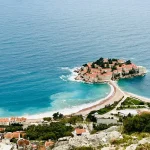
The Black Sea wine region does not get the attention of the Thracian Valley, but September on the coast has its own logic. The summer tourist crush has cleared, the sea is still warm enough to swim (typically 21–23°C in early September), and the vineyards on the low hills behind the shoreline are at their most photogenic — heavy with fruit, the leaves just beginning to turn.
The area around Pomorie and the Burgas lakes is the most accessible for wine tourism on the coast. Pomorie itself is an old town on a narrow peninsula with a long winemaking history. Several producers here focus on Dimyat, a crisp local white variety, and on rosés made from Cabernet Sauvignon. These are not wines designed to age for decades — they are wines designed to drink well with grilled fish by the sea, which is exactly what you should be doing with them.
Combining a coastal wine visit with a day on the Burgas salt lakes — a protected wetland area that hosts remarkable bird migration in September — gives you a genuinely varied two or three days without covering huge distances. The contrast between a cellar visit in the morning and watching flamingos and pelicans at sunset is the kind of thing Bulgaria does quietly and without much fanfare.
2026 Budget Reality: What a Wine Harvest Trip Actually Costs
Bulgaria remains one of the most affordable wine destinations in Europe in 2026, though prices have continued to rise moderately from the levels of a few years ago. Here is a realistic breakdown:
Accommodation (per night, double room)
- Budget — Guesthouse or hostel private room: 60–90 BGN (30–45 EUR / 32–49 USD)
- Mid-range — Three-star hotel or boutique guesthouse: 120–180 BGN (60–90 EUR / 65–98 USD)
- Comfortable — Wine tourism estate with rooms or four-star hotel: 200–350 BGN (100–175 EUR / 109–190 USD)
Food and drink
- Lunch at a local mehana (two courses, no alcohol): 20–35 BGN per person (10–17 EUR)
- Dinner at a mid-range restaurant with wine: 45–75 BGN per person (22–37 EUR)
- A bottle of quality Bulgarian wine purchased at the winery: 18–45 BGN (9–22 EUR)
- A winery tasting session (4–6 wines): typically 20–40 BGN per person (10–20 EUR), sometimes complimentary with a purchase

Transport
- Car rental from Sofia or Plovdiv: from 70–100 BGN per day (35–50 EUR) for a small car, excluding fuel
- Organised wine tour from Plovdiv (full day, transport and tastings included): 120–200 BGN per person (60–100 EUR)
A realistic total budget for a five-day harvest-focused trip based in Plovdiv, including accommodation, food, tastings, and day transport, sits at roughly 900–1,400 BGN per person (450–700 EUR) at the mid-range level. That is competitive with almost any comparable wine region in Western Europe.
Practical Planning: Getting There, Getting Around, Staying Put
Plovdiv has its own international airport with seasonal connections from several European cities, and Sofia Airport remains the main entry point for most transatlantic and long-haul travellers. The motorway between Sofia and Plovdiv is fast and well-maintained — roughly 150 kilometres that takes about 90 minutes by car or express bus.
For the wine regions specifically, a rental car is the honest recommendation. Public buses reach the larger towns near wine country, but the wineries themselves are typically several kilometres outside the village centres and not served by regular transport. If you do not want to drive, organised wine tours departing from Plovdiv are the practical alternative and are available from several established local operators.
Staying in Plovdiv gives you easy access to the Thracian Valley while keeping all the city’s restaurants, cafés, and cultural sites available in the evenings. If the Black Sea coast is your focus, Burgas is the logical base. For Struma Valley and Melnik, the small town of Sandanski works well as a base, though accommodation options there are more limited.
September weather across all these regions is stable and warm. Pack layers for vineyard mornings, which can be cool before 9am, and light clothing for afternoons. Rain is possible but rarely prolonged. Mosquitoes are no longer the issue they are in July and August.
Frequently Asked Questions
When exactly does the grape harvest start in Bulgaria in September?
Timing varies by region and variety. In warmer areas like the Struma Valley and the Black Sea coast, early varieties may be harvested from late August into the first week of September. The Thracian Valley’s main red grape varieties — Mavrud, Rubin, and Cabernet Sauvignon — are typically picked through September and sometimes into early October. Local winery websites will usually post harvest updates.
Do I need to book wine tours in advance for September 2026?

Yes. September is the peak month for wine tourism in Bulgaria and the best-known wineries fill their guided visit slots weeks ahead. Contact wineries directly by email or phone rather than relying solely on online booking systems, which do not always reflect true availability.
Is Bulgaria accessible on a Schengen visa in 2026?
Bulgaria has been part of the Schengen Area. Travellers who hold a valid Schengen visa or are from a country whose citizens do not require a Schengen visa should be able to enter Bulgaria without additional documentation. Always verify current entry requirements with your country’s foreign ministry or the Bulgarian embassy before travel, as requirements can change.
What Bulgarian wines should I specifically look for during harvest season?
Focus on the grape varieties unique to Bulgaria: Mavrud from the Thracian Valley, Rubin (a Bulgarian hybrid), Melnik 55 and Shiroka Melnishka Loza from the Struma Valley, and Dimyat white from the Black Sea region. These are wines you cannot easily find outside the country, and harvest season is the ideal time to taste young vintages alongside aged examples at the source.
Can children or non-drinkers enjoy a wine harvest trip to Bulgaria in September?
Genuinely yes. The harvest landscape itself is beautiful, and the agricultural side of the visits — walking vineyards, seeing the pressing process, meeting the people who do the work — is engaging regardless of whether you drink wine. September in the Rhodope foothills and along the Black Sea coast also offers hiking, archaeology, and good food that have nothing to do with the harvest.
Explore more
Savoring Summer: Bulgaria’s Best Traditional Dishes for August 2026
Cooling Down: Bulgaria’s Summer Drinks and Treats for August 2026
Bulgaria’s Rila Monastery: A Spiritual Journey in August 2026