On this page
- Rock Formations That Refuse to Be Described Politely
- The Geology Behind the Drama
- The Fortress — Three Empires, One Cliff
- Walking the Site — Three Routes, Very Different Experiences
- The Town of Belogradchik — Small, Functional, Genuine
- Day Trip or Overnight?
- 2026 Budget Reality
- Practical Tips for Getting It Right
- Frequently Asked Questions
💰 Click here to see Bulgaria Budget Breakdown
💰 Prices updated: August, 2026. Budget figures are estimates — always verify before travel.
Exchange Rate: $1 USD = €0.86
Daily Budget (per person)
Shoestring: €35.00 – €50.00 ($40.70 – $58.14)
Mid-range: €60.00 – €100.00 ($69.77 – $116.28)
Comfortable: €150.00 – €200.00 ($174.42 – $232.56)
Accommodation (per night)
Hostel/guesthouse: €5.00 – €20.00 ($5.81 – $23.26)
Mid-range hotel: €55.00 – €95.00 ($63.95 – $110.47)
Food (per meal)
Budget meal: €12.00 ($13.95)
Mid-range meal: €25.00 ($29.07)
Upscale meal: €60.00 ($69.77)
Transport
Single metro/bus trip: €0.80 ($0.93)
Monthly transport pass: €25.50 ($29.65)
Rock Formations That Refuse to Be Described Politely
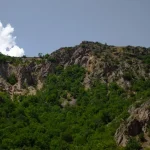
Most people who visit Belogradchik for the first time say the same thing: photos do not prepare you. That is not a cliché — it is a genuine spatial problem. The Belogradchik Rocks are enormous, closely packed, and weirdly human in shape. They rise up to 200 metres from the surrounding plateau in northwestern Bulgaria, and they have been eroding into their current forms for roughly 230 million years. In 2026, with short-haul travel from Western Europe cheaper than ever and Bulgaria fully inside the Schengen Area, more visitors are finally making the detour to this corner of the country. The challenge is that most travel guides still treat Belogradchik as a footnote. It is not a footnote.
The Geology Behind the Drama
The rocks are Triassic-era red and yellow sandstone and conglomerate, shaped by a combination of tectonic uplift and millions of years of wind and water erosion. The iron oxide content is what gives them that deep rust-red and amber colour — the shade shifts noticeably depending on the time of day. At midday under hard summer sun, they look almost orange. At dusk they go dark crimson, and for about fifteen minutes after sunset, they hold a purple-pink tint that genuinely stops conversation.
What makes Belogradchik different from similar formations in, say, the American Southwest or Cappadocia in Turkey is the density. The rocks are not spread across a wide landscape — they are compressed into a relatively small area, grouped in clusters with narrow passages between them. This creates an enclosed, almost theatrical atmosphere. You are not looking at them from a distance. You walk between them, and they loom on both sides.
The clusters have names that Bulgarians have used for centuries: The Schoolgirl, The Monks, The Bear, Adam and Eve. Some require imagination; others are startlingly accurate. The naming tradition reflects how deeply these rocks have been woven into local folklore — there are legends for almost every major formation, mostly involving monks, love affairs, and divine punishment, which covers a lot of ground.
The Fortress — Three Empires, One Cliff

The Belogradchik Fortress — locally called Kaleto — sits directly inside and on top of several of the largest rock groups. That is not a metaphor. The Romans began construction here in the 2nd and 3rd centuries AD, using the natural rock walls as part of the fortification. The Byzantines expanded it, and the Ottomans rebuilt it significantly between the 17th and 19th centuries. What you see today is primarily Ottoman-era stonework integrated with older Roman foundations, all of it built against and between the sandstone towers.
The fortress has three interconnected yards, called courtyard one, two, and three locally. Courtyard one is at the entrance and has the ticket office and a small display area. Courtyard two contains the best-preserved wall sections and gives you the first sense of how tightly the fortifications were wedged between the rocks. Courtyard three is the highest, and climbing to it rewards you with a panoramic view over the town below and the surrounding Balkan foothills. The rocks themselves form the walls in several sections — the builders simply incorporated them.
The interior is not a museum in the conventional sense. There are some information panels in Bulgarian and English, but the experience is primarily architectural and visual. Allow 45 minutes to an hour to walk through all three courtyards properly. The paving is uneven in places — worn stone and compacted earth — so shoes with grip matter more than people expect.
Walking the Site — Three Routes, Very Different Experiences
The main visitor area has three marked walking routes. Understanding which is which saves time and avoids the frustration of ending up on a path that goes somewhere you did not intend.
- Route 1 — The Fortress Loop (1.2 km, approximately 1 hour): Starts at the main entrance near the ticket office and takes you through the fortress courtyards and along the base of the largest rock groups. This is the most visited route and is largely paved or on compacted gravel. Suitable for most fitness levels, though there are steps.
- Route 2 — The Rock Panorama Trail (2.8 km, approximately 1.5–2 hours): Extends beyond the fortress and climbs to a ridge that gives you an overhead perspective of the rock clusters. The terrain here is rougher — loose stone on some sections, and one short scramble. The view from the top is worth the effort. This route is less crowded even in peak summer.
- Route 3 — The Forest Extension (4.5 km, approximately 2.5 hours round trip): Continues beyond the rock formations into the surrounding forest. Quieter, shadier, and good for anyone who wants to combine the geological spectacle with a proper walk. Marked with yellow trail signs.

The air up on Route 2 smells of warm pine resin in summer, and the only sounds you are likely to hear beyond the rock zone are birds and, occasionally, the distant bells from livestock on the plateau above. The contrast with the crowded fortress entrance is significant.
The Town of Belogradchik — Small, Functional, Genuine
Belogradchik town has a population of around 4,000. It is not a polished tourist village — it is a working small town that happens to sit next to something extraordinary. That is part of its appeal. The main street has a handful of restaurants, a couple of cafés, a small municipal museum, and the kind of hardware shop and pharmacy that remind you this is a real place.
For food, Raiski Kut (Heavenly Corner) restaurant near the fortress entrance is the most reliable option — it has been serving traditional Bulgarian dishes for years and keeps consistent quality. Expect shopska salad, grilled meats, and kavarma (clay pot stew) for 10–18 BGN (€5–9) per main course. Cafe Bar Kaleto, a five-minute walk down the main street, works well for coffee and a banitsa in the morning — the pastry comes out of the oven around 7:30 AM and the cheese filling is properly salty, the way it should be.
For accommodation, Hotel Montaна and Guest House Ledenika (which also has a location in Belogradchik) offer the most reliable mid-range options. Several private rooms and small family guesthouses have opened since 2024, driven by the increase in domestic tourism.
Day Trip or Overnight?
The honest answer depends on where you are coming from.
From Vidin (55 km, about 1 hour by car): A day trip works perfectly. Vidin is the natural base for northwestern Bulgaria, and the drive follows a decent regional road through rolling countryside. There are bus connections — one or two departures daily — but renting a car or joining a small group tour from Vidin is more practical.
From Sofia (183 km, approximately 2.5–3 hours by car): Technically doable as a day trip, but it makes for a rushed experience. Leaving Sofia before 7 AM, spending four or five hours at the site, and returning the same day leaves little room for the longer trails or a relaxed lunch. Staying one night in Belogradchik or in Vidin makes the journey feel proportionate to the destination.

From Vratsa (120 km, approximately 1.5–2 hours): Vratsa is the other nearby base worth considering, especially if you are combining Belogradchik with the Vratsa Gorge. A two-night circuit covering both sites is a logical and underused itinerary.
There is no direct train to Belogradchik. The nearest rail station is in Vidin, on the line from Sofia. The Sofia–Vidin journey takes approximately 3.5–4 hours by fast train in 2026, with two or three daily services.
2026 Budget Reality
Belogradchik is one of the more affordable major natural sites in Bulgaria. Prices have risen modestly since 2024 but remain very reasonable by European standards.
- Fortress/Rock complex entry (2026): 8 BGN (€4 / ~$4.30) for adults, 4 BGN for children. Combined tickets for the fortress and the local museum are available for 12 BGN.
- Guided tour (Bulgarian or English, 1.5 hours): 25–35 BGN per person through the local tourist information centre, or around 80–100 BGN for a private group.
Accommodation
- Budget (private rooms, basic guesthouses): 40–60 BGN per night (€20–30)
- Mid-range (small hotels, guesthouses with breakfast): 80–120 BGN per night (€40–60)
- Comfortable (best available locally, en-suite rooms, parking): 140–180 BGN per night (€70–90)
Food and Drink
- Budget (bakery breakfast, simple lunch): 15–25 BGN per day
- Mid-range (sit-down meals, coffee, one beer): 35–55 BGN per day
- Comfortable (restaurant dinner with wine, full meals): 60–85 BGN per day
Practical Tips for Getting It Right
Best season: May, June, September, and early October give the most balanced conditions — warm enough to be comfortable on the trails, not so hot that the exposed rock sections become punishing. July and August are the busiest months, with coach tours from Vidin and Sofia arriving on weekends. Winter visits are possible and strikingly atmospheric — snow on red sandstone is visually remarkable — but some trail sections become slippery and the fortress may have reduced hours.
What to wear: Closed-toe shoes with some grip are essential on Route 2 and 3. The fortress itself is manageable in good sandals, but do not arrive in flip-flops and expect to enjoy the longer trails. In summer, bring a hat — the open sections of the site have no shade and the sandstone radiates heat through midday.
Photography: The golden hour windows (just after sunrise and the hour before sunset) produce the most dramatic light on the rock faces. The east-facing formations catch the morning light; the western clusters glow at dusk. Midday light flattens the textures and washes out the colour gradations.
What to skip: The small wax museum near the town centre gets mixed reviews and is not essential if time is limited. The fortress and trail experience should take priority.
Connectivity: Mobile signal is decent in the town and fortress area (major Bulgarian networks — A1, Yettel, Vivacom — all cover the site in 2026). It drops on the extended forest trail sections.
Frequently Asked Questions
How long should I spend at the Belogradchik Rocks and Fortress?
Budget a minimum of two hours for the fortress and the main rock loop. If you want to walk Route 2 or 3, plan for a half-day. Anyone combining the fortress with a proper trail, lunch in town, and the municipal museum should set aside a full day rather than trying to rush through.
Is Belogradchik accessible for visitors with limited mobility?
The first courtyard of the fortress and parts of Route 1 are manageable, but the site overall involves steps, uneven stone surfaces, and inclines. Routes 2 and 3 are not accessible for wheelchair users or those with significant mobility limitations. The town itself is mostly flat and navigable.
Can I visit Belogradchik without a car?
Yes, but it requires planning. There are buses from Vidin — check the current schedule with the Vidin bus station, as services are limited to one or two departures daily. From Sofia, taking the train to Vidin and then a bus or taxi to Belogradchik is the most practical car-free approach. Taxis from Vidin cost approximately 50–70 BGN one way in 2026.
Are the Belogradchik Rocks worth visiting if I have already seen similar formations elsewhere in Europe?
Yes — the integration of the fortress into the rocks is genuinely unusual and has no direct European equivalent. The scale and density of the formations in a small area, combined with the Ottoman fortification built inside them, creates a combination that is architecturally and geologically distinct from other European rock sites.
What other sites can I combine with Belogradchik on a longer trip?
The Magura Cave (30 km west of Belogradchik) is the most obvious pairing — it contains prehistoric paintings and is one of the more impressive cave systems in Bulgaria. Vidin’s Baba Vida medieval fortress and the Vratsa Gorge both work as additions on a two-to-three day northwestern Bulgaria circuit.
📷 Featured image by Elena Rabkina on Unsplash.