💰 Click here to see Bulgaria Budget Breakdown
💰 Prices updated: August, 2026. Budget figures are estimates — always verify before travel.
Exchange Rate: $1 USD = €0.86
Daily Budget (per person)
Shoestring: €35.00 – €50.00 ($40.70 – $58.14)
Mid-range: €60.00 – €100.00 ($69.77 – $116.28)
Comfortable: €150.00 – €200.00 ($174.42 – $232.56)
Accommodation (per night)
Hostel/guesthouse: €5.00 – €20.00 ($5.81 – $23.26)
Mid-range hotel: €55.00 – €95.00 ($63.95 – $110.47)
Food (per meal)
Budget meal: €12.00 ($13.95)
Mid-range meal: €25.00 ($29.07)
Upscale meal: €60.00 ($69.77)
Transport
Single metro/bus trip: €0.80 ($0.93)
Monthly transport pass: €25.50 ($29.65)
Most travellers booking a Burgas trip in 2026 end up in the city centre or near the sea garden. Meden Rudnik rarely appears on the shortlist — and for good reason. It was never built for tourists. But if you’re spending more than a few days in Burgas, visiting someone who lives there, or looking for cheaper accommodation away from the summer crowds, understanding this district can save you time and frustration. Here’s an honest look at what it actually is.
What Kind of Place Is Meden Rudnik?
Meden Rudnik is the largest residential district in Burgas by population. It sits in the southwestern part of the city, roughly 5 to 7 kilometres from the seafront. The name translates loosely as “copper mine” in Bulgarian, a nod to the industrial history of the wider region, though you won’t find mines or heavy industry here today.
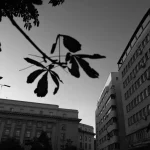
The district is a classic example of Bulgarian socialist-era urban planning. Rows of prefabricated apartment blocks — known locally as panelki — dominate the skyline. They were built fast and in large numbers from the 1960s through the 1980s to house the growing working population of Burgas. Today, those same blocks are home to tens of thousands of residents, many of them long-term families who have lived here for decades.
Walking through Meden Rudnik in the early morning, you hear the district waking up before you see it — the clatter of a metal café shutter rolling up, a bus pulling away from the stop, children heading toward the local school. It’s an urban texture that’s completely absent from the tourist-facing parts of Burgas.
The atmosphere is calm, functional, and very local. There are no historic landmarks, no boutique hotels, no Instagram hotspots. What you get instead is a genuine cross-section of everyday Bulgarian city life. The district is divided into several sub-zones (Meden Rudnik A, B, V, and so on), each with its own cluster of shops, pharmacies, and small eateries. The differences between zones are subtle to a first-time visitor but meaningful to residents.
Getting There and Around
From central Burgas, Meden Rudnik is well connected by public bus. Lines 4, 6, and 15 run regularly between the city centre and various parts of the district, with journey times typically between 15 and 25 minutes depending on traffic and your exact stop. Bus frequency during peak hours is reasonable — usually every 10 to 15 minutes — though late-night service thins out considerably after 22:00.
In 2026, Burgas continues to run its urban bus network through Byala Shose (the municipal transport operator), and tickets are purchased directly from the driver. A single ride costs 1.60 BGN (approximately €0.80 / $0.85). There is no metro in Burgas, and unlike Sofia, no significant tram infrastructure — buses are how the city moves.

Taxis and ride-hailing apps (including the locally popular Bolt, which has maintained a solid presence in Burgas through 2025–2026) can get you from the district to the city centre or Burgas Airport for reasonable fares. A ride to the airport from Meden Rudnik typically runs 18–25 BGN (€9–13) depending on time of day.
Driving into or out of the district is straightforward. The main arterial roads are wide and well-signed. Parking is free and generally available near the residential blocks, which is a practical advantage over the congested city centre during summer.
What to Do in the Area
Meden Rudnik is not a sightseeing destination. That’s not a criticism — it’s just accurate. The appeal here is access to ordinary local infrastructure and a few genuinely pleasant outdoor spaces that most visitors to Burgas never see.
The most significant green space in and around the district is Meden Rudnik Park, a large, partially wooded area on the southwestern edge of the built-up zone. It’s not manicured or heavily signposted — in places the paths are dirt tracks under a canopy of oak and pine — but that’s exactly why locals use it for morning walks, dog exercise, and weekend fresh air away from noise. In spring, the ground cover blooms with wild flowers and the air carries a light resinous scent from the pine section. It’s the kind of place you find because someone who lives nearby shows it to you.
For anything more structured — museums, the sea garden, the beaches at Sarafovo or Kraimorie, the Burgas Lakes walking routes — you’ll need to travel into or beyond the city centre. Meden Rudnik is a base, not an attraction. The Burgas Lakes (Atanasovsko, Mandrensko, Burgasko, and Poda) are ecologically significant and worth a dedicated day; from Meden Rudnik, they are accessible by car or bike in under 20 minutes.
There is a small but functioning network of local sports facilities, including outdoor courts and fitness areas embedded between the residential blocks. These aren’t tourist amenities — they’re neighbourhood infrastructure — but they are open and free to use.
Where to Eat and Drink Like a Local
Meden Rudnik has no restaurant street in any conventional sense, but the district has enough local eating options to sustain a short stay without needing to travel for every meal.
Small mehanas (traditional Bulgarian taverns) and family-run eateries dot the ground floors of several residential blocks, particularly along the main internal roads of zones B and V. These places rarely have websites or social media profiles. You find them by walking — a handwritten menu taped to the window, plastic chairs on a small terrace, the smell of grilled meat and shopska salad dressing cutting through the afternoon air. Lunch here — a main dish, salad, and a drink — will cost you 12–18 BGN (€6–9).
For everyday shopping and quick food, the district has several supermarkets including Lidl and local chain Fantastico. There are also small convenience shops (often family-run) near most bus stops. Bakeries — selling fresh banitsa (the flaky cheese-filled pastry) and bread from early morning — are a practical breakfast option and cost almost nothing: a piece of banitsa runs around 1.20–1.80 BGN (€0.60–0.90).
Coffee culture in the district is functional rather than fashionable. You’ll find small café-bars where espresso is served fast and without fuss, usually for 1.50–2.20 BGN (€0.75–1.10). These are neighbourhood spots where regulars read newspapers and nobody is working on a laptop.
2026 Budget Reality
Meden Rudnik’s appeal to budget-conscious travellers is primarily in accommodation costs. There are no hotels in the district, but private apartment rentals (through Airbnb and Bulgarian platforms like imot.bg for longer stays) are significantly cheaper than equivalent space near the seafront.
- Budget: A basic private room or studio apartment in Meden Rudnik runs 50–75 BGN per night (€25–38 / $27–41). These are typically in older panelki buildings — functional, clean if well-maintained, occasionally dated in fittings.
- Mid-range: A renovated one-bedroom apartment with modern kitchen and reliable WiFi costs 80–120 BGN per night (€40–61 / $43–66). In 2026, this tier has improved noticeably as more owners have upgraded interiors to compete with coastal rentals.
- Comfortable: Larger renovated apartments or newer builds near the park edge reach 130–180 BGN per night (€66–92 / $71–99), which is still cheaper than comparable sea-view accommodation in central Burgas or Pomorie.
Daily food spending in the district is among the lowest in Burgas. A realistic budget for three meals — using local eateries and supermarkets — is 25–40 BGN per day (€13–20). Transport to the city centre and back adds roughly 3.20 BGN (€1.60) for two bus rides.
Who Should — and Shouldn’t — Stay Here
Meden Rudnik makes sense for a specific type of traveller. If you’re visiting family or friends who live in the district, staying nearby is obviously practical. If you’re in Burgas for work — a conference, a business meeting, or an extended project — and you’re managing a tight daily budget, the accommodation savings add up meaningfully over a week.
It also suits travellers who have already done Burgas’ central attractions and want to experience the city without the summer tourist layer. There’s a certain satisfaction in navigating a Bulgarian neighbourhood that wasn’t designed with you in mind.
Who shouldn’t base themselves here: first-time visitors to Burgas with limited time, anyone who wants easy walking access to the beach or the sea garden, families with young children who need beaches and entertainment within easy reach, and anyone for whom the ambience of where they sleep matters as much as the price. The district is genuinely dull to look at — that’s not a bug for everyone, but it is for some.
The honest summary: Meden Rudnik is a legitimate part of Burgas that most tourists will have no reason to visit. The ones who do visit it — deliberately or otherwise — will find a functioning, affordable, and entirely authentic Bulgarian residential district that asks nothing of you except a willingness to be somewhere ordinary.
Frequently Asked Questions
Is Meden Rudnik safe for tourists?
Yes. The district has no elevated crime concerns compared to the rest of Burgas. It’s a residential area with families, working adults, and everyday foot traffic. Standard urban awareness applies — don’t leave valuables visible in parked cars — but there’s nothing about Meden Rudnik that should make a visitor feel unsafe in 2026.
How far is Meden Rudnik from Burgas beach and the sea garden?
By bus, expect 20 to 30 minutes to reach the central beach area or the northern end of the sea garden. By taxi or Bolt, the same journey takes around 10 to 15 minutes. It’s manageable but not walkable — the distance is roughly 6 to 7 kilometres from the heart of the district.
Are there any hotels in Meden Rudnik?
No conventional hotels operate in the district as of 2026. Accommodation is exclusively through private apartment rentals on platforms like Airbnb or local Bulgarian rental sites. Options exist across budget and mid-range price points, and quality has improved as more owners renovate to attract visitors.
What is the best way to get from Meden Rudnik to Burgas Airport?
A taxi or Bolt ride is the most practical option, costing roughly 18 to 25 BGN and taking under 15 minutes. Public bus connections to the airport exist but require transfers through the city centre, adding time and inconvenience. For early morning flights, pre-booking a taxi the night before is sensible.
Is Meden Rudnik worth visiting as a day trip from central Burgas?
Only if you have a specific reason — visiting someone, exploring local markets, or genuinely curious about everyday Bulgarian urban life outside tourist zones. As a standalone day-trip destination, it offers no landmarks or attractions that justify the journey. The nearby Burgas Lakes are a far more rewarding excursion from the city centre.
Explore more
Burgas Airport to City Center: Your Complete Transport Guide
Is Burgas Safe for Tourists? Your Essential Guide to Security
Where to Stay in Burgas: A Guide to the City’s Best Neighborhoods
📷 Featured image by Ivan Dimitrov on Unsplash.