On this page
- Why Veliko Tarnovo Rewards Curious Travellers
- Neighbourhoods Most Visitors Walk Right Past
- Quiet Sights Beyond Tsarevets Fortress
- Where Locals Eat and Drink Coffee
- Getting Around Without a Car
- Day Trips That Skip the Crowds
- After Dark: Bars, Student Haunts, and Night Views
- Shopping for Handmade, Not Souvenirs
- Where to Sleep by Budget
- Best Time to Visit
- Practical Tips for 2026
- 2026 Budget Breakdown
- Frequently Asked Questions
Most visitors in 2026 still treat Veliko Tarnovo as a three-hour stop: Tsarevets Fortress, a photo of the Yantra River bends, and back on the bus. With Bulgaria now using the euro and prices rising in the busiest tourist spots, that rushed approach costs more and shows you less. The real town sits just off the main viewpoints, in stairways, workshops, hillside churches, and canyon trails that tour groups never reach. This guide shows you where to find them.
Why Veliko Tarnovo Rewards Curious Travellers
Veliko Tarnovo was the capital of the Second Bulgarian Empire from 1185 to 1396, and the town still feels like it was built to be defended. Houses cling to cliffs above the Yantra River. Streets switch from cobbles to stairs without warning. Balconies hang over drops that would worry a nervous parent.
The town is also a university city. Students from the local university fill its cafés and give it a younger, quicker energy than most Bulgarian heritage towns.
The “hidden gems” here are not secret in the sense that nobody knows about them. They are simply a ten-minute walk further than most people go. A hillside covered in ruined churches, a potter who lets you try the wheel, a monastery with a view that rivals the fortress: all of them are within reach of the old town.
Neighbourhoods Most Visitors Walk Right Past
Asenova Mahala
This is the oldest residential quarter, at the foot of Tsarevets along the river. It holds the Church of St Dimitar of Thessaloniki, where the 1185 uprising against Byzantine rule is said to have begun. The lanes are quiet and the mood is closer to a village than a city. It suits travellers who want to wake up to roosters and church bells, not traffic.
Varosha and the Gurko Street Area
Gurko Street is the one most photographed, with its Revival-era houses stacked like drawers over the river. Walk it early, before 9:00, and you will have it nearly to yourself. The streets behind it, up toward the old craft workshops, are where residents still hang laundry and chat from windows. It suits couples and photographers.
Sveta Gora Hillside
This is the student district. It is practical, cheaper, and full of small cafés, bakeries, and kebab counters. You will not find much medieval charm, but you will find a very local daily rhythm and the best value for money. It suits budget travellers and anyone who wants to eat like a student.
Trapezitsa and the Opposite Bank
Across the river from Tsarevets, Trapezitsa Hill was the noble district of the medieval capital. It is far less visited than the fortress and much quieter. It suits walkers who want ruins without crowds.
Quiet Sights Beyond Tsarevets Fortress
Tsarevets deserves your time, but it should not be your only stop. Here is what rewards you once you move off the main trail.
- Trapezitsa Hill: Archaeologists have found the foundations of more than 15 medieval churches here. Wooden walkways and stone steps lead between them. In late afternoon the light turns the stone gold, and you can look across the gorge to Tsarevets with almost no one else around. A small entry fee applies, usually under 10 BGN (about €5).
- Church of St Dimitar of Thessaloniki: A small, calm church in Asenova Mahala with deep historical meaning. Visit in the morning and you may hear a liturgy from inside.
- Sarafkina House: A beautifully preserved 19th-century merchant home, with carved ceilings and period furniture. It is rarely busy, even in summer.
- The Yantra riverside path: Walk the lower banks beneath the old town. You get a different angle on the cliffs, the sound of water over stones, and a feel for how the town defended itself.
- The Sound and Light show: Tsarevets is lit and set to music on selected evenings. Schedules change by season, so check locally. Watch from the Asenevtsi Monument side or from a riverside bench rather than inside the fortress.
Where Locals Eat and Drink Coffee
The terraces with the best views are expensive and mostly cater to tour groups. Locals eat a few streets away. The best food areas are these:
- Samovodska Charshia: This old market street is lined with craft workshops, and several have small cafés and traditional eateries tucked into courtyards. Come at lunch, when the aroma of grilled meat and fresh bread drifts between the stalls.
- Sveta Gora and the university area: Bakeries here open early and sell warm banitsa and sweet pastries for 2–3 BGN (about €1–1.50). Cheap lunch menus run 10–14 BGN (€5–7).
- Stefan Stambolov Boulevard: This main road has restaurants with valley views. Prices are higher, but a few places, such as Shtastlivetsa, are known for good food as well as the setting. Reserve a window table for dinner in summer.
- Small mehanas on the side streets: Look for places with handwritten menus and Bulgarian-only signs. Shopska salad, grilled kebapche, and local wine are reliable, and portions are generous.
- Neighbourhood grocery shops and bakeries: Pick up local cheese, sausage, and seasonal fruit for a picnic on Trapezitsa or the riverside.
For coffee, skip the view cafés and sit in a small place off Gurko Street or near the university. A coffee costs 3–4 BGN (about €1.50–2) and you can stay as long as you like.
Getting Around Without a Car
The old town is compact and best explored on foot, but comfortable shoes are essential. Cobbles are uneven, stairs are steep, and some paths turn slippery after rain.
Arriving: Express buses from Sofia take about 3.5 hours and cost roughly 25–35 BGN (€13–18). The train works differently. The main junction is Gorna Oryahovitsa, about 10 km away, and a connecting train or taxi takes you the rest of the way. For most visitors the bus is simpler. Veliko Tarnovo has no commercial airport, so most people fly into Sofia, Varna, or Bucharest and continue by road.
City buses: Local buses link the bus stations, the old town, and the university district for about 1.50–2 BGN (under €1) per ride. Ask your accommodation which line is best, since stops are not always clearly marked.
Taxis: Short taxi rides within town usually cost 5–10 BGN (€2.50–5). Agree on the meter before getting in, and use a booking app if you prefer fixed prices.
Driving: A car helps for the day trips below, but parking in the old town is tight. Park lower down and walk up. Road works continue on parts of the national network, so allow extra time for long drives in 2026.
Day Trips That Skip the Crowds
Arbanasi (half day)
Only 4 km from town, this village of fortified stone houses is quieter than its reputation suggests, especially on weekday mornings. Visit the Nativity Church, with its dense interior paintings, and the Konstantsaliev House. Take a taxi up (about 10 BGN, €5) and walk back down if your legs are up to it.
Preobrazhenski Monastery (2–3 hours)
About 7 km from town, this 14th-century monastery sits in a forested valley above the Yantra. The murals are unusual and modern in style. The quiet is the main appeal, since you may hear nothing but birds and the creak of the wooden doors.
Nikopolis ad Istrum (half day)
Around 20 km north, this Roman city was founded by Emperor Trajan. It lies in open fields, with excavated streets, a forum, and a few standing walls. Few tourists come, so you can walk the ruins in silence. A car or taxi is the easiest option.
Emen Canyon (full day)
This gorge, roughly 25–30 km from town, has a trail with bridges and ladders over the river, passing small waterfalls and caves. It is cooler than the town in summer. Allow 3–4 hours for the walk, and wear shoes with good grip.
Dryanovo Monastery and Bacho Kiro Cave (full day)
About 40 km away, the monastery stands beside a river in a narrow valley. Nearby, Bacho Kiro Cave offers a guided underground route. Combine both with lunch in the village. Check cave opening times before leaving, since winter hours are shorter.
After Dark: Bars, Student Haunts, and Night Views
Veliko Tarnovo nightlife is relaxed and driven by students. Most bars cluster in the centre and near the university, with a mix of cocktail spots, pubs, and small clubs. The best nights are Thursday to Saturday during term time, when students fill the terraces.
- Centre bars: Cocktail bars and pubs along the main streets offer craft beer, local rakia, and quiet corners for conversation.
- Student venues: Cheap drinks and louder music near the university. A beer costs about 3–5 BGN (€1.50–2.50).
- Live music: Small venues host local bands and acoustic nights, especially in the warmer months. Check posters at the entrance, since many events are advertised only in Bulgarian.
- Viewpoint evenings: The best “nightlife” is often a bottle of wine on a bench facing the lit fortress. Buy a bottle for 12–20 BGN (€6–10) from a shop and take it to the riverside.
Summer festivals sometimes bring open-air concerts and events to the fortress area. Dates change from year to year, so confirm them locally.
Shopping for Handmade, Not Souvenirs
Veliko Tarnovo is one of Bulgaria’s best places to buy handmade goods, if you know where to look.
- Samovodska Charshia: Potters, weavers, woodcarvers, and metalworkers work in small open studios. Ask permission before photographing, and consider buying something small. Ceramics usually cost 15–60 BGN (€8–31), and handwoven textiles cost more.
- Gurko Street and side lanes: A few independent shops sell art, jewellery, and local honey. Prices are fair, and owners often make the goods themselves.
- Local markets: Fresh produce, cheese, and honey are sold in the morning. Take cash and bring a bag.
Skip mass-produced magnets and rose-oil kits sold near the main viewpoints. They are generally imported and overpriced.
Where to Sleep by Budget
Budget (about 35–80 BGN, or €18–41, per night): Hostels and simple guesthouses are concentrated around the centre and Sveta Gora. Expect basic but clean rooms, often with a shared kitchen. This area keeps you close to cheap food and bus stops.
Mid-range (about 120–220 BGN, or €61–112): Family-run boutique hotels in Varosha and near Gurko Street are the best choice here. Many have terraces facing the river or fortress. Book early for summer weekends and look for rooms with a valley view.
Luxury (about 300–600 BGN or more, or €153–306+): Larger hotels on the cliff edge and restored mansions in and around Arbanasi offer spa services, quiet gardens, and wide views. These suit travellers who want comfort and silence rather than nightlife.
Direct booking with small guesthouses can be cheaper than listing sites.
Best Time to Visit
- Spring (April–May): Mild temperatures of 14–22°C, green hills, and few crowds. This is an excellent time for hiking and Trapezitsa.
- Summer (June–August): Hot, often 28–35°C, and the busiest season. Start early, rest at midday, and walk again in the evening.
- Autumn (September–October): Warm days, golden foliage, and harvest season. Many locals consider this the best time of year.
- Winter (December–February): Cold, sometimes below 0°C, with occasional snow. The fortress looks dramatic under frost, but some paths and attractions have limited hours.
For fewer visitors and comfortable weather, aim for late April, May, or late September.
Practical Tips for 2026
- Safety: Veliko Tarnovo is very safe. Watch your step on wet cobbles and in poorly lit lanes at night.
- Tipping: Around 10% is normal in restaurants if service was good. Round up for taxis.
- Language: Younger people and hotel staff speak English. Learn “Blagodarya” (thank you) and “Molya” (please). Bulgarians nod for “no” and shake the head for “yes”, so be careful with gestures.
- SIM cards: Local operators sell prepaid SIMs from around 10–20 BGN (€5–10) with good data. Bring your passport to register one. EU roaming rules apply to EU SIMs.
- Water: Tap water is generally safe to drink, though many visitors prefer bottled for taste.
- Opening hours: Many shops close early on Sundays, and some museums close on Mondays. Small workshops may close for a long lunch.
- Cash and cards: Cards are widely accepted, but carry small euro or lev notes for markets, small cafés, and church donations.
2026 Budget Breakdown
Bulgaria joined the euro on 1 January 2026, at a fixed rate of about 1.96 BGN to €1. Prices in town are shown in both currencies, and the figures below are daily estimates per person, excluding transport to Veliko Tarnovo.
- Budget: 90–120 BGN (about €46–61 / $53–70). Hostel bed, bakery breakfast, cheap lunch menu, simple dinner, local buses, and one small entry fee.
- Mid-range: 220–320 BGN (about €112–164 / $129–188). Boutique hotel room, café breakfast, restaurant lunch and dinner with wine, taxis, and entry fees for two or three sites.
- Comfortable: 450–650 BGN (about €230–332 / $265–380). Upscale hotel or mansion stay, fine dining, private taxi or driver for a day trip, and guided activities.
Typical single prices: coffee 3–4 BGN (€1.50–2), main course 15–30 BGN (€8–15), local beer 3–5 BGN (€1.50–2.50), entry to major sites 6–15 BGN (€3–8).
Frequently Asked Questions
How many days do you need in Veliko Tarnovo?
Two full days is a good minimum. That gives you one day for Tsarevets, the old town, and Samovodska Charshia, and another for Trapezitsa, Arbanasi, or a canyon hike. Three days lets you add a slower day trip and enjoy the evenings without rushing.
Is Veliko Tarnovo worth visiting?
Yes. It combines medieval ruins, a dramatic river gorge, active craft workshops, and a lively student atmosphere. It is also easy to explore on foot and costs less than many European heritage towns. It works well as a stop between Sofia and the Black Sea coast.
How do you get from Sofia to Veliko Tarnovo?
The bus is the easiest option. It takes about 3.5 hours and costs roughly 25–35 BGN (€13–18). Trains go via Gorna Oryahovitsa and take longer, with a connection needed. Driving takes around 3 hours, depending on traffic and road works.
What is the best way to see Veliko Tarnovo’s hidden gems?
Walk early, before the tour groups arrive, and head for places beyond the fortress: Trapezitsa Hill, Asenova Mahala, and the riverside paths. Add Preobrazhenski Monastery or Emen Canyon for a quieter day. Hire a taxi or car for the countryside sites.
Is Veliko Tarnovo expensive in 2026?
No, it remains affordable by European standards. Budget travellers can manage on about 90–120 BGN (€46–61) a day, and mid-range visitors on 220–320 BGN (€112–164). Prices have risen slightly since the euro changeover, mostly at viewpoint restaurants, so eating a few streets away saves money.
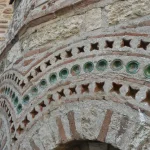
📷 Featured image by Kostiantyn Li on Unsplash.