On this page
- Why the Rhodopes Feel Different
- Best Trails in the Western Rhodopes
- Eastern Rhodopes: Rock Cities and Vultures
- Villages Worth Basing Yourself In
- What to Eat and Where
- Getting There and Getting Around
- Day Trip or Overnight?
- 2026 Budget Reality
- Season, Safety, and Navigation
- Frequently Asked Questions
💰 Click here to see Bulgaria Budget Breakdown
💰 Prices updated: November, 2026. Budget figures are estimates — always verify before travel.
Exchange Rate: $1 USD = €0.90
Daily Budget (per person)
Shoestring: €30.00 – €50.00 ($33.48 – $55.80)
Mid-range: €60.00 – €100.00 ($66.96 – $111.59)
Comfortable: €150.00 – €250.00 ($167.39 – $278.99)
Accommodation (per night)
Hostel/guesthouse: €10.00 – €25.00 ($11.16 – $27.90)
Mid-range hotel: €45.00 – €95.00 ($50.22 – $106.01)
Food (per meal)
Budget meal: €8.00 ($8.93)
Mid-range meal: €20.00 ($22.32)
Upscale meal: €50.00 ($55.80)
Transport
Single metro/bus trip: €0.80 ($0.89)
Monthly transport pass: €25.50 ($28.46)
Rila and Pirin get busier every summer, and their trailhead parking, hut beds, and resort prices now reflect it. Add the confusion of dual BGN and euro price tags since Bulgaria joined the eurozone on 1 January 2026, and planning a hiking trip can feel stressful. The Rhodope Mountains offer the opposite: rounded green ridges, stone villages, and trails where you may meet only a shepherd and his dogs.
Why the Rhodopes Feel Different
The Rhodopes stretch across southern Bulgaria and into Greece. They are not jagged like Pirin. Think long forested ridges, deep river gorges, limestone caves, and meadows that turn gold in September. Pine and spruce cover the western slopes, and the air smells of resin and woodsmoke from village chimneys. Most hikes are moderate, so you do not need technical gear. What you do need is patience with trail markings, which can fade between villages.
Best Trails in the Western Rhodopes
Perelik and the Pamporovo Ridges
At 2,191 m, Golyam Perelik is the highest peak in the Bulgarian Rhodopes. Hikes start around the Pamporovo and Smolyan area and cross open alpine meadows. Expect a full day with steady climbing but no scrambling. The views reach far into Greece on a clear morning. Pamporovo is quiet in summer, so the trails feel peaceful.
Trigrad Gorge and Yagodina
Trigrad Gorge is a narrow limestone canyon where the river vanishes into the Devil’s Throat Cave. Standing at the entrance, you hear the water roar before you see it. Combine the gorge walk with a half-day route toward Yagodina, home to one of Bulgaria’s best-known caves. Cave entry runs about 10–15 BGN (€5–8) depending on the site.
The Wonderful Bridges
These two natural marble arches sit at about 1,450 m. The larger spans roughly 96 m. It is a short walk from the parking area, which suits families and rest days between longer routes. Go early to have the viewpoint to yourself.
Eastern Rhodopes: Rock Cities and Vultures
The east is drier, lower, and wilder. Around Kardzhali, you will find Perperikon, an ancient rock-cut city on a hilltop, and the Stone Mushrooms near Beli Plast. Near Madzharovo, you can watch griffon and Egyptian vultures riding thermals above the Arda River canyon. Walk here in spring and autumn. July heat on exposed slopes can pass 35°C, with little shade.

Villages Worth Basing Yourself In
- Shiroka Laka: The best-preserved Rhodope architecture, with whitewashed stone houses, wooden balconies, and cobbled lanes. It is a hub for folk music and a good starting point for ridge walks.
- Gela: A tiny mountain village known as the home of the Rhodope bagpipe (kaba gaida). It sits in a high, quiet landscape of meadows and forest.
- Momchilovtsi: A small, lively village with meadows, forest paths, and rose-scented yoghurt traditions. Locals will happily point you to a nearby trail.
What to Eat and Where
Rhodope food is hearty, built for cold winters and long hikes. Order patatnik, a crispy grated-potato dish baked with herbs and often served with local sausage. Smolyan beans, sheep cheese, and mountain honey show up on almost every menu. Eat in village guesthouses and family taverns rather than resort restaurants. In Shiroka Laka and Gela, the smell of woodfire and baking bread greets you near the doors of small taverns at lunchtime. A full meal with a drink costs roughly 15–30 BGN (€8–15).
Getting There and Getting Around
From Sofia, take a train to Plovdiv, then a bus to Smolyan from Plovdiv’s Rodopi station (about 2.5 hours, roughly 15–20 BGN or €8–10). Direct Sofia–Smolyan buses take around 4.5–5 hours. The narrow-gauge Rhodope railway from Septemvri to Dobrinishte is slow but scenic, and it runs through Velingrad and Avramovo, one of the highest stations in the Balkans.
Villages are far apart, and local buses are infrequent, especially at weekends. A rental car from Plovdiv gives the most freedom. Roads are generally in good shape in 2026, but mountain roads are narrow and winding. Taxis from Smolyan to nearby villages typically run 20–40 BGN (€10–20).
Day Trip or Overnight?
Do not try the Rhodopes as a day trip from Sofia. The travel time is too long. From Plovdiv, you can manage a quick visit to Bachkovo Monastery or Perperikon. For real hiking, stay at least two nights in Smolyan or Shiroka Laka. Three nights lets you cover Trigrad, Perelik, and one village ridge walk without rushing. Staying overnight also gets you the evening quiet, when stars appear over the hills and the only sound is a dog barking down the valley.
2026 Budget Reality
- Budget: 90–140 BGN (€46–72) per day. Guesthouse room or hostel bed (50–80 BGN), tavern meals, local buses.
- Mid-range: 180–280 BGN (€92–143) per day. Private guesthouse room (100–170 BGN), two sit-down meals, occasional taxi, cave entry.
- Comfortable: 350–550 BGN (€179–281) per day. Boutique hotel or spa stay, rental car, guided hike (typically 120–200 BGN per person).

Prices are now shown in both BGN and euros. The fixed rate is 1.95583 BGN per €1, so converting is easy.
Season, Safety, and Navigation
Late May to early October is the best window for the west. Snow can linger above 1,800 m into April. Summer afternoons bring thunderstorms, so start early. Carry a rain layer even on sunny mornings. Shepherd dogs can be aggressive near flocks. Stay calm, keep your distance, and never run. In an emergency, call 112, which works across Bulgaria and the EU.
Frequently Asked Questions
How many days do you need to hike in the Rhodope Mountains?
Three days is a good minimum. That gives you time for a Perelik summit day, Trigrad Gorge, and a village-to-village ridge walk. If you also want the Eastern Rhodopes, add two more days, since the drive from Smolyan to Kardzhali takes a couple of hours.
Are the Rhodope Mountains good for beginner hikers?
Yes. The rounded terrain, forest paths, and gentle gradients suit beginners better than Pirin or Rila. Trigrad Gorge, the Wonderful Bridges, and short village walks need little experience. For longer ridge routes, bring offline maps, since markings can be sparse or faded.
What is the best month to hike in the Rhodopes?
June and September are ideal for the Western Rhodopes, with mild temperatures and stable weather. May and October also work at lower altitudes. For the Eastern Rhodopes, choose April–May or September–October, because July and August can be very hot on exposed slopes.
How do I get to Shiroka Laka without a car?
Take a bus or train to Plovdiv, then a bus to Smolyan, which takes about 2.5 hours. From Smolyan, a local bus or short taxi ride reaches Shiroka Laka. Services are less frequent at weekends, so check times the day before.
Is hiking in the Rhodopes safe in 2026?
Generally yes. Main risks are weather changes, faded trail markers, and loose shepherd dogs. Start early, carry offline maps, tell your guesthouse your route, and keep 112 handy. Avoid exposed ridges during thunderstorms, and keep a distance from livestock.
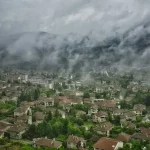
📷 Featured image by Sevcan Alkan on Unsplash.