On this page
- Discovering Plovdiv’s Distinct Neighborhoods
- Exploring Plovdiv’s Roman Archaeological Treasures
- Immersing in Old Town’s Creative Renaissance
- Navigating Plovdiv’s Food Scene
- Mastering Transportation Around Plovdiv
- Exceptional Day Trips from Plovdiv
- Experiencing Plovdiv’s Nightlife and Cultural Scene
- Shopping Districts and Local Crafts
- Choosing Your Plovdiv Accommodation
- Timing Your Plovdiv Visit Perfectly
- Essential Practical Tips for Plovdiv
- Budget Planning for Your Plovdiv Adventure
- Frequently Asked Questions
Plovdiv in 2026 presents a fascinating puzzle: how do you experience a city where 2,000-year-old Roman ruins sit alongside cutting-edge art galleries, and ancient cobblestone streets lead to hipster coffee roasters? Bulgaria’s second-largest city has mastered this balance, creating Europe’s most compelling blend of archaeological wonder and contemporary creativity. The challenge isn’t finding things to see—it’s deciding whether to spend your morning exploring Roman mosaics or browsing avant-garde installations.
Discovering Plovdiv’s Distinct Neighborhoods
Plovdiv spreads across seven hills, each area offering a different slice of the city’s layered personality. Understanding these districts helps you navigate between ancient stones and modern studios efficiently.
Old Town (Stariya Grad)
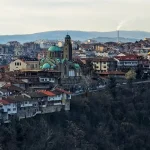
Perched on Nebet Tepe hill, the Old Town feels like stepping into a Bulgarian fairy tale. Nineteenth-century mansions with overhanging upper floors line cobbled streets, their colorful facades hiding boutique hotels and traditional restaurants. The morning light filtering through wooden shutters creates perfect photography conditions, while the gentle clatter of horse-drawn carriages on stone adds an timeless soundtrack.
This UNESCO-protected area suits travelers who prioritize atmosphere over modern conveniences. Expect steep climbs, uneven surfaces, and limited parking. The payoff comes in the form of panoramic city views and the sense of sleeping within a living museum.
Kapana Creative Quarter
Just below the Old Town, Kapana has transformed from a forgotten artisan neighborhood into Bulgaria’s creative heartland. Narrow streets burst with street art, independent galleries, and workshops where you can watch craftspeople at work. The aroma of specialty coffee mingles with paint fumes and the sound of live music spilling from basement venues.
Kapana appeals to younger travelers and anyone seeking Bulgaria’s contemporary culture. The area comes alive after dark, with bars and restaurants staying open later than elsewhere in the city. Accommodation here puts you within walking distance of both Roman ruins and modern galleries.

Central Plovdiv
The pedestrian-only Main Street (Glavnata) connects the train station to the Old Town, passing major Roman sites along the way. This area combines shopping, dining, and sightseeing in an easily walkable corridor. Modern hotels cluster here, offering comfortable bases for exploration without the Old Town’s historic charm or Kapana’s artistic edge.
Central Plovdiv works well for first-time visitors who want easy access to everything. The flat terrain and proximity to transport links make it practical for travelers with mobility concerns or heavy luggage.
Trakiya and Karshiyaka
These residential districts south of the center offer authentic glimpses of daily Bulgarian life. Trakiya features the city’s main shopping mall and business district, while Karshiyaka retains more traditional character with local markets and family-run restaurants. Both areas provide budget accommodation options away from tourist crowds.
Exploring Plovdiv’s Roman Archaeological Treasures
Plovdiv’s Roman heritage spans three centuries of imperial rule, leaving behind some of the Balkans’ best-preserved ancient sites. The city’s archaeological museums have expanded significantly since 2024, with new digital exhibits bringing ancient Philippopolis to life.
Roman Theatre of Philippopolis
Built in the 2nd century AD, this massive amphitheater carved into the southern slope of Dzhambaz Hill remains Plovdiv’s crown jewel. The 28-row structure accommodated 6,000 spectators and still hosts performances today. The theater’s acoustics are so perfect that a whisper from the stage carries clearly to the top rows.
Visit early morning for the best photography light and smaller crowds. The 15 BGN (€7.50) entrance fee includes access to the small museum displaying artifacts found during excavations. Summer evening concerts offer the magical experience of hearing music in the same space where Romans once gathered.

Roman Stadium
Beneath modern Dzhumaya Square lies one of Europe’s largest Roman stadiums. Only the northern section remains visible, but these exposed stone tiers hint at a structure that once seated 30,000 spectators for chariot races and athletic competitions. The contrast between ancient stones and bustling café terraces above creates one of Plovdiv’s most photogenic juxtapositions.
The stadium ruins are free to view from street level, but the 8 BGN (€4) underground tour reveals the gladiator preparation rooms and original drainage systems. Information panels in English explain how this entertainment complex functioned as ancient Philippopolis’s social center.
Regional Archaeological Museum
Housed in a stunning 1881 building, this museum contextualizes Plovdiv’s Roman finds within broader Thracian and Bulgarian history. The Roman collection includes exquisite mosaics, marble sculptures, and everyday items that illuminate ancient city life. The recently added interactive displays let you virtually walk through a Roman villa and participate in ancient religious ceremonies.
Allow 90 minutes for a thorough visit. The 10 BGN (€5) admission includes an English audio guide. The museum shop stocks excellent replicas of Roman jewelry and pottery for authentic souvenirs.
Roman Forum and Odeon
The forum complex beneath the modern city center continues revealing its secrets through ongoing excavations. Visible sections include the odeon (small theater), basilica foundations, and intricate mosaic floors. Archaeological work has accelerated since 2024, with new sections opening to visitors regularly.
Access is currently free during designated hours, though this may change as development continues. The site offers excellent views of how Roman urban planning adapted to Plovdiv’s hilly terrain.
Immersing in Old Town’s Creative Renaissance
Plovdiv’s artistic identity extends far beyond its 2019 European Capital of Culture designation. The Old Town has become a laboratory for contemporary Bulgarian creativity, with galleries and studios occupying historic buildings.

Revival Architecture as Gallery Spaces
Nineteenth-century merchant houses now host some of Bulgaria’s most innovative exhibitions. The Hindlian House combines period rooms with contemporary installations, creating dialogues between past and present. Gallery Philippopolis specializes in local artists reimagining traditional crafts with modern techniques.
The Balabanov House deserves special attention for its rotating exhibitions of Bulgarian contemporary art. The building itself tells stories through its carved wooden ceilings and painted walls, while the artworks challenge visitors to reconsider Bulgarian identity in the 21st century.
Street Art and Murals
Kapana’s walls serve as outdoor galleries where local and international artists create large-scale works. The annual One Dance Week festival (usually held in July) brings street performers and visual artists together, transforming ordinary corners into performance spaces. Walking tours focusing on street art depart daily from the Kapana visitor center.
The Trap Street area features particularly impressive murals that change regularly. Local artists often work during daylight hours, offering chances to watch techniques and ask questions about their inspiration.
Traditional Crafts Workshops
Several Old Town workshops welcome visitors to observe traditional Bulgarian crafts. Pottery studios demonstrate techniques unchanged since medieval times, while jewelry makers work with silver and semi-precious stones from the Rhodope Mountains. Many offer short courses where you can create your own pieces.
The Wood Carving Workshop on Saborna Street provides particularly engaging demonstrations. Master craftsmen explain how they create the intricate patterns seen in Revival-era houses throughout the Old Town.
Navigating Plovdiv’s Food Scene
Plovdiv’s culinary landscape reflects its cultural diversity, with traditional mehanas sharing streets with innovative fusion restaurants. The city’s food scene has evolved considerably since 2024, with new venues emphasizing local Thracian ingredients and ancient recipes reimagined for contemporary tastes.

Old Town Dining
The cobbled streets hide intimate restaurants specializing in traditional Bulgarian cuisine with upscale presentations. Mehana Puldin serves classic dishes in a converted 19th-century cellar, where the stone walls create perfect acoustics for traditional music performances. Their shopska salad uses tomatoes and cucumbers from nearby Thracian Plain farms, dressed with yogurt from local dairies.
Hemingway Bar & Restaurant occupies a restored Revival house with panoramic city views. Their grilled meats showcase regional specialties like Rhodope lamb and Thracian pork, accompanied by wines from the nearby Plovdiv wine region. Expect mains ranging from 25-35 BGN (€12-17).
Kapana Food Culture
The creative quarter buzzes with innovative eateries that reimagine Bulgarian cuisine. Rahat Tepe combines traditional recipes with international techniques, serving dishes like deconstructed banitsa and modern takes on shopska salad. The open kitchen allows diners to watch chefs at work.
For quick bites, Kapana’s street food scene centers around the small squares where vendors sell fresh langidi (flatbread), grilled kebabs, and seasonal specialties. Morning brings the aroma of fresh bread from corner bakeries, while afternoon sees coffee roasters grinding beans for specialty drinks.
Central Plovdiv Markets and Casual Dining
The covered market near Dzhumaya Mosque offers the best introduction to regional ingredients. Local vendors sell Thracian honey, mountain herbs, and seasonal produce. Several stalls prepare fresh sandwiches and salads using market ingredients.
Main Street’s restaurant strip caters to different budgets and tastes. Family-run establishments serve hearty portions at reasonable prices (12-20 BGN/€6-10 for mains), while upscale venues focus on refined presentations of traditional dishes. The pedestrian-only setting creates a pleasant dining atmosphere throughout the day.
Wine and Local Beverages
Plovdiv sits in the heart of Bulgaria’s Thracian wine region, making it an excellent base for exploring local viticulture. Many restaurants offer extensive Bulgarian wine lists, with knowledgeable staff helping navigate regional varieties like Mavrud and Rubin.

The craft beer scene has exploded since 2024, with local breweries like Glarus and Metalhead producing distinctive ales using Rhodope mountain water. Several Kapana bars specialize in Bulgarian craft beers paired with regional cheeses and charcuterie.
Mastering Transportation Around Plovdiv
Plovdiv’s compact size and pedestrian-friendly layout make walking the primary mode of transport for most visitors. However, understanding the city’s transport options helps when covering longer distances or visiting sites outside the center.
Walking Between Districts
The Old Town sits about 100 meters above the modern city center, connected by several routes of varying steepness. The main access road (Saborna Street) offers the gentlest climb but can be crowded with tour groups. The stepped paths provide more direct routes but require good fitness levels and appropriate footwear.
Allow 15-20 minutes to walk from the train station to the Old Town, or 10 minutes to reach Kapana from the center. The Roman Theatre requires a 15-minute uphill walk from Main Street. Comfortable walking shoes are essential, as many areas feature cobblestones or steep inclines.
Public Transportation
Plovdiv’s bus network covers the entire city efficiently, though most tourist sites lie within easy walking distance of each other. Single tickets cost 1.60 BGN (€0.80) and can be purchased from drivers or at kiosks. The bus system has been modernized significantly since 2024, with new electric vehicles serving major routes.
Bus lines 1 and 2 connect the train station to the city center and continue toward the Old Town. Line 7 serves the airport, though most international travelers arrive via Sofia. Digital displays at major stops show real-time arrival information in Bulgarian and English.
Taxis and Ride Services
Licensed taxis use meters and charge reasonable rates (starting at 1 BGN/€0.50, plus 1.20-1.60 BGN per kilometer). Uber and Bolt operate in Plovdiv, often offering slightly lower prices and the convenience of cashless payment. Short rides within the city center typically cost 5-8 BGN (€2.50-4).

Taxi ranks operate near major hotels, the train station, and central squares. Most drivers speak basic English, though having your destination written in Cyrillic can be helpful for clarity.
Arriving and Departing
Plovdiv’s renovated train station connects the city to Sofia (2.5 hours), Burgas (3 hours), and other major Bulgarian destinations. The station sits at the southern end of Main Street, making it an easy walk to most accommodations.
Sofia Airport serves as the primary international gateway, with regular bus services (12 BGN/€6) and trains (15 BGN/€7.50) connecting to Plovdiv. The journey takes approximately 2.5 hours by public transport or 1.5 hours by car. Plovdiv Airport handles limited domestic and charter flights.
Exceptional Day Trips from Plovdiv
Plovdiv’s central location provides access to diverse landscapes and historical sites within a few hours’ travel. These excursions showcase different aspects of Bulgarian culture and natural beauty.
Bachkovo Monastery (30 minutes)
Bulgaria’s second-largest monastery occupies a stunning mountain setting in the Rhodope foothills. Founded in 1083, the complex features remarkable frescoes, peaceful courtyards, and hiking trails leading to hermit caves and natural springs. The monastery’s restaurant serves simple but delicious vegetarian meals prepared by the monks.
Regular buses depart from Plovdiv’s South Bus Station (4 BGN/€2 each way). The journey through villages and forests provides beautiful countryside views. Allow a full day to explore the monastery grounds and walk to the nearby Ayazmoto spring, considered sacred by local Orthodox believers.
Asenova Fortress (45 minutes)
This medieval fortress perches dramatically on a rocky outcrop above the Asenitsa River. Built in the 12th-14th centuries, the ruins offer spectacular views across the Rhodope Mountains and insights into Bulgarian medieval military architecture. The 13th-century Church of the Holy Mother of God contains well-preserved frescoes depicting biblical scenes.

Reaching Asenova Fortress requires a car or organized tour, as public transport is limited. The access road winds through scenic villages where traditional crafts like carpet weaving continue. Combine this trip with visits to nearby Shiroka Laka or other Rhodope villages for a full mountain experience.
Starosel Thracian Complex (1 hour)
This recently excavated Thracian temple complex dates to the 5th century BC, predating Plovdiv’s Roman period by several centuries. The site includes the largest Thracian tomb discovered in Bulgaria, with impressive stone architecture and mysterious religious significance. Interactive displays explain Thracian culture and religious practices.
The complex lies about 50 kilometers northwest of Plovdiv, requiring private transport or organized tours. The surrounding Sredna Gora Mountains provide beautiful scenery, and the nearby village offers traditional restaurants serving regional specialties. This site appeals particularly to visitors interested in pre-Roman Balkan history.
Koprivshtitsa (1.5 hours)
This remarkably preserved 19th-century town played a crucial role in Bulgarian independence movements. The entire settlement functions as an open-air museum, with colorful Revival houses, cobbled streets, and museums dedicated to Bulgarian cultural heroes. The town’s architectural unity creates one of Bulgaria’s most photogenic destinations.
Trains connect Plovdiv to Koprivshtitsa station, followed by a 7-kilometer bus ride to the town center. The journey through mountain valleys provides scenic views and opportunities to observe traditional Bulgarian village life. Plan a full day to visit multiple house-museums and walk the historic streets.
Hisarya Roman Spa Town (1 hour)
The Romans developed this natural hot spring area into a major spa destination, leaving behind impressive ruins including the best-preserved Roman walls in Bulgaria. Modern Hisarya continues the wellness tradition with contemporary spa hotels and mineral water bottling facilities. The archaeological park combines ancient ruins with beautiful gardens.

Regular buses connect Plovdiv to Hisarya (6 BGN/€3 each way). The compact town center makes walking easy, and the mineral springs offer refreshing stops during site exploration. This trip works well as a half-day excursion, particularly for travelers interested in Roman daily life and wellness culture.
Experiencing Plovdiv’s Nightlife and Cultural Scene
Plovdiv after dark reveals a different character, with rooftop bars offering views of illuminated ruins and underground venues hosting live music that echoes through ancient streets. The city’s nightlife scene has expanded significantly since its European Capital of Culture year, attracting performers and party-goers from across the Balkans.
Rooftop Bars and Scenic Drinking
The Old Town’s elevated position creates perfect settings for evening drinks with panoramic views. Pharmacy 2 occupies a converted Revival house with terraces overlooking the Roman Theatre and modern city. Their cocktail menu features Bulgarian spirits like rakia infused with local herbs, while the soundtrack mixes traditional Bulgarian music with contemporary lounge sounds.
Kapana Sky Bar takes advantage of the creative quarter’s artistic atmosphere, with rotating art exhibitions complementing craft cocktails and local wines. The bar’s outdoor terrace provides intimate settings for conversations against the backdrop of illuminated church domes and historic rooflines.
Live Music and Underground Venues
Kapana’s basement venues create intimate spaces for live performances ranging from traditional Bulgarian folk to experimental jazz. The Fargo Jazz Club books local and international acts, with shows typically starting around 21:00. The venue’s stone walls and low ceilings create exceptional acoustics for acoustic performances.
Club Fabric occupies a converted warehouse space featuring electronic music and occasional live bands. The venue attracts younger crowds with DJ sets that often continue until dawn on weekends. Their calendar includes regular events showcasing Bulgarian electronic artists alongside international guests.
Cultural Evening Programs

The Roman Theatre hosts summer evening concerts featuring everything from classical music to contemporary Bulgarian rock. Performances in this 2,000-year-old venue create unforgettable experiences, with the ancient stone amplifying sound across the hillside setting. Tickets range from 20-60 BGN (€10-30) depending on the performance.
Several Old Town venues organize traditional Bulgarian folk performances with live music and dancing. These events often include dinner featuring regional specialties, creating comprehensive cultural experiences. Tourist information centers maintain current schedules for cultural programming throughout the city.
Late-Night Food and Casual Socializing
Plovdiv’s late-night food scene centers around 24-hour bakeries serving fresh banitsa and kebab stands operating until the early morning hours. The area around Dzhumaya Square becomes particularly lively after midnight, with outdoor seating extending the café culture into the late hours.
Many bars in Kapana serve light meals alongside drinks, making it easy to transition from dinner to evening entertainment without changing venues. The pedestrian-only streets create safe, pleasant environments for late-night walking between different establishments.
Shopping Districts and Local Crafts
Plovdiv’s shopping scene reflects its dual identity, offering everything from traditional Bulgarian crafts in Old Town workshops to contemporary fashion in modern boutiques. The city has maintained its artisanal traditions while embracing new retail concepts that emerged strongly after 2024.
Kapana Creative Shopping
The creative quarter hosts dozens of independent shops selling everything from handmade jewelry to vintage clothing. Local designers operate small boutiques featuring contemporary interpretations of traditional Bulgarian motifs. The narrow streets create an treasure-hunt atmosphere where each corner reveals new discoveries.
Several shops specialize in locally-made products using traditional techniques. Pottery studios sell functional ceramics alongside artistic pieces, while textile workshops offer scarves, bags, and clothing featuring regional patterns. Prices remain significantly lower than similar items in Western European cities, making quality handmade goods accessible to most budgets.

Old Town Artisan Workshops
Traditional crafts continue thriving in Old Town workshops where visitors can observe artisans at work and purchase authentic items. Silver jewelry featuring Thracian-inspired designs represents particularly good value, with pieces starting around 30 BGN (€15). Wood carving shops sell everything from small decorative items to furniture using traditional Bulgarian techniques.
The Rose products shops capitalize on Bulgaria’s famous rose oil industry, offering soaps, cosmetics, and perfumes made with Rosa damascena. These items make excellent gifts while supporting traditional Bulgarian industries. Quality varies significantly, so shop at established stores with clear labeling and ingredient lists.
Main Street Shopping Corridor
The pedestrian Main Street features a mix of international brands and Bulgarian retailers. The shopping experience here resembles other European city centers, with familiar names alongside local chains. This area works well for travelers needing specific items like electronics, pharmacy products, or clothing from known brands.
Several bookshops along Main Street stock English-language guides and maps, plus Bulgarian literature in translation. These stores often serve as informal information centers where staff can provide current recommendations for restaurants and attractions.
Markets and Food Shopping
The covered market near Dzhumaya Mosque provides the most authentic shopping experience, with local vendors selling regional products alongside daily necessities. This is the best place to buy Bulgarian honey, herbs, nuts, and other food items to take home. The market operates daily but is busiest on Saturday mornings when rural vendors bring seasonal produce to town.
Several specialty food shops around the city focus on Bulgarian products packaged for travelers. These stores understand customs regulations and can advise on which items travel well. Wine shops offer tastings and expert advice on Bulgarian varietals that aren’t available internationally.
Choosing Your Plovdiv Accommodation
Accommodation choices significantly impact your Plovdiv experience, with each area offering distinct advantages. The city’s accommodation scene has diversified considerably since 2024, with new boutique properties and updated facilities improving options across all budget ranges.
Budget-Friendly Options (40-80 BGN/€20-40 per night)
Hostels cluster in Kapana and central areas, offering dorm beds and private rooms at competitive prices. The Old Town Hostel occupies a converted Revival house with original architectural features and modern amenities. Common areas provide spaces for meeting fellow travelers, while the location puts major attractions within walking distance.
Budget hotels near the train station offer convenient access to public transport while maintaining reasonable rates. These properties typically feature simple but clean rooms with private bathrooms and basic amenities. The area has improved significantly since 2024, with new cafés and restaurants making it more appealing for budget-conscious travelers.
Mid-Range Comfort (80-160 BGN/€40-80 per night)
Boutique hotels in the Old Town provide character accommodations within historic buildings. The Hebros Hotel combines Revival architecture with contemporary comfort, featuring antique furnishings and modern bathrooms. Some rooms offer balconies overlooking the Roman Theatre or city panoramas.
Kapana’s guesthouses appeal to travelers seeking artistic atmosphere with modern amenities. These properties often feature locally-made furnishings and artwork, creating unique environments that reflect the neighborhood’s creative character. Most include breakfast featuring local products and provide recommendations for nearby galleries and performances.
Luxury and Unique Experiences (160+ BGN/€80+ per night)
The Grand Hotel Plovdiv dominates the luxury category with its central location and full-service amenities. The property features a spa, multiple restaurants, and rooms with views of either the Old Town or Roman ruins. Business facilities make it popular with conference travelers, while leisure guests appreciate the concierge services and cultural programming.
Several Old Town properties offer luxury accommodations in converted historic houses. These intimate hotels typically feature only 8-12 rooms, providing personalized service and authentic architectural details. Some include private courtyards, original frescoes, and antique furnishings that create museum-quality environments for overnight stays.
Apartment Rentals and Alternative Accommodation
Short-term apartment rentals have become increasingly popular, particularly for stays longer than 3-4 nights. Kapana apartments often feature artistic décor and modern kitchens, while Old Town options provide historic character with contemporary comfort. Prices range from 60-120 BGN (€30-60) per night depending on size and location.
Several rural properties within 30 minutes of the city offer countryside experiences with easy city access. These guesthouses typically include breakfast and sometimes dinner featuring home-grown ingredients. They appeal to travelers seeking peaceful environments while maintaining proximity to Plovdiv’s attractions.
Timing Your Plovdiv Visit Perfectly
Plovdiv’s continental climate and cultural calendar create distinct advantages for different travel periods. Understanding seasonal variations helps optimize your experience of both ancient sites and contemporary culture.
Spring (March-May)
Spring brings mild temperatures (15-20°C) perfect for extensive walking and outdoor exploration. The Old Town’s gardens burst with blossoms, creating beautiful backdrops for photography. Tourist crowds remain manageable, and restaurant terraces reopen after winter closures.
April and May offer particularly good conditions for visiting Roman sites, as the weather stays comfortable for extended outdoor exploration without summer heat. Spring also marks the beginning of the cultural season, with galleries opening new exhibitions and outdoor concerts resuming in historic venues.
Summer (June-August)
Summer temperatures often exceed 30°C, making early morning and evening the best times for sightseeing. The Roman Theatre’s summer concert series creates magical evening experiences, while extended daylight hours allow more time for exploration. However, popular sites can become crowded, especially during July and August.
The heat makes air-conditioned museums and galleries particularly appealing during midday hours. Many restaurants extend their terraces and outdoor seating, creating lively street scenes throughout Kapana and the city center. Summer brings the highest accommodation prices and requires advance booking.
Autumn (September-November)
September and October provide ideal conditions with comfortable temperatures (18-24°C), fewer crowds, and beautiful autumn colors in the surrounding hills. This season offers excellent photography opportunities as golden light illuminates ancient stones and colorful leaves frame historic buildings.
Autumn marks harvest season in the surrounding wine regions, making it perfect for day trips to nearby vineyards. Many cultural venues resume full programming after summer breaks, while restaurants feature seasonal menus highlighting local ingredients.
Winter (December-February)
Winter temperatures rarely drop below freezing, making Plovdiv accessible year-round. Snow occasionally dusts the Old Town’s rooftops, creating picturesque scenes worthy of postcards. Indoor attractions like museums and galleries become focal points, while cozy restaurants offer warming traditional dishes.
Winter provides the most affordable accommodation and dining prices, plus authentic experiences of local life without tourist crowds. Many venues reduce their hours, but the compact city center makes it easy to find open establishments. Christmas markets and New Year celebrations add festive atmosphere to the historic streets.
Festival and Event Timing
Plovdiv’s cultural calendar includes several major events worth planning around. The One Dance Week festival (usually July) transforms the city into a performance space with street theater and dance throughout Kapana and the Old Town. The Night of Museums and Galleries (May) offers free admission to most cultural institutions plus special programming.
The Plovdiv Jazz Festival (November) attracts international performers and creates intimate venue experiences throughout the city. These events enhance the travel experience but also increase accommodation demand and prices.
Essential Practical Tips for Plovdiv
Successful Plovdiv exploration requires understanding local customs, practical considerations, and resources that smooth the travel experience. The city has become increasingly international since 2024, but knowing local practices still enhances your visit.
Language and Communication
Bulgarian uses Cyrillic script, which can initially seem daunting but becomes manageable with basic letter recognition. Most tourism-related businesses employ English-speaking staff, while younger locals often speak multiple languages. Having key destinations written in Cyrillic helps with navigation and taxi rides.
Google Translate’s camera function works well for reading menus and signs, while offline translation apps provide backup when internet access is limited. Tourist information centers provide free maps with both Cyrillic and Latin script labels for major attractions.
Safety and Security
Plovdiv ranks among Europe’s safest cities, with violent crime extremely rare and petty theft uncommon. Standard precautions like securing valuables and avoiding isolated areas after dark prove sufficient. The Old Town’s steep, uneven streets pose the primary safety concern, particularly in wet conditions.
Emergency services respond quickly throughout the city, and most hospitals have English-speaking staff. The European emergency number (112) works from all phones, while tourist police maintain visibility around major attractions.
Money and Payments
Bulgaria uses the Bulgarian lev (BGN), with 1 EUR ≈ 2 BGN. ATMs are widespread and accept international cards, typically offering better exchange rates than currency exchange offices. Most restaurants and shops accept cards, though small vendors and traditional markets prefer cash.
Tipping follows standard European practices: 10% for restaurants, rounding up for taxis, and small amounts for hotel staff. Some establishments include service charges automatically, so check bills before adding tips.
Internet and Mobile Service
Free WiFi is available throughout the city center, Old Town, and Kapana, with most restaurants and cafés offering access to customers. Mobile coverage is excellent, and EU visitors can use their home plans without roaming charges since Bulgaria joined the EU roaming zone.
Tourist SIM cards are available at mobile stores and kiosks for non-EU visitors, with prepaid data packages starting around 10 BGN (€5) for weekly access. Most accommodations provide reliable internet access included in room rates.
Health and Practical Considerations
Tap water is safe to drink throughout Plovdiv, though bottled water is widely available. Pharmacies (marked with green crosses) stock international brands and employ trained pharmacists who often speak English. EU citizens should carry European Health Insurance Cards for medical coverage.
The city’s hilly terrain requires appropriate footwear, particularly for Old Town exploration. Comfortable walking shoes with good grip prove essential for cobblestone streets and steep inclines. Summer sun can be intense, making hats and sunscreen important.
Budget Planning for Your Plovdiv Adventure
Plovdiv offers excellent value compared to Western European destinations, with costs varying significantly based on accommodation choices and dining preferences. Understanding realistic budget ranges helps plan appropriately for different travel styles.
Budget Travel (50-80 BGN/€25-40 per day)
Budget travelers can experience Plovdiv’s highlights while staying in hostels, eating at local establishments, and using public transport. Hostel beds cost 25-40 BGN (€12-20) per night, while meals at traditional restaurants range from 12-18 BGN (€6-9) including drinks. Public transport and walking cover most transportation needs at minimal cost.
Free activities include exploring Roman ruins visible from street level, walking through Kapana’s artistic streets, and hiking to panoramic viewpoints. Many churches and architectural sites require no admission fees, while markets provide free entertainment and cultural insight.
Sample budget breakdown: – Accommodation: 35 BGN (€17) – Meals: 25 BGN (€12) – Transport: 5 BGN (€2.50) – Attractions: 10 BGN (€5) – Miscellaneous: 5 BGN (€2.50)
Mid-Range Comfort (120-200 BGN/€60-100 per day)
Mid-range travelers enjoy comfortable hotels, diverse dining options, and paid attractions while maintaining reasonable costs. Boutique hotel rooms cost 80-120 BGN (€40-60) per night, while restaurant meals with wine range from 35-50 BGN (€17-25) per person. This budget includes museum admissions, occasional taxis, and shopping for local crafts.
This level allows for day trips using organized tours or rental cars, plus evening entertainment like concerts or cultural performances. Mid-range travelers can afford guided tours providing deeper insight into Roman and Bulgarian history.
Sample mid-range breakdown: – Accommodation: 100 BGN (€50) – Meals: 60 BGN (€30) – Transport: 15 BGN (€7.50) – Attractions: 20 BGN (€10) – Entertainment: 5 BGN (€2.50)
Luxury Experience (250+ BGN/€125+ per day)
Luxury travelers access premium accommodations, fine dining, private tours, and exclusive experiences. Top-tier hotel rooms cost 200+ BGN (€100+) per night, while upscale restaurant meals with quality wine range from 80-120 BGN (€40-60) per person. This budget includes private guides, spa treatments, and premium cultural experiences.
Luxury options include private archaeological tours, wine tasting experiences, and helicopter transfers for day trips. Premium accommodations often include concierge services that arrange unique activities not available to general tourists.
Sample luxury breakdown: – Accommodation: 250 BGN (€125) – Meals: 100 BGN (€50) – Private guide: 200 BGN (€100) – Premium activities: 150 BGN (€75) – Shopping: 100 BGN (€50)
Money-Saving Strategies
Several approaches help stretch budgets without sacrificing experiences. Visiting during shoulder seasons (April-May, September-October) reduces accommodation costs while maintaining good weather. Lunch menus at upscale restaurants often cost half the price of dinner while offering similar quality.
Combination tickets for multiple museums provide savings compared to individual admissions. Shopping at covered markets and preparing some meals in apartment accommodations reduces food costs significantly. Walking instead of using taxis not only saves money but provides better opportunities to discover hidden corners and impromptu attractions.
Frequently Asked Questions
How many days do I need to see Plovdiv properly?
Three to four days allow thorough exploration of Roman sites, Old Town attractions, and Kapana’s creative scene, plus one day trip to nearby attractions. Two days covers the major highlights but feels rushed for photography and leisurely exploration of museums and galleries.
Can I visit Plovdiv’s Roman sites without paying entrance fees?
Several Roman ruins are visible from public streets without admission charges, including parts of the stadium beneath Dzhumaya Square and forum sections. However, the Roman Theatre and museum collections require paid entry for full access to the most impressive artifacts and architectural details.
Is Plovdiv suitable for travelers with mobility limitations?
The flat city center and Main Street provide accessible routes to many attractions, while modern hotels offer appropriate facilities. However, the Old Town’s steep cobblestone streets and the Roman Theatre’s stepped access present challenges for wheelchair users or those with walking difficulties.
What’s the best way to get from Sofia Airport to Plovdiv?
Regular buses connect Sofia Airport to Plovdiv’s bus station (12 BGN, 2.5 hours), while trains from Sofia Central Station take slightly longer but offer more comfortable seating. Private transfers cost 80-120 BGN but provide door-to-door convenience and flexibility for flight delays.
Are English-language tours available for Plovdiv’s historical sites?
Yes, several companies offer English-language walking tours covering Roman ruins, Revival architecture, and cultural sites. The tourist information center maintains current schedules and can arrange private guides for specialized interests like archaeology or traditional crafts. Audio guides are available at major museums and archaeological sites.
Explore more
Best Places to Eat in Plovdiv, Bulgaria — Where to Find Great Food
The Ultimate Guide to Shopping in Plovdiv: Souvenirs, Artisans & Markets
Old Town, Kapana, or Center? Choosing Where to Stay in Plovdiv
📷 Featured image by Anton Atanasov on Unsplash.