On this page
- Old Town Dining: Historic Atmosphere and Traditional Cuisine
- Kapana District: The Creative Food Hub of Plovdiv
- Traditional Bulgarian Restaurants: Authentic Local Experiences
- Modern and International Cuisine: Contemporary Dining Scene
- Street Food and Quick Bites: Budget-Friendly Local Flavors
- Cafés and Breakfast Spots: Morning Fuel and All-Day Hangouts
- Food Markets and Local Specialties: Where Locals Shop and Eat
- Budget Breakdown: What You’ll Pay for Food in Plovdiv
- Frequently Asked Questions
Finding great food in Plovdiv has become easier than ever in 2026, but with dozens of new restaurants opening alongside centuries-old establishments, knowing where to start can feel overwhelming. The city’s food scene perfectly balances traditional Bulgarian flavors with international influences, all while maintaining the authentic charm that makes Plovdiv Bulgaria’s cultural capital.
Old Town Dining: Historic Atmosphere and Traditional Cuisine
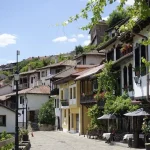
The cobblestone streets of Plovdiv’s Old Town house some of the city’s most atmospheric restaurants, where you can dine surrounded by centuries of history. The narrow alleys between National Revival houses hide intimate terraces that come alive after sunset, with the gentle clink of wine glasses and the aroma of grilled meats drifting through the evening air.
Hebros restaurant inside the luxury Hebros Hotel offers refined Bulgarian cuisine in an elegant 19th-century setting. Their lamb with herbs and local wines perfectly complement the historic ambiance. Expect to pay 45-65 BGN (23-33 EUR) for main courses.
Philippopolis occupies a restored merchant’s house with multiple dining rooms, each showcasing different periods of the building’s history. Their traditional shopska salad and slow-cooked beef stew taste authentic without feeling touristy. The wine cellar features an impressive selection of local varieties from the nearby Thracian Valley.
Rahat Tepe sits on a hilltop terrace offering panoramic views over the city while serving classic Bulgarian dishes. The location alone makes it worth the climb, but their expertly grilled kebapcheta and fresh tarator soup keep locals coming back.
Kapana District: The Creative Food Hub of Plovdiv
Kapana, Plovdiv’s artistic quarter, buzzes with creative energy that extends from its colorful street art to its innovative dining scene. This compact neighborhood packs an impressive variety of restaurants, cafés, and bars into just a few blocks, making it the perfect area for food hopping.

Smokini pioneered the gourmet burger scene in Kapana with their locally-sourced ingredients and creative combinations. Their signature Bulgarian burger includes kashkaval cheese and homemade lutenitsa, bridging international trends with local flavors.
Pavaj transforms throughout the day from morning coffee spot to evening cocktail bar, serving light Mediterranean dishes that pair perfectly with their extensive wine list. The outdoor seating fills up quickly during warm evenings, with live jazz performances adding to the atmosphere.
Kapana Garden occupies a hidden courtyard where fairy lights create an almost magical dining environment. Their fusion menu changes seasonally, but always features fresh ingredients from local farmers. The duck breast with Rhodope mountain herbs has become their signature dish.
The narrow streets of Kapana also hide smaller gems like Meat Point, where the smell of perfectly seasoned grilled meats draws crowds, and Wok & Sushi, which surprisingly serves some of the city’s best Asian cuisine in this traditional Bulgarian setting.
Traditional Bulgarian Restaurants: Authentic Local Experiences
Beyond the tourist-focused establishments, Plovdiv maintains several restaurants where Bulgarian families have been gathering for generations. These venues prioritize authentic recipes over Instagram-worthy presentations, creating the most genuine local dining experiences.
Ethno near the Roman Stadium serves traditional dishes exactly as Bulgarian grandmothers prepare them. Their moussaka differs significantly from the Greek version, layered with potatoes and local spices that create a uniquely Bulgarian comfort food experience. The restaurant’s rustic interior, complete with handwoven textiles and copper cookware, transports diners to rural Bulgaria.
Alafrangite specializes in regional Thracian cuisine, featuring dishes rarely found outside this part of Bulgaria. Their kavarma, a slow-cooked meat and vegetable stew, arrives sizzling in traditional clay pots. The restaurant sources ingredients from specific villages known for their quality produce.

Rozhen focuses entirely on dishes from the Rhodope Mountains region, including their famous Rhodope-style beans and local sausages. The rural mountain atmosphere created through wooden furniture and traditional music makes this feel like dining in a remote village rather than Bulgaria’s second-largest city.
Modern and International Cuisine: Contemporary Dining Scene
Plovdiv’s younger generation of chefs has embraced international techniques while respecting local ingredients, creating a modern dining scene that rivals major European cities. These restaurants reflect the city’s growing confidence and international outlook.
Roots represents the new wave of Bulgarian cuisine, where traditional ingredients meet contemporary presentation techniques. Chef Dimitar Dimitrov trained in European kitchens before returning to reinterpret Bulgarian classics. Their tasting menu changes monthly but always includes creative takes on familiar flavors.
Grain Bar combines exceptional cocktails with modern European cuisine in a stylish industrial space. Their open kitchen allows diners to watch chefs prepare dishes like slow-cooked lamb shoulder with local vegetables and innovative sauces.
St. Domingo brings Latin American flavors to Plovdiv with authentic preparations and fresh ingredients. The Venezuelan owner ensures traditional recipes remain unchanged, while the Bulgarian staff adds local hospitality touches that create a unique cultural blend.
Spaghetti Kitchen has elevated Italian dining beyond typical pizza and pasta, offering house-made everything from bread to gelato. Their Italian chef works exclusively with Bulgarian suppliers to create dishes that taste authentically Italian while supporting local agriculture.
Street Food and Quick Bites: Budget-Friendly Local Flavors
Plovdiv’s street food scene offers the most affordable way to experience local flavors, with vendors and small establishments serving authentic Bulgarian quick bites throughout the city. The morning rush brings the enticing aroma of fresh banitsa from corner bakeries as commuters grab breakfast on their way to work.

Banitsa stands around the Central Post Office serve the city’s best examples of this flaky pastry filled with cheese, spinach, or meat. Local workers line up before 8 AM for the freshest batches, still warm from the oven.
Doner King near the Main Street pedestrian zone has perfected the Bulgarian version of döner kebab, served with fresh vegetables and spicy sauce in warm pita bread. This late-night favorite costs just 6-8 BGN (3-4 EUR) and satisfies after evening activities.
The area around Plovdiv University concentrates several affordable eating options favored by students and budget-conscious locals. Happy Grill serves excellent grilled meats and fresh salads for 8-12 BGN (4-6 EUR), while Pizza Corner offers large slices that make a filling meal for under 10 BGN (5 EUR).
Sandwich Bar Max creates enormous sandwiches with fresh ingredients and multiple protein options. Their “Bulgarian Breakfast” sandwich includes kashkaval cheese, tomatoes, cucumbers, and sirene cheese on crusty bread for just 5 BGN (2.50 EUR).
Cafés and Breakfast Spots: Morning Fuel and All-Day Hangouts
Plovdiv’s café culture rivals that of Vienna or Paris, with locals spending hours over coffee and conversation. The city’s café scene combines traditional Bulgarian coffee preparation methods with international specialty coffee trends, creating unique experiences throughout the day.
Barista Space leads Plovdiv’s specialty coffee movement, importing beans directly from farms and training their staff in precise brewing techniques. The rich aroma of freshly ground coffee and the gentle hiss of the espresso machine create a sensory experience that coffee enthusiasts appreciate. Their flat white has converted many traditional Turkish coffee drinkers.
Café Gallery 7 combines art exhibitions with excellent coffee and light meals, rotating local artists’ work monthly while serving consistent quality food. Their avocado toast with local ingredients costs 12 BGN (6 EUR) and rivals versions in major European capitals.

Petit Café specializes in French-style pastries and coffee preparations, with croissants baked fresh multiple times daily. The morning regulars include local business owners and university professors who appreciate the quiet atmosphere and reliable WiFi.
Dzhaferabad maintains the traditional Turkish coffee culture in its authentic setting, where older locals gather for hours-long conversations over strong coffee and Turkish delight. This cultural experience costs just 3 BGN (1.50 EUR) but provides insight into Plovdiv’s Ottoman heritage.
Food Markets and Local Specialties: Where Locals Shop and Eat
Understanding Plovdiv’s food culture requires visiting where locals actually buy and eat their daily meals. The city’s markets and neighborhood establishments reveal authentic flavors and prices that reflect real local life rather than tourist expectations.
Central Market Hall occupies a beautiful 19th-century building where vendors sell fresh produce, local cheeses, and prepared foods. The upper level houses small restaurants serving traditional dishes to market workers and smart locals seeking authentic flavors at local prices. A hearty meal costs 8-15 BGN (4-7.50 EUR).
Stolipinovo Market represents the city’s most authentic market experience, where prices remain significantly lower than tourist areas. Local families shop for weekly groceries while small vendors prepare fresh Bulgarian fast food. The Roma community’s influence creates unique flavor combinations not found elsewhere in the city.
The Thursday Farmers Market near the Rowing Canal brings regional producers directly to consumers, featuring organic vegetables, local honey, homemade dairy products, and seasonal specialties. Many vendors offer samples, creating an informal tasting experience of Thracian Valley products.
Supermarkets like Fantastico and Billa now stock extensive selections of local and international products, but their prepared food sections offer budget-friendly options for travelers. Fresh salads cost 4-6 BGN (2-3 EUR), while hot meals range from 6-10 BGN (3-5 EUR).

Budget Breakdown: What You’ll Pay for Food in Plovdiv
Food costs in Plovdiv vary significantly depending on location and restaurant type, but generally remain much more affordable than Western European cities while offering comparable quality. The 2026 prices reflect slight increases from previous years but still provide excellent value for international visitors.
Budget Dining (10-20 BGN / 5-10 EUR per meal)
- Street food and quick bites: 5-12 BGN (2.50-6 EUR)
- University area restaurants: 8-15 BGN (4-7.50 EUR)
- Traditional mehanas in residential areas: 12-18 BGN (6-9 EUR)
- Market hall restaurants: 8-15 BGN (4-7.50 EUR)
- Breakfast at local bakeries: 3-8 BGN (1.50-4 EUR)
Mid-Range Dining (20-40 BGN / 10-20 EUR per meal)
- Kapana district restaurants: 18-35 BGN (9-17.50 EUR)
- International cuisine restaurants: 22-38 BGN (11-19 EUR)
- Tourist-oriented Old Town establishments: 25-40 BGN (12.50-20 EUR)
- Modern Bulgarian cuisine: 20-35 BGN (10-17.50 EUR)
- Weekend brunch: 15-25 BGN (7.50-12.50 EUR)
Upscale Dining (40+ BGN / 20+ EUR per meal)
- Fine dining restaurants: 50-85 BGN (25-42.50 EUR)
- Hotel restaurants: 35-60 BGN (17.50-30 EUR)
- Wine pairing dinners: 80-120 BGN (40-60 EUR)
- Special occasion venues: 60-100 BGN (30-50 EUR)
Additional Costs
- Local beer: 3-6 BGN (1.50-3 EUR)
- Coffee: 2-5 BGN (1-2.50 EUR)
- Local wine (glass): 4-8 BGN (2-4 EUR)
- Bottled water: 1-2 BGN (0.50-1 EUR)
Frequently Asked Questions
Do Plovdiv restaurants accept credit cards in 2026?
Most restaurants in central Plovdiv and tourist areas accept credit cards, including the new contactless payment systems introduced in 2026. However, smaller establishments and street vendors often prefer cash, so carry BGN for flexibility.
What time do locals typically eat dinner in Plovdiv?
Bulgarians eat dinner later than many Europeans, typically between 7 PM and 9 PM. Many restaurants offer lunch specials between 12 PM and 3 PM, while kitchen hours often extend until 11 PM or midnight on weekends.
Are vegetarian options widely available in Plovdiv restaurants?
Vegetarian options have improved significantly since 2024, with most modern restaurants offering dedicated vegetarian dishes. Traditional Bulgarian cuisine naturally includes many vegetable-based dishes, salads, and cheese preparations that satisfy vegetarian diets.
How much should I tip at restaurants in Plovdiv?
Tipping 10% is standard for good service in sit-down restaurants. Round up to the nearest BGN for casual dining, and tip 10-15% at upscale establishments. Tipping isn’t expected at street vendors or counter service locations.
Can I find international cuisine beyond traditional Bulgarian food?
Plovdiv’s international dining scene has expanded dramatically, offering authentic Italian, Asian, Middle Eastern, and Latin American cuisines. The Kapana district and areas near the university concentrate the most diverse dining options, reflecting the city’s growing international community.
Explore more
The Ultimate Guide to Shopping in Plovdiv: Souvenirs, Artisans & Markets
Old Town, Kapana, or Center? Choosing Where to Stay in Plovdiv
📷 Featured image by Ivaylo Nikolov on Unsplash.