💰 Click here to see Bulgaria Budget Breakdown
💰 Prices updated: August, 2026. Budget figures are estimates — always verify before travel.
Exchange Rate: $1 USD = €0.86
Daily Budget (per person)
Shoestring: €35.00 – €50.00 ($40.70 – $58.14)
Mid-range: €60.00 – €100.00 ($69.77 – $116.28)
Comfortable: €150.00 – €200.00 ($174.42 – $232.56)
Accommodation (per night)
Hostel/guesthouse: €5.00 – €20.00 ($5.81 – $23.26)
Mid-range hotel: €55.00 – €95.00 ($63.95 – $110.47)
Food (per meal)
Budget meal: €12.00 ($13.95)
Mid-range meal: €25.00 ($29.07)
Upscale meal: €60.00 ($69.77)
Transport
Single metro/bus trip: €0.80 ($0.93)
Monthly transport pass: €25.50 ($29.65)
Burgas shopping in 2026 presents a unique challenge for visitors — the city’s rapid development has created a fascinating mix of ultra-modern malls and traditional markets, but knowing where to find what you’re looking for isn’t always obvious. The coastal location and growing expat community have transformed the retail landscape significantly since 2024, making it essential to understand both the contemporary shopping scene and the authentic local markets that still thrive.
Mall of Burgas and Modern Shopping Centers
The Mall Burgas Plaza remains the city’s flagship shopping destination, anchoring the modern retail scene with over 150 stores spread across three levels. Located on Bogoridi Boulevard, this climate-controlled complex houses everything from international brands like H&M and Zara to local Bulgarian retailers. The third-floor food court offers a convenient break between shopping sessions, with the aroma of grilled kebabs mixing with the coffee shop atmosphere.
Galleria Burgas, positioned near the train station, provides a more compact but equally modern shopping experience. The mall focuses heavily on electronics, sporting goods, and home furnishings. The ground floor Technopolis serves as the go-to spot for cameras, phones, and travel accessories — particularly useful for replacing forgotten chargers or upgrading your gear mid-trip.
Bulgaria Mall Burgas, which opened its expansion wing in late 2025, now features a dedicated travel section on the second floor. Here you’ll find lightweight luggage, travel clothing brands, and a well-stocked pharmacy with international products. The mall’s underground parking charges 2 BGN per hour (approximately 1 EUR), but the first hour remains free with any purchase over 50 BGN.
Electronics and Tech Shopping
Technopolis and Technomarket dominate the electronics landscape, but smaller computer shops along Aleksandrovska Street often offer better prices for accessories and repairs. The street buzzes with the quiet hum of air conditioning units and the soft clicking of keyboards as shop owners demonstrate the latest tablets and laptops.

Traditional Markets and Local Vendors
The Central Market (Tsentralen Pazar) operates daily from 7 AM until 6 PM, sprawling across several blocks near the city center. Fresh produce vendors call out prices in Bulgarian while the scent of ripe tomatoes and fresh herbs fills the morning air. This market offers the best prices in the city for fruits, vegetables, and local dairy products.
Fish markets near the port area come alive before dawn, with vendors displaying the day’s catch on ice-covered tables. The salty sea breeze carries the sounds of haggling in Bulgarian, Russian, and Turkish as locals select their seafood. Prices here run significantly lower than supermarkets — expect to pay 8-15 BGN per kilogram for fresh Black Sea fish, depending on the variety.
The weekly bazaar on Saturdays transforms the area around Archeological Museum into a treasure hunt of local products. Elderly women sell homemade preserves, honey, and traditional textiles from small wooden tables. Cash remains king here — most vendors don’t accept cards, and having small denominations makes transactions smoother.
Seasonal Markets
Summer brings beach vendors along the Sea Garden promenade, selling everything from sunscreen to inflatable toys. Winter markets (December through February) focus on warm clothing, local wines, and preserved foods. The Christmas market in December features handcrafted ornaments and traditional Bulgarian holiday treats.
Souvenir Shopping and Regional Crafts
Ethnographic shops cluster around Bogoridi Boulevard and the old town area, specializing in authentic Bulgarian crafts. Traditional rose oil products from the Valley of Roses cost between 25-80 BGN (12-40 EUR) depending on purity and packaging. Look for the “Rosa Damascena” label to ensure authentic Bulgarian rose oil rather than imported alternatives.

Handwoven textiles represent some of Bulgaria’s finest traditional crafts. Authentic martenitsi (red and white thread bracelets) cost 2-5 BGN each, while larger traditional rugs range from 150-500 BGN. The intricate patterns and natural dyes create pieces that capture centuries of Bulgarian folk art tradition.
Pottery workshops near the Archaeological Museum sell handmade ceramics that reflect the region’s ancient traditions. Prices start at 15 BGN for small decorative items and reach 200 BGN for large serving pieces. Many artisans offer shipping services to international destinations for an additional 25-40 BGN.
Wine and Spirits
Local wine shops stock excellent regional varieties, particularly from the nearby Strandzha Mountains. A quality Bulgarian wine costs 20-45 BGN (10-23 EUR) at retail shops. Rakia, Bulgaria’s traditional fruit brandy, ranges from 15 BGN for basic versions to 80 BGN for premium aged varieties. Many shops offer tastings and will package bottles securely for air travel.
Fashion and Clothing Districts
Aleksandrovska Street serves as Burgas’s main fashion corridor, lined with boutiques selling both international brands and Bulgarian designers. The pedestrian-only section creates a relaxed shopping atmosphere where the sound of heels clicking on cobblestones mixes with conversations from sidewalk cafés.
Local designers have opened several boutiques featuring contemporary Bulgarian fashion. Prices typically run 30-40% lower than similar items in Western Europe, with summer dresses starting around 60 BGN and quality leather goods beginning at 120 BGN. Many shops offer tailoring services for an additional 20-30 BGN.
Second-hand and vintage clothing stores have multiplied since 2025, particularly around the university area. These shops offer designer pieces at fraction of original prices — a Burberry coat might cost 80 BGN instead of 400 BGN retail. Quality varies widely, so inspect items carefully before purchasing.
Shoe Shopping
Bulgarian leather shoes offer exceptional value, with handcrafted men’s shoes starting at 120 BGN and women’s options beginning around 90 BGN. Several family-owned shops on Ferdinandova Street specialize in custom footwear, typically requiring 2-3 weeks for completion but offering perfect fit and quality construction.

Food Shopping and Local Delicacies
Supermarket chains like Fantastico, Billa, and Kaufland dominate grocery shopping, but smaller specialty stores offer superior local products. The aroma of freshly baked bread draws shoppers to neighborhood bakeries that open as early as 6 AM, selling warm banitsa and other traditional pastries.
Delicatessen shops specialize in Bulgarian cheeses, cured meats, and regional specialties. Sirene (Bulgarian white cheese) costs 8-15 BGN per kilogram, while kashkaval ranges from 12-20 BGN. Many shops vacuum-seal products for travelers, extending shelf life for international transport.
Health food stores have expanded significantly since 2024, reflecting growing interest in organic and natural products. Local honey varieties cost 12-25 BGN per kilogram, while organic herbs and teas range from 8-20 BGN per package. These shops often stock hard-to-find international health products at competitive prices.
Local Specialty Shops
Turkish specialty stores in the old quarter sell authentic spices, Turkish delight, and Middle Eastern ingredients. These family-run businesses maintain traditional recipes and offer products difficult to find elsewhere in Bulgaria. Prices remain remarkably affordable — premium saffron costs 25 BGN for amounts that would cost triple elsewhere.
Antiques and Vintage Finds
Antique shops concentrate around the Archaeological Museum and old town area, offering everything from Soviet-era memorabilia to traditional Bulgarian artifacts. Communist-era items like medals, uniforms, and propaganda posters range from 20-150 BGN, depending on rarity and condition.
Vintage furniture stores have become increasingly popular with both locals and expats. A restored Bulgarian wardrobe might cost 300-800 BGN, while smaller decorative items start around 25 BGN. Many dealers offer authentication certificates for valuable pieces and can arrange international shipping.

Flea markets operate on Sunday mornings near the central bus station, creating a treasure-hunting atmosphere where the morning light filters through makeshift canvas covers. Vendors spread their wares on blankets and card tables, selling everything from old books to vintage cameras. Haggling is expected — initial asking prices typically start 40-50% higher than final selling prices.
Collectibles and Coins
Numismatic shops cater to coin collectors, offering Bulgarian currency from different historical periods. Ottoman-era coins start around 50 BGN, while communist-period commemorative coins cost 15-40 BGN. Rare pieces command higher prices, and authenticity certificates are available for valuable items.
Shopping Budget Breakdown
Budget shopping in Burgas requires strategic planning and knowledge of local price points. Understanding typical costs helps travelers make informed decisions and avoid tourist pricing.
Budget Traveler (30-50 BGN daily)
Stick to markets and discount stores for the best values. Fresh produce from Central Market costs 60-70% less than supermarkets. Basic souvenirs like keychains and postcards cost 3-8 BGN. Simple meals from market vendors range 8-15 BGN. Second-hand clothing stores offer quality pieces for 10-25 BGN.
Mid-Range Shopper (50-120 BGN daily)
Mix mall shopping with local boutiques for variety and value. Quality Bulgarian wine costs 25-45 BGN per bottle. Artisan crafts and pottery range 40-150 BGN. Restaurant meals in shopping areas cost 25-40 BGN per person. Brand-name clothing at mall stores typically runs 30-60 BGN for basic items.
Comfortable Budget (120+ BGN daily)
Focus on premium local products and unique finds. Custom leather goods range 200-500 BGN. High-end Bulgarian wines cost 60-120 BGN. Designer boutique clothing starts at 100 BGN. Antique purchases can range from 150-1000+ BGN depending on rarity and historical significance.
Frequently Asked Questions
What are typical shopping hours in Burgas?
Most shops open 9 AM to 7 PM Monday through Saturday, with malls staying open until 9 PM. Traditional markets operate 7 AM to 6 PM daily, while some small shops close for lunch breaks between 1-2 PM.

Do shops accept credit cards or prefer cash?
Major stores and malls accept international credit cards, but markets and small vendors prefer cash. ATMs are widely available, and bank cards work at most machines with reasonable fees for international visitors.
Can I get VAT refunds on purchases?
Non-EU visitors can claim VAT refunds on purchases over 50 BGN from participating stores. Ask for tax-free forms at checkout and present them with receipts and passport at the airport before departure.
What’s the best day for shopping in Burgas?
Saturdays offer the most variety with regular stores plus the weekly bazaar. Weekday mornings provide the best market selection with freshest products. Avoid Sunday afternoons when many shops close early.
Are there any items I shouldn’t buy or export from Bulgaria?
Avoid purchasing antiques without proper documentation, as export restrictions apply to items over 50 years old. Archaeological artifacts require special permits. Otherwise, standard customs regulations apply for alcohol, tobacco, and food products when returning home.
Explore more
Best Restaurants in Burgas: A Local’s Guide to Eating Out
Shopping in Burgas, Bulgaria — Best Markets and Stores
Burgas Nightlife Guide: Your Ultimate Black Sea Party Planner
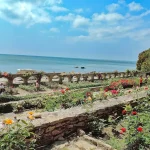
📷 Featured image by Dimitar Kazakov on Unsplash.