Sofia is easy to land in, but by 2026 it is no longer cheap. One-bedroom rents have climbed, the capital is crowded with other remote workers, and many people tell me they want a smaller place where neighbours actually learn their name. Bulgaria has several such cities, each with a different cost, rhythm and kind of community. This guide covers the logistics of choosing one: the paperwork, the rent, the internet and how to meet people once you arrive.
What Changed for Remote Workers Since 2024
Four shifts matter if you last researched Bulgaria two years ago.
- The euro arrived. Bulgaria adopted the euro on 1 January 2026. The lev was fixed at 1.95583 BGN per EUR, so the exchange rate itself did not move. Shops show both currencies during the transition, but landlords often quote in euros now. This guide shows BGN first, then EUR.
- Full Schengen membership. Air and sea borders opened in March 2024 and land borders in January 2025. Time spent in Bulgaria now counts toward your 90-in-180-day Schengen limit, which affects non-EU citizens planning a long stay.
- New entry checks. The EU Entry/Exit System is being rolled out across Schengen borders, which means fingerprints and a photo on arrival for non-EU visitors. ETIAS pre-travel authorisation is expected later in 2026 for visa-free nationalities. Check the current start date before you book.
- Regional cities got easier to reach. Low-cost flights to Varna and Burgas have grown, and the Trakia motorway makes Plovdiv an easy trip from the capital. Parts of the Hemus motorway toward the north are still unfinished, so allow extra time for northern routes.
Visa, Residence and Health Insurance: The Legal Logistics
If you are a non-EU citizen
Bulgaria offers a digital nomad route through a long-stay type D visa. It is meant for people who work remotely for employers or clients outside Bulgaria. You will normally need a contract or proof of freelance clients, proof of steady income, clean criminal record paperwork, and health insurance. Recent guidance puts the income expectation at roughly BGN 3,900 (about €2,000) a month, and the consular fee is around BGN 200 (€100). Thresholds and documents change, so confirm them with your nearest Bulgarian embassy before you pay for translations or apostilles.
Freelancers who want to bill Bulgarian clients, or who plan to stay longer than a year, may need a different permit through a registered business. Talk to a local accountant first. Bulgaria has a flat 10% income tax, but you can become tax resident by spending more than 183 days here, so plan your stay with that line in mind.
If you are an EU citizen
You can stay three months with just your ID. Beyond that, you register with the local Migration Directorate, show health cover and proof of income, and receive a registration certificate. You will need a rental contract with a registered address, so choose a landlord who is comfortable providing one.
Health insurance in 2026
- EU citizens: your EHIC covers temporary stays only. If your employer is back home, ask for an A1 certificate to keep paying social security there, and check whether your home country offers an S1 form.
- Private international plans: typically BGN 100–250 (€50–130) a month for a healthy adult under 45, and BGN 300–500 (€150–255) for premium cover with dental and evacuation.
- Bulgarian public system (NHIF): long-term legal residents can pay voluntary contributions of about BGN 95–100 (€50) a month. Public hospitals in smaller cities can have long waits and limited English, so many foreigners keep private cover as well.
Six Cities Compared
Rents below are for a furnished one-bedroom flat on a 6–12 month contract. Sofia sits around BGN 1,200–1,900 (€610–970) for comparison.
Plovdiv: the best all-round alternative
Plovdiv is Bulgaria’s second city, about 150 km from Sofia, and the easiest swap for anyone who wants urban energy at lower cost. Expect BGN 900–1,400 (€460–715) a month. The local tech and outsourcing sector is large, which means English is common among under-40s and there are regular professional meetups. Evenings in summer are the highlight: warm stone underfoot, the smell of grilled meat drifting from taverns, and conversations spilling onto pavements until late. The drawback is the airport, which has limited routes, so most arrivals still fly via Sofia and take a bus or the motorway.
Varna: sea, tech jobs and international residents
Varna is the largest Black Sea city, with a strong IT scene, a university, and a visible international community. Rents run BGN 900–1,500 (€460–765) in the off-season and jump sharply from June to September. It has its own airport with seasonal low-cost flights and a sea-breeze climate that stays livable in summer. Winters are grey and damp but mild, around 2–6°C in January.
Burgas: the quieter, cheaper coast
Burgas offers sea access at lower prices: BGN 700–1,100 (€360–560) for a one-bedroom. The city is calmer than Varna, with long coastal parks and a smaller foreign community. It suits solo workers who value routine and a short walk to the beach. Flights are seasonal and fewer in winter, so check schedules before committing to a long contract.
Bansko: the established mountain community
Bansko has hosted remote workers longer than most Bulgarian towns, so it has an unusually visible group of long-stayers and an annual gathering. Rents are BGN 700–1,200 (€360–610) outside peak ski weeks, but winter rates can climb sharply. In January the snow squeaks underfoot and the air smells of woodsmoke. The trade-off is size. It is a small resort town, services thin out in the shoulder seasons, and the nearest major airport is Sofia, about three hours away by road.
Veliko Tarnovo: small, scenic and university-driven
Veliko Tarnovo costs BGN 600–900 (€305–460) a month and has a student population that keeps the town lively in term time. Internet is reliable, but the foreign community is small, so expect to build your circle from locals and a handful of long-stayers. Transport is the weak point: slower buses and trains, and a car makes life easier.
Ruse: the budget Danube option
Ruse is the cheapest on this list at BGN 500–800 (€255–410) for a one-bedroom. It has Austro-Hungarian architecture, a university, and a bridge to Romania. The expat community is minimal, and getting to Sofia takes around four hours by road, so choose it only if you are comfortable being self-sufficient.
Internet and mobile data everywhere
Bulgaria has some of Europe’s cheapest fibre. Expect BGN 20–30 (€10–15) for home broadband at 500 Mbps to 1 Gbps in every city above. Mobile plans with generous data cost BGN 20–35 (€10–18). Short-stay renters can use prepaid SIMs, while long-term home internet contracts usually require a Bulgarian ID or residence document, so ask your landlord whether the building already has an active connection.
2026 Budget Reality
These monthly figures are for one person living in a mid-sized city such as Plovdiv or Varna, outside peak season. USD figures assume about $1.15 per euro.
Budget: BGN 1,550–2,100 (€790–1,075 / about $910–1,235)
- Rent: BGN 700–950 (€360–485)
- Utilities: BGN 150–220 (€75–110)
- Internet and mobile: about BGN 50 (€25)
- Groceries and occasional meals out: BGN 500–700 (€255–360)
- Local transport: about BGN 40 (€20)
- Private health insurance: BGN 100–130 (€50–65)
Mid-range: BGN 2,400–3,300 (€1,225–1,685 / about $1,410–1,940)
- Rent: BGN 1,000–1,400 (€510–715)
- Utilities: BGN 200–280 (€100–145)
- Internet and mobile: about BGN 60 (€30)
- Food and regular dining out: BGN 900–1,200 (€460–615)
- Transport and occasional taxis: about BGN 80 (€40)
- Health insurance: BGN 150–250 (€75–130)
Comfortable: BGN 3,800–5,200 (€1,940–2,660 / about $2,230–3,060)
- Rent: BGN 1,500–2,200 (€765–1,125) for a modern, well-located flat
- Utilities: about BGN 300 (€150)
- Internet and mobile: about BGN 70 (€36)
- Food, dining and entertainment: BGN 1,500–2,000 (€765–1,020)
- Car use, taxis or rentals: about BGN 150 (€77)
- Premium health insurance: BGN 300–500 (€150–255)
Winter heating can add BGN 100–250 (€50–130) a month in older buildings, especially those with electric heaters. Ask for a sample winter bill before signing.
How Community Actually Forms Outside the Capital
In smaller cities, community is built through repetition more than through big events. Here is what works.
- Learn 30 words of Bulgarian. Greetings, numbers and “thank you” (blagodarya) change how shopkeepers, landlords and neighbours treat you. Remember that a head shake for “yes” and a nod for “no” can be reversed in Bulgaria.
- Register your address early. A clean paper trail makes everything smoother, from opening a bank account to getting a long-term internet contract.
- Use online groups to find people first. Local expat and nomad groups on Facebook, Telegram and Meetup usually post weekly or monthly gatherings. Join before you arrive and introduce yourself.
- Go to local events, not just foreigner ones. Seasonal festivals, university lectures and neighbourhood markets bring you into contact with people who live there year-round. The smell of fresh banitsa from a bakery at 7 a.m. is a surprisingly reliable way to start a conversation with whoever is queueing next to you.
- Expect a slower start. Bulgarians are often reserved at first and warm once trust is established. Give relationships a few weeks before judging a city.
Matching a City to Your Season and Length of Stay
One to two months: Choose a place where you can rent short-term without a long contract. Plovdiv and Varna have the most listings in this category, though prices are higher. Avoid the coast in July and August unless you have a firm budget.
Three to four months: This is the sweet spot for off-season deals. Black Sea cities in autumn and spring, or Bansko between ski seasons, offer the best value. Register your address if you are an EU citizen staying longer than three months.
Five to six months: Plovdiv, Varna and Burgas work well here, because services run all year and you can switch from a short-stay contract to a longer one. Non-EU citizens should line up the visa route before arrival, not after. Starting the paperwork once you are here, with weeks left on your Schengen allowance, is a common mistake.
Season quick guide: Winter suits Bansko if you like snow, or Plovdiv if you prefer an urban setting. Spring and autumn are the best months almost anywhere. Summer is hot in Plovdiv (often 32–36°C) and crowded and expensive on the coast.
Frequently Asked Questions
Which Bulgarian city is best for remote workers outside Sofia?
Plovdiv is the best all-round choice, with mid-range rents, a large professional community and easy access to Sofia. Varna suits people who want sea access and a strong international presence. Burgas and Veliko Tarnovo work if you want lower costs and a quieter routine.
Is the internet fast enough for video calls in smaller cities?
Yes. Fibre broadband is widely available in all cities covered here, typically at 500 Mbps to 1 Gbps for BGN 20–30 (€10–15) a month. Mobile data is also cheap and reliable. Ask your landlord to confirm the connection speed in writing before you sign a rental contract.
Can I use Bulgaria’s digital nomad visa if I am a freelancer?
Yes, if your clients are based outside Bulgaria and you can prove regular income and a valid contract. Requirements and income thresholds change, so verify the details with a Bulgarian consulate. If you plan to bill Bulgarian clients, you may need a different permit and a local accountant.
How much does it cost to live in Plovdiv or Varna in 2026?
A single person can live on roughly BGN 1,550–2,100 (€790–1,075) on a budget, BGN 2,400–3,300 (€1,225–1,685) at mid-range, or BGN 3,800–5,200 (€1,940–2,660) comfortably. Rent and heating are the biggest variables, and Black Sea prices rise sharply in summer.
Do I need Bulgarian health insurance as a remote worker?
Non-EU applicants for long-stay visas usually need private insurance that covers Bulgaria. EU citizens staying beyond three months must show health cover when registering. Private plans cost about BGN 100–250 (€50–130) a month. Long-term legal residents can also join the public NHIF system voluntarily for around BGN 95–100 a month.
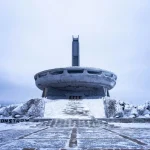
📷 Featured image by tommao wang on Unsplash.