On this page
- Sofia’s Quiet Side: A City With Layers
- The Neighbourhoods Most Visitors Skip
- Hidden Sights and Underground Sofia
- Where Locals Actually Eat and Drink
- Getting Around Sofia Like a Resident
- Day Trips From Sofia Off the Beaten Path
- After Dark: Sofia’s Low-Key Nightlife
- Shopping Beyond Vitosha Boulevard
- Where to Stay by Budget
- When to Visit Sofia
- Practical Tips for 2026
- 2026 Budget Breakdown
- Frequently Asked Questions
💰 Click here to see Bulgaria Budget Breakdown
💰 Prices updated: October, 2026. Budget figures are estimates — always verify before travel.
Exchange Rate: $1 USD = €0.88
Daily Budget (per person)
Shoestring: €35.00 – €50.00 ($39.77 – $56.82)
Mid-range: €60.00 – €100.00 ($68.18 – $113.64)
Comfortable: €150.00 – €200.00 ($170.45 – $227.27)
Accommodation (per night)
Hostel/guesthouse: €5.00 – €20.00 ($5.68 – $22.73)
Mid-range hotel: €55.00 – €95.00 ($62.50 – $107.95)
Food (per meal)
Budget meal: €7.00 ($7.95)
Mid-range meal: €20.00 ($22.73)
Upscale meal: €60.00 ($68.18)
Transport
Single metro/bus trip: €1.00 ($1.14)
Monthly transport pass: €26.00 ($29.55)
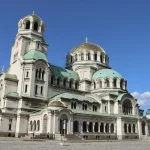
Most first-time visitors give Sofia one afternoon. They photograph Alexander Nevsky Cathedral, walk down Vitosha Boulevard, and leave for Plovdiv or the coast. In 2026, with Bulgaria now in Schengen and the euro in everyday use, more people are passing through the capital quickly. Many of them miss the best parts. Sofia rewards slow travellers: a 2,000-year-old Roman street under a metro station, a UNESCO church hidden in a mountain suburb, and a market where your tomatoes cost less than a coffee elsewhere in Europe. This guide covers the Sofia that locals love, with real prices and practical routes.
Sofia’s Quiet Side: A City With Layers
Sofia is not a pretty-postcard capital. It is a layered one. Soviet-era blocks sit beside Ottoman mosques, Roman ruins, Orthodox churches and a synagogue, all within a ten-minute walk. Mount Vitosha rises behind the skyline, so you can finish breakfast in a café and be on a mountain trail within the hour.
The city’s character is relaxed and a little ironic. Locals linger over coffee for hours, argue about football and politics, and share their favourite corner of town if you ask. That is the idea of this guide. Sofia’s hidden gems are not secrets. They are simply places that need a few extra steps off the main boulevard.
Since 2024, Sofia has changed in small but noticeable ways. Full Schengen membership has made arrival smoother, and contactless bank-card payment now works on public transport. Bulgaria adopted the euro on 1 January 2026, so you will see dual pricing (lev and euro) in most shops. The fixed rate is 1 EUR = 1.95583 BGN, which makes mental maths easy: halve the lev price for a rough euro figure.
The Neighbourhoods Most Visitors Skip
The centre is compact, but the best atmosphere often sits just outside the tourist triangle.
Lozenets and Hladilnika
Lozenets is leafy, calm and green, with Vitosha’s slopes right at the end of the street. It suits travellers who want quiet evenings, good bakeries and easy access to the mountain. Nearby Hladilnika has a youthful, café-heavy feel without the central crowds.
Oborishte and the Ivan Vazov Area
Oborishte is where Sofia’s literary and artistic side lives. Old townhouses, small galleries and quiet tree-lined streets surround Doctor’s Garden, a tiny park where retirees play chess in the shade. The smell of fresh coffee and cigarette smoke drifting from the café terraces is classic Sofia.
Zhenski Pazar and Serdika
This is the multicultural, slightly gritty north of the centre. Mosque, synagogue and churches stand close together. It is less polished, but it is where Sofia feels most real. It suits curious, food-focused travellers who do not mind a rougher edge.
Boyana and Dragalevtsi
These mountain villages are now Sofia suburbs. You get cobbled lanes, monasteries and forest air, and the city centre is 25–40 minutes away by bus. They suit hikers and families who want greenery over nightlife.
Studentski Grad
Home to most of Sofia’s university students, this district is loud, cheap and energetic. It is not pretty, but it has the best-value bars and late-night food in the city.
Hidden Sights and Underground Sofia
Serdica Archaeological Complex
Walk into the metro station near the Largo and you step onto actual Roman streets, over 1,700 years old. Part of the ancient Serdica lies under glass walkways. Entry is free and few people stop. Locals commute past it every day without looking down.
Church of St. Petka of the Saddlers
This tiny 14th-century church is half-buried beneath the Largo ensemble, just steps from the busy main road. Its low roof and faded frescoes make it one of the most atmospheric corners in the city. Inside, the cool air and candle smell make the traffic outside feel far away.
Boyana Church
Boyana Church is a UNESCO site, yet it is rarely on first-time itineraries. Its 1259 frescoes show human faces with startling realism, centuries before the Renaissance. Entry is around 10 BGN (€5 / about $6), and visitor numbers are limited, so go on a weekday morning.
Rotunda of St. George
Sofia’s oldest preserved building sits in a courtyard between hotel and government buildings. Its 4th-century walls hold medieval murals in the dome. It is free to enter, and most tourists walk straight past.
The Sofia Synagogue
One of the largest Sephardic synagogues in Europe, it has a huge brass chandelier and a rich, quiet interior. Opening hours are limited, so check before you go.
Museum of Socialist Art
Soviet-era statues stand in an open-air park, with galleries of propaganda posters and paintings inside. It is an honest look at Bulgaria’s communist period and a good way to understand why the country looks the way it does. Tickets cost roughly 10 BGN (€5 / $6).
Sofia’s Mineral Water Fountains
Hot spring water bubbles from public taps near the old Central Mineral Baths building. Locals fill bottles here every day. The water is warm (around 40°C), slightly mineral-tasting, and free.
Where Locals Actually Eat and Drink
Markets
Zhenski Pazar (Women’s Market) is the city’s best-known local market. You will find piles of peppers, tomatoes, cheese and pickles, plus Turkish and Middle Eastern shops selling spices and sweets. Arrive before 10:00 for the best produce. In summer, the smell of ripe tomatoes and fresh herbs hits you a block away.
Central Market Hall (Tsentralni Hali) is a grand 1910 building with a calm, almost old-world feel. Upstairs and downstairs, you can buy cheese, cured meats and ready food. It is much quieter than the nearby tourist streets.
Restaurant Streets
Skip the main pedestrian boulevard and look to the side streets. Shishman Street and Tsar Asen Street have good bars and restaurants with locals filling the terraces. Around Graf Ignatiev you will find busy cafés and bakeries. For old-style Bulgarian cooking in a grand setting, Hadjidraganov’s Cellars and Manastirska Magernitsa are reliable and popular with residents.
Quick Eats
Early morning bakeries sell banitsa and boza for just a few lev. Look for lines of office workers outside small shopfronts around 08:00. A hot slice with a glass of ayran costs about 4–6 BGN (€2–3 / $2.50–3.50).
Drinks
Rakia is the local spirit. Several bars across the centre specialise in it, with menus of fruit varieties from plum to quince. Bulgarian wine has also improved noticeably, so ask for a local Mavrud or Melnik rather than an imported bottle.
Getting Around Sofia Like a Resident
Sofia is easy to navigate once you know a few basics.
- Metro: Clean, quick and modern. Lines M1, M2 and M3 cover most of the useful areas, and extensions are still being built. A single ticket costs around 1.60 BGN (€0.82 / $0.95). Contactless card tap works at the gates.
- Trams and buses: Trams are slow but charming and cover the centre well. Buses reach the mountain suburbs. Use Google Maps or the local transit apps for live times.
- Taxis: Use OK Taxi or an app like Bolt to avoid overcharging. Short central rides cost about 8–15 BGN (€4–8 / $5–9).
- Walking: The centre is flat and walkable. Most hidden gems in this guide are within 20 minutes of each other on foot.
- Airport transfer: The M2 metro line runs directly to Sofia Airport. The ride to the centre takes about 25 minutes, with no traffic risk. A taxi costs roughly 20–30 BGN (€10–15 / $12–18).
Rent a bike or e-scooter only in parks and on the cycling lanes. Tram tracks and uneven cobbles are unfriendly to new riders.
Day Trips From Sofia Off the Beaten Path
Rila Monastery (about 2.5 hours each way)
A UNESCO site in a forested valley, with striped arches and painted domes. Take an early bus from Ovcha Kupel station or join a small tour group. Go on a weekday to avoid crowds. Allow a full day.
Koprivshtitsa (about 2 hours)
A National Revival town of colourful wooden houses and cobbled streets, famous for the 1876 April Uprising. Trains run from Sofia with a connecting bus. It is calm and photogenic, best from late spring to early autumn.
Boyana Waterfall and Vitosha Trails (half day)
From Boyana, a forest trail leads to the waterfall in around 90 minutes round trip. The crunch of gravel and the cool, pine-scented air make you forget the capital is below. Wear proper shoes; the path can be slippery.
Iskar Gorge and Seslavtsi (half day)
A scenic road follows the river through rocky cliffs and quiet villages. You will need a car or taxi. Stop at village monasteries for a calm break.
Plovdiv (about 1.5 hours)
Technically a bigger name, but still less visited by Sofia-based tourists than it should be. Fast trains and coaches run frequently. It works as a long day trip or an overnight.
After Dark: Sofia’s Low-Key Nightlife
Sofia’s nightlife is less about huge clubs and more about courtyard bars, hidden cocktail rooms and live music.
- Shishman Street and Tsar Asen Street: Dozens of bars in a short stretch. Start here and wander.
- Courtyard bars: Many of the best places sit behind unmarked doors and in inner yards. Look for a glowing sign or a group of people standing outside.
- Live music: Mixtape 5 and Sofia Live Club host local and visiting acts, from indie to rock. Gigs usually start around 21:00.
- Rooftops: The terrace bar at Sense Hotel has good views over the centre toward Vitosha. Prices are higher but the sunset is worth it.
- Studentski Grad: Cheap drinks, student parties and late hours. Not for everyone, but very lively.
A beer costs about 4–6 BGN (€2–3 / $2.50–3.50) in most bars, and cocktails run 10–16 BGN (€5–8 / $6–9). On warm evenings, the café chatter and clinking glasses along the side streets stay going well past midnight.
Shopping Beyond Vitosha Boulevard
Vitosha Boulevard has the international brands. For something with more character, go elsewhere.
- Slaveykov Square book market: Open-air stalls sell second-hand books, old maps and postcards. English-language titles are limited, but the browsing is fun.
- Alexander Nevsky antiques market: Outside the cathedral, vendors sell icons, military memorabilia, coins and embroidery. Bargain politely and check authenticity before paying high prices.
- Graf Ignatiev Street: Local boutiques and independent shops with Bulgarian designers.
- Zhenski Pazar: Spices, dried fruit, and rose products. Bulgarian rose oil and rose jam make good gifts.
- Specialty food shops: Look for local honey, sheep cheese, lyutenitsa (a roasted pepper spread) and herbal teas from Rhodope or Rila.
Where to Stay by Budget
Budget
Hostel dorm beds cost about 35–55 BGN (€18–28 / $21–32) per night. Look at areas near Serdika, the Central Station or the old centre for easy metro access. Small guesthouses and basic apartments in Studentski Grad are cheaper still.
Mid-range
Expect 150–250 BGN (€77–128 / $88–147) per night for a boutique hotel or well-located apartment. Oborishte, Ivan Vazov and the streets around the National Theatre have the best mix of location and charm.
Luxury
Five-star hotels run 350–700 BGN (€179–358 / $206–412) per night. The centre has the grand historic options, while Lozenets offers quieter upscale stays with mountain views.
When to Visit Sofia
- Spring (April–May): Mild, 12–20°C, with blossoms across the parks. Great for walking and day trips.
- Summer (June–August): Warm to hot, up to 32°C, with long evenings. Vitosha is a cool escape.
- Autumn (September–October): Often the best season. Comfortable temperatures, fewer visitors and golden light in the parks.
- Winter (December–February): Cold, around 0°C, with snow possible. The city is quiet and cheap, and you can ski on Vitosha within an hour. The crunch of snow on a mountain trail is hard to beat.
Festivals to time around include Sofia Film Fest in spring, Sofia Music Weeks in early summer, and the Surva masquerade festival in nearby Pernik in late January. Hotel prices rise around New Year and major events, so book early.
Practical Tips for 2026
- Safety: Sofia is generally safe. Watch for pickpockets on trams and around busy markets, and use licensed taxis only.
- Tipping: Around 10% in restaurants is standard. Round up for taxis.
- Language: Bulgarians use a head shake for yes and a nod for no in some cases, which can confuse visitors. Younger people speak good English. Learn “blagodarya” (thank you).
- SIM cards: A1, Yettel and Vivacom sell tourist SIMs and eSIMs. EU roaming rules apply for EU visitors.
- Water: Tap water in Sofia is safe to drink.
- Opening hours: Many museums close on Mondays. Smaller churches and shops may close early or for a midday break.
- Payments: Cards are widely accepted, but keep a little cash for markets and small cafés.
2026 Budget Breakdown
Sofia remains one of the cheapest capitals in the EU. Here are typical daily costs per person, excluding flights.
- Budget: 90–130 BGN (€46–66 / $53–76). Hostel bed, bakery breakfast, market lunch, one cheap dinner, metro tickets.
- Mid-range: 200–320 BGN (€102–164 / $118–188). Boutique hotel, café breakfast, sit-down lunch and dinner, a drink or two, museum tickets.
- Comfortable: 400–600 BGN (€205–307 / $235–353). Upscale hotel, restaurant dinners, taxis or private transfers, a guided day trip.
Sample prices: coffee 4–6 BGN (€2–3 / $2.50–3.50), restaurant main course 18–30 BGN (€9–15 / $11–18), museum ticket 8–12 BGN (€4–6 / $5–7), guided Rila day tour 90–150 BGN (€46–77 / $53–88).
Frequently Asked Questions
Is Sofia worth visiting for more than one day?
Yes. Two to three days lets you see the main sights, explore hidden neighbourhoods, and fit in a mountain walk. A fourth day suits Rila Monastery or Koprivshtitsa. Sofia is compact and cheap, so extra time costs little and shows you far more than the usual highlights.
What are the best hidden gems in Sofia?
Top picks include Boyana Church, the Serdica Roman ruins under the metro, the tiny St. Petka of the Saddlers church, Zhenski Pazar market, and the Museum of Socialist Art. For nature, try the Boyana Waterfall trail on Vitosha. Most of these are cheap or free.
Is Sofia safe for solo travellers?
Sofia is generally safe, including for solo and female travellers. Petty theft is the main risk, especially on trams and in crowded markets. Avoid unlicensed taxis, keep valuables out of sight, and use normal city caution at night in quieter areas.
Does Sofia use the euro in 2026?
Yes. Bulgaria adopted the euro on 1 January 2026, at a fixed rate of 1 EUR = 1.95583 BGN. Prices are shown in both currencies during the transition. Cards work almost everywhere, though carrying a little cash helps at small stalls and cafés.
How do I get from Sofia Airport to the city centre?
The simplest option is the M2 metro line, which runs from the airport into the centre in about 25 minutes for roughly 1.60 BGN (€0.82). Taxis and Bolt cost about 20–30 BGN (€10–15) and take 15–25 minutes depending on traffic.
Explore more
Top Malls in Sofia: Which Shopping Center is Right for You?
📷 Featured image by Yoanna Yordanova on Unsplash.