On this page
- Why September Is the Sweet Spot for Monastery Visits
- The Monasteries Worth the Journey
- Monastery Etiquette and Entry Practicalities
- 2026 Budget Reality: What a Monastery Trip Actually Costs
- Staying Overnight: Monastery Guesthouses and Nearby Accommodation
- Getting There Without a Car
- Frequently Asked Questions
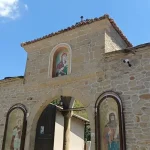
September 2026 is shaping up to be one of the better months to visit Bulgaria in years. The summer crowds have cleared, temperatures have dropped to something comfortable, and the country’s monasteries — many of them tucked into forested hillsides and river gorges — are at their most photogenic. The one real challenge visitors face this autumn is finding reliable, up-to-date information in English. Most monastery websites (where they exist at all) are in Bulgarian, opening hours shift without notice, and some guesthouses have changed their booking arrangements. This article sorts through that for you.
Why September Is the Sweet Spot for Monastery Visits
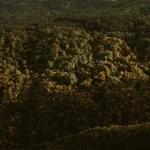
Bulgaria’s monastery season doesn’t get talked about the way ski season or beach season does, but September is quietly the best month for it. Daytime temperatures across the mountain valleys where most monasteries sit hover between 18°C and 24°C — warm enough to walk comfortably, cool enough that you’re not sweating through every uphill path. The forests surrounding places like Rila and Bachkovo start showing the first hints of amber and rust by mid-month, which does something remarkable to the light in the late afternoon.
The crowds thin dramatically after the first week of September. Bulgarian school holidays end in mid-September, and the heavy domestic tourism that fills weekend car parks in July and August largely disappears. What you’re left with is the actual atmosphere of these places — the low hum of monks chanting, the smell of beeswax candles and old stone, the particular quiet of a monastery courtyard in the early morning when mist still sits in the valley below.
Feast days are worth factoring in. Several monasteries celebrate their patron saint’s day in late August and September, which brings local pilgrims and a completely different kind of energy — festive, deeply Bulgarian, nothing like the tourist circuit. Check locally before you go, as these dates shift with the Orthodox calendar.
The Monasteries Worth the Journey
Rila Monastery
Bulgaria’s most visited monastery and a UNESCO World Heritage Site, Rila sits at around 1,150 metres in the Rila Mountains, roughly 120 kilometres south of Sofia. The scale of it surprises most people — the main courtyard is enormous, and the frescoed church at its centre is genuinely overwhelming up close. The exterior frescoes, with their bold reds and blacks and thousands of individual scenes, are best seen in the soft light of a September morning before the day-trippers arrive from Sofia. The monastery museum holds a remarkable carved wooden cross — the work of monk Raphael, who reportedly spent 12 years on it and lost his sight in the process.
Bachkovo Monastery
Located in the Rhodope Mountains near Plovdiv, Bachkovo is Bulgaria’s second-largest monastery and, in some ways, more atmospheric than Rila. It’s less visited by foreign tourists and sits in a narrower gorge with the Bachkovska River running close by. The ossuary a short walk from the main complex is one of the more striking — and quieter — spots in Bulgarian religious heritage. September pilgrimage traffic is noticeable but not overwhelming.
Troyan Monastery
In the Balkan Mountains, Troyan is the third-largest monastery in Bulgaria and a strong candidate for an overnight stay. The iconostasis inside the church was partially painted by the celebrated 19th-century Bulgarian artist Zahari Zograf, whose self-portrait famously appears among the sinners being dragged toward hell. The town of Troyan nearby is known for its plum brandy and handmade pottery, which makes this a good base for a longer stay in central Bulgaria.
Dryanovo Monastery
Smaller and less known internationally, Dryanovo sits in a gorge near the town of Dryanovo in the Gabrovo region. It’s closely linked to the April Uprising of 1876 — there was a battle here, and the ruins of the old defensive tower still stand. For visitors who want the monastery experience without the tour buses, this is a reliable choice in September.
Monastery Etiquette and Entry Practicalities
Bulgarian Orthodox monasteries are active religious communities, not open-air museums. A few things are consistent across virtually all of them and worth knowing before you arrive.
- Dress code: Shoulders and knees must be covered to enter the church. Most monasteries have a box of spare shawls and wraps near the entrance if you’ve forgotten. It’s still better to bring your own — quality varies.
- Photography: Inside the church, photography is usually prohibited. In the courtyard, it’s generally fine. When in doubt, watch what others around you are doing, or ask.
- Silence in the church: This isn’t a request. If a service is underway, wait outside or observe quietly from the back.
- Candles: Lighting a candle is both a local custom and a small way of contributing to the monastery’s upkeep. They typically cost 0.50 to 1 BGN (around 0.25–0.50 EUR).
- Opening hours: Most monastery churches open around 7:00–8:00 AM and close in the evening. The complex grounds are often accessible earlier. Confirm locally in September, as hours can shift after the summer season ends.
Entry to the monastery grounds themselves is free at most sites. Some charge a small fee to enter the museum or treasury — typically 4–8 BGN (2–4 EUR). Rila’s museum charges separately from the church visit.
2026 Budget Reality: What a Monastery Trip Actually Costs
A day trip to Rila Monastery from Sofia is one of the more affordable excursions in southeastern Europe. Here’s what to expect across different spending levels in September 2026.
Budget (doing it independently, public transport)
- Bus from Sofia (Ovcha Kupel bus station) to Rila village, then local bus to monastery: approximately 14–18 BGN each way (7–9 EUR)
- Museum entry at Rila: 10 BGN (5 EUR)
- Lunch from the monastery-area restaurants or a packed lunch from Sofia: 10–15 BGN (5–8 EUR)
- Total day trip, budget: 50–65 BGN (25–33 EUR)
Mid-range (rental car or organised day tour from Sofia)
- Organised day tour from Sofia: 60–90 BGN per person (30–45 EUR), including transport and guide
- Car rental for one day (small car, fuel included approximately): 80–110 BGN (40–56 EUR)
- Lunch at a sit-down restaurant near the monastery: 20–35 BGN (10–18 EUR)
- Total day trip, mid-range: 100–145 BGN per person (51–74 EUR)
Comfortable (overnight monastery guesthouse stay)
- Guesthouse room at or near monastery: 60–120 BGN per night (30–61 EUR)
- Meals, entry fees, candles, small purchases: 40–60 BGN per day
- Total overnight trip per person: 140–220 BGN (71–112 EUR)
Staying Overnight: Monastery Guesthouses and Nearby Accommodation
Several of Bulgaria’s larger monasteries offer simple guesthouse accommodation within their walls or just outside. This is one of the more underrated travel experiences the country offers. Waking up inside a monastery complex at dawn — the bells, the cold air, the near-total silence before other visitors arrive — is something genuinely different from a standard hotel stay.
Rila Monastery has guesthouse rooms available to the public, though availability is limited and booking ahead is sensible in September when domestic tourism picks up again on weekends. Rooms are basic — expect clean beds, shared or simple bathrooms, no television. That’s the point.
Troyan Monastery similarly offers accommodation, and the surrounding Troyan area has a good spread of family-run guesthouses and small hotels if you prefer more comfort nearby. The Rhodope villages near Bachkovo — Bachkovo village itself and the slightly larger Asenovgrad — have local accommodation options that put you close to the monastery without requiring a very early start from Plovdiv.
Booking directly by phone (or asking your Sofia accommodation to call ahead in Bulgarian) remains the most reliable method at smaller monastery guesthouses. Online booking platforms list some options, but not all.
Getting There Without a Car
Car rental makes monastery-hopping significantly easier, but it’s not the only option, and September’s lighter traffic makes public transport more predictable than in summer.
Rila Monastery from Sofia: Buses run from Ovcha Kupel bus station in Sofia to Rila village, from where a connecting bus serves the monastery. The full journey takes roughly two hours each way. Schedules are more limited in September than in peak summer — check current timetables on arrival in Sofia, as they are subject to change.
Bachkovo Monastery from Plovdiv: Plovdiv is well-connected to Sofia by train and bus. From Plovdiv, local buses run to Bachkovo village, from where the monastery is a short walk. The total journey from Plovdiv is under an hour.
Troyan Monastery from Sofia or Plovdiv: Troyan is accessible by bus from Sofia (Poduyane bus station area) or from Lovech, which itself is reachable by train. The monastery is a few kilometres from Troyan town — a taxi from the town centre is the easiest final connection.
Dryanovo Monastery from Veliko Tarnovo: Veliko Tarnovo is Bulgaria’s medieval capital and a natural base for the Gabrovo region. Dryanovo town has regular bus connections from Veliko Tarnovo, and the monastery is walkable from the town centre along the gorge path — about 3 kilometres on a flat, well-marked trail.
Frequently Asked Questions
Are Bulgaria’s monasteries open to visitors in September?
Yes. September is well within the main visiting season. Most monastery churches and grounds are open daily. Museum or treasury sections may have slightly reduced hours compared to July and August, so it’s worth arriving earlier in the day to be sure.
Do I need to book tickets in advance to visit Rila Monastery?
Entry to the monastery grounds and church is free and requires no advance booking. The museum inside requires a separate ticket, which you purchase on-site. In September, queues are much shorter than in summer. Advance booking is only relevant if you plan to stay in the monastery guesthouse overnight.
What should I wear when visiting Bulgarian monasteries?
Covered shoulders and knees are required to enter monastery churches. Lightweight trousers or a long skirt and a shirt or light jacket work well for September temperatures. Most monasteries keep spare coverings near the entrance, but bringing your own is more comfortable and more respectful.
Is it safe to hike to monasteries in September?
Yes. September is one of the best hiking months in Bulgaria — trails are dry, temperatures are moderate, and the risk of summer thunderstorms has largely passed. The paths to monasteries like Dryanovo are well-marked and manageable for most fitness levels. For higher mountain approaches, basic hiking footwear is advisable.
Can non-Orthodox visitors attend monastery services?
Yes, respectful observers are generally welcome to stand quietly at the back of the church during services. Do not walk around, take photographs, or speak during a service. If you’re uncertain about timing, simply wait in the courtyard — services are usually no longer than an hour, and the monastery staff or monks are accustomed to visitors.
Explore more
Bulgaria in September 2026: Experiencing the Autumn Wine Harvest
Savoring Summer: Bulgaria’s Best Traditional Dishes for August 2026
Cooling Down: Bulgaria’s Summer Drinks and Treats for August 2026
📷 Featured image by Max Kukurudziak on Unsplash.