On this page
- The Real Problem: Arriving Connected vs. Arriving Alone
- Why Community Is the Actual Skill Nomads Need in Bulgaria
- Legal Foundation: Visas and Residence That Allow You to Stay Long Enough to Connect
- Online Communities Active in 2026: Find Your People Before You Land
- Language and Cultural Barriers: What Actually Gets in the Way
- Events, Meetups, and Seasonal Gatherings: Where Things Actually Happen
- Building Professional Networks: Freelancers, Remote Workers, and Local Entrepreneurs
- 2026 Budget Reality: What Community and Social Life Actually Costs
- Frequently Asked Questions
The Real Problem: Arriving Connected vs. Arriving Alone
Bulgaria attracted a significant wave of digital nomads between 2023 and 2025, driven by low costs, fast internet, and Schengen access granted at the end of 2024. But by 2026, a pattern has emerged that no travel blog warned people about: thousands of remote workers arrive with a laptop and a lease, then spend their first month eating alone and wondering why they feel so disconnected. The country is affordable and functional. The community, however, does not find you — you have to find it. This guide covers exactly how to do that, from the moment you decide Bulgaria is your next base to the point where you have a genuine local network.
Why Community Is the Actual Skill Nomads Need in Bulgaria
Bulgarian social culture is historically reserved with strangers. Locals tend to build trust slowly, through repeated contact over time. Warmth, once established, runs deep. But the default interaction with a foreigner — especially one who is passing through — is polite distance. This is not coldness. It is a cultural rhythm that rewards patience over charm.
At the same time, the expat and nomad community in Bulgaria is genuinely fragmented. Sofia has the largest concentration, followed by Plovdiv and Varna in summer. But unlike Lisbon or Chiang Mai, where nomad infrastructure has been deliberately built over a decade, Bulgaria’s nomad scene is still self-organising. That means the people who build connections actively — who show up consistently, who initiate — get the most out of it. Those who wait for community to come to them often leave disappointed.
The sensory experience of isolation is also particular to Bulgaria: long winters in Sofia where the grey sky presses down for weeks, the clatter of trams on wet cobblestones outside your apartment window, evenings that feel very quiet if you have no one to call. Building your network before you arrive, and reinforcing it systematically after, is not optional — it is the difference between a successful stay and an expensive mistake.
Legal Foundation: Visas and Residence That Allow You to Stay Long Enough to Connect
You cannot build a meaningful network on a 90-day tourist stay. By the time you have settled in and found your rhythm, you are already watching your Schengen days tick down. The legal path to staying longer matters directly to your social life, not just your compliance status.
The Bulgarian Freelancer and Digital Nomad Visa (2026 update)
Bulgaria introduced a dedicated digital nomad visa pathway in 2023, refined through 2024 and 2025. In 2026, the process sits under the D-visa category for self-employed and remote workers. It allows stays of up to one year, renewable. Requirements as of 2026 include:
- Proof of remote income from clients or employers outside Bulgaria (typically minimum 2,500 BGN / ~1,275 EUR per month, though this is not always rigidly enforced at consulates)
- Health insurance covering Bulgaria with minimum 30,000 EUR coverage
- Proof of accommodation (a rental contract is standard)
- Clean criminal record certificate
- Completed application at a Bulgarian consulate in your home country or country of current residence
Processing times vary by consulate — budget 4 to 8 weeks. The visa itself costs approximately 100 BGN (51 EUR). Once in Bulgaria on a D-visa, you can apply for a temporary residence permit (type D permit) which grants 12 months and can be renewed annually without returning to your home country.
EU Citizens
EU citizens exercising freedom of movement can register as residents in Bulgaria after three months. The process runs through the local municipality. Registration is straightforward and gives you access to the same long-term rental market and social infrastructure that residents use.
Why This Matters for Networking
Having legal long-term status changes how you interact socially. You stop filtering every relationship through the lens of “I’m leaving in six weeks.” You can join ongoing groups, commit to recurring meetups, and invest in relationships that take time to develop. The nomads who build the strongest networks in Bulgaria are almost always the ones who have committed to a stay of at least three to six months.
Online Communities Active in 2026: Find Your People Before You Land
The fastest way to arrive in Bulgaria with a social foundation is to be active in relevant online communities for at least four weeks before your flight. By 2026, several platforms host active groups specifically for nomads and expats in Bulgaria.
Facebook Groups
Facebook remains the dominant platform for expat and nomad community organising in Bulgaria in 2026, despite its age. The most active groups include general expat communities for Sofia and Plovdiv, remote worker communities specific to Bulgaria, and language exchange groups that mix locals with foreigners. Search terms like “expats in Sofia,” “digital nomads Bulgaria,” and “foreigners in Plovdiv” surface the largest groups. Activity levels spike in spring (March to May) and again in September as seasonal nomads arrive.
The single most useful action you can take before arriving: post an introduction in two or three groups, mentioning your profession, your arrival date, and what you are working on. Responses are usually genuine and often lead to real meetings within days of landing.
Telegram and WhatsApp
Many location-specific communities have migrated to Telegram by 2026. Nomad-focused Telegram groups for Sofia and Varna run at varying activity levels — some are highly organised with regular event announcements, others are quieter but useful for specific questions. The easiest way to find the current active ones is to ask in Facebook groups for a Telegram invite link. WhatsApp groups tend to be smaller and more locally organised, often connected to specific co-working spaces or neighbourhoods.
Meetup.com
Meetup.com has seen a quiet revival in Eastern Europe post-2024. Sofia in particular has consistent groups for tech professionals, language exchange, and general expat socialising. Check the platform a few weeks before you arrive and RSVP to events scheduled for your first week — this creates a calendar anchor and a social obligation that overrides the inertia of arriving somewhere new.
For professional networking rather than social community, LinkedIn is more useful in Bulgaria than many nomads expect. The Bulgarian tech sector is substantial — Sofia is home to significant software development, fintech, and outsourcing operations. Searching for professionals in your industry based in Bulgaria and sending a direct, specific connection request (not a generic one) has a reasonable acceptance rate, particularly if you mention a shared professional interest or a specific question about the local market.
Language and Cultural Barriers: What Actually Gets in the Way
English proficiency in Bulgaria has improved significantly over the past decade. In Sofia and Plovdiv, among people under 40, English communication is generally reliable for professional and social contexts. In smaller towns and rural areas, it drops off sharply.
But language is not the main barrier. The deeper friction is cultural. Bulgarians have a head-shake that means “yes” and a head-nod that means “no” — the opposite of most Western conventions. This trips people up constantly in their first weeks and creates small misunderstandings that erode confidence in interaction. Knowing this before you arrive, and consciously rewiring your interpretation, removes a significant source of social friction.
More substantially, Bulgarian social life organises itself around existing groups — family, school friends, long-term colleagues. Entering those circles as a foreigner takes repeated, patient effort. The most effective approach is not to try to enter existing Bulgarian social circles directly, but to build relationships through shared activity over time: a recurring language exchange, a regular volleyball game, a neighbourhood running group. Consistent presence in a structured context works far better than one-off social events.
Learning even basic Bulgarian — greetings, numbers, please and thank you — is received warmly and signals genuine respect. The Cyrillic alphabet looks intimidating but takes most people about a week of focused effort to read phonetically. This alone unlocks a layer of daily life that remains invisible to nomads who never try.
Events, Meetups, and Seasonal Gatherings: Where Things Actually Happen
Bulgaria’s nomad event calendar follows the seasons more than most European countries. Understanding this rhythm lets you time your arrival and participation strategically.
Spring and Early Summer (April–June)
This is peak community season. Sofia warms up, Plovdiv comes alive, and the influx of seasonal nomads creates energy and critical mass for events. Tech conferences, startup weekends, and nomad meetups cluster in this window. Sofia Tech Park hosts recurring events for the local startup and remote work community. Plovdiv’s old town becomes a hub for creative professionals, with informal gatherings forming around art, music, and food events that double as social opportunities.
Summer (July–August)
The community action shifts to the Black Sea coast, particularly Varna and Burgas. Beach co-working culture is informal but real — nomads cluster in seafront apartments, and social life organises around evenings rather than working hours. The vibe is looser and more transient than Sofia, which suits people looking for lighter connections rather than deep professional networking.
Autumn (September–October)
September brings a second wave of arrivals and re-arrivals. Many nomads who left for summer return in autumn, and this creates a dense social period. Language exchange groups restart, tech meetups resume, and the community feels more rooted than in summer. For anyone serious about building a lasting network in Bulgaria, arriving in September is well-timed.
Winter (November–March)
Winter is the honest test. The community thins out, events become less frequent, and Sofia’s long grey stretches challenge nomads who underestimated the climate. The upside: the people who stay through winter form tighter, more genuine connections. Co-working spaces see higher attendance as home working becomes less appealing, and the nomads who remain tend to be committed long-termers rather than short-stay samplers.
Building Professional Networks: Freelancers, Remote Workers, and Local Entrepreneurs
Social connection and professional connection are different things, and Bulgaria offers real opportunities in both — but you have to approach them differently.
Bulgaria’s tech and freelance economy is larger than its population size suggests. The country has a long-established tradition of software development and IT services, and by 2026, a growing cohort of local entrepreneurs and startup founders operates alongside the established outsourcing sector. These people are not in tourist Facebook groups — they are on LinkedIn, at industry events, and inside professional associations.
The Bulgarian Startup Association (BESCO) runs events and maintains connections across the startup ecosystem. The American Chamber of Commerce in Bulgaria and the British Bulgarian Chamber of Commerce both host regular networking events that mix local professionals with international residents — a reliable entry point for non-EU nomads who want professional connections beyond the nomad bubble.
For freelancers specifically, finding a local accountant who works with foreign self-employed residents is one of the most underrated networking moves available. A good accountant in Bulgaria knows dozens of other foreign freelancers in the same situation and is often the informal hub of a professional community that never formally organised itself as one.
Volunteering is another underused route. Sofia has an active NGO and civil society sector. Contributing skills — translation, web development, communications — to a local organisation creates exactly the kind of repeated-contact, shared-purpose relationship that Bulgarian social culture rewards.
2026 Budget Reality: What Community and Social Life Actually Costs
One of Bulgaria’s genuine advantages is that social participation does not drain your budget. Here is what the real costs look like in 2026.
Accommodation (the foundation of everything)
- Budget (room in shared flat, Sofia): 500–700 BGN / 255–360 EUR per month
- Mid-range (one-bedroom apartment, Sofia or Plovdiv): 900–1,400 BGN / 460–715 EUR per month
- Comfortable (large one-bed or two-bed, central Sofia): 1,500–2,200 BGN / 765–1,125 EUR per month
- Varna summer premium: Add 20–30% to these figures for June–August
Health Insurance
Required for visa purposes and strongly recommended regardless. International health insurance covering Bulgaria runs approximately 80–160 BGN (41–82 EUR) per month for a healthy adult under 45, depending on the provider and coverage level. Local Bulgarian health insurance (available to registered residents) costs significantly less but covers less comprehensively for non-citizens.
Social and Community Costs
- Coffee meeting (espresso or flat white): 3–5 BGN (1.50–2.55 EUR)
- Restaurant meal for networking lunch: 18–35 BGN (9–18 EUR)
- Meetup event attendance: Usually free or 10–20 BGN (5–10 EUR) for organised events with catering
- Language class (group, per month): 80–150 BGN (41–77 EUR)
- Co-working day pass (for the occasional structured environment): 25–45 BGN (13–23 EUR)
Total Realistic Monthly Spend
A nomad living comfortably in Sofia in 2026 — mid-range apartment, eating out several times a week, active social life, health insurance — typically spends between 2,200 and 3,200 BGN (1,125–1,635 EUR) per month. This is substantially below equivalent costs in Lisbon, Berlin, or Prague, which makes the investment in staying long enough to build real community significantly lower-risk.
Frequently Asked Questions
Do I need to speak Bulgarian to build a social network there?
No, but basic Bulgarian makes a genuine difference. English works well in Sofia and Plovdiv among younger professionals, but learning Cyrillic and a few phrases signals respect and opens doors that stay closed to those who never try. Most serious networking events in the tech and startup world operate in English.
Is the digital nomad community in Bulgaria large enough to be worth joining?
In 2026, yes — particularly in Sofia and Plovdiv. The community is smaller than Lisbon or Bali but more intimate and less transient than you might expect. Post-Schengen access has increased arrivals, and the community has grown meaningfully since 2024. Quality of connection tends to be higher precisely because it is not oversaturated.
Can I network professionally with Bulgarian locals, or is the community mostly other expats?
Both are accessible, but through different channels. Other expats and nomads are easiest to reach through Facebook groups and Meetup. Local Bulgarian professionals connect more through LinkedIn, industry events, and chamber of commerce gatherings. Sustainable long-term networks in Bulgaria typically include both layers.
What is the biggest mistake nomads make when trying to build community in Bulgaria?
Waiting passively and expecting community to form around them. Bulgarian social culture rewards consistent, patient engagement over charm or spontaneity. Nomads who show up once to an event and then disappear rarely build meaningful connections. Those who commit to recurring activities — a language group, a sports team, a professional association — build genuine networks within weeks.
Is it realistic to build a strong network in Bulgaria on a three-month stay?
Three months is the minimum viable timeline, and only if you start building before you arrive. Using online communities in the weeks before landing, arriving with a social calendar, and committing to regular group activities gives you a realistic chance. Six months is the more comfortable window for connections that outlast your stay.
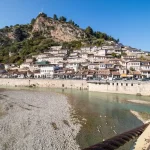
📷 Featured image by Reka Illyes on Unsplash.