💰 Click here to see Bulgaria Budget Breakdown
💰 Prices updated: November, 2026. Budget figures are estimates — always verify before travel.
Exchange Rate: $1 USD = €0.90
Daily Budget (per person)
Shoestring: €30.00 – €50.00 ($33.48 – $55.80)
Mid-range: €60.00 – €100.00 ($66.96 – $111.59)
Comfortable: €150.00 – €250.00 ($167.39 – $278.99)
Accommodation (per night)
Hostel/guesthouse: €10.00 – €25.00 ($11.16 – $27.90)
Mid-range hotel: €45.00 – €95.00 ($50.22 – $106.01)
Food (per meal)
Budget meal: €8.00 ($8.93)
Mid-range meal: €20.00 ($22.32)
Upscale meal: €50.00 ($55.80)
Transport
Single metro/bus trip: €0.80 ($0.89)
Monthly transport pass: €25.50 ($28.46)
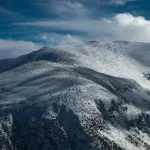
Bulgaria‘s famous mountains come with crowds, queues and rising prices in 2026. The Rhodopes are the quiet alternative. Pine forests, deep river gorges and stone villages stretch along the Greek border, and you can walk for hours without meeting another hiker. Most visitors still treat them as an afterthought to Plovdiv. This guide shows why that is a mistake.
Why the Rhodopes Feel Different
Rila and Pirin are sharp and rocky. The Rhodopes are rounded, forested and layered, like waves of green rolling toward the horizon. The range is among the oldest in the Balkans, and it feels settled and unhurried. Villages cling to slopes at 1,000 to 1,500 metres, and shepherds still move flocks along the same paths their grandparents used.
The region is also a cultural mix. Orthodox Christian and Muslim communities have lived side by side here for centuries. You will see churches and mosques in the same valley, and hear both Bulgarian and Turkish in village shops. Myth runs deep too. Ancient Thracians believed Orpheus was born in these hills, and the region still treats him like a local.
Where to Go for Real Wilderness
Trigrad Gorge and the Devil’s Throat Cave
Trigrad Gorge is a narrow canyon with limestone walls that rise almost straight up. A short walk from the village leads to the Devil’s Throat Cave (Dyavolskoto Gurlo). Inside, a river vanishes into a huge chamber with a roar you feel in your chest. Cool, damp air hits you at the entrance, even in July. Go early, before tour groups arrive.
The Wonderful Bridges
In the Western Rhodopes, two huge natural rock arches span a river valley. The short walk from the parking area runs through quiet forest. The viewpoint is free, and the light is best in the morning.
Perperikon and the Eastern Rhodopes
The eastern side is drier, with open hills and bare rock. Perperikon is an ancient Thracian rock city that was later used by Romans and medieval Bulgarians. You climb carved stone steps through ruins that are thousands of years old. It sits near Kardzhali, so pair it with a night there.
Hiking Around Smolyan and Chepelare
The area around Smolyan has glacial lakes, waymarked trails and wide meadows. The Smolyan Lakes make an easy half-day walk. For longer routes, start from Chepelare or Pamporovo and follow ridge paths where you hear only wind and cowbells.
Villages, Monasteries and Living Traditions
Shiroka Laka is the village to see. Its two-storey stone houses have wooden balconies and slate roofs, and cobbled lanes wind between them. It is home to a respected folk music school. In winter, the Kukeri masquerade festival fills nearby villages with costumed dancers wearing huge bells.

Bachkovo Monastery, near Asenovgrad, is Bulgaria’s second-largest. Its frescoes and courtyards are quiet on weekday mornings, and the smell of old wood and candle wax lingers in the church. Dress modestly, with shoulders and knees covered.
Velingrad adds a different note. It is known for hot mineral springs, and the town is dotted with spa hotels and parks.
What to Eat and Where
Rhodope food is hearty mountain cooking, made for cold nights. Look for patatnik, a baked dish of grated potato, onion and spearmint, a staple of Smolyan-area kitchens. Try local sheep’s milk cheese, thick yoghurt and dry-cured Rhodope lukanka, a flat spiced sausage. Beans slow-cooked in clay pots arrive bubbling, with smoky bacon on top.
Eat at village mehanas (traditional taverns) rather than hotel restaurants. Shiroka Laka, Trigrad and Chepelare all have family places with open fires and short menus. Smolyan’s centre has more choice and good lunch spots. Many guesthouses serve breakfast with homemade jam and fresh banitsa, and the smell of it baking is hard to resist.
Getting There and Around in 2026
Bulgaria joined the eurozone on 1 January 2026, so prices are now officially in euro. Shops and restaurants display both euro and lev prices throughout 2026. The fixed rate is 1.95583 BGN per 1 EUR, which makes conversion easy. Bulgaria is also fully inside Schengen, so travelling in from Greece by road is now smooth.
- From Sofia: Take the train or bus to Plovdiv (about 2 to 2.5 hours). From there, buses run from Plovdiv’s Rodopi bus station to Smolyan (around 2 hours), Chepelare and Asenovgrad. Direct buses from Sofia also reach Velingrad and Smolyan.
- By narrow-gauge train: Bulgaria’s only narrow-gauge railway links Septemvri, Velingrad and Dobrinishte. It is slow and scenic, with mountain views and small stations. Check the current timetable on the national railway site before planning around it.
- By car: This is the best option. The road from Plovdiv through Asenovgrad is well maintained. Mountain roads are narrow and winding, so allow extra time and avoid driving them after dark in winter.
- Locally: Buses between villages are infrequent. Taxis are cheap for short hops, and some guesthouses arrange trail transfers.

Day Trip or Overnight?
From Plovdiv, a day trip works for Bachkovo Monastery and Asenovgrad’s fortress. It covers about 30 km each way, and you can be back for dinner.
Trigrad, Smolyan, Shiroka Laka and the Wonderful Bridges are too far apart for one day. Base yourself in the mountains for at least two nights. Three nights lets you add a long hike or Perperikon. Staying overnight also gets you the best part, which is the evening quiet, when mist lifts off the valleys and woodsmoke drifts from village chimneys.
2026 Budget Reality
The Rhodopes remain cheaper than Bansko or the Black Sea coast. These estimates are per person, per day, with two people sharing rooms.
- Budget: 90 to 130 BGN (46 to 66 EUR / about $50 to $72). Guesthouse room, bus travel, mehana meals and free hikes.
- Mid-range: 200 to 300 BGN (102 to 153 EUR / about $110 to $165). Boutique guesthouse or small hotel, rental car share, full meals and cave and monastery entries.
- Comfortable: 400 to 600 BGN (204 to 307 EUR / about $220 to $330). Spa hotel in Velingrad or Pamporovo, private driver or car, and restaurant dinners.
Typical costs: a village guesthouse room runs 60 to 110 BGN (31 to 56 EUR). A hearty mehana meal costs 18 to 35 BGN (9 to 18 EUR). A rental car costs about 70 to 120 BGN per day (36 to 61 EUR). The Devil’s Throat Cave entry is roughly 10 BGN (5 EUR). Prices climb in ski season, from late December to March.
Seasons and Practical Tips
Late May to September is best for hiking. Valleys are warm, while higher ground stays at a comfortable 15 to 22°C. October brings gold and red beech forests, and fewer visitors. Winter is for skiing at Pamporovo or soaking in Velingrad’s spas. Spring can be muddy, and snow may linger above 1,500 metres into May.
- Fog can arrive quickly. Start hikes early and tell your host your route.
- Shepherd dogs guard flocks seriously. Walk calmly around them and give them space.
- Fill your fuel tank in larger towns like Smolyan or Asenovgrad. Stations get sparse in the high valleys.
- Carry a light rain jacket even in summer, because mountain showers come fast.
Frequently Asked Questions

How many days do you need in the Rhodope Mountains?
Three nights is the sweet spot. It gives you one day for Trigrad and the Devil’s Throat Cave, one for Shiroka Laka and Smolyan, and one flexible day for hiking or Perperikon. With only one day, base yourself in Plovdiv and visit Bachkovo Monastery.
Do you need a car to visit the Rhodopes?
A car makes the Rhodopes far easier, especially for Trigrad, the Wonderful Bridges and mountain villages. Buses link Plovdiv, Smolyan, Chepelare and Velingrad, but services thin out in the evenings and on weekends. Without a car, choose one base town and use local taxis for short hops.
What is the best time to visit the Rhodope Mountains?
Late May to September suits hiking, with cool air at 1,000 to 1,500 metres while valleys stay warm. October brings golden beech forests and quiet trails. December to March is for skiing at Pamporovo. April can be muddy, and higher trails may hold snow into May.
Is it safe to hike in the Rhodopes alone?
Yes, crime is low in Rhodope villages. The main risks are weather and navigation. Mist can arrive fast, mobile signal drops in gorges, and some trail markings fade. Tell your guesthouse your route, carry offline maps, and keep your distance from shepherd dogs, which take guarding flocks seriously.
Can you visit the Rhodopes in winter without skiing?
Yes. Velingrad’s mineral spas are especially appealing in winter, and snowshoe walks around Pamporovo and Chepelare are popular. Mountain roads are usually cleared, but winter tyres are strongly advised, and chains may be required on signed sections. Allow extra driving time after snowfall.