On this page
Summer in Bulgaria means heat, crowded coastlines and higher accommodation prices. October gives you the same country at a calmer pace. Bulgaria also adopted the euro on 1 January 2026, so prices can look different from older guidebooks. This guide shows you where to find the best autumn colour, what to eat, how to move around and what it costs.
Why October Beats Summer in Bulgaria
By October the heat has gone and most of the tourist crowds have left. Hiking is comfortable, guesthouse owners have time to talk, and village life is in harvest mode. Beech, oak and walnut trees turn gold and copper across the hills, and mountain air is crisp and clear.
The trade-off is the Black Sea coast. Many beach resorts wind down by October, so this is a mountains, villages and cities trip rather than a beach trip. Plan around that and the month works very well.
Where the Colour Peaks: Mountain Forests
Bulgaria’s mountains give you the strongest autumn colour. Altitude matters. Higher forests change first, usually in early to mid October, and lower slopes follow later in the month.
- Rila Mountains: Beech and larch forests glow around the Rila Monastery area, and higher lakes and ridges can see a first dusting of snow late in the month.
- Rhodope Mountains: Rolling hills covered in mixed forest. They are gentler than Rila and good for slow drives between villages.
- Central Balkan (Stara Planina): Wilder and quieter, with long trails and few other walkers.
- Vitosha: Sofia’s own mountain is a half-day escape. You can be on a forest trail within an hour of leaving the city centre.
Walking through beech woods in mid-October means leaves crunching underfoot and cold, resin-scented air. Mountain huts and lifts often change their schedules after the summer season, so check opening status before you go.
Monasteries and Villages in Autumn Light
Bulgaria’s Orthodox monasteries look their best when the trees around them turn. Rila Monastery, a UNESCO World Heritage Site, sits in a forested valley, and its striped arches and painted walls look warm against the autumn hills. Go early in the day, before the tour buses arrive, and you will hear little besides bells and running water.
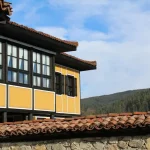
Small villages are the other highlight. Melnik, Bulgaria’s smallest town, sits among sandstone pyramids and vineyards, and the rock formations turn amber in late afternoon light. In the Rhodopes, stone-and-timber villages such as Shiroka Laka have woodsmoke drifting from chimneys by evening. Many of these places have family guesthouses where the host cooks dinner from the garden.
The Harvest Table: Food, Rakia and Wine
October is when Bulgarian kitchens are busiest. Roasted red peppers are peeled and jarred, lyutenitsa (a spread of peppers and tomatoes) is cooked in big pots, and families prepare for winter. You will smell charcoal-roasted peppers in markets and on village streets.
What to look for:
- Tikvenik: A sweet pumpkin banitsa with walnuts and cinnamon, common in bakeries in autumn.
- Roasted chestnuts: Sold in paper cones by street vendors in cities.
- Grapes and new wine: The harvest runs into autumn. Many wineries welcome visitors, and Melnik and the Thracian Valley are well-known wine regions.
- Rakia: Fruit brandy is traditionally distilled in autumn in many villages. If a host offers a glass, accept a small one. It is strong.
- Mehana dinners: Traditional taverns serve bean soup, grilled meats and baked dishes that suit cold evenings.
Local fairs and wine events happen around the country in autumn, but dates change every year. Check with local tourist offices or wineries close to your travel date.
Plovdiv, Sofia and Veliko Tarnovo in Autumn
City days are good for cooler, greyer weather. Plovdiv is the best fit. Its Old Town cobblestones and Roman theatre are far more pleasant to walk without the summer heat, and the café terraces stay open on mild days. Sofia has parks full of yellow leaves, and café chatter along Vitosha Boulevard continues into the evening if you wrap up warm. Veliko Tarnovo sits on a dramatic river gorge, and the Tsarevets fortress looks best in clear autumn air.
Bring a rain layer. October showers are common, so keep museums, galleries and covered markets on your list as backups.
Weather, Daylight and What to Pack
Typical October temperatures vary by region. In Sofia, days often sit around 12 to 18°C, with chilly mornings that can drop close to freezing late in the month. The southern lowlands and the Black Sea coast are often a little milder. In the high mountains, expect much colder conditions and possible snow.
- Layers: a fleece or light down jacket, plus a waterproof shell
- Waterproof walking shoes with good grip, since wet leaves are slippery
- A hat and light gloves for mountain mornings
- A small headlamp if you hike, because dusk comes early
For getting around, buses and trains connect major cities, but villages and trailheads are much easier with a rental car. If you drive, a valid e-vignette is required on Bulgaria’s main roads, and mountain roads can be foggy or icy at higher altitudes. Bulgaria is fully in Schengen, so entry rules depend on your nationality and the usual Schengen checks. Confirm requirements for your passport before you travel.
October 2026 Budget Reality
Bulgaria joined the eurozone on 1 January 2026, at a fixed rate of 1.95583 lev per euro. You may still see lev prices on some tags and menus. The figures below are approximate daily estimates per person, excluding flights, and they vary by region and venue. USD amounts are rounded and move with exchange rates.
- Budget: about 100 to 150 BGN per day (roughly €51 to €77 / $55 to $85). This covers a hostel bed or simple room, bakery breakfasts at 4 to 8 BGN, a mehana meal at 15 to 25 BGN and local buses.
- Mid-range: about 220 to 350 BGN per day (roughly €112 to €179 / $120 to $195). This covers a comfortable guesthouse or 3-star hotel, a sit-down dinner with wine and some paid entry fees. A rental car adds around 60 to 120 BGN per day.
- Comfortable: about 450 BGN and up per day (roughly €230+ / $250+). This covers a boutique hotel or spa stay, winery tastings, guided hikes or private transfers, and long restaurant dinners.
Autumn prices are generally lower than peak summer prices in many mountain and village areas. Spa towns and wine regions can fill up on weekends, so book those early.
Frequently Asked Questions
Is October a good month to visit Bulgaria?
Yes. October offers fall colour, comfortable hiking weather, fewer tourists and harvest-season food. Expect cooler days and some rain. The Black Sea beach season is mostly over, so plan for mountains, villages, wine regions and city sightseeing instead.
What is the weather like in Bulgaria in October?
Daytime temperatures in lowland cities usually range from about 12 to 18°C, with cold mornings and evenings. Mountains are much colder, and early snow is possible at high altitude by late October. Rain showers are common, so pack waterproof layers.
Where can I see the best autumn colours in Bulgaria?
The Rila, Rhodope and Central Balkan mountains have excellent forests, and Vitosha is the easiest option from Sofia. Higher areas change colour earlier. Mid-October is usually the best window for mid-altitude forests, though timing shifts each year with the weather.
Do I need a car to enjoy Bulgaria in autumn?
A car is not required for cities like Sofia, Plovdiv and Veliko Tarnovo, which have bus and train links. For villages, monasteries and trailheads, a rental car gives much more freedom. Check weather and road conditions before driving in the mountains.
What currency should I use in Bulgaria in 2026?
Bulgaria adopted the euro on 1 January 2026, so euros are the official currency. You may still see lev prices displayed in some places. The fixed conversion rate is 1.95583 lev per euro. Carry a little cash for small villages and rural guesthouses.
Explore more
Warm Up in October 2026: Discover Bulgaria’s Thermal Spa Retreats
September 2026: Bulgaria’s Charm Without the Summer Crowds
Taste of Autumn: Discovering Bulgaria’s Seasonal Delights in September 2026
📷 Featured image by Luba Ertel on Unsplash.