On this page
- Why June Hits Different in Bulgaria’s Mountains
- The Three Mountain Regions Worth Your Time
- Trail Conditions and What to Actually Expect Underfoot
- What to Pack for Bulgarian Mountain June
- 2026 Budget Reality: What Mountain Hiking Actually Costs
- Mountain Huts: How the System Works
- Safety, Weather Windows, and When to Turn Back
- Frequently Asked Questions
Why June Hits Different in Bulgaria’s Mountains
If you’ve been planning a Bulgarian mountain trip and trying to figure out whether June is too early, too cold, or too crowded — the short answer is that June is one of the best months to go, and most people still don’t know it. July and August bring Bulgarian families and European tourists flooding into Bansko and the Rila Lakes trailheads. June is quieter, greener, and — in the lower and mid elevations at least — absolutely alive.
By early June, the valleys and forest trails between roughly 1,000 and 1,800 metres are in full bloom. The smell of wild thyme and mountain pine hits you before you even reach the tree line. Meadows that look brown and beaten in late summer photos are electric green, dotted with yellow and purple wildflowers that have two or three weeks of peak bloom before the heat flattens them. This is the window.
Above 2,000 metres, the picture is more complicated. Snowfields linger well into June on north-facing slopes in Rila and Pirin, and some high passes stay icy until mid-month. That’s not a reason to avoid the high peaks — it’s a reason to plan honestly and read trail conditions before you go.
The Three Mountain Regions Worth Your Time
Bulgaria has several mountain ranges, but for a June hiking trip you’re really choosing between three: Rila, Pirin, and the Balkan Range (Stara Planina). Each has a genuinely different personality.
Rila
Rila is Bulgaria’s highest and most dramatic range, home to Musala Peak — the highest point in the Balkans at 2,925 metres. The Seven Rila Lakes circuit is the country’s most walked trail, and for good reason: the lakes are stunning, and the trail is well-marked and manageable for fit beginners. In June, the upper lakes may still carry ice at the edges in the early morning, which adds something the August crowds never see. Access from Sofia is straightforward, with regular buses to Samokov and onward connection to the Rila Lakes chairlift.
Pirin
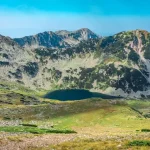
Pirin runs south of Bansko and has a sharper, more alpine feel than Rila — marble peaks, glacial lakes, and far fewer day-trippers on the longer routes. The Vihren Peak trail (2,914 metres) is genuinely achievable for a fit hiker in June, though the final approach can be snow-covered in early June and requires care. Pirin rewards hikers who spend two or three nights in the range rather than treating it as a day trip.
Stara Planina (Balkan Range)
The Balkan Range stretches across the country east to west, and it’s the most underrated hiking destination in Bulgaria. Botev Peak, the highest point in the range, sits above the Kalofer area and offers excellent June conditions without the altitude challenges of Rila or Pirin. The range has a lush, forested character — beech and hornbeam forest, waterfalls still running strong from snowmelt — and the villages along the southern slopes are among the most authentic in the country.
Trail Conditions and What to Actually Expect Underfoot
June conditions vary significantly by elevation and aspect. Here’s what you’ll actually encounter, because hiking blog photos tend to show the best days, not the typical ones.
- Below 1,800 metres: Trails are generally clear, well-marked with the Bulgarian red-white-red painted blazes, and dry by mid-morning even after rain. Some sections through forest can be muddy after overnight rain, so gaiters are useful even if they feel like overkill.
- 1,800–2,200 metres: Mixed conditions. Expect wet, soft ground. Stream crossings that appear on maps as simple hops can be knee-deep in early June due to snowmelt. Walking poles earn their weight here.
- Above 2,200 metres: Expect to encounter snowfields on north-facing slopes, especially in the first half of June. These are usually passable without crampons for experienced hikers, but they are steep in places and an uncontrolled slip is a real hazard. Microspikes are worth packing if you plan to cross high passes before mid-June.
Bulgarian trail marking is generally reliable in the popular areas of Rila and Pirin, but thins out considerably on less-used Stara Planina routes. Download offline maps on Maps.me or Wikiloc before you leave mobile signal range. Do not rely on phone data above the treeline — it is patchy at best.
What to Pack for Bulgarian Mountain June
Most hikers under-prepare for Bulgarian mountain weather in June. The mornings are cold — often 5–8°C at altitude — and the afternoons can be warm enough for a t-shirt before a storm rolls in fast. The gap between the two catches a lot of people.
- Waterproof jacket: Non-negotiable. Not a “showerproof” layer — a proper waterproof with sealed seams. Afternoon thunderstorms are common throughout June, particularly in July and August but already building by late June.
- Mid-layer: A fleece or light down jacket for mornings and hut evenings. Mountain huts are not always warm.
- Trekking poles: Especially important for snowfield crossings and the steep descents on trails like Vihren.
- Microspikes: Useful if you’re hiking before mid-June above 2,200 metres. Lightweight and worth the 400g.
- Sun protection: The UV intensity at altitude in June is high and most visitors underestimate it. Factor 50 and sunglasses with UV protection.
- Water capacity: At least 2 litres. Mountain streams in Rila and Pirin are generally safe to drink, but carry a filter or purification tablets for safety.
One thing many visitors miss: blister management. Bulgarian mountain trails are rocky and uneven, and a hot spot that would be fine on a short walk becomes a trip-ending blister by day two. Break in your boots before you arrive.
2026 Budget Reality: What Mountain Hiking Actually Costs
Bulgaria remains one of the most affordable mountain hiking destinations in Europe, but prices have risen steadily since 2022. Here’s an honest breakdown for a June 2026 trip.
Transport
- Sofia to Bansko by bus: approximately 20–25 BGN (€10–13) one way
- Sofia to Samokov (Rila access): approximately 10–12 BGN (€5–6) one way
- Rila Lakes chairlift (seasonal operation, typically from late May): approximately 25–30 BGN (€13–15) return
Mountain Hut Accommodation (per person per night)
- Budget (dormitory bunk): 25–35 BGN (€13–18)
- Mid-range (smaller room, 3–4 beds): 45–60 BGN (€23–31)
- Comfortable (double room where available): 70–100 BGN (€36–51)
Food at Huts
- Dinner (typically bean soup, grilled meat, bread): 15–25 BGN (€8–13)
- Breakfast (eggs, bread, coffee): 10–15 BGN (€5–8)
Daily Budget Estimates
- Budget traveller (dorm, simple food, own transport): 60–80 BGN/day (€31–41)
- Mid-range (small room, proper meals, taxi transfers): 120–160 BGN/day (€61–82)
Mountain Huts: How the System Works
Bulgaria has a well-established network of mountain huts — хижи (hizhи) — that form the backbone of multi-day hiking in Rila and Pirin. Understanding how they work saves a lot of confusion on the trail.
Most huts are owned and operated by the Bulgarian Tourist Union or by private families. Standards vary enormously — some are renovated, warm, and serve decent food; others are spartan, cold in the evenings, and have basic outdoor facilities. The key is to book ahead for June, even though it’s before peak season. Huts on the Seven Rila Lakes route and the popular Pirin traverse fill up on weekends from late May onward.
Booking is typically done by phone or through the hut’s Facebook page — yes, really. The Bulgarian Tourist Union website lists contact details, and some huts now accept online reservations through third-party platforms, but a direct call remains the most reliable method. Bulgarian hut keepers almost always speak some English.
Arrive before 18:00 if you’ve booked — hut keepers won’t hold your bunk much past dinner preparation time without a courtesy call. Dinner is usually served at a fixed time (commonly 19:00), and it’s filling, unpretentious mountain food: bean soup, grilled pork or chicken, bread, and strong coffee. The sound of rain on a metal hut roof and the warmth of a shared dining room after a long day on wet trails is one of those things that stays with you.
Safety, Weather Windows, and When to Turn Back
Bulgarian mountains in June are beautiful but should be respected. Mountain rescue call-outs spike in June every year because hikers arrive underestimating how fast conditions change above 2,000 metres.
Afternoon thunderstorms are the main hazard. They typically build between 13:00 and 16:00 and can go from clear skies to hail and lightning in under 30 minutes at altitude. The rule followed by experienced Bulgarian hikers is simple: be at or below the treeline by 14:00 on days with any cloud building in the morning. Start early — 06:00–07:00 starts are standard for summit attempts.
Solo hiking is common in Bulgaria and the culture is generally self-reliant. That said, registering your route with the local mountain rescue post (Планинска спасителна служба) before a high-altitude solo route is good practice. The emergency number for mountain rescue in Bulgaria is 1410.
Know your turnaround time before you leave the hut. A summit is optional; getting back safely is not. If a snowfield looks steeper or icier than expected, retreating is not failure — several incidents each June involve hikers who continued on terrain beyond their experience.
Frequently Asked Questions
Is June a good month to hike in Bulgaria’s mountains?
June is excellent for hiking in Bulgaria, particularly at mid-elevations where trails are green, wildflowers are blooming, and crowds are smaller than in July and August. High-altitude routes above 2,200 metres may still have snow in early June, requiring some care and basic winter gear like microspikes on certain passes.
Do I need a guide for hiking in Rila or Pirin in June?
Most popular routes — including the Seven Rila Lakes circuit and the Vihren Peak trail — are well-marked and manageable without a guide for fit, experienced hikers. For high-altitude or off-trail routes, especially before mid-June when snow remains, hiring a local guide adds meaningful safety. Local guide associations operate out of Bansko and Samokov.
How far in advance should I book mountain huts in June?
Book at least two to three weeks ahead for weekend stays, and one week ahead for weekday nights. June is quieter than July and August, but popular huts on the Rila Lakes route and main Pirin traverse fill up on Friday and Saturday nights from late May. Contact huts directly by phone or Facebook message.
What is the weather like in Bulgaria’s mountains in June?
Mornings are typically cool and clear, ranging from 5°C to 12°C at altitude. Afternoons warm up but afternoon thunderstorms are common, especially in late June. Pack a proper waterproof jacket regardless of the forecast. Above 2,000 metres, temperatures can drop sharply in rain or wind at any point during the month.
Can I get to Bulgarian mountain trailheads by public transport?
Yes, the main access points are reachable by bus from Sofia and other cities. Bansko serves as the gateway to Pirin, and Samokov is the main hub for Rila, with seasonal connections to the Rila Lakes chairlift. For more remote trailheads in Stara Planina, renting a car or using local taxis gives you significantly more flexibility.
Explore more
Bulgaria’s Black Sea Coast: Your Essential June 2026 Summer Guide
Bulgaria in May 2026: Pleasant Weather for Exploring Ancient Sites
Your Guide to Bulgaria’s Rose Valley Festival in May 2026
📷 Featured image by Jillian Amatt - Artistic Voyages on Unsplash.