Ruse sits on the Danube in northeastern Bulgaria and still gets overlooked by travellers rushing south to the coast or west to Sofia. That’s changing. Since Bulgaria’s full Schengen land border integration in early 2025, crossing from Romania into Ruse has become faster and more straightforward, and a wave of city-break visitors from Bucharest — just 70 kilometres away — has pushed the city’s tourism infrastructure into noticeably better shape. If you’re planning a trip in 2026, the practical side of visiting Ruse is easier than ever, but it still rewards people who do their homework.
When to Visit Ruse
Ruse has a continental climate with real extremes. Summers regularly hit 35–38°C, and the humidity rolling off the Danube makes July and August feel heavier than inland cities. Winters drop to -5°C or colder, and the wind off the river in January is sharp and relentless.
The sweet spots are late April through early June and September through October. In spring, the chestnut trees lining Svoboda Square are in full bloom and the light on the Neo-Baroque facades turns golden in the late afternoon. Autumn brings cooler temperatures, the Danube sitting low and glassy, and far fewer day-trippers from Bucharest and Varna.
If you want cultural events, Ruse’s March Music Days festival runs annually through March and into early April, filling the Philharmonic and several historic venues with classical performances. The city feels genuinely alive during this period and hotels book out faster than locals expect.
Getting to Ruse in 2026
There is no commercial airport in Ruse. The nearest options are Sofia Airport (320 km west) and Bucharest Henri Coandă Airport (about 75 km north, across the Danube). Most international travellers flying into the region land in Bucharest, then travel overland — which is genuinely practical and cheaper than routing through Sofia.
By Train
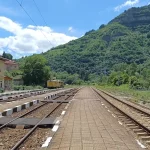
Direct trains connect Sofia and Ruse in roughly 5–6 hours. The Bulgarian State Railways (BDZ) service is comfortable enough, the scenery through the Balkan Mountains is striking, and tickets are cheap — around 25–35 BGN (€12–18) in second class. From Bucharest, international trains cross the Friendship Bridge and arrive at Ruse Central Station. Journey time is around 2.5 hours. In 2026 the Bucharest–Ruse rail service runs twice daily with improved rolling stock introduced on this corridor.

By Bus
Bus connections from Sofia, Varna, and Bucharest are frequent and fast. Sofia–Ruse takes around 4 hours by bus; Varna–Ruse is about 3 hours. Several private operators run these routes, and tickets can be booked through the Avtogara (bus station) websites or in person. Expect to pay 20–30 BGN (€10–15) from Sofia.
By Car
Driving from Sofia via the A2 Hemus Motorway is the most flexible option. The motorway now extends far enough east to cut travel time significantly compared to a few years ago — expect around 3.5 hours in normal traffic. From Bucharest, you cross via the Friendship Bridge (Danube Bridge 1), the only road crossing between Bulgaria and Romania at this point. Post-Schengen, passport checks here are lighter for EU citizens, but non-EU visitors should still allow extra time during peak weekends — queues can build in summer.
Getting Around the City
Ruse’s historical centre is compact enough to cover almost entirely on foot. From the main Svoboda Square to the Danube riverfront promenade is a flat 10-minute walk. Most of the architecture worth seeing — the opera house, the Regional History Museum, the Zahari Stoyanov Museum — falls within a walkable core area.
The riverside Promenade Pridunavski is the city’s main outdoor corridor, stretching along the southern bank of the Danube. Walking it in the early evening, with the smell of river air mixing with food from the open terrace restaurants and the lights of Giurgiu, Romania, flickering across the water, gives you an immediate sense of Ruse’s geography and easy-going pace.
Taxis and Rideshare
Licensed taxis in Ruse are affordable and use meters. A cross-town trip rarely exceeds 8–12 BGN (€4–6). The Bolt app operates in Ruse in 2026 and is generally the most transparent option for pricing. Avoid unlicensed taxis waiting outside the train station.
Local Buses
City buses cover the outer neighbourhoods and are numbered and mapped online. A single ticket costs 1.60 BGN (under €1). Useful if you’re staying in a residential area away from the centre, or heading to the Pantheon of National Revival Heroes on the hill north of town. Bus routes and live tracking are available through a city app updated in 2025.
Where to Stay
The centre of Ruse is the obvious base and has the widest range of options. Staying within walking distance of Svoboda Square means you can reach the riverfront, restaurants, and cultural sites without any transport.

The Pantheon and Riverside areas are quieter and suit visitors who want a less commercial feel. Some guesthouses and boutique rental apartments have opened in the renovated 19th-century residential streets here since 2024.
Near the train station is functional but lacks atmosphere. It’s convenient for early arrivals or late departures — nothing more.
Ruse doesn’t have international chain hotels in any significant number. The accommodation market is dominated by independently owned hotels, aparthotels, and private rentals through Airbnb and Booking.com. Standards have improved steadily, and reviews in 2026 are noticeably more consistent than they were two years ago.
2026 Budget Reality
Ruse is cheaper than Sofia and significantly cheaper than coastal resorts in peak season. Here’s what to expect in 2026:
- Budget accommodation: 45–75 BGN per night (€23–38 / $25–41) — hostel dorms or basic guesthouses
- Mid-range hotels/aparthotels: 100–160 BGN per night (€51–82 / $55–88)
- Comfortable boutique hotels: 180–260 BGN per night (€92–133 / $100–145)
- Coffee (espresso): 2.50–3.50 BGN (€1.30–1.80)
- Lunch at a local restaurant: 14–22 BGN (€7–11) with a drink
- Dinner at a mid-range restaurant: 30–55 BGN per person (€15–28)
- Museum entry: typically 5–8 BGN (€2.50–4)
- City bus single ticket: 1.60 BGN (€0.82)
A realistic daily budget for a solo traveller staying mid-range, eating well, and visiting a couple of sites is 120–180 BGN (€62–92). Couples sharing accommodation can reduce the per-person cost substantially.
What Catches First-Time Visitors Off Guard
Ruse looks immediately impressive. The 19th-century Austro-Hungarian and Italian-influenced architecture gives the streets a central European feel that surprises people expecting a typical Bulgarian town. That visual elegance can create a false sense of everything being set up for tourists. It isn’t — and that’s actually a good thing.
Service is slower than in Sofia. Restaurants in the centre are not in a rush, and neither are the staff. If you sit down for lunch expecting a 45-minute turnaround, adjust. Settle in, order, and use the time. Ruse has a genuinely relaxed pace that most visitors end up appreciating.
Many businesses still prefer cash. Card terminals are common in hotels and larger restaurants, but smaller cafés, market stalls, and some museums are cash-preferred or cash-only. There are ATMs throughout the centre — use a bank ATM rather than standalone machines near tourist areas for better rates.
Romanian day-trippers are now a noticeable presence on weekends, especially along the riverfront. This has pushed a few cafés to adopt weekend pricing. It’s marginal, but worth knowing if you’re on a tight budget — a weekday visit to the same spots will often be calmer and marginally cheaper.

The Danube looks calm and wide, but swimming is not permitted from the city promenade area. The current is strong and the shipping lane runs close. A number of visitors ignore this every summer and it creates real danger.
Staying Connected and Safe
Bulgarian SIM cards are widely available at mobile operator shops in the centre — A1, Yettel, and Vivacom all have coverage throughout Ruse. A tourist SIM with 10–15 GB of data costs around 15–25 BGN (€8–13). If you’re arriving from Romania, roaming under EU rules applies for EU residents, so check your home plan before buying a local SIM.
Ruse is a calm, low-crime city by European standards. Petty theft around the train station and bus terminal is the main thing to be aware of — keep bags close in those areas. The rest of the centre feels safe at night, including the riverfront promenade.
Emergency numbers: 112 (universal emergency, EU-standard). Ruse has a well-equipped regional hospital — MHAT Ruse — with English-speaking staff in the ER available in 2026. Pharmacies (apteki) are common in the centre and typically open until 20:00; one 24-hour pharmacy operates near the main square.
Free public WiFi is available in Svoboda Square and several riverside café zones, though quality varies. Hotel WiFi in mid-range properties is reliably fast. If you need consistent connectivity for work, a local SIM is the better solution.
Frequently Asked Questions
How many days should I spend in Ruse?
Two full days is enough to see the main sights, walk the riverfront, and eat well. A third day allows for a day trip — Ivanovo Rock Monastery is 20 km south, and Rusenski Lom Nature Park is worth half a day. Longer stays are for slow travellers who want to genuinely settle into the city’s pace.
Is Ruse easy to visit without speaking Bulgarian?
Yes, especially in 2026. Younger staff in hotels, restaurants, and tourist sites generally speak functional English. Older locals may not, but pointing and patience work fine. Having Google Translate on your phone with Bulgarian downloaded for offline use covers most gaps you’ll encounter.
Can I cross into Romania from Ruse for a day trip?
Easily. The Friendship Bridge connects Ruse to Giurgiu, Romania. For EU citizens post-Schengen, the crossing is smooth. Non-EU travellers need a valid visa for both countries. Giurgiu itself is small; most people cross further to Bucharest, which is about 70 km north and well worth an overnight.

What is the best way to get from Sofia to Ruse?
The train is scenic and comfortable; the bus is faster. Driving gives you flexibility for stops along the Hemus Motorway corridor. Flying is not a practical option for this route. See the Getting to Ruse section above for timings and prices.
Is Ruse worth visiting in winter?
It’s worth considering if you want an atmospheric, crowd-free experience and don’t mind cold weather. The architecture looks dramatic in low winter light, and the March Music Days festival brings a genuine energy in early spring. January and February are cold and quiet — fine for museum-focused visits, but the riverfront loses much of its appeal when temperatures drop below freezing.
Explore more
The Ultimate Ruse Shopping Guide: Where to Find the Best Deals
Where to Stay in Ruse: Your Guide to the City’s Top Districts
What to Buy in Ruse: Top Souvenirs & Local Treasures
📷 Featured image by Valery Balabanov on Unsplash.