On this page
- Bachkovo Monastery: Bulgaria’s Second Largest Orthodox Complex
- Asen’s Fortress: Medieval Citadel Above the Clouds
- Devin: Mountain Town and Gateway to Hot Springs
- Shiroka Laka: Traditional Revival Architecture Village
- Wonderful Bridges: Natural Stone Arches in the Rhodopes
- Starosel Thracian Complex: Ancient Royal Tombs
- Hisarya: Roman Spa Town with Mineral Springs
- Planning Your Perfect Day Trip: Transport and Timing Tips
- Frequently Asked Questions
💰 Click here to see Bulgaria Budget Breakdown
💰 Prices updated: August, 2026. Budget figures are estimates — always verify before travel.
Exchange Rate: $1 USD = €0.86
Daily Budget (per person)
Shoestring: €35.00 – €50.00 ($40.70 – $58.14)
Mid-range: €60.00 – €100.00 ($69.77 – $116.28)
Comfortable: €150.00 – €200.00 ($174.42 – $232.56)
Accommodation (per night)
Hostel/guesthouse: €5.00 – €20.00 ($5.81 – $23.26)
Mid-range hotel: €55.00 – €95.00 ($63.95 – $110.47)
Food (per meal)
Budget meal: €12.00 ($13.95)
Mid-range meal: €25.00 ($29.07)
Upscale meal: €60.00 ($69.77)
Transport
Single metro/bus trip: €0.80 ($0.93)
Monthly transport pass: €25.50 ($29.65)
Plovdiv‘s central location in the Rhodope foothills makes it Bulgaria’s best base for exploring diverse landscapes within two hours. While most visitors stick to the Old Town’s cobblestones, the real treasures lie beyond the city limits — from Europe’s largest monastery complex to natural hot springs that have bubbled up since Roman times. In 2026, improved regional bus connections and new hiking trail markings have made these destinations more accessible than ever.
Bachkovo Monastery: Bulgaria’s Second Largest Orthodox Complex
Founded in 1083, Bachkovo Monastery sprawls across terraced gardens 30 kilometres south of Plovdiv, its red-tiled roofs and white walls creating a striking contrast against the Rhodope Mountains. The monastery’s miraculous icon of the Virgin Mary draws pilgrims year-round, but the real draw for day-trippers is the peaceful atmosphere and exceptional frescoes.
The main church contains some of Bulgaria’s finest medieval artwork, including 17th-century frescoes that cover every inch of the interior walls. The colours remain vivid — deep blues and gold leaf that seem to glow in the filtered light streaming through small windows. Outside, the monastery’s courtyard fountain provides a constant gentle trickle of mountain water, while massive plane trees offer shade on hot summer afternoons.
The monastery operates a small guesthouse and restaurant serving traditional meals. Their monastery bread, baked fresh each morning, pairs perfectly with local honey and cheese. Vegetarian options follow Orthodox fasting traditions.
Getting there: Bus 7 from Plovdiv’s South Bus Station runs every 90 minutes (4 BGN, 45 minutes). The last return bus departs at 6:30 PM. Alternatively, organised tours cost 40-50 BGN per person.
Asen’s Fortress: Medieval Citadel Above the Clouds
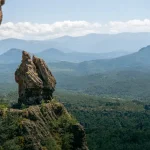
Perched on a knife-edge ridge 279 metres above the Asenitsa River, Asen’s Fortress offers the Rhodopes’ most dramatic views. The 13th-century stronghold clings impossibly to vertical cliffs, its remaining walls and towers creating a fairy-tale silhouette against mountain peaks that stretch to the Greek border.

The climb to the fortress takes 20 minutes through pine forest, following a well-marked trail that switchbacks up the rocky slope. At the top, the preserved Church of the Holy Mother of God houses original frescoes from 1259, remarkably intact despite centuries of exposure. The fortress walls frame panoramic views over the Assenova Valley, where morning mist often fills the gorge like a white sea.
The fortress connects perfectly with Bachkovo Monastery — they’re only 8 kilometres apart. Many visitors combine both sites, spending morning at the monastery and afternoon at the fortress. The contrast works brilliantly: peaceful monastery gardens followed by windswept mountain drama.
Getting there: Take the Bachkovo bus and ask the driver for the Asen’s Fortress stop (Асенова крепост). The trail begins directly from the road. Return buses use the same schedule as Bachkovo service.
Best Photography Times
Golden hour (one hour before sunset) transforms the fortress into a photographer’s dream. The warm light illuminates the ancient stones while casting deep shadows in the valley below. In winter, morning visits often reward patient photographers with a sea of clouds filling the gorge.
Devin: Mountain Town and Gateway to Hot Springs
Devin sits in a bowl-shaped valley 45 kilometres southwest of Plovdiv, surrounded by peaks that rise over 1,500 metres. This small town serves as the gateway to the Rhodopes’ best natural hot springs and hiking trails, plus Bulgaria’s purest bottled water source.
The town’s main attraction is the Devin Spa Hotel’s thermal pools, fed by springs that maintain 37°C year-round. Unlike touristy spa resorts, these pools retain an authentic local atmosphere. Bulgarians have been soaking in these waters for generations, believing in their healing properties for joint problems and skin conditions.

The aroma of sulphur mingles with pine scent from surrounding forests, creating an oddly appealing mountain spa atmosphere. Pool temperatures range from a gentle 32°C to a therapeutic 42°C, allowing visitors to find their comfort zone. The outdoor pools operate year-round, creating a surreal experience of soaking in hot water while snowflakes land on your head in winter.
Beyond the hot springs, Devin offers excellent hiking access to the Rhodopes’ highest peaks. The trail to Golyam Perelik (2,191m) — Bulgaria’s second-highest peak — begins just outside town. Day hikers can reach scenic viewpoints within 2-3 hours without attempting the full summit.
Getting there: Direct buses from Plovdiv run three times daily (12 BGN, 75 minutes). The 8:00 AM departure allows a full day of exploration with return at 6:15 PM.
Spa Hotel Options
The main Devin Spa Hotel charges 15 BGN for day access to all pools and facilities. Smaller guesthouses offer thermal pool access for 8-10 BGN. Most provide towels and changing rooms.
Shiroka Laka: Traditional Revival Architecture Village
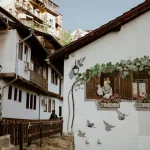
Shiroka Laka feels frozen in the 19th century, its stone houses with wooden upper floors cascading down mountain slopes like a traditional Rhodope amphitheatre. This architectural reserve showcases Bulgaria’s National Revival period better than any museum, with over 200 protected buildings creating an authentic historical atmosphere.
The village’s cobblestone streets wind between houses that exemplify traditional Rhodope construction: massive stone foundations supporting timber upper floors with wide eaves and wooden balconies. Many homes still use traditional slate roofing, which develops a silver patina that gleams after mountain rain.
Local families maintain the old ways — you’ll hear the melodic sound of traditional Rhodope singing drifting from workshops where artisans craft wooden instruments. The village is famous for its kaba gaida (bagpipe) makers, whose instruments are prized throughout the Balkans.

The village restaurant, located in a converted 19th-century house, serves exceptional local specialties. Their slow-cooked lamb with mountain herbs captures the essence of Rhodope cuisine, while homemade bread baked in wood-fired ovens provides the perfect accompaniment.
Getting there: Take the Devin bus and change in Smolyan (total journey 2.5 hours, 18 BGN). Alternatively, organized tours from Plovdiv cost 65-75 BGN including transport and guide.
Traditional Music Experiences
Visit during summer weekends when local musicians gather in the village square for informal concerts. The haunting melodies of Rhodope folk songs, accompanied by traditional instruments, create an unforgettable cultural experience.
Wonderful Bridges: Natural Stone Arches in the Rhodopes
The Wonderful Bridges (Chudnite Mostove) rank among Bulgaria’s most spectacular natural formations — two massive marble arches spanning a mountain gorge like ancient Roman engineering. These limestone bridges formed over millions of years as underground rivers carved through the rock, leaving natural spans up to 15 metres wide.
The larger bridge reaches 40 metres in length and soars 45 metres above the valley floor. Walking across the naturally flat stone surface feels surreal — nature has created what appears to be deliberate architecture. The smaller bridge, 250 metres downstream, offers equally impressive proportions in a more intimate setting.
The site’s hiking trails connect both bridges through dense beech and pine forest. Spring brings wild orchids and other mountain flowers, while autumn transforms the forest into a golden canopy. The sound of rushing water from the stream far below creates a constant natural soundtrack.
Crystal-clear mountain air and dramatic lighting make this a photographer’s paradise. The white marble bridges contrast beautifully with the dark green forest, especially during the golden hour when warm light illuminates the stone arches.
Getting there: Take a bus toward Smolyan and ask for the Wonderful Bridges stop (Chudnite Mostove). The site is 55 kilometres from Plovdiv, accessible by morning buses with afternoon returns. Private car rental offers more flexibility for exploring the area.

Hiking Trail Options
The main trail between both bridges takes 45 minutes each way over moderate terrain. Well-marked paths lead to viewpoints above the bridges, adding another hour to the visit. Proper hiking shoes are essential due to uneven terrain.
Starosel Thracian Complex: Ancient Royal Tombs
The Starosel Thracian Complex reveals Bulgaria’s pre-Roman heritage through the largest Thracian temple and tomb complex in the Balkans. Dating to the 5th century BC, these underground chambers and temples showcase the sophisticated culture that thrived in these mountains 2,500 years ago.
The main tomb, known as Chetinyova Mogila, features an impressive stone corridor leading to a circular burial chamber with a domed ceiling. The precision stonework rivals anything built by Greeks or Romans of the same period. Walking through the narrow entrance tunnel, lit only by small spotlights, creates an otherworldly atmosphere that connects visitors directly to Bulgaria’s ancient past.
The complex includes multiple burial mounds scattered across rolling hills covered with oak and beech forest. The largest mound rises 18 metres high, its stone-lined chambers originally containing golden treasures now displayed in Bulgarian museums.
A modern visitor center opened in 2025, providing detailed English explanations of Thracian burial customs and the archaeological discoveries. Interactive displays help visitors understand the significance of these tombs in ancient Thracian society.
Getting there: The complex lies 35 kilometres northwest of Plovdiv, accessible by regional buses to Hisarya with a short taxi ride (8 BGN). Entry costs 10 BGN for adults, with guided tours available in English for an additional 5 BGN.
Archaeological Significance
Recent excavations have uncovered additional tombs and artifacts, making this one of Europe’s most important Thracian sites. The complex provides insight into a sophisticated civilization that controlled trade routes between Europe and Asia.

Hisarya: Roman Spa Town with Mineral Springs
Hisarya combines Roman ruins with modern spa facilities in Bulgaria’s most elegant thermal resort. The town’s 22 mineral springs have attracted visitors since the 1st century AD, when Romans built the settlement of Diocletianopolis around the healing waters.
The town center features remarkably preserved Roman walls with the original Kamilen Gate still providing entrance to the archaeological zone. Inside these walls, visitors can walk streets that follow the same patterns as 1,800 years ago, while modern spa hotels utilize the same thermal springs that drew Roman emperors.
The mineral water varies dramatically between springs — some taste pleasantly neutral while others carry strong mineral flavours. Locals drink specific waters for different ailments, following traditions passed down through generations. The main drinking fountain in the town center dispenses water at a constant 37°C, creating steam that rises even on warm summer days.
Modern spa facilities range from budget-friendly public baths (8 BGN entry) to luxury hotel spas with indoor and outdoor pools. The contrast between ancient Roman walls and contemporary wellness facilities creates a unique atmosphere found nowhere else in Bulgaria.
Getting there: Regular buses connect Plovdiv and Hisarya every 2 hours (6 BGN, 45 minutes). The town is small enough to explore entirely on foot.
Spa Treatment Options
Public thermal baths offer basic pool access, while hotel spas provide massage therapy, mud treatments, and specialized wellness programs. Prices range from 15 BGN for basic access to 80 BGN for comprehensive spa packages.
Planning Your Perfect Day Trip: Transport and Timing Tips
Success with Plovdiv day trips depends entirely on timing and transport planning. Regional buses follow fixed schedules that determine your visit duration, while some destinations combine perfectly for longer adventures.

Best Combination Routes:
- Bachkovo Monastery + Asen’s Fortress (same bus route, 6-8 hours total)
- Hisarya + Starosel Complex (connected by local buses, full day)
- Devin hot springs + mountain hiking (overnight recommended for full experience)
The Plovdiv South Bus Station serves most Rhodope destinations, while the Central Bus Station handles northern routes to Hisarya and Starosel. Tickets are sold on departure — no advance booking needed for regional services.
Private transport considerations: Car rental opens up multiple destinations per day and eliminates schedule constraints. Daily rates start around 45 BGN for compact cars, plus fuel costs. Mountain roads are generally good quality but require careful driving in winter conditions.
2026 Budget Breakdown (per person):
- Budget day: 25-35 BGN (public transport, entry fees, simple meals)
- Mid-range day: 50-70 BGN (organized tours, restaurant meals, spa access)
- Comfortable day: 90-120 BGN (private transport, guided tours, premium spa treatments)
Seasonal considerations matter significantly. Spring (April-May) offers mild weather and wildflowers but possible rain. Summer provides guaranteed sunny weather but crowds at popular sites. Autumn delivers excellent hiking conditions and beautiful colours. Winter limits outdoor activities but enhances hot spring experiences.
Essential Items to Pack
Mountain weather changes quickly, even on day trips. Bring layers, waterproof jacket, and comfortable walking shoes regardless of season. Swimwear is essential for spa destinations. Camera batteries drain faster in cold weather.
Most restaurants in smaller destinations accept only cash (BGN), so withdraw money in Plovdiv before departing. Card payments work at major attractions and spa hotels.
Frequently Asked Questions
Can I visit multiple destinations in one day from Plovdiv?
Yes, certain combinations work well. Bachkovo Monastery and Asen’s Fortress share the same bus route and can be completed in one day. Hisarya and Starosel also combine well with careful timing.

Do I need a car to reach these destinations?
No, all destinations are accessible by public transport, though schedules limit visit duration. Cars provide more flexibility and enable visiting multiple sites per day.
Are these destinations suitable for winter visits?
Most remain accessible year-round. Hot springs are especially appealing in winter, while monasteries and historical sites operate with reduced hours. Mountain hiking requires proper winter gear.
How much Bulgarian should I know for day trips?
Basic phrases help, but many attractions now offer English information. Bus drivers often speak minimal English, so have your destination written in Cyrillic. Restaurant staff in tourist areas understand simple English.
Are these day trips suitable for families with children?
Yes, most destinations welcome families. Monasteries and historical sites fascinate curious children, while hot springs provide relaxation for all ages. Mountain hiking requires assessment based on children’s abilities and interests.
Explore more
The Ultimate Guide to Shopping in Plovdiv: Souvenirs, Artisans & Markets
Best Places to Eat in Plovdiv, Bulgaria — Where to Find Great Food
Old Town, Kapana, or Center? Choosing Where to Stay in Plovdiv
📷 Featured image by Linda Gerbec on Unsplash.