On this page
- Central Sofia Mall & Underground Retail Districts
- Vitosha Boulevard: Sofia’s Premier Shopping Street
- Traditional Markets and Bazaars
- Designer Boutiques and Local Fashion in Oborishte
- Antique Hunting and Vintage Finds
- Bulgarian Souvenirs: Where to Find the Real Deal
- Budget Shopping Guide 2026
- Frequently Asked Questions
💰 Click here to see Bulgaria Budget Breakdown
💰 Prices updated: August, 2026. Budget figures are estimates — always verify before travel.
Exchange Rate: $1 USD = €0.86
Daily Budget (per person)
Shoestring: €35.00 – €50.00 ($40.70 – $58.14)
Mid-range: €60.00 – €100.00 ($69.77 – $116.28)
Comfortable: €150.00 – €200.00 ($174.42 – $232.56)
Accommodation (per night)
Hostel/guesthouse: €5.00 – €20.00 ($5.81 – $23.26)
Mid-range hotel: €55.00 – €95.00 ($63.95 – $110.47)
Food (per meal)
Budget meal: €12.00 ($13.95)
Mid-range meal: €25.00 ($29.07)
Upscale meal: €60.00 ($69.77)
Transport
Single metro/bus trip: €0.80 ($0.93)
Monthly transport pass: €25.50 ($29.65)
Sofia‘s shopping landscape has transformed dramatically since Bulgaria’s Schengen entry in 2024, with international brands flooding in and local artisans gaining new platforms. Yet finding the perfect balance between modern convenience and authentic Bulgarian character remains tricky for visitors juggling limited time and unfamiliar neighbourhoods.
Central Sofia Mall & Underground Retail Districts
The massive Mall of Sofia anchors the city’s modern shopping scene, sprawling across three floors near the Central Railway Station. This behemoth houses 330 stores including Zara, H&M, and the first Bulgarian flagship of COS, which opened in early 2026. The top floor food court serves everything from traditional shopska salad to Korean bibimbap, reflecting Sofia’s increasingly international palate.
More intriguing is the underground Serdika Center, built directly above ancient Roman ruins visible through glass floors. The juxtaposition creates an almost surreal shopping experience where you’re buying contemporary fashion while standing above 2,000-year-old stone foundations. The center connects directly to Serdika Metro Station, making it incredibly convenient for hotel-hopping tourists.
Paradise Center in Lozenets district targets a more upscale crowd with brands like Massimo Dutti and Ted Baker. The rooftop terrace offers surprisingly good views of Vitosha Mountain while you sip overpriced coffee, but the real draw is the expanded Bulgarian designer section on the second floor, featuring emerging Sofia fashion talents.
Vitosha Boulevard: Sofia’s Premier Shopping Street
Vitosha Boulevard remains Sofia’s shopping spine, stretching from the National Palace of Culture to the city center. The pedestrian section buzzes with street musicians and the constant rustle of shopping bags, creating an energy that’s distinctly Sofia rather than generically European.
International chains dominate the main strip—you’ll find familiar names like Bershka, Mango, and Stefanel—but venture into the side streets for more interesting finds. Rakovski Street, running parallel, houses several Bulgarian fashion designers including Maria Aristidou’s minimalist boutique and the quirky accessories shop Kotka i Mishka.

The real treasure lies in the small galleries and concept stores tucked between the larger retailers. Transformatori Creative Space combines art gallery with design shop, selling everything from handmade ceramics to avant-garde jewelry crafted by Bulgarian artists. Prices range from 15 BGN for small pottery pieces to 200 BGN for statement jewelry.
Book lovers should hunt down Ciela bookstore chain’s flagship location, which expanded its English-language section significantly in 2026. You’ll find both international bestsellers and translated Bulgarian literature, plus an excellent selection of coffee table books about Bulgarian history and culture.
Traditional Markets and Bazaars
The Central Market Hall (Tsentralni Hali) underwent major renovations in 2025 and now perfectly balances its 1911 architectural heritage with modern vendor stalls. The aroma of aged kashkaval cheese mingles with fresh herbs and spices as vendors call out in rapid-fire Bulgarian punctuated by tourist-friendly English phrases.
Local honey vendors offer tastings of different regional varieties—try the dark mountain honey from the Rhodopes or the lighter acacia honey from the Danubian Plain. Prices hover around 12-15 BGN per jar, roughly half what you’d pay in Western Europe. The spice vendors stock everything from Bulgarian red pepper flakes to imported saffron, with many offering small sample packets perfect for travelers.
The Women’s Market (Zhenski Pazar) sprawls across several blocks near the central mosque, creating controlled chaos that somehow functions perfectly. Early morning brings the freshest produce, while afternoons see clothing vendors setting up temporary stalls. Bargaining is expected and enjoyed—start at about 70% of the asking price for clothes and accessories.
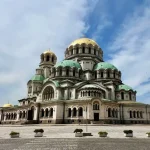
For a more curated experience, the Saturday Farmers Market behind the Alexander Nevsky Cathedral showcases organic producers from surrounding villages. Vendors arrive before dawn with truck beds full of seasonal vegetables, homemade preserves, and artisanal breads that disappear by noon.

Designer Boutiques and Local Fashion in Oborishte
The Oborishte neighborhood has quietly become Sofia’s fashion district, with tree-lined streets housing independent boutiques that feel more Parisian than Balkan. Young Bulgarian designers cluster here, drawn by lower rents and the area’s creative energy.
Ivet Fashion Studio showcases avant-garde pieces from designer Ivet Stoyanova, whose asymmetrical dresses and deconstructed blazers have gained international attention. Her studio doubles as a boutique where you can watch seamstresses at work while browsing racks of one-of-a-kind pieces priced from 120-400 BGN.
Several vintage and secondhand luxury shops have opened along Oborishte Street itself. Vintage Remix specializes in authenticated designer pieces from the 1980s and 1990s, with carefully curated selections of Versace, Valentino, and Bulgarian-made pieces from the communist era that have become surprisingly fashionable.
The neighborhood’s crown jewel is Concept Store 360, which functions as both boutique and cultural space. The ground floor stocks emerging Bulgarian brands alongside carefully selected international labels, while the basement hosts fashion shows and art exhibitions. The staff speaks excellent English and offers styling consultations for visitors wanting to dress like sophisticated Sofia locals.
Antique Hunting and Vintage Finds
Sofia’s antique scene centers around the weekend flea market at Alexander Battenberg Square, where vendors spread mysterious wares across worn blankets. Communist-era memorabilia sits alongside Orthodox icons, vintage cameras, and grandmother’s jewelry collections. The setting sun creates dramatic shadows across the cobblestones while serious collectors negotiate in hushed tones over rare finds.
For climate-controlled browsing, the established antique shops along Tsar Asen Street offer higher-quality pieces with more reliable provenance. Stari Veshti Gallery specializes in traditional Bulgarian crafts including hand-woven textiles, carved wooden items, and vintage folk costumes. Prices reflect quality—expect to pay 80-300 BGN for authentic traditional pieces.

Icon collectors should visit the shops near Alexander Nevsky Cathedral, but proceed with caution. Genuine antique icons require export permits and documentation. Reputable dealers like Byzantine Art Gallery provide proper paperwork, while street vendors often sell modern reproductions without clear labeling.
Military history enthusiasts find Soviet-era items throughout the flea markets, from medals to uniform pieces. While fascinating for collectors, remember that some items may have restrictions for international transport. Stick to clearly decorative pieces rather than functional military equipment.
Bulgarian Souvenirs: Where to Find the Real Deal
Tourist trap souvenir shops cluster around major attractions, but authentic Bulgarian crafts require more selective shopping. The National Art Gallery shop stocks high-quality reproductions of Bulgarian artwork plus books about the country’s artistic heritage. Museum-quality pieces start around 40 BGN for prints and reach 200+ BGN for ceramic reproductions of archaeological finds.
Rose oil products from the Valley of Roses represent Bulgaria’s most famous export. Buy directly from producers like Damascena or Rosarium at their Sofia showrooms rather than hotel gift shops. Genuine rose oil costs around 80-120 BGN for a small vial, but a little goes an extremely long way. Test products before buying—authentic rose oil has a complex, rich fragrance unlike synthetic versions.
Traditional Thracian-style jewelry featuring garnets and silver attracts many visitors. Zlatna Nishka workshop near Ivan Vazov Theatre creates pieces using traditional techniques passed down through generations. Watch craftsmen at work while browsing selections of rings, earrings, and necklaces ranging from 60-300 BGN.
Martenitsa, traditional red and white thread bracelets worn in March, make meaningful small gifts. During martenitsa season (late February through March), street vendors sell handmade versions for 2-5 BGN each. Outside this season, find them year-round at folk art shops, though selection decreases significantly.

Budget Shopping Guide 2026
Budget-conscious shoppers can find excellent deals throughout Sofia with strategic timing and location choices. End-of-season sales hit major stores in January and July, with discounts reaching 70% on previous season items. Bulgarian brands offer particularly good value—local fashion labels price similar quality items 40-60% below international equivalents.
Budget Tier (20-50 BGN daily shopping budget):
- Women’s Market for clothing basics and accessories
- Second-hand shops in student areas
- Central Market Hall for local food products
- Street vendors for souvenirs and small gifts
Mid-Range Tier (50-150 BGN daily budget):
- Vitosha Boulevard international chains
- Local designer boutiques in Oborishte
- Established antique shops
- Museum shops and cultural centers
Comfortable Tier (150+ BGN daily budget):
- Paradise Center luxury brands
- Custom jewelry and traditional crafts
- High-end rose oil products
- Gallery-quality art and antiques
VAT refunds apply to purchases over 300 BGN for non-EU residents. Keep receipts and ask retailers about tax-free shopping forms. Processing takes 15-20 minutes at Sofia Airport, so arrive early for international departures.
Frequently Asked Questions
What are Sofia’s shopping hours in 2026?
Most malls open 10:00-22:00 daily, while traditional shops typically close 18:00-19:00 weekdays and 14:00 Saturdays. Sunday shopping remains limited outside malls and tourist areas.
Do Sofia shops accept credit cards?
Major retailers and malls accept cards widely, but traditional markets and small vendors prefer cash. ATMs are everywhere, dispensing Bulgarian lev. Some tourist shops accept euros but give poor exchange rates.
How much should I budget for souvenirs?
Quality Bulgarian souvenirs range 15-80 BGN per item. Rose oil products, traditional crafts, and local artwork offer the best authentic value. Avoid mass-produced items labeled “Made in Bulgaria” that aren’t actually local.
Is bargaining acceptable in Sofia?
Bargaining works at flea markets, street vendors, and some traditional markets, but fixed prices apply in shops and malls. Start at 70% of asking price at markets and negotiate politely.
What makes the best uniquely Bulgarian gifts?
Rose oil from Kazanlak, traditional Thracian jewelry, handwoven textiles, and communist-era vintage items represent authentic Bulgarian culture. Buy from specialized shops rather than generic tourist stores for guaranteed authenticity.
Explore more
Best Neighborhoods in Sofia, Bulgaria
Sofia Travel Essentials — Practical Tips for Visitors
Sofia Nightlife Guide — Best Bars and Clubs
📷 Featured image by Thomas Isbister on Unsplash.