On this page
💰 Click here to see Bulgaria Budget Breakdown
💰 Prices updated: August, 2026. Budget figures are estimates — always verify before travel.
Exchange Rate: $1 USD = €0.86
Daily Budget (per person)
Shoestring: €35.00 – €50.00 ($40.70 – $58.14)
Mid-range: €60.00 – €100.00 ($69.77 – $116.28)
Comfortable: €150.00 – €200.00 ($174.42 – $232.56)
Accommodation (per night)
Hostel/guesthouse: €5.00 – €20.00 ($5.81 – $23.26)
Mid-range hotel: €55.00 – €95.00 ($63.95 – $110.47)
Food (per meal)
Budget meal: €12.00 ($13.95)
Mid-range meal: €25.00 ($29.07)
Upscale meal: €60.00 ($69.77)
Transport
Single metro/bus trip: €0.80 ($0.93)
Monthly transport pass: €25.50 ($29.65)
Why Plovdiv Gets Under Your Skin
Most travelers heading to Bulgaria in 2026 still book Sofia first and treat Plovdiv as a day trip. That is a mistake. Plovdiv is the older city — some historians put continuous habitation here at over 8,000 years — and it carries that age lightly. The cobblestone streets of the Old Town roll over three of the city’s famous hills, the creative quarter of Kapana buzzes with galleries and coffee bars, and the Maritsa River cuts a quiet green belt through it all. Since its European Capital of Culture year in 2019, Plovdiv has kept building on that momentum rather than resting on it. By 2026 the arts scene is tighter, the food options are genuinely excellent, and the city has attracted enough international visitors to be well-organized without feeling touristy. The pain point for 2026 travelers: short city guides still underestimate how much time Plovdiv deserves. Two full days is the minimum. Three is better.
Neighborhoods Worth Knowing
Plovdiv is compact enough to walk across in 40 minutes, but its neighborhoods feel genuinely distinct from each other.
Old Town (Stария Град)
The hill district of National Revival-era mansions, Roman ruins, and steep stone lanes. It is the postcard version of Plovdiv — colorful wooden-balconied houses overhanging the street, art galleries tucked into 19th-century courtyards, and the Roman Theatre sitting in the open air below. Staying here puts you inside history but comes with the noise of tour groups from 10am to 5pm. Best for travelers who want atmosphere above convenience.
Kapana (The Trap)
The creative district directly below the Old Town, hemmed in by pedestrian streets. Once a neglected artisan quarter, Kapana has been Plovdiv’s cultural engine since the Capital of Culture years. In 2026 it is dense with independent cafés, craft beer bars, concept stores, and street art. Weekend afternoons fill the alleys with locals and visitors alike — the smell of fresh coffee and grilling meat drifts out of a dozen doorways at once. This is the best base for most travelers: walkable to the Old Town, full of evening options, and more affordable than sleeping directly on the hills.
Karshiyaka
A residential neighborhood north of the river. Quieter, local, and increasingly popular with long-stay visitors and digital nomads. Some good guesthouses and apartment rentals here at noticeably lower prices. The tram connects it to the center in under 10 minutes.
Trakiya and the Center
The modern city center around pl. Tsentralen (Central Square) and ul. Knyaz Alexander I — the main pedestrian boulevard — is practical for mid-range hotels and easy access to transport. Trakiya is a large socialist-era residential district further out, relevant only if you’re visiting locals or staying in budget apartments through booking platforms.

What to See and Do
The Roman Theatre
Plovdiv’s Roman Theatre (Античен театър) is one of the best-preserved in the world and it is still used as a performance venue. Built in the 1st century AD under Emperor Domitian, it seats around 7,000 and has views over the modern city from its upper tiers. Admission is 5 BGN (≈ €2.50 / $2.70). Check the summer program — attending an opera or classical concert here at dusk, with the marble stage lit against a darkening sky, is one of Bulgaria’s great travel experiences.
Kapana Creative Quarter
Walk every alley. The quarter is small — you can cover it in 90 minutes — but the density of independent businesses, murals, and impromptu events makes it worth slow exploration. The Kapana Fest runs each summer and turns the whole district into an outdoor arts and food market.
Nebet Tepe and the Three Hills
Nebet Tepe is the highest of Plovdiv’s hills and the site of ancient Thracian and Roman fortifications. The views are the best in the city. Come at golden hour — the light on the red-tiled rooftops of the Old Town and the flat Thracian plain stretching south to the Rhodopes is genuinely striking. Two other hills, Dzhambaz Tepe and Taksim Tepe, are worth a wander for the quieter residential streets and local cats that seem to own every courtyard.
The Regional History Museum and Old Town Mansions
The Ethnographic Museum (housed in the Kuyumdzhioglu House), the Hindliyan House, and the Balabanov House are the three Old Town mansions most worth entering. Each charges 3–6 BGN (≈ €1.50–€3) and shows a different style of National Revival interior — painted ceilings, inlaid wooden floors, and rooms that feel frozen in the 1870s. The Regional History Museum on pl. Saedinenie has excellent Thracian gold exhibits that most visitors miss.
The Ancient Stadium
Buried beneath the pedestrian boulevard, the northern curved end of a Roman stadium from the 2nd century AD is exposed through a glass walkway at street level. Entry is free. Easy to walk past — look for the steps down near the post office end of ul. Knyaz Alexander I.
Where to Eat and Drink
Plovdiv’s eating scene in 2026 is concentrated in two zones: Kapana and the pedestrian boulevard area around Djumaya Square. The Old Town has restaurants but many are tourist-facing and overpriced relative to quality.

Kapana
The streets around ul. Bratya Pulevi and ul. Tsar Simeon are the core of the food scene. Look for spots that chalk their daily specials on boards outside — these tend to be the kitchens actually cooking to order rather than reheating. The craft beer and natural wine movement that started here around 2020 has matured: you can now find genuinely well-curated wine lists at several small bars, sourcing directly from Thracian Valley producers.
Djumaya Square and Surrounds
The large square anchored by the 14th-century Dzhumaya Mosque is ringed by café terraces. During summer evenings the whole square functions as an outdoor sitting room for the city. The covered market hall (Покрит пазар) just off the square has a lower ground floor of food stalls selling grilled meats, pastries, and fresh produce — one of the more honest and affordable eating options in central Plovdiv.
Morning Routine
Plovdiv’s bakeries open at 6am. The filo pastry smell that rolls out of a street-front баница (banitsa) shop when the oven opens is worth setting an alarm for. A banitsa with a cup of бoza (the slightly fermented grain drink, an acquired taste) costs under 3 BGN (≈ €1.50) and is the local breakfast.
Getting Around Plovdiv
Plovdiv is walkable at its core. The Old Town, Kapana, and the pedestrian boulevard are all within a 15-minute walk of each other. That said, the city is larger than it looks on tourist maps.
Trams and Buses
Plovdiv has a working tram network — one of the few remaining in Bulgaria — and it is genuinely useful. Tram lines 1 and 2 connect the train station, the center, and Karshiyaka. A single ride costs 1.60 BGN (≈ €0.80). In 2025–2026 the city completed a partial modernization of the tram fleet, adding lower-floor cars on the busiest routes. Buses cover the wider city and suburbs. Tap-to-pay now works on most vehicles using a standard contactless bank card — no need to buy paper tickets in advance.

Taxis and Ride Apps
OK Supertrans and Taxi Plovdiv are the reliable local operators. Always use the meter or book through the Yandex Go app, which operates in Plovdiv in 2026. A cross-city ride rarely exceeds 10–12 BGN (≈ €5–€6). Avoid unmarked taxis outside the train station.
Airport Transfer
Plovdiv Airport (PDV) is 12 km from the center. Bus line 6 connects the airport to the central bus station for 2 BGN (≈ €1). A taxi should cost 20–25 BGN (≈ €10–€12.50). Since Bulgaria’s full Schengen land and air border implementation in early 2024, EU passport holders clear the airport faster, but non-EU travelers should allow extra time at PDV — the border infrastructure was still being upgraded through 2025.
Day Trips from Plovdiv
Bachkovo Monastery — 28 km south
Bulgaria’s second-largest monastery, set in the Rhodope foothills along the Asenitsa River gorge. Founded in 1083, the frescoes in the main church are extraordinary. Bus from Plovdiv’s Rodopi bus terminal takes around 50 minutes. Allow 3–4 hours total. Admission to the grounds is free; some interior chapels charge 2–3 BGN.
Asen’s Fortress — 35 km southeast
A medieval fortress perched on a cliff above the Asenitsa River, with the Church of the Holy Mother of God partially intact. Combine with Bachkovo for a full-day Rhodope circuit. Accessible by car or taxi from Asenovgrad (itself reachable by bus from Plovdiv in 30 minutes). The walk up to the fortress takes 25–30 minutes on a rocky path — wear proper shoes.
Koprivshtitsa — 110 km northwest
A perfectly preserved National Revival town, famous as the site of the 1876 April Uprising against Ottoman rule. The entire town is essentially an open-air museum of painted house-museums. Best reached by train (change at Zlataritsa) or by organized day-trip bus from Plovdiv. Allow a full day. The town is small but genuinely beautiful — cobblestones, bridges over a stream, and no modern commercial strip.
Thracian Valley Wine Country — 20–50 km east
The Thracian Valley (Тракийска низина) stretching east from Plovdiv toward Stara Zagora is Bulgaria’s most productive wine region. Several wineries — including Villa Yustina, Katarzyna Estate, and Bessa Valley — offer tastings and cellar tours. Most require advance booking. A rental car or organized wine tour is the practical option; public transport to the individual estates is limited.
Nightlife and Evening Life
Plovdiv is not a late-night party city in the way that Sofia’s Student Town district is. The culture here runs toward long evenings at bars that close around 2am rather than clubs that open at midnight.

Kapana After Dark
From about 8pm Kapana transforms. The daytime café crowd gives way to bar-hopping locals, and the narrow streets fill up on weekends. The cluster around pl. Kapana and the surrounding alleys has the highest density of options: craft beer bars, cocktail spots, and wine bars where you can sit outside until the temperature drops.
Jazz and Live Music
Plovdiv has a disproportionately strong jazz and acoustic music scene for its size. Several Kapana bars host live sessions on Thursday and Friday nights — check current listings on the Kapana Facebook group or the Plovdiv Culture Events page, both active in 2026. The Marmalad cultural center occasionally hosts larger indie and electronic acts.
The Roman Theatre Evening Events
The Opera Open festival runs July–August and stages full productions at the Roman Theatre. These sell out — book 3–4 weeks in advance through the Plovdiv Opera website. Even if opera isn’t your interest, the atmosphere of a performance in a 2,000-year-old venue under a warm Bulgarian sky is hard to replicate anywhere.
Shopping in Plovdiv
Kapana Boutiques
The creative quarter has the most interesting independent shopping in the city. Expect handmade ceramics, locally designed clothing, art prints, and craft goods. Quality varies — some stores are genuinely excellent, others are tourist-facing. The rule of thumb: if the prices are displayed in euros before lev, walk on.
Antique Dealers and the Old Town
The base of the Old Town hill, particularly around ul. Tsanko Lavrenov, has a loose cluster of antique and second-hand dealers. Icons, Soviet-era memorabilia, old coins, copperware, and embroidered textiles are the common finds. Prices are negotiable. Nothing here can legally be exported as a cultural artifact without documentation — ask before buying anything old.
The Covered Market and Djumaya Area
The covered market (Покрит пазар) off Djumaya Square sells everyday goods — produce, spices, household items — at local prices. It’s worth a walk for the atmosphere even if you’re not buying. Mainstream Bulgarian retail chains and a few international brands are concentrated on and around ul. Knyaz Alexander I.
Mall Plovdiv and Maritsa
Two large shopping malls — Mall Plovdiv and Mall Maritsa — serve the wider city’s practical retail needs. International fashion chains, a cinema, supermarkets. Useful for groceries, electronics, or if you need to replace travel gear. Both are accessible by bus from the center.
Where to Stay

Budget — 40–80 BGN per night (≈ €20–€40)
Hostels in Kapana and near the train station offer dorm beds from 35–45 BGN (≈ €17–€22). Private rooms in family-run guesthouses in the Old Town or Karshiyaka start around 65–80 BGN (≈ €33–€40). Quality in this tier has improved since 2022 — most now offer genuine en-suite facilities and decent Wi-Fi.
Mid-Range — 120–220 BGN per night (≈ €60–€110)
The sweet spot for Plovdiv. Boutique hotels in the Old Town — several are converted National Revival mansions — fall in this range and offer genuine character without premium pricing. Kapana has a handful of design-forward guesthouses that opened between 2021 and 2025. Book directly with properties when possible; OTA commission sometimes pushes up the listed price.
Comfortable and Luxury — 250 BGN and above (≈ €125+)
Plovdiv’s luxury tier is limited compared to Sofia. The best options are the larger restored mansion hotels in the Old Town, which offer private terraces, spa facilities, and high-end Bulgarian breakfast. A few international chain hotels operate near the business district for corporate travelers but lack character.
When to Go
Plovdiv sits in the Thracian Valley, which means hot dry summers and cold winters. The climate is more continental than Sofia’s.
Spring (April–May) and Autumn (September–October)
The best times. Temperatures run 15–24°C, the Old Town roses are blooming in spring, and the tourist crowds are manageable. The Kapana Fest typically runs in late May or early June. The Plovdiv Film Festival (Кино на площада) runs in August–September.
Summer (June–August)
Peak season. Opera Open at the Roman Theatre is a genuine draw. Temperatures regularly hit 35–38°C in July and August — the Old Town stone streets radiate heat. Start sightseeing before 10am and after 6pm. Book accommodation well in advance for July.
Winter (November–March)
Quiet and genuinely cold. Some Old Town guesthouses close or reduce operations. The upside: the Old Town without crowds is magical, restaurant prices drop, and the city feels authentically local. Snow is not uncommon in January and February.
Practical Tips for 2026
- Schengen entry: Bulgaria became a full Schengen member (air and land borders) in early 2024. EU and Schengen-area passport holders no longer face border checks entering from other Schengen countries. Non-EU travelers: standard Schengen visa rules apply to Bulgaria from 2024 onward.
- Currency: Bulgaria uses the Bulgarian Lev (BGN), pegged at 1.95583 BGN to €1. Bulgaria has not adopted the euro as of 2026, though discussions continue. ATMs are widespread; Visa and Mastercard contactless payments are accepted almost everywhere in the center.
- Tipping: Round up or leave 10% at sit-down restaurants. Not compulsory but expected at tourist-facing venues. Taxis: round up to the nearest lev.
- Language: Bulgarian is written in Cyrillic. In Kapana and the Old Town, English is widely spoken among under-40s. Outside the tourist areas, basic Bulgarian phrases help — “Моля” (please), “Благодаря” (thank you), “Говорите ли английски?” (do you speak English?).
- SIM cards: A10-day tourist SIM from A1 Bulgaria or Vivacom with 10GB data costs around 15–20 BGN (≈ €7.50–€10) from convenience stores and phone shops near the central bus station.
- Tap water: Safe to drink throughout Plovdiv.
- Safety: Plovdiv is a low-crime city. Standard urban awareness applies — watch bags in crowded areas like Djumaya Square on weekends. Petty theft is the main concern; violent crime targeting tourists is rare.

Daily Budget Breakdown
Prices reflect 2026 levels. The post-2022 inflation stabilized somewhat in Bulgaria by 2025, but costs in tourist-facing areas of Plovdiv have risen roughly 15–20% compared to 2022.
Budget Traveler — 80–120 BGN per day (≈ €40–€60 / $44–$66)
- Hostel dorm bed: 35–45 BGN
- Breakfast (banitsa + coffee): 5–7 BGN
- Lunch at a market stall or local mehana: 12–18 BGN
- Dinner at a mid-Kapana restaurant: 20–28 BGN including one drink
- Public transport (tram/bus): 5–8 BGN
- Entry fees (2 sites): 8–10 BGN
Mid-Range Traveler — 200–320 BGN per day (≈ €100–€160 / $110–$176)
- Boutique guesthouse (Old Town or Kapana): 130–180 BGN
- Café breakfast: 15–20 BGN
- Lunch and dinner at good Kapana restaurants: 60–80 BGN total with wine
- Taxis and occasional transport: 15–20 BGN
- Admissions, a museum or two: 10–15 BGN
Comfortable Traveler — 400–600 BGN per day (≈ €200–€300 / $220–$330)
- Upscale Old Town mansion hotel: 250–350 BGN
- Full restaurant meals with wine pairings: 120–160 BGN
- Private guided tour or wine country excursion: 80–120 BGN
- Craft cocktails, spa, miscellaneous: 50–80 BGN
Frequently Asked Questions
How many days do you need in Plovdiv?
Two full days covers the main sights — the Old Town, Roman Theatre, Kapana, and the hills. Three days lets you add a day trip to Bachkovo Monastery or the Thracian wine country and explore the city at a slower pace. One day is not enough to do Plovdiv justice.
Is Plovdiv worth visiting in winter?
Yes, if you prefer a quieter, more local atmosphere and lower prices. Winter temperatures in Plovdiv drop to -2°C to 5°C in January. Some Old Town guesthouses reduce capacity, but the city continues functioning normally. The Old Town without summer crowds feels entirely different — and genuinely atmospheric.
How do you get from Sofia to Plovdiv?
The fastest option in 2026 is the intercity bus, which takes around 1 hour 45 minutes on the Trakia motorway and costs 18–22 BGN (≈ €9–€11). Buses run every 30–60 minutes from Sofia’s Central Bus Station. Trains take longer (2 hours 20 minutes) but are comfortable and cost about the same. The new Hemus motorway did not affect Sofia–Plovdiv timing directly.

Is Plovdiv safe for solo travelers?
Plovdiv is considered one of Bulgaria’s safer cities. Solo female travelers report feeling comfortable in the center and Kapana at night. Normal urban precautions apply — avoid poorly lit side streets late at night, keep valuables secure in crowded areas like Djumaya Square, and use metered taxis or app-based rides rather than unmarked cars.
What is the best neighborhood to stay in Plovdiv?
Kapana is the best all-round base — walkable to Old Town, full of eating and drinking options, and well-priced. The Old Town itself offers more atmosphere but fewer practical amenities and more daytime noise from tours. Karshiyaka suits long-stay visitors or those on a tight budget who don’t mind a 10-minute tram ride to the center.
Explore more
10 Must-Visit Bars in Plovdiv for Every Vibe
Plovdiv’s Best Markets: A Local’s Guide to Fresh Finds & Artisan Crafts
Sofia Airport to Plovdiv: The Easiest Ways to Get There
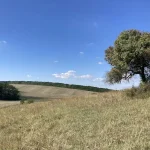
📷 Featured image by Anton Atanasov on Unsplash.