On this page
- Varna’s Culinary Districts: Where the Best Food Lives
- Traditional Mehanas: Authentic Bulgarian Flavors
- Seaside Dining: Fresh Seafood with a View
- Hidden Gems: Local Favorites Off the Tourist Trail
- Street Food and Quick Bites: Eating on the Go
- Markets and Food Shopping: Where Locals Buy Ingredients
- Wine Bars and Craft Beer: Varna’s Drinking Scene
- Budget Breakdown: What Food Actually Costs in 2026
- Frequently Asked Questions
💰 Click here to see Bulgaria Budget Breakdown
💰 Prices updated: October, 2026. Budget figures are estimates — always verify before travel.
Exchange Rate: $1 USD = €0.88
Daily Budget (per person)
Shoestring: €35.00 – €50.00 ($39.77 – $56.82)
Mid-range: €60.00 – €100.00 ($68.18 – $113.64)
Comfortable: €150.00 – €200.00 ($170.45 – $227.27)
Accommodation (per night)
Hostel/guesthouse: €5.00 – €20.00 ($5.68 – $22.73)
Mid-range hotel: €55.00 – €95.00 ($62.50 – $107.95)
Food (per meal)
Budget meal: €7.00 ($7.95)
Mid-range meal: €20.00 ($22.73)
Upscale meal: €60.00 ($68.18)
Transport
Single metro/bus trip: €1.00 ($1.14)
Monthly transport pass: €26.00 ($29.55)
Varna‘s food scene has exploded since Bulgaria joined Schengen in 2024, with an influx of international visitors discovering what locals have known for decades — this coastal city serves some of Bulgaria’s most exciting cuisine. Beyond the tourist traps lining the beach promenade, authentic eateries tucked into residential neighborhoods and hidden courtyards offer everything from grandmother’s recipes to innovative Black Sea fusion.
Varna’s Culinary Districts: Where the Best Food Lives
The heart of Varna’s dining scene pulses through three distinct neighborhoods, each offering its own flavor profile and atmosphere. The city center around Knyaz Boris Boulevard draws food lovers with its mix of upscale restaurants and cozy wine bars, while the Asparuhovo district across the bay keeps traditional Bulgarian cooking alive in family-run establishments.
Primorski Park area stands out as Varna’s most dynamic food quarter. Here, tree-lined streets hide everything from intimate bistros to bustling tavernas where the scent of grilled kebapcheta mingles with sea salt carried on evening breezes. Local chefs gravitate toward this neighborhood because rent remains reasonable compared to beachfront locations, allowing them to focus on quality ingredients rather than tourist markups.
The old town district around Archaeological Museum rewards explorers with hole-in-the-wall gems serving dishes passed down through generations. These narrow cobblestone streets shelter mehanas where wood smoke from traditional ovens creates an aromatic backdrop to conversations conducted in rapid Bulgarian punctuated by clinking glasses.
Traditional Mehanas: Authentic Bulgarian Flavors
Mehana Starata Kashta occupies a renovated 19th-century house in the old quarter, where copper pots hanging from rough-hewn beams hint at the serious traditional cooking happening in the kitchen. Their kavarma arrives sizzling in individual clay pots, the pork and vegetables caramelized to perfection after slow cooking in wood-fired ovens.

For an authentic neighborhood experience, locals recommend Ethno Restaurant in the residential Chaika area. The grandmother who runs the kitchen refuses to modernize her recipes, hand-rolling manti dumplings each morning and simmering tarator soup with yogurt so thick it coats the spoon. The dining room feels like eating in someone’s living room — because essentially, you are.
Mehana Bodrost near the cathedral serves what many consider Varna’s best shopska salad, the tomatoes and cucumbers sourced from a family farm outside the city. Their grilled meats showcase the owner’s background as a former butcher, with perfectly seasoned kyufte that locals drive across town to enjoy.
These traditional establishments typically open at 11 AM and serve until midnight, with the busiest period between 7 PM and 10 PM when extended families gather for leisurely dinners that stretch late into the evening.
Seaside Dining: Fresh Seafood with a View
Varna’s position on the Black Sea means exceptional seafood, and the best fish restaurants cluster along the quieter stretches of coast rather than the main tourist beaches. Captain Cook near Galata district sources directly from local fishing boats, their daily catch displayed on ice at the entrance where diners can select their own turbot or sea bass.
The Marina Restaurant at Port Varna caters to yacht owners and locals who appreciate perfectly grilled octopus served with a view of luxury boats bobbing in the harbor. Their seafood risotto incorporates mussels harvested from beds visible from the restaurant’s terrace, creating a true sea-to-table experience.
For a more casual seaside meal, the fish tavernas along Asparuhovo Beach offer grilled mackerel and fried sprat at prices that haven’t inflated with tourism. These no-frills establishments serve fish so fresh it was swimming hours before reaching your plate, accompanied by simple salads and local white wine.

The salt-tinged air and sounds of waves lapping against pier pilings create an atmosphere impossible to replicate inland. Most seafood restaurants operate seasonally, with full menus available from April through October and limited offerings during winter months.
Hidden Gems: Local Favorites Off the Tourist Trail
Discovering where Varna residents actually eat requires venturing beyond English menus and TripAdvisor rankings. Restaurant Panorama in the Vladislavovo neighborhood serves exceptional grilled vegetables and homemade bread to a clientele of university professors and retired teachers who’ve claimed the same tables for years.
The unmarked pizzeria on Tsar Simeon Street prepares thin-crust pies in a wood oven imported from Italy, but the real secret lies in their Bulgarian toppings — kashkaval cheese, lukanka sausage, and roasted peppers that create fusion pizzas found nowhere else in Europe.
BM Restaurant near the Grand Mall shopping center looks unremarkable from outside, but their chef trained in Sofia’s finest kitchens before returning home to experiment with modern interpretations of Dobrudzha regional cuisine. The tasting menu changes monthly based on seasonal ingredients sourced from nearby villages.
These neighborhood favorites rarely advertise and often lack English signage, but the quality of food and warmth of service create memorable experiences for visitors willing to step outside their comfort zones. Most operate cash-only, so come prepared with Bulgarian lev notes.
Street Food and Quick Bites: Eating on the Go
Varna’s street food scene centers around banitsa vendors who set up shop at bus stops and park entrances each morning, their phyllo pastries filled with cheese, spinach, or meat emerging golden from portable ovens. The best banitsa comes from the elderly woman near the Archaeological Museum who arrives at 6 AM and sells out by noon.
Food trucks have multiplied around Varna since 2025, with gourmet options now complementing traditional döner kebab stands. The burger truck near Sea Garden serves locally sourced beef patties topped with Bulgarian cheese and Thracian Valley wine reduction — street food elevated to restaurant quality.

Gyuvech stands throughout the city center offer hearty stews served in individual ceramic pots, perfect for chilly coastal evenings when the Black Sea breeze cuts through light clothing. These portable clay vessels keep the food steaming hot while you find a bench in the nearby park.
Local bakeries scattered through residential neighborhoods provide the city’s best quick meals. Freshly baked pogacha bread stuffed with cheese or peppers costs mere lev and offers more satisfaction than expensive tourist-oriented sandwiches.
Markets and Food Shopping: Where Locals Buy Ingredients
The covered market near the cathedral transforms into a sensory explosion each morning as vendors arrange pyramids of tomatoes still warm from greenhouse cultivation and fishmongers ice down the night’s catch. The aroma of fresh herbs — dill, parsley, and mint — mingles with the sharp scent of aged kashkaval cheese aging in nearby stalls.
Women’s Market operates daily except Sunday, offering the city’s widest selection of local produce at prices that reflect wholesale rather than tourist rates. Farmers from surrounding villages arrive before dawn with seasonal specialties — wild mushrooms in autumn, tender spring onions, and summer peaches that drip juice with each bite.
For international ingredients, Fantastico and Kaufland supermarkets stock imported items alongside Bulgarian staples, but the real treasures hide in specialty shops throughout the old town. The Italian deli near the opera house imports aged Parmesan and San Marzano tomatoes, while the Turkish grocery stocks authentic spices and sweets.
Weekend farmers’ markets in Asparuhovo and Chaika districts showcase organic vegetables and artisanal products like raw honey, homemade yogurt, and preserved meats that represent the best of Bulgarian food traditions.

Wine Bars and Craft Beer: Varna’s Drinking Scene
Varna’s wine culture has flourished since European integration opened markets to quality Bulgarian vintages previously unknown outside the country. Vino & Co near the pedestrian zone specializes in wines from the Thracian Valley and Struma River regions, offering tastings that educate palates while supporting local winemakers.
The craft beer revolution reached Varna in force during 2024, with microbreweries like Glarus and Brew Brothers establishing taprooms where hop-forward IPAs and rich stouts complement the city’s evolving food scene. These establishments serve as community gathering spaces where locals debate football matches over locally brewed pints.
Cocktail culture thrives in rooftop bars overlooking the Black Sea, where skilled bartenders incorporate Bulgarian spirits like mastika and grape brandy into innovative drinks. The view from Panorama Bar extends to the horizon where cargo ships appear as distant lights against twilight skies.
Traditional wine houses continue serving regional varieties in atmospheric cellars where stone walls maintain perfect temperatures year-round. These establishments focus on food pairings, matching robust reds with grilled meats and crisp whites with fresh seafood.
Budget Breakdown: What Food Actually Costs in 2026
Understanding Varna’s food pricing helps budget-conscious travelers maximize their culinary experiences without financial stress. Street food and casual dining remain remarkably affordable compared to Western European standards, while upscale restaurants charge prices comparable to mid-range establishments in Berlin or Vienna.
Budget Range (8-15 BGN / 4-7 EUR per meal): Traditional mehanas serving hearty portions, street food vendors, local bakeries, and neighborhood pizza joints. A complete meal with soup, main course, and drink typically costs 12-15 BGN.
Mid-Range Dining (20-40 BGN / 10-20 EUR per meal): Quality restaurants in the city center, seafood tavernas, wine bars with food menus, and international cuisine establishments. Expect fresh ingredients, attentive service, and extensive wine lists.

Comfortable Dining (50-80 BGN / 25-40 EUR per meal): Upscale restaurants with chef-driven menus, waterfront dining with premium seafood, tasting menu experiences, and establishments catering to luxury tourism. These venues offer refined presentations and extensive wine cellars.
Alcohol pricing varies significantly by venue type. Local beer costs 2-3 BGN in neighborhood bars but 6-8 BGN at beachfront establishments. Bulgarian wines provide exceptional value, with excellent bottles available for 15-25 BGN in restaurants where equivalent quality French wines would cost double.
Frequently Asked Questions
What time do restaurants typically open in Varna?
Most restaurants open between 11 AM and noon, with many traditional mehanas closing from 3-5 PM before reopening for dinner. Seafood restaurants often operate continuously during summer months but may have afternoon breaks in winter.
Do Varna restaurants accept credit cards in 2026?
Major restaurants and tourist-oriented establishments accept cards, but many neighborhood gems and street food vendors remain cash-only. ATMs are plentiful throughout the city center, and most accept international cards without issues.
How much should I tip at restaurants in Varna?
Tipping 10% is standard for good service at sit-down restaurants. Round up to the nearest lev for casual dining or add 1-2 BGN for exceptional service. Tipping isn’t expected at street food vendors or self-service establishments.
Which neighborhoods offer the best food experiences for visitors?
Primorski Park area provides the best balance of quality and variety, while the old town offers authentic traditional experiences. Asparuhovo district rewards adventurous eaters with local favorites, and the city center caters to international tastes.
Are there good vegetarian and vegan options in Varna?
Traditional Bulgarian cuisine includes many naturally vegetarian dishes like shopska salad, bean soups, and grilled vegetables. Several dedicated vegetarian restaurants opened since 2025, and most establishments accommodate dietary restrictions when asked in advance.
Explore more
Where to Stay in Varna: Uncovering the City’s Best Neighborhoods
Best Places to Eat in Varna, Bulgaria
Varna Travel Essentials — Practical Tips for Visitors
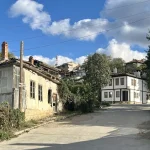
📷 Featured image by Yanko Argirov on Unsplash.