On this page
- Plovdiv’s Personality and Why Timing Changes Everything
- Best Time to Visit Plovdiv: Season-by-Season Verdict and Event Calendar
- Best Neighborhoods by Season
- Top Attractions and How the Calendar Changes Them
- Food and Drink Scene: Where to Eat Through the Year
- Getting Around Plovdiv Through the Year
- Day Trips by Season
- Nightlife and Entertainment
- Shopping
- Accommodation Areas and Booking Windows
- Practical Tips
- 2026 Budget Breakdown
- Frequently Asked Questions
💰 Click here to see Bulgaria Budget Breakdown
💰 Prices updated: October, 2026. Budget figures are estimates — always verify before travel.
Exchange Rate: $1 USD = €0.88
Daily Budget (per person)
Shoestring: €35.00 – €50.00 ($39.77 – $56.82)
Mid-range: €60.00 – €100.00 ($68.18 – $113.64)
Comfortable: €150.00 – €200.00 ($170.45 – $227.27)
Accommodation (per night)
Hostel/guesthouse: €5.00 – €20.00 ($5.68 – $22.73)
Mid-range hotel: €55.00 – €95.00 ($62.50 – $107.95)
Food (per meal)
Budget meal: €7.00 ($7.95)
Mid-range meal: €20.00 ($22.73)
Upscale meal: €60.00 ($68.18)
Transport
Single metro/bus trip: €1.00 ($1.14)
Monthly transport pass: €26.00 ($29.55)
Plan a Plovdiv trip badly and you will either bake on white marble at 38°C or walk empty cobblestones in freezing fog. In 2026 the problem is sharper because summer heat waves are longer, and more travellers now arrive in the same few weeks around the big festivals. This guide shows you when Plovdiv is at its best, what each season really feels like, and how to match your dates to your style of travel.
Plovdiv’s Personality and Why Timing Changes Everything
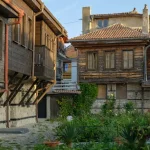
Plovdiv is one of Europe’s oldest continuously inhabited cities, and it wears its age lightly. A Roman stadium sits under the main shopping street. Ottoman-era houses in bright ochre and deep red lean over the lanes of the Old Town. Meanwhile, locals in Kapana sit on tiny stools, arguing over coffee and craft beer. The city has seven hills (originally six, as one was quarried away), and each gives a different view over the Maritsa plain.
That mix of ancient and relaxed is why people love it. It is also why the seasons matter so much. Plovdiv is a city lived outdoors. In summer the pedestrian streets turn into one long open-air living room. In winter, life moves into warm, dim cafés, and the stone houses look moody and beautiful. Neither is wrong, but they are very different trips.
Best Time to Visit Plovdiv: Season-by-Season Verdict and Event Calendar
The short answer: late April to early June and mid-September to mid-October. Temperatures sit between 18°C and 27°C, terraces are open, and you can walk uphill without suffering. If you want culture under the stars, late June to July is the second-best choice, as long as you accept the heat.
Spring (March to May)
March is still cool, around 8–14°C, but it opens with Baba Marta on 1 March. Locals hand out red-and-white martenitsi bracelets and you will see them tied to trees and wrists across the city. By April, judas trees and cherry blossoms colour the hillsides, and daytime temperatures reach 15–20°C. May is the sweet spot: about 22–26°C, long evenings, and the Old Town at its greenest. Rain is possible in April and May, usually in short bursts.
Spring events worth timing around include the Night of Museums and Galleries in May, when many venues stay open late. The Plovdiv International Fair also runs in spring, although its dates change yearly, so check before you book. It can push hotel prices up for a few days.
Summer (June to August)
Summer is hot. July and August often reach 32–36°C, and heat waves of 38–40°C are no longer rare. Stone pavements hold the heat well into the evening. The reward is the cultural calendar. The Ancient Theatre hosts opera, concerts, and open-air performances through the warm months, and the scent of linden trees drifts through the shady streets in June. A concert on 2,000-year-old marble seats, with the sky going violet over the hills, is one of the best evenings in Bulgaria.
June is the safest summer month for first-timers because it is warm but not brutal. August is the toughest. Many locals leave for the Black Sea or the mountains, and some small restaurants close for a week or two.
Autumn (September to November)
September brings 24–29°C days and cool, comfortable nights. It is the month of Kapana Fest, a creative-district festival with street art, design, music, and food. Exact dates change each year, so check the city’s cultural calendar. Late September also brings grape harvest season in the surrounding wine region, and many wineries welcome visitors.
October is golden and calm at 14–20°C, with fewer tour groups. November turns grey and damp, around 5–12°C. Roasted chestnuts appear on street corners and warm up cold hands. It is a quiet, budget-friendly month, but you will need a rain jacket.
Winter (December to February)
Winter days hover between −2°C and 6°C. Fog sometimes sits over the plain for days. Snow is possible but usually light and short-lived. December has Christmas lights, mulled wine, and small festive stands in the centre. On 14 February, Bulgaria celebrates Trifon Zarezan, the wine-growers’ day, and vineyard villages near Plovdiv hold pruning ceremonies with plenty of wine. Winter is the cheapest time to visit, and the Old Town is nearly empty in January, but some outdoor sights feel less pleasant in the cold.
Best Neighborhoods by Season
Where you spend your time should change with the weather.
- Old Town (Stariya Grad): Steep cobblestones and restored Revival-era mansions on Nebet Tepe, Dzhambaz Tepe, and Taksim Tepe hills. It is lovely in spring and autumn. In summer the stone lanes are hot at midday but magical at 8 p.m. In rain or ice, the cobbles get slippery, so wear shoes with grip.
- Kapana (The Trap): A maze of small streets with workshops, bars, and cafés. It is great in every season because there are indoor spots to escape weather, and it comes alive for Kapana Fest in September.
- Central pedestrian zone (Knyaz Alexander I Street): Flat, shaded in parts, and full of cafés. This is your base for hot days and rainy days alike.
- Tsar Simeon Garden and the Singing Fountains: Best from May to September, when the fountain shows run in the evenings and families fill the benches.
- Trakia and Tsentralen areas: Residential and practical, with supermarkets, local bakeries, and cheaper stays. They suit winter visitors who want lower prices and quiet streets.

Top Attractions and How the Calendar Changes Them
Plovdiv’s main sights are open all year, but your experience of them changes a lot.
The Ancient Theatre is the headline. In the cooler months you can visit in calm daylight and sit alone on the stone seats looking at the Rhodope foothills. In summer you can attend a live performance. Go in the morning or evening, because by midday the marble is blinding and hot.
The Roman Stadium remains under the main pedestrian street, with a small visible section near Dzhumaya Square. It takes 15 minutes and is a good winter or rainy-day stop. Nearby, the Dzhumaya Mosque and the Ethnographic Museum (in a grand Revival-era house) give you indoor options.
Nebet Tepe and the ruins of the Thracian fortress are best in April, May, and October, when the climb is easy and the light is soft. Sunrise from the hilltop in summer is worth the early alarm. For sunset views, many locals head to Danov Hill or Bunardzhika, with the Alyosha monument, which is a bit of a hike but great at golden hour.
Entry prices are modest. The Ancient Theatre and main museums typically cost about 5–15 BGN (€2.50–€7.50 / $3–$9) per site, and prices may be shown in both euros and levs this year. Opening hours are often shorter in winter, so check before you go.
Food and Drink Scene: Where to Eat Through the Year
Kapana is the centre of Plovdiv’s eating scene. In summer, tables spill across the lanes and the air smells of grilled meat and fresh bread. In winter, small restaurants fill up and the windows steam. Come hungry and wander before you choose.

Knyaz Alexander I Street and side lanes have dozens of casual restaurants, ice cream shops, and bakeries. They are good in all seasons, and many have heaters or covered terraces from November to March.
The Old Town’s garden courtyards are lovely from May to September. Many restaurants in restored houses serve under vines and fruit trees. Book ahead on summer weekends.
Central Market Hall (Tsentralen Pazar) and open-air produce stalls are best from June to October, when tomatoes, peaches, watermelons, and peppers are at their peak. For a cheap breakfast, a corner bakery near the centre will sell warm banitsa and boza for just a few levs. In autumn, look for stalls with fresh grape must, walnuts, and honey.
For drinks, the wine region around Plovdiv, known for Mavrud and Rubin grapes, makes autumn a good time for tasting trips. In summer, a cold local beer on a shaded terrace costs around 4–6 BGN (€2–€3 / $2.50–$3.50).
Getting Around Plovdiv Through the Year
Plovdiv has no metro, and you will not need one. The centre is compact and mostly flat, and the Old Town is walkable, though steep.
- Walking: Best in spring and autumn. In summer, plan routes through shaded streets and walk in the morning or after 6 p.m. In winter, watch for icy cobbles.
- City buses: Cheap and frequent enough, with single tickets around 1.50–2 BGN (€0.75–€1 / $0.90–$1.20). Useful in rain or heat for reaching areas such as Trakia.
- Taxis and ride apps: Cheap by European standards. Use a ride-hailing app or call a licensed company rather than hailing one on the street. Rides within the centre usually cost 6–12 BGN (€3–€6 / $3.50–$7).
- From Sofia: The Trakia motorway makes the drive about 1 hour 30 minutes. Buses take about 2 hours and trains take 2–2.5 hours, depending on service. In winter, check for fog or snow warnings before driving. Sofia Airport is the main gateway, and from there you can take a bus or train.
- Cycling: Possible on flatter routes and pleasant in spring, but heat and cobblestones make it a poor choice in July and August.
Day Trips by Season
Plovdiv is an excellent base. The best excursions depend on the time of year.
- Bachkovo Monastery (about 30 km, 45 minutes by bus or car): A peaceful 11th-century monastery in the Rhodopes. Beautiful in spring and autumn, and atmospheric in light snow. Allow half a day. Dress modestly.
- Asen’s Fortress, Asenovgrad (about 20 km, 30 minutes): A medieval fortress on a cliff above a river gorge. The climb is steep, so avoid the midday summer heat. Allow 2–3 hours.
- Perperikon (about 100 km, 1.5–2 hours by car): A large ancient rock-cut sanctuary and city. It is best from April to October. Take water and sun protection. A full day is realistic with a car or a tour.
- Starosel and the wine villages (about 70 km, 1 hour by car): Thracian tombs and wineries. Autumn harvest time is ideal, and mid-February has the Trifon Zarezan celebrations.
- Koprivshtitsa (about 1.5–2 hours by car, longer by public transport): A hillside town of colourful Revival-era houses. Beautiful in spring and autumn, and magical under snow. A full day, or an overnight if you want a slower pace.
Nightlife and Entertainment
In summer, Plovdiv’s nightlife is about being outside. The hum of conversation floats through Kapana until late, DJs play in courtyards, and open-air concerts happen on the hills and in the Ancient Theatre. Rooftop and terrace bars are busy from June to September. Evenings are warm enough to stay out until midnight without a jacket.
From October to March, the scene moves indoors. Small cocktail bars, wine bars, and live music pubs in Kapana and around the centre keep a cozy, local feel. Winter weekdays can be quiet, but Friday and Saturday nights are lively, especially with university students in town. Jazz and indie nights are common in autumn and winter. For theatre and opera, the city’s indoor venues run a full program from autumn to spring.
Clubs are less of a draw than the bar scene, and the busiest nights are Thursday to Saturday. Many bars close around 2 a.m., and some stay open later on weekends.
Shopping
Plovdiv is not a mall destination, but it has charm for browsing.
Kapana has small independent shops selling ceramics, jewellery, prints, and handmade items. These are year-round, and you can often meet the makers. Old Town lanes have galleries and souvenir shops, including rose products, local wine, and traditional textiles. In summer, craft stalls appear along the pedestrian street, and the evening market atmosphere is relaxed.
For everyday shopping, Knyaz Alexander I Street has international and Bulgarian brands. For malls, the larger centres on the edge of town offer air conditioning in summer and a dry refuge in winter. In December, small Christmas stands sell mulled wine, handmade decorations, and sweets. Seasonal sales happen in January and July.
Good souvenirs include local honey, Mavrud wine, rose oil from the nearby Rose Valley (best bought in summer after the harvest), and woven goods. Prices are fair, and shops often accept cards, but keep a few levs for market stalls.
Accommodation Areas and Booking Windows
Budget: Hostels and simple guesthouses near the centre or in Trakia cost about 35–60 BGN (€18–€31 / $21–$35) for a dorm bed, and 80–130 BGN (€41–€66 / $47–$77) for a basic private room. They are cheapest from November to March.
Mid-range: Comfortable hotels and apartments near the pedestrian street or Kapana cost 130–250 BGN (€66–€128 / $77–$147) per night. Book 4–8 weeks ahead for June to September weekends. Air conditioning is essential if you visit from late June to August, so check before you reserve.
Luxury: Boutique hotels in restored Old Town houses cost 250–450 BGN (€128–€230 / $147–$265). They give you character, courtyards, and quiet. Rates can rise 20–40% during major festival weekends, and the lowest prices are in January and February.
Staying in the Old Town gives you atmosphere but also steep hills and luggage trouble. Staying in the centre near Knyaz Alexander I Street is the easiest compromise. Ask whether the hotel has parking if you are driving, because the Old Town has strict vehicle access.
Practical Tips
- Heat: From July to August, carry water, wear a hat, and plan indoor time between 1 and 5 p.m. Many locals rest during these hours.
- Winter air and fog: Cold, still days can bring hazy air near the plain. Check an air quality app if you have breathing issues.
- Money: Bulgaria adopted the euro on 1 January 2026, and prices are being shown in both euros and levs for a transition period. The fixed rate is 1.95583 BGN per €1. Cards are widely accepted, but keep small change for markets and public toilets.
- Safety: Plovdiv is generally safe. Watch for pickpockets in crowded places and be careful with unlicensed taxis.
- Tipping: Around 10% in restaurants is normal if service is not included. Round up for taxis.
- Language: Bulgarian uses Cyrillic. Younger people and tourism workers often speak English. Learning “blagodarya” (thank you) helps a lot.
- SIM cards: Local SIMs and eSIMs are cheap. A tourist SIM with several gigabytes costs about 10–25 BGN (€5–€13 / $6–$15). EU roaming applies if your plan is from an EU country.
- Water: Tap water is generally safe in Plovdiv, though some visitors prefer bottled water for taste.
- Opening hours: Some small shops and museums close on Mondays, and some restaurants close for a break between lunch and dinner.
2026 Budget Breakdown
These are daily costs per person, excluding flights. Peak season (June to September festival weekends) can add 15–30% to accommodation.
- Budget: 90–140 BGN per day (€46–€72 / $53–$82). A hostel dorm or simple room, bakery breakfast, a cheap lunch, a simple dinner, local buses, and one or two sights.
- Mid-range: 220–350 BGN per day (€112–€179 / $130–$206). A comfortable hotel, café breakfast, restaurant lunch and dinner with a drink, occasional taxis, and entry to theatre or museums.
- Comfortable: 450–700 BGN per day (€230–€358 / $265–$412). A boutique Old Town stay, good restaurants, wine tasting, a private driver or car rental for day trips, and event tickets.
Typical costs for reference: espresso 3–5 BGN (€1.50–€2.50 / $1.75–$3) and a main course in a mid-range restaurant 15–30 BGN (€8–€15 / $9–$18). The cheapest months are November and January to March. The most expensive are June, July, and September weekends with major events.
Frequently Asked Questions
What is the best month to visit Plovdiv?
May and September are the best all-round months. Temperatures are comfortable at 20–28°C, terraces are open, and the city is lively without extreme heat. May is greener and quieter. September has Kapana Fest and the wine harvest nearby, though prices are slightly higher.
Is Plovdiv worth visiting in winter?
Yes, if you like quiet streets, low prices, and cozy cafés. Expect temperatures from −2°C to 6°C and occasional fog. Indoor sights, wine bars, and Christmas lights are the main draws. Day trips to snowy Rhodope villages are beautiful, but check road conditions first.
How hot does Plovdiv get in summer?
July and August usually reach 32–36°C, and heat waves can bring 38–40°C. Stone streets hold heat, so midday sightseeing is tiring. Plan outdoor visits for early morning or evening, and choose accommodation with air conditioning. Evenings are pleasant and perfect for concerts and terraces.
How many days do you need in Plovdiv?
Two full days cover the Old Town, Kapana, the Roman sites, and the main viewpoints. Three or four days let you add day trips to Bachkovo Monastery or Asen’s Fortress. If you want wine tasting or Perperikon, plan at least four days.
Is Plovdiv crowded in peak season?
Plovdiv is busy but never overwhelming compared with big Western European cities. Crowds gather around festival dates, summer weekends, and the Old Town in the evenings. Weekdays in May, early June, and October are calmer. Booking accommodation early matters more than avoiding queues at sights.
📷 Featured image by Alex Totkova on Unsplash.