On this page
- What Makes Burgas Worth Your Time
- Best Neighborhoods to Base Yourself
- Top Sights and Experiences in Burgas
- Where to Eat and Drink in Burgas
- Getting Around Burgas
- Day Trips Worth the Journey
- Nightlife and Evening Entertainment
- Shopping in Burgas
- Where to Stay in Burgas by Budget
- Best Time to Visit Burgas
- Practical Tips for Visiting Burgas
- 2026 Budget Breakdown for Burgas
- Frequently Asked Questions
💰 Click here to see Bulgaria Budget Breakdown
💰 Prices updated: August, 2026. Budget figures are estimates — always verify before travel.
Exchange Rate: $1 USD = €0.86
Daily Budget (per person)
Shoestring: €35.00 – €50.00 ($40.70 – $58.14)
Mid-range: €60.00 – €100.00 ($69.77 – $116.28)
Comfortable: €150.00 – €200.00 ($174.42 – $232.56)
Accommodation (per night)
Hostel/guesthouse: €5.00 – €20.00 ($5.81 – $23.26)
Mid-range hotel: €55.00 – €95.00 ($63.95 – $110.47)
Food (per meal)
Budget meal: €12.00 ($13.95)
Mid-range meal: €25.00 ($29.07)
Upscale meal: €60.00 ($69.77)
Transport
Single metro/bus trip: €0.80 ($0.93)
Monthly transport pass: €25.50 ($29.65)
Burgas tends to get overlooked. Travelers fly into its international airport, grab a transfer to Sunny Beach or Sozopol, and never give the city itself a second glance. That’s a genuine mistake — and in 2026, with Bulgaria fully integrated into the Schengen Area and direct flights multiplying from across Europe, more people are finally stopping to look around. What they find is a relaxed, walkable Black Sea city with four lakes, a proper urban beach, one of the best free parks on the Bulgarian coast, and a food scene that punches well above its size. This guide covers everything you need to plan a real stay in Burgas, not just a layover.
What Makes Burgas Worth Your Time
Burgas is Bulgaria’s fourth-largest city and its most important Black Sea port, but it carries none of the frantic energy of Sofia or the tourist-trap fatigue of Sunny Beach. The pace here is unhurried. Locals drink morning coffee on benches facing the sea. Fishermen unload crates at the port before the cafés have even opened. The air off the Black Sea in early morning carries that particular mix of salt and pine resin from the Sea Garden — a scent that hits you the moment you step outside toward the waterfront.
What makes Burgas genuinely interesting is its geography. The city sits on a narrow peninsula flanked by four distinct lakes — Burgas Lake, Mandra Lake, Atanasovsko Lake, and Vaya Lake (also called Burgas Wetland). These aren’t decorative ponds. They’re internationally recognized wetland habitats that attract over 260 bird species during migration seasons. You can be watching flamingos at Atanasovsko Lake in the morning and swimming in the Black Sea by noon. That combination is rare anywhere in Europe.
The city also has a genuine year-round population that doesn’t evaporate in October, which means restaurants, bars, and cultural venues stay open and stay real. You’re not eating reheated tourist food here — you’re eating what the locals eat.
Best Neighborhoods to Base Yourself
The Center (Центъра)
The city center is where most visitors stay, and for good reason. Alexandrovska Street — the pedestrian main drag — runs straight to the sea, connecting the train and bus stations at one end to the Sea Garden at the other. Everything is walkable. Restaurants, pharmacies, ATMs, the Regional History Museum, and the best café terraces are all within a ten-minute radius. This area suits first-time visitors, couples, and anyone who wants convenience above all else.

Lazur
A quieter residential district southwest of the center, Lazur appeals to travelers who want local neighborhood life over tourist-facing streets. It has its own small shops, bakeries open from 6am, and a slower pace. Accommodation here costs noticeably less than the center, and it’s a short bus or taxi ride to the beach and Sea Garden.
Sarafovo
Sarafovo sits north of the city, close to Burgas Airport, and has its own small beach and a handful of family-run mehanas (traditional taverns). It’s ideal if you’re arriving late or leaving early, or if you want a quieter beach strip away from the city’s main seafront. The tradeoff is that you’ll need a bus or taxi to reach central Burgas — it’s about 6 kilometres from the center.
Slaveykov Quarter
A largely residential area popular with university students and young professionals. If you’re staying longer than a few days and want supermarket prices, local kafene culture, and minimal tourist density, Slaveykov is a solid base. It has good bus connections to the beach and center.
Top Sights and Experiences in Burgas
The Sea Garden (Морска Градина)
Burgas’s Sea Garden is one of the finest urban parks on the Black Sea coast — and entry is free. The park stretches along the northern seafront for roughly 2 kilometres, filled with century-old trees, open-air sculptures, a summer theatre, fountains, and multiple cafés and ice cream stands. In July and August the Spirit of Burgas music festival takes over part of the park, turning it into one of the largest open-air stages in Bulgaria. Even outside festival season, the evening promenade here — locals cycling, couples walking, children running between the illuminated fountains — is worth two hours of any traveler’s time.
Atanasovsko Lake and the Pink Salt Flats
Just north of the city, Atanasovsko Lake turns a remarkable shade of pink in summer due to the algae Dunaliella salina. This isn’t a tourist gimmick — it’s a working salt production site and a RAMSAR-protected wetland. A walking trail runs along the causeway between the lake and the Black Sea. Spring and autumn bring enormous flocks of migratory birds including greater flamingos, pelicans, and avocets. Bring binoculars if you have them.
Aquae Calidae — Ancient Thermal Ruins
On the western edge of the city, Aquae Calidae is a preserved complex of thermal baths used continuously from Thracian times through the Roman, Byzantine, and Ottoman periods. The site has been significantly developed since 2023, with a proper museum complex and guided tours in English available on weekends. The thermal mineral springs still flow here — you can touch the water. It’s genuinely unusual to find a site this layered within the city limits of a Black Sea resort town.

Burgas Archaeological Museum
One of the best regional archaeology collections in Bulgaria, with finds from Thracian burial mounds, ancient Greek colonies, and Roman Burgas (Deultum). The gold jewellery from the Thracian necropolis exhibits is particularly striking. The museum is centrally located, air-conditioned, and costs 6 BGN (about 3 EUR / 3.30 USD) to enter — an hour well spent on a hot afternoon.
City Beach
Burgas’s main beach sits directly south of the Sea Garden and runs for about 4 kilometres. The northern section closest to the park is the most lively, with sun lounger rentals, beach bars, and volleyball courts. Further south it quietens considerably. The sand is pale and fine, the water is warm from June through September, and unlike Sunny Beach there’s no hard sell from every direction.
Where to Eat and Drink in Burgas
The best eating in Burgas is concentrated in two areas: the pedestrian zone around Alexandrovska Street and the stretch of seafront restaurants along Kraybrezhna Alley (the promenade below the Sea Garden). The fish restaurant scene near the port is where you want to be for anything pulled from the Black Sea that morning — look for places displaying the day’s catch in iced display cases outside. Rapana (Black Sea whelks) and tsatsa (small fried sprats) are the local signatures, eaten with cold local beer and a view of the water.
For morning coffee and breakfast, the bakeries along the side streets off Alexandrovska open around 6am and sell fresh banitsa — the smell of warm pastry and melted cheese on an early Burgas morning is one of those small pleasures that stays with you. The covered market hall near the center has a good produce section and several prepared food stalls that locals use for lunch.
Craft beer arrived in Burgas properly around 2022 and has stayed. There are now several bars in the center stocking Bulgarian craft labels from Sofia, Plovdiv, and local Burgas producers. Wine drinkers should ask for Thracian Valley reds — the region produces some of the best value red wine in Bulgaria and it appears on most restaurant lists here at prices that seem almost unreasonably low.
Getting Around Burgas
Burgas is a genuinely walkable city for its size. The center, Sea Garden, beach, and most restaurants are within comfortable walking distance of each other — figure 15–20 minutes end to end on foot. You won’t need transport for daily sightseeing unless you’re heading to the lakes or outer neighborhoods.
City buses cover the entire urban area and run from around 5:30am to 11pm. A single ticket costs 1.60 BGN (about 0.80 EUR) purchased from the driver. Ten-trip cards are available at kiosks near the bus station and offer a slight discount. Lines 17 and 15 connect the center to Sarafovo and the airport area.
Taxis are metered and affordable by Western European standards. A ride across the city center should cost 4–7 BGN (2–3.50 EUR). Use the OK Taxi or Yellow Taxi apps to book in advance and avoid being quoted tourist rates on the street.
Airport transfers: Burgas Airport (BOJ) is 10 kilometres northeast of the center. City bus line 15 runs directly between the airport and the central bus station for 1.60 BGN — the cheapest airport connection in Bulgaria. A taxi the same distance costs approximately 15–20 BGN (7.50–10 EUR). In 2026, following Schengen land border implementation, EU passport holders no longer face document checks at internal EU crossings, though Burgas Airport still handles non-EU arrivals with standard passport control.
Cycling: The Sea Garden promenade and the lakeside paths at Vaya Lake are excellent for cycling. Several rental shops near the Sea Garden rent bikes from around 10–15 BGN per day.
Day Trips Worth the Journey
Sozopol — 35 km south, 40 minutes by bus
The most beautiful old town on the Bulgarian Black Sea coast. Sozopol’s wooden houses on the peninsula, Byzantine churches, and cobbled lanes feel genuinely ancient rather than restored-for-tourists. Buses depart from Burgas central bus station every 30–40 minutes in summer. A full day is ideal — morning in the old town, lunch at a harbour fish restaurant, afternoon at Harmanite Beach just south of town.
Nessebar — 35 km north, 40 minutes by bus
A UNESCO World Heritage Site on its own peninsula, Nessebar has over 40 medieval churches in various states of preservation crammed into a small old town. It gets extremely crowded in July and August — aim for a weekday morning visit and leave before noon. Buses run regularly from Burgas via the coastal road.

Pomorie — 20 km north, 25 minutes by bus
Often missed by travelers rushing to Nessebar, Pomorie is a small town with its own mud lake (Pomorie Lake) known for therapeutic mud treatments, a decent monastery, a salt museum, and a quieter beach than the big resorts. The local winery produces a traditional honey wine called Menovitsa — unusual and worth trying.
Strandzha Nature Park — 60–80 km south, 1.5 hours by car
The largest nature park in Bulgaria, Strandzha covers ancient oak and beech forest running to the Turkish border. It’s poorly served by public transport, so a rental car or organised tour from Burgas is the practical option. The village of Brashlyan has traditional stone-and-timber houses listed as architectural monuments. Sinemorets, at the park’s southern edge on the coast, has one of the emptiest and most beautiful beaches in Bulgaria — Veleka Beach, where the Veleka River meets the sea.
Nightlife and Evening Entertainment
Burgas has a nightlife scene that’s genuinely local rather than packaged for package tourists. The main bar concentration is around Aleko Bogoridi Street and the streets immediately behind Alexandrovska — a walkable cluster of bars, cocktail spots, and small live music venues that fills up from around 10pm. In summer the outdoor terraces spill onto the pedestrian zone until 1–2am.
For live music, check the summer programme at the open-air venue inside the Sea Garden — local jazz ensembles, folk-crossover acts, and the occasional national touring band play here on weekend evenings from June through August. Entry is usually free or 5–10 BGN.
The Spirit of Burgas festival, held every August in the Sea Garden, is the region’s biggest music event — three days of international and Bulgarian acts across multiple stages. 2026 tickets went on sale in March and typically sell out for the main stage nights. If your trip coincides, it’s worth planning around.
Summer beach clubs operate along the southern end of the main beach from late June through early September, with DJs running late into the night. These are low-key by Ibiza standards but lively enough, and drink prices are reasonable — expect to pay 6–10 BGN for a cocktail.
Shopping in Burgas
Alexandrovska Street is the city’s main shopping spine — a pedestrian boulevard with Bulgarian clothing chains, shoe shops, jewellers, and pharmacies. It’s not a luxury shopping street, but it’s practical and pleasant to walk. Look for Bulgarian rose oil products (soaps, cosmetics, perfumes) in the gift shops near the Sea Garden entrance — these make excellent gifts and are far cheaper here than at Sofia Airport.

Galleria Burgas, the large modern mall on Demokratsiya Boulevard, has the full range of international chains (Zara, H&M, etc.), a big supermarket, and a food court. It’s air-conditioned and a genuine relief on a 35-degree August afternoon.
The covered central market hall (Централни хали) near the Cultural Center sells local honey, rose products, dried herbs, cured meats, and local cheese. Prices are market rate rather than tourist rate. Saturday mornings are the busiest and most atmospheric — stall holders compete loudly for attention while the smell of fresh herbs and smoked paprika drifts through the hall.
For crafts and handmade goods, check the summer craft market that sets up along the Sea Garden promenade in July and August — local artisans sell ceramics, jewellery, painted icons, and hand-woven textiles. Quality varies, but there are genuine finds among the tourist trinkets if you look carefully.
Where to Stay in Burgas by Budget
Budget (under 80 BGN / 40 EUR per night)
Hostels and guesthouses are concentrated in the center, mostly within a few streets of Alexandrovska. Several family-run guesthouses in the Lazur district offer private rooms at budget prices with breakfast included. Standards have improved significantly since 2023 — air conditioning is now standard even at this tier.
Mid-range (80–200 BGN / 40–100 EUR per night)
The best value tier in Burgas. Several three- and four-star hotels sit within walking distance of both the beach and the pedestrian zone. Look for hotels on the streets between Alexandrovska and the seafront promenade — you get central location, decent room size, and often a rooftop or terrace breakfast area with sea views.
Comfortable/Luxury (200 BGN+ / 100 EUR+ per night)
Burgas doesn’t have five-star international chain hotels in the center, but there are well-appointed four-star boutique options with sea-view rooms, spas, and rooftop bars. The best of these are directly on or just behind the seafront promenade. For genuine five-star options, travelers typically look at Sunny Beach (15 km north) or the boutique hotels in Sozopol’s old town.
Best Time to Visit Burgas
June and September are the sweet spots. Temperatures sit at a comfortable 24–28°C, the sea is warm enough to swim (18–22°C), crowds are manageable, and prices drop noticeably from July–August peaks. Restaurant terraces are full but not overwhelmed. September in particular has a golden quality to the light on the Black Sea that makes it the favourite month for photographers and repeat visitors.

July and August are high season — hot (32–37°C on peak days), busy, and more expensive. The Spirit of Burgas festival in August is a genuine reason to visit during this period. Beach conditions are at their best, but book accommodation at least 6–8 weeks ahead.
April, May, and October are shoulder season. Birdwatching at Atanasovsko and Vaya Lakes is at its best in April–May and October–November. Most restaurants and attractions are open, prices are low, and the city feels relaxed. The sea is too cold for swimming but the walking and cycling conditions are excellent.
Winter (November–March) is quiet and local. Some seafront businesses close, but the city itself continues normally. If you want to experience an authentic Black Sea city without a tourist in sight, January in Burgas has its own rough charm — empty promenades, cheap hotel rates, and locals who are genuinely surprised and pleased that you chose to visit.
Practical Tips for Visiting Burgas
- Safety: Burgas is a safe city by any European standard. Petty theft from bags at the beach and in crowded market areas is the main risk — use a zip-close bag and don’t leave valuables unattended on the sand.
- Language: Bulgarian is the official language. English is widely spoken by anyone under 40 in the center, restaurants, and hotels. Away from tourist areas, basic Bulgarian phrases or Google Translate will help. The Cyrillic alphabet is used on all street signs — learning to read it takes about two hours and makes navigation dramatically easier.
- Tipping: 10% is standard and appreciated in restaurants. Rounding up the taxi fare is normal. Hotel housekeeping tipping is not expected but welcomed — 2–3 BGN per night is generous.
- SIM cards: A Bulgarian SIM with 20GB data costs around 15–20 BGN from A1, Vivacom, or Yettel outlets. There are shops for all three networks on Alexandrovska Street and inside Galleria Burgas. EU roaming rules mean EU-issued SIMs work normally throughout Bulgaria in 2026.
- Water: Tap water in Burgas is safe to drink and regularly tested. Locals often drink bottled water out of preference, but there is no health reason to avoid the tap.
- Currency: Bulgaria uses the Bulgarian lev (BGN). As of 2026, Bulgaria is on the final roadmap to eurozone adoption, with conversion expected no earlier than 2027. Pay in lev everywhere — card payment is widely accepted in Burgas including at markets and beach bars.
- Siesta hours: No formal siesta culture in Burgas, but smaller family businesses sometimes close between 1–4pm in summer, particularly in residential neighborhoods.

2026 Budget Breakdown for Burgas
Burgas remains one of the more affordable Black Sea destinations in Europe, though prices have risen roughly 12–15% since 2024 in line with broader Bulgarian inflation trends.
- Budget traveler (hostel/guesthouse, self-catering or cheap eats, buses, free sights): 60–90 BGN per day (30–45 EUR / 33–50 USD)
- Mid-range traveler (3-star hotel, restaurant lunch and dinner, occasional taxi, paid attractions): 150–250 BGN per day (75–125 EUR / 82–137 USD)
- Comfortable traveler (4-star seafront hotel, full restaurant dining, day trips, boat tours, cocktails): 300–500 BGN per day (150–250 EUR / 165–275 USD)
Specific benchmarks to calibrate your expectations: a sit-down restaurant lunch with a drink is 18–30 BGN (9–15 EUR); a Black Sea fish dinner for two with wine is 70–120 BGN (35–60 EUR); a coffee at a pavement café is 3–4 BGN (1.50–2 EUR); a cold beer at a beach bar is 5–7 BGN (2.50–3.50 EUR); a single bus journey is 1.60 BGN (0.80 EUR).
Frequently Asked Questions
Is Burgas worth visiting or just a transit city?
Burgas is genuinely worth visiting on its own terms — not just as a base for Sozopol or Nessebar. The Sea Garden, four wetland lakes, city beach, Aquae Calidae ruins, and solid restaurant scene make it a rewarding two-to-four-day destination. Most travelers who give it a chance end up wishing they’d stayed longer.
How do I get from Burgas Airport to the city center?
City bus line 15 runs directly from the airport to the central bus station for 1.60 BGN — the journey takes about 20–25 minutes. Taxis cover the same route for 15–20 BGN. In 2026, both options are reliable. Prebook a taxi via the OK Taxi app if you’re arriving late at night.
What is the best beach near Burgas?
Burgas’s own city beach is clean and convenient. For something more scenic, Sozopol’s Harmanite Beach (35 km south) and Sinemorets/Veleka Beach (80 km south) are the standout options within day-trip range. Veleka Beach, where the Veleka River meets the sea, is among the most beautiful and least crowded on the entire Bulgarian coast.
When does the Spirit of Burgas festival take place?
Spirit of Burgas takes place every year in August, typically over three to four days in the second half of the month, in the Sea Garden. It’s one of the largest open-air music festivals in Southeast Europe. Tickets sell out for headline nights — check the official festival website from March onwards for the 2026 programme and tickets.
Is Burgas safe for solo travelers?
Yes. Burgas has low violent crime rates and a visible city police presence in the center and along the seafront. Solo travelers — including solo women — move freely without issues at night in the main areas. Standard urban awareness applies: keep valuables secure at the beach and in crowded markets. The city feels genuinely relaxed rather than threatening.
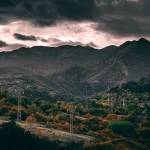
📷 Featured image by Silviya Nenova on Unsplash.