On this page
- Varna’s Dual Identity: Ancient Port Meets Modern Resort
- Varna’s Distinct Neighborhoods: Where History Lives
- Ancient Gold and Roman Splendor: Varna’s Must-See Heritage
- Varna’s Culinary Landscape: From Sea Garden to Harbor Markets
- Getting Around Varna: Buses, Bikes, and Coastal Connections
- Day Trips from Varna: Black Sea Treasures Within Reach
- Varna After Dark: Beach Clubs to Cultural Venues
- Shopping in Varna: Markets, Malls, and Coastal Boutiques
- Where to Stay in Varna: From Historic Charm to Beachfront Luxury
- Seasonal Guide: When to Experience Varna’s Many Faces
- Practical Varna Tips: Navigating the Black Sea Capital
- Budget Planning for Varna: Daily Costs by Travel Style
- Frequently Asked Questions
💰 Click here to see Bulgaria Budget Breakdown
💰 Prices updated: August, 2026. Budget figures are estimates — always verify before travel.
Exchange Rate: $1 USD = €0.86
Daily Budget (per person)
Shoestring: €35.00 – €50.00 ($40.70 – $58.14)
Mid-range: €60.00 – €100.00 ($69.77 – $116.28)
Comfortable: €150.00 – €200.00 ($174.42 – $232.56)
Accommodation (per night)
Hostel/guesthouse: €5.00 – €20.00 ($5.81 – $23.26)
Mid-range hotel: €55.00 – €95.00 ($63.95 – $110.47)
Food (per meal)
Budget meal: €12.00 ($13.95)
Mid-range meal: €25.00 ($29.07)
Upscale meal: €60.00 ($69.77)
Transport
Single metro/bus trip: €0.80 ($0.93)
Monthly transport pass: €25.50 ($29.65)
Planning a trip to Varna in 2026 means navigating Bulgaria’s most complex destination — a city where 6,000-year-old gold treasures sit blocks away from luxury beach resorts, and where summer crowds can overwhelm the very archaeological sites that make this place special. The key is knowing when to visit the ancient Roman baths (early morning), which neighborhoods offer authentic experiences beyond the tourist strips, and how to balance cultural exploration with Black Sea relaxation.
Varna’s Dual Identity: Ancient Port Meets Modern Resort
Varna operates on two completely different rhythms. From October through May, it functions as a working port city of 330,000 people, where university students fill cafés along Knyaz Boris I Boulevard and locals gather in the covered market halls. The smell of roasted coffee drifts from traditional kavehane, mixing with the salt air from the nearby harbor.
Come summer, Varna transforms into Bulgaria’s unofficial resort capital. The population swells to over 500,000 as tourists from across Eastern Europe descend on Golden Sands and Albena beaches just north of the city. This seasonal split creates fascinating contrasts — you can examine Roman mosaics in a quiet museum at 10am, then find yourself at a beach club with international DJs by sunset.
What makes Varna genuinely unique is its archaeological significance. This isn’t just another Black Sea resort with some old ruins. The Varna Necropolis contains the world’s oldest worked gold, predating even the pharaohs. The Roman Thermae complex rivals anything found in Pompeii. These discoveries happened here because Varna has been continuously inhabited for over 7,000 years, layering civilizations on top of each other.
The city’s layout reflects this history. The compact historic center clusters around the Archaeological Museum and Roman baths, while the modern resort infrastructure spreads north along the coast. Primorski Park (Sea Garden) acts as a green buffer between old and new Varna, stretching 8 kilometers along the shoreline with museums, restaurants, and beach access points.

Varna’s Distinct Neighborhoods: Where History Lives
Understanding Varna’s neighborhoods helps you choose experiences over convenience. Each area serves different travelers and offers completely different atmospheres.
Historic Center (Stariya Grad)
The maze of streets around the Archaeological Museum forms Varna’s cultural heart. Narrow cobblestone alleys like Bratya Shkorpil Street house antique shops, art galleries, and traditional restaurants that locals actually use. The covered Central Market operates here since 1906, selling everything from Black Sea fish to handwoven textiles.
Stay in the Historic Center if you want to walk to major museums, prefer authentic dining over tourist restaurants, and don’t mind being 15 minutes from the beach. The area gets quiet after 10pm, making it perfect for early risers who want to visit archaeological sites before crowds arrive.
Primorski Park (Sea Garden)
This 8-kilometer stretch of parkland runs along Varna’s entire coastline, connecting the city center to the northern resort areas. The southern section near the Naval Museum features formal gardens and the Summer Theatre, while the northern end transitions into natural forest trails.
The park contains several important attractions: the Varna Aquarium (Bulgaria’s first), the Natural History Museum, and multiple beach access points. Walking the main promenade takes about 90 minutes, but dozens of side paths lead to hidden cafés, art installations, and viewpoints over the Black Sea.
Asparuhovo District
Across Varna Bay, the Asparuhovo Peninsula offers a completely different perspective on the city. This residential area houses the Aladzha Monastery ruins, carved directly into clifftop rock faces during the 14th century. The peninsula also contains some of Varna’s best seafood restaurants, away from the tourist-heavy central areas.
Reaching Asparuhovo requires crossing the bay by bus or taxi (20 minutes from center), making it perfect for half-day explorations rather than base accommodation.

Northern Resort Strip
The coastal road north of Primorski Park leads to Golden Sands, Albena, and other major resort complexes. This area operates almost entirely for summer tourism, with hundreds of hotels, beach clubs, and restaurants designed for package holidaymakers.
Unless you’re specifically seeking all-inclusive resort amenities, this strip offers little authentic Bulgarian experience. However, it does provide direct beach access, extensive spa facilities, and proximity to water sports operators.
Ancient Gold and Roman Splendor: Varna’s Must-See Heritage
Varna’s archaeological treasures rank among Europe’s most significant discoveries. These aren’t reconstructions or replicas — they’re original artifacts and structures that fundamentally changed our understanding of ancient civilizations.
The Varna Archaeological Museum: World’s Oldest Gold
The collection that put Varna on the archaeological map occupies a beautiful 1892 building on Maria Luiza Boulevard. The star attraction remains the Varna Necropolis gold — 6,000-year-old jewelry and ceremonial objects that predate Mesopotamian civilization. The intricately crafted diadem, bracelets, and ax-scepter represent humanity’s first known royal burial.
Beyond the gold, the museum houses Thracian horse harnesses, Greek amphorae, and medieval Bulgarian artifacts. The Roman section includes marble sculptures, coins, and daily life objects that complement the nearby Thermae complex. Plan 2-3 hours for a thorough visit, and arrive when doors open at 10am to avoid tour groups.
Roman Thermae: Ancient Luxury Preserved
The Roman Thermae complex ranks as the largest ancient bathhouse discovered in the Balkans. Built during the 2nd-3rd centuries CE, these ruins showcase sophisticated Roman engineering — hypocaust heating systems, marble-lined pools, and intricate mosaic floors that remain vibrant after 1,800 years.
Walking through the caldarium (hot bath), tepidarium (warm bath), and frigidarium (cold bath), you can almost hear the conversations of Roman merchants and officials who used these facilities daily. The preservation quality rivals Pompeii, but with far fewer crowds. The site opens at 9am, and early morning visits offer the best natural lighting for photography.

Aladzha Monastery: Cliff-Carved Mysticism
Twelve kilometers north of central Varna, the Aladzha Monastery represents medieval Bulgaria’s religious dedication. 14th-century Orthodox monks carved an entire two-story monastery complex directly into limestone cliffs, creating cells, a chapel, and common areas 40 meters above ground.
The monastery includes unique features like stone-carved altars, natural cave chambers used for meditation, and panoramic views over the Black Sea forest. A modern visitor center uses 3D mapping to show how monks lived here for over 200 years before Ottoman invasion forced abandonment.
Pobiti Kamani (Stone Forest): Natural Wonder
Though technically a natural phenomenon rather than archaeological site, the Stone Forest deserves inclusion for its mysterious origin and spiritual significance. Dozens of hollow stone columns rise up to 7 meters from sandy ground, created by unknown geological processes millions of years ago.
Local legends attribute the formations to petrified trees or ancient burial markers, while scientists debate whether they resulted from coral reefs, underwater gas emissions, or meteoric activity. The site sits 18 kilometers west of Varna, accessible by car or organized tour.
Varna’s Culinary Landscape: From Sea Garden to Harbor Markets
Varna’s food scene divides clearly between tourist-focused coastal restaurants and authentic Bulgarian establishments serving locals year-round. The city’s position as a major port brings fresh Black Sea seafood daily, while its agricultural hinterland provides vegetables, wines, and traditional preserved foods.
Central Market Hall: Traditional Flavors
The covered market on Maria Luiza Boulevard operates since 1906, offering Varna’s most authentic food shopping experience. Local vendors sell Black Sea mussels, fresh turbot, and seasonal catches alongside Bulgarian cheeses, cured meats, and homemade preserves. The market’s kafene (coffee shops) serve proper Turkish coffee and fresh banitsa from 7am daily.

For prepared foods, seek out the traditional mehanas (taverns) surrounding the market. Starata Kashta and Ethno serve hearty Bulgarian classics like shopska salad with local sirene cheese, grilled kebapche with lyutenitsa relish, and slow-cooked lamb with fresh herbs.
Primorski Park Restaurant Strip
The restaurants along Primorski Park’s main promenade cater primarily to tourists but maintain decent quality due to competition. Focus on establishments specializing in Black Sea seafood — restaurants like Captain Cook and Marina offer daily catches prepared simply with Bulgarian white wines.
The park’s southern end near the Naval Museum houses more upscale options. BM Restaurant combines international techniques with Bulgarian ingredients, while Graffit Gallery Restaurant offers rooftop dining with bay views. Expect to pay 40-60 BGN (20-30 EUR) per person for dinner at these establishments.
Asparuhovo Peninsula: Local Seafood
Cross Varna Bay to find the city’s best authentic seafood restaurants, patronized by locals rather than tourists. Establishments like Ethnographic Restaurant and Villa Rossa serve traditional Bulgarian fish preparations — grilled Black Sea bream with fresh dill, mussel stew with white wine, and turbot baked with vegetables.
The peninsula’s restaurants source directly from local fishermen, ensuring freshness while maintaining reasonable prices. Expect to pay 25-35 BGN (13-18 EUR) per person for substantial seafood meals with local wine.
Northern Resort Dining
The Golden Sands and Albena resort areas offer extensive dining options, though most cater to international tourists rather than showcasing Bulgarian cuisine. However, several establishments stand out for quality: Coral Restaurant specializes in contemporary seafood presentations, while Zlatni Pyasatsi offers traditional Bulgarian dishes in an authentic setting.
For casual eating, the resort beaches feature numerous snack bars serving fresh corn on the cob, grilled meats, and cold Bulgarian beers. Prices run higher than central Varna — expect to pay 15-20 BGN (8-10 EUR) for simple meals.

Getting Around Varna: Buses, Bikes, and Coastal Connections
Varna’s compact historic center encourages walking, but reaching outlying attractions, beaches, and day trip destinations requires understanding the city’s transport network. The 2026 infrastructure improvements, including expanded bus routes and new bike-sharing systems, make navigation significantly easier than previous years.
Public Bus System
Varna’s municipal bus network connects all major neighborhoods and attractions efficiently. Route #409 runs from the train station through the historic center to Golden Sands resort (45 minutes), while Route #17 connects the center to Asparuhovo Peninsula (25 minutes). Bus #31 serves Varna Airport to city center route (35 minutes).
Single bus tickets cost 1.50 BGN (0.75 EUR), purchased from kiosks or the driver. Day passes cost 5 BGN (2.50 EUR) and include unlimited rides plus access to the municipal bike-sharing system introduced in 2025. Buses run from 5:30am to midnight, with reduced frequency after 10pm.
Bike-Sharing and Cycling
The new VarnaBike system launched in 2025 provides 500 bicycles at 40 stations throughout the city and resort areas. The network particularly serves Primorski Park, with stations every 500 meters along the coastal promenade. Cycling the entire 8-kilometer park route takes about 45 minutes with photo stops.
Daily bike rental costs 10 BGN (5 EUR) through the mobile app, with 30-minute ride segments included. Traditional bike rental shops near the Sea Garden charge 15-25 BGN (8-13 EUR) daily for standard bikes, 30-40 BGN (15-20 EUR) for electric models.
Taxis and Ride Services
Official Varna taxis display city license numbers and use meters starting at 1 BGN (0.50 EUR), with rates of 1.50 BGN per kilometer during day, 2 BGN per kilometer at night. Uber and Bolt operate throughout Varna since 2024, often offering lower prices and better service than traditional taxis.

Typical taxi costs: Airport to city center 15-20 BGN (8-10 EUR), Historic center to Golden Sands 25-30 BGN (13-15 EUR), City center to Asparuhovo 12-15 BGN (6-8 EUR).
Airport Connections
Varna Airport sits 10 kilometers west of the city center, with improved connections since 2025. Municipal bus #31 runs every 20 minutes during summer (6am-midnight), every 40 minutes in winter (6am-10pm). The journey takes 35 minutes to central Varna, costing 1.50 BGN (0.75 EUR).
Airport shuttle services cost 8-10 BGN (4-5 EUR) per person for shared rides, 15-20 BGN (8-10 EUR) for private transfers. Most resort hotels north of Varna provide direct shuttle services during summer months.
Day Trips from Varna: Black Sea Treasures Within Reach
Varna’s central location on Bulgaria’s Black Sea coast makes it perfect for exploring UNESCO World Heritage sites, ancient capitals, dramatic coastlines, and traditional fishing villages. Most destinations reach easily by car, bus, or organized tour within 2 hours.
Nessebar: UNESCO Medieval Town
This UNESCO World Heritage peninsula town showcases Bulgaria’s richest concentration of medieval churches and traditional Black Sea architecture. Over 40 Orthodox churches from the 5th-14th centuries crowd onto a tiny island connected to the mainland by a narrow causeway.
The ancient Nesebar Archaeological Museum displays artifacts from the town’s 3,000-year history, while the narrow cobblestone streets reveal Byzantine mosaics, medieval frescoes, and traditional wooden houses with upper floors jutting over the sidewalks. The town becomes extremely crowded during summer afternoons, so arrive early morning or late afternoon.
Getting there: Direct buses run hourly from Varna bus station (2 hours, 12 BGN/6 EUR). By car via A1 motorway (1.5 hours). Organized tours cost 45-60 BGN (23-30 EUR) including transport and guide.
Balchik Palace and Botanical Garden
Former Romanian Queen Marie’s summer palace sits on dramatic cliffs 35 kilometers north of Varna. Built in 1926, the complex combines Oriental architecture with extensive botanical gardens featuring over 3,000 plant species, including Bulgaria’s largest collection of cacti and succulents.

The palace itself showcases Art Deco interiors, while the terraced gardens cascade down cliffsides toward the Black Sea. The site includes Queen Marie’s tomb, several pavilions, and panoramic viewpoints. The botanical garden’s rose collection peaks in May-June, while the Mediterranean plants thrive year-round.
Getting there: Bus from Varna central station (50 minutes, 8 BGN/4 EUR). By car via coast road (40 minutes). Entry 10 BGN (5 EUR), gardens only 6 BGN (3 EUR).
Kaliakra Cape: Dramatic Coastal Wilderness
This narrow peninsula extends 2 kilometers into the Black Sea, ending in 70-meter cliffs that provide nesting sites for rare seabirds. The cape houses ruins of a 4th-century fortress, medieval Bulgarian stronghold, and Ottoman fortifications — layers of history spanning 1,600 years.
The site includes a small museum explaining the area’s strategic importance, walking trails along cliff edges with panoramic sea views, and protected areas where dolphins occasionally appear offshore. The cape’s lighthouse operates since 1866, marking one of the Black Sea’s most dangerous points for ships.
Getting there: No direct public transport. Car via coastal road (1.5 hours north from Varna). Organized tours from Varna cost 50-70 BGN (25-35 EUR). Entry 5 BGN (2.50 EUR).
Madara Horseman: Ancient Rock Relief
This UNESCO World Heritage site features a massive 8th-century rock carving depicting a horseman spearing a lion — the only known example of early medieval Bulgarian art. The relief sits on a cliff face 100 meters above ground, accessible by hiking trail through Madara National Historical Park.
The site includes ruins of ancient Madara settlement, medieval fortress walls, and natural caves used for religious purposes since Thracian times. The visitor center explains the relief’s significance as a symbol of Bulgarian state formation during the First Bulgarian Empire.

Getting there: No direct transport. Best combined with Shumen (ancient capital) day trip. By car (1.5 hours west). Organized tours cost 60-80 BGN (30-40 EUR). Entry 6 BGN (3 EUR).
Pobiti Kamani Nature Park
The mysterious Stone Forest makes an excellent half-day trip from Varna, combining geological wonder with peaceful natural environment. The site features over 300 stone columns rising from sandy ground, created by unknown processes millions of years ago.
Several marked trails wind through the formations, ranging from 30-minute easy walks to 2-hour nature hikes. The area includes picnic facilities, visitor center with geological explanations, and photography viewpoints. Early morning or late afternoon provide the best lighting for the stone formations.
Getting there: Bus from Varna toward Sofia, stop at Pobiti Kamani (30 minutes, 4 BGN/2 EUR). By car via A1 motorway (25 minutes). Entry 3 BGN (1.50 EUR).
Varna After Dark: Beach Clubs to Cultural Venues
Varna’s nightlife splits between sophisticated cultural offerings in the historic center and high-energy beach parties in the northern resort areas. The city’s summer festival calendar adds open-air concerts, theater performances, and international events that extend the party season from May through September.
Beach Club Scene
The northern resort strip hosts Bulgaria’s most elaborate beach clubs, operating primarily during summer months (May-September). Bedroom Beach Club at Golden Sands features international DJs, infinity pools, and VIP cabanas overlooking the Black Sea. Expect entry fees of 20-30 BGN (10-15 EUR) on weekends, with cocktails costing 15-25 BGN (8-13 EUR).
Cacao Beach Club offers a more relaxed atmosphere with live music, seafood dining, and sunset cocktails. The venue operates from 10am serving food and drinks, transitioning to party mode after 10pm. Their weekly salsa nights on Wednesdays attract both tourists and locals.
Historic Center Nightlife
Central Varna’s bar scene caters more to locals and cultural tourists. The area around Nezavisimost Square features traditional mehanas with folk music, wine bars showcasing Bulgarian vintages, and contemporary cocktail lounges.

Gramophone Club occupies a converted early 20th-century mansion, offering jazz, blues, and world music performances in an intimate setting. The venue’s extensive wine list emphasizes Bulgarian producers from Thracian Valley and Danube Plain regions. Cover charges range 10-15 BGN (5-8 EUR) for live performances.
BeerBuzz and Fabric Club represent Varna’s alternative music scene, featuring local bands, DJ sets, and themed nights. Both venues maintain reasonable drink prices — local beers cost 4-6 BGN (2-3 EUR), cocktails 10-15 BGN (5-8 EUR).
Summer Cultural Calendar
The Varna Summer International Festival (June-August) transforms the city into Bulgaria’s cultural capital, with opera, ballet, classical music, and theater performances in venues like the Summer Theatre and Festival and Congress Center. Many events occur outdoors in Primorski Park, creating magical evening experiences under the stars.
The Love is Folly International Theatre Festival (September) brings experimental theater companies from across Europe to perform in various locations throughout historic Varna. The International Jazz Festival (July) features both established and emerging artists performing in seaside venues.
Rooftop Bars and Sea Views
Several establishments take advantage of Varna’s hilly topography and coastal location to offer elevated drinking experiences. The rooftop bar at Grand Hotel London provides panoramic views over Varna Bay while serving creative cocktails and light meals. Happy Bar & Grill’s terrace overlooks the Sea Garden and offers a more casual atmosphere with international food menu.
For sunset drinks, head to the terraces at Villa Rossa on Asparuhovo Peninsula, where the elevated position provides unobstructed western views over the Black Sea. The 20-minute journey across the bay rewards visitors with spectacular sunset views and lower prices than central Varna establishments.
Shopping in Varna: Markets, Malls, and Coastal Boutiques

Varna offers shopping experiences ranging from traditional Bulgarian crafts in historic market halls to international brands in modern shopping centers. The city’s status as a major port and tourist destination creates unique opportunities to find both authentic local products and imported goods at competitive prices.
Traditional Markets and Crafts
The Central Market Hall on Maria Luiza Boulevard provides Varna’s most authentic shopping experience. Operating since 1906, the covered market sells traditional Bulgarian products: handwoven textiles from Kotel region, rose oil products from Kazanlak, pottery from Troyan, and woodcarvings from Tryavna craftsmen.
Local food specialties include Black Sea honey, traditional lukum (Turkish delight), homemade rakia (fruit brandy), and preserved vegetables. Prices remain reasonable compared to tourist shops — handwoven runners cost 25-40 BGN (13-20 EUR), while authentic pottery pieces range 15-50 BGN (8-25 EUR).
The Saturday morning market in Asparuhovo District offers fresh produce, local cheeses, and homemade preserves sold directly by regional farmers. This market provides insight into Bulgarian agricultural traditions while offering excellent prices on seasonal fruits and vegetables.
Modern Shopping Centers
Mall Varna, the city’s largest shopping center, houses over 100 stores including international brands like H&M, Zara, and Massimo Dutti alongside Bulgarian retailers. The mall includes a large Kaufland hypermarket, cinema complex, and food court featuring both international chains and local restaurants.
Grand Mall Varna focuses more on premium brands and services, with stores like Tommy Hilfiger, Calvin Klein, and local jewelry boutiques specializing in Varna’s gold-working traditions. The mall’s top floor features restaurants with sea views and a spa center offering traditional Bulgarian treatments.
Boutique Shopping Districts
Knyaz Boris I Boulevard, Varna’s main pedestrian street, features boutique shops selling designer clothing, handmade jewelry, and art galleries showcasing contemporary Bulgarian artists. The street’s historic buildings house unique stores like Ethnographic Boutique, which sells museum-quality reproductions of ancient Bulgarian jewelry and textiles.
The area around the Archaeological Museum includes several antique shops selling vintage Bulgarian items, old maps, coins, and traditional costumes. Prices vary widely depending on authenticity and condition, but browsing these shops provides insight into Bulgarian cultural history.
Resort Area Shopping
The northern resort areas offer extensive souvenir shopping, though quality and authenticity vary significantly. Golden Sands and Albena feature numerous shops selling beachwear, sunglasses, and typical tourist souvenirs alongside some legitimate Bulgarian craft items.
For genuine local products in resort areas, seek out shops displaying the “Bulgarian Rose” certification mark, indicating authentic rose oil products, or the “Rhodope” label for traditional textiles. Avoid shops selling mass-produced “Bulgarian” items that actually originate from other countries.
Where to Stay in Varna: From Historic Charm to Beachfront Luxury
Choosing accommodation in Varna depends entirely on your priorities: cultural exploration, beach access, nightlife, or budget considerations. Each area offers distinct advantages and atmospheres, with significant price variations between historic center properties and resort complexes.
Historic Center: Cultural Immersion
Staying in central Varna puts major museums, restaurants, and cultural sites within walking distance while providing authentic neighborhood experiences. The area features primarily boutique hotels, guesthouses, and apartment rentals rather than large resort properties.
**Budget Options (40-80 BGN/20-40 EUR per night):**
Hotel Musala offers basic but clean rooms in a historic building near the Archaeological Museum. Hostel Yo provides dorm beds and private rooms popular with backpackers and cultural tourists. Several apartment rental options through local agencies offer better value for stays over 3 nights.
**Mid-Range Comfort (80-150 BGN/40-75 EUR per night):**
Grand Hotel London combines historic character with modern amenities, featuring a rooftop bar with panoramic city views. Hotel Bulgaria provides newly renovated rooms near the Roman Thermae with traditional Bulgarian décor and modern bathrooms.
**Luxury Historic (150-300 BGN/75-150 EUR per night):**
Graffit Gallery Design Hotel offers boutique accommodations in a converted historic mansion, featuring contemporary art, designer furnishings, and personalized service. Villa Rossa, technically on Asparuhovo Peninsula, provides luxury rooms with private terraces and sea views.
Primorski Park Area: Balance of Culture and Coast
The Sea Garden area provides easy access to both cultural sites and beach activities, with accommodation options ranging from family-friendly hotels to luxury resorts. This area maintains a more refined atmosphere than the northern resort strip while offering coastal amenities.
Most hotels in this area include breakfast and provide easy access to the park’s walking trails, museums, and beach areas. The Dolphinarium, Aquarium, and Naval Museum all sit within walking distance, while downtown cultural sites remain easily accessible by foot or short bus ride.
Northern Resort Strip: All-Inclusive Beach Focus
The Golden Sands and Albena resort areas cater specifically to beach tourism, offering extensive hotel complexes with pools, spas, restaurants, and direct beach access. These properties operate primarily during summer months (May-October) with significantly reduced rates during shoulder seasons.
**All-Inclusive Resorts (100-400 BGN/50-200 EUR per person per night):**
International Hotel Casino & Tower provides Las Vegas-style entertainment with multiple restaurants, casino, and spa facilities. Admiral Hotel Golden Sands offers family-focused amenities including kids’ clubs, water slides, and organized activities.
These resorts include all meals, drinks, and entertainment in their rates, making them convenient for families or travelers seeking predictable costs. However, they provide limited authentic Bulgarian cultural experiences and keep guests within resort boundaries.
Asparuhovo Peninsula: Authentic Local Experience
Staying across Varna Bay provides a completely different perspective on the city while maintaining access to all major attractions. This area houses primarily family-run guesthouses, small hotels, and vacation rental properties popular with Bulgarian domestic tourists.
Accommodation costs significantly less than central Varna or resort areas, with most properties offering 50-100 BGN (25-50 EUR) per night for comfortable rooms. The trade-off involves 20-30 minutes travel time to reach central attractions, though the authentic neighborhood experience and excellent seafood restaurants provide compensation.
Seasonal Guide: When to Experience Varna’s Many Faces
Varna reveals completely different personalities depending on season, from quiet cultural exploration in winter to festival-packed summer celebrations. Understanding these seasonal rhythms helps you choose the perfect time for your specific interests and budget.
Peak Summer (July-August): Festival Season
High summer brings warm Black Sea temperatures (22-24°C), long daylight hours (15+ hours), and the full cultural calendar including Varna Summer Festival, Love is Folly Theatre Festival, and numerous outdoor concerts. Beach conditions reach perfection, but accommodation prices peak and crowds fill all major attractions.
This season suits travelers prioritizing beach time, water sports, nightlife, and cultural festivals. However, expect to pay premium prices for accommodation (2-3x winter rates), restaurant reservations become essential, and popular sites like the Roman Thermae and Archaeological Museum require early morning visits to avoid tour groups.
Average daily temperatures: 28°C (82°F), sea temperature: 23°C (73°F). Accommodation: 150-400 BGN (75-200 EUR) per night for mid-range options.
Shoulder Seasons (May-June, September): Perfect Balance
Late spring and early autumn provide Varna’s most pleasant weather conditions with warm temperatures (20-25°C), comfortable sea conditions, and significantly reduced crowds. Many cultural venues extend hours, restaurants operate full menus, and accommodation prices drop by 30-40% compared to peak season.
May offers blooming gardens in Primorski Park and perfect conditions for day trips to Balchik Palace’s botanical gardens. September provides warm sea temperatures ideal for swimming, autumn light perfect for photography, and harvest season in nearby wine regions.
These months particularly suit cultural tourists, active travelers, and anyone seeking authentic experiences without summer crowds. Most beach facilities operate full services, while museums and archaeological sites remain easily accessible.
Spring/Autumn Transitions (April, October): Cultural Focus
Mild weather (15-20°C) and minimal crowds make these months perfect for serious cultural exploration. Museums operate regular hours without summer rush, restaurant prices drop to local levels, and accommodation becomes widely available at reasonable rates.
April brings fresh spring weather ideal for walking through historic neighborhoods and exploring archaeological sites in comfortable temperatures. October offers stable weather, autumn colors in Primorski Park, and extended daylight for sightseeing.
Beach activities become limited due to cool sea temperatures (15-18°C), but this season appeals to history enthusiasts, photographers, and budget-conscious travelers. Many resort facilities close or operate reduced schedules, focusing attention on authentic Varna rather than tourist infrastructure.
Winter (November-March): Authentic City Life
Winter reveals Varna’s authentic character as a working port city rather than tourist destination. Temperatures drop to 5-10°C with occasional snow, but most cultural sites maintain regular operations. Accommodation prices reach annual minimums, often 60-70% below summer rates.
This season suits travelers interested in archaeology, museums, and authentic Bulgarian urban culture without any tourist atmosphere. The covered Central Market operates year-round, traditional mehanas serve hearty winter dishes, and cultural venues like theaters and concert halls maintain full programs.
Beach activities become impossible due to cold weather, and some coastal restaurants close. However, winter provides unique opportunities to experience Varna as locals know it, with genuine neighborhood interactions and cultural immersion impossible during tourist seasons.
Practical Varna Tips: Navigating the Black Sea Capital
Varna operates with some unique local customs and practical considerations that differ from both Sofia and typical European coastal destinations. Understanding these details enhances your experience while avoiding common tourist frustrations.
Beach Etiquette and Safety
Bulgarian beach culture includes some specific expectations around behavior and facilities. Most organized beaches charge entrance fees (5-15 BGN/2.50-8 EUR) that include basic amenities like changing rooms, showers, and toilet facilities. Umbrellas and loungers cost additional 10-20 BGN (5-10 EUR) per day.
Topless sunbathing is generally accepted on organized beaches, though less common on public beach areas. The Black Sea can develop strong currents and sudden weather changes — always observe lifeguard flags and warnings. Water shoes are recommended as some beach areas contain stones or sea glass.
Language and Communication
Central Varna’s tourism infrastructure includes English-speaking staff at major hotels, restaurants, and attractions. However, venturing into authentic neighborhoods or using public transport requires basic Bulgarian phrases or translation apps.
Cyrillic script appears on all street signs and official signage, though major tourist areas include Latin alphabet translations. Download an offline translation app before arriving, as internet coverage can be spotty in some coastal areas outside the resort zones.
Essential phrases: “Blagodarja” (thank you), “Kolko struva?” (how much does it cost?), “Govorite li angliiski?” (do you speak English?)
Money and Payments
Bulgaria uses the Bulgarian lev (BGN), with €1 = 1.95 BGN fixed rate. Most restaurants, hotels, and shops accept credit cards, though traditional markets and some smaller establishments prefer cash. ATMs are widely available throughout central Varna and resort areas.
Tipping follows standard European practices: 10% in restaurants for good service, rounding up for taxis, 5-10 BGN for hotel housekeeping. Some upscale restaurants automatically include service charges — check your bill before adding additional tips.
Safety Considerations
Varna ranks among Bulgaria’s safest cities, with low crime rates and effective tourist police presence during summer months. Standard urban precautions apply: secure valuables, avoid isolated areas at night, and be aware of pickpockets in crowded tourist zones.
The main safety concerns involve beach activities (strong currents, sudden weather changes) and traffic when crossing busy coastal roads. Emergency services respond in English during tourist season: Police 166, Medical 150, Fire 160.
Internet and Mobile Connectivity
Free Wi-Fi operates in most hotels, restaurants, and public areas throughout central Varna and resort zones. The city provides municipal Wi-Fi in Primorski Park and historic center squares, though connection quality varies with user volume.
For extensive internet use, purchase a Bulgarian SIM card from A1, Telenor, or Vivacom providers. Tourist packages cost 10-20 BGN (5-10 EUR) for 7-day plans with adequate data for navigation, translation, and social media use.
Budget Planning for Varna: Daily Costs by Travel Style
Varna’s costs vary dramatically between seasons, neighborhoods, and travel styles. Summer resort prices can triple winter rates, while choosing authentic local establishments over tourist-focused venues significantly reduces daily expenses.
Budget Backpacker (40-70 BGN/20-35 EUR per day)
**Accommodation:** Hostel dorm bed or budget guesthouse (25-40 BGN/13-20 EUR)
**Food:** Central Market snacks, street food, traditional mehanas (15-25 BGN/8-13 EUR)
**Transport:** Walking + occasional bus rides (0-5 BGN/0-2.50 EUR)
**Attractions:** Free beaches, Primorski Park walking, one museum (5-10 BGN/2.50-5 EUR)
This budget works well during shoulder seasons (April-June, September-October) when accommodation and restaurant prices drop significantly. Focus on the historic center, use public transport, eat at traditional establishments, and take advantage of free attractions like beaches and park areas.
Mid-Range Comfort (100-180 BGN/50-90 EUR per day)
**Accommodation:** 3-star hotel or nice guesthouse (60-100 BGN/30-50 EUR)
**Food:** Mix of traditional restaurants and quality tourist establishments (40-60 BGN/20-30 EUR)
**Transport:** Taxis for convenience, bike rentals (10-20 BGN/5-10 EUR)
**Attractions:** Multiple museums, day trip to Nessebar or Balchik (30-50 BGN/15-25 EUR)
This range allows comfortable exploration of all major attractions, dining at recommended restaurants, and staying in well-located accommodations. Includes occasional taxi rides for convenience and organized day trips to nearby destinations.
Luxury Experience (250-500 BGN/125-250 EUR per day)
**Accommodation:** 4-5 star hotel or boutique property (150-300 BGN/75-150 EUR)
**Food:** Upscale restaurants, hotel dining, wine tastings (80-120 BGN/40-60 EUR)
**Transport:** Private transfers, car rental (20-40 BGN/10-20 EUR)
**Attractions:** Private guides, spa treatments, premium experiences (50-100 BGN/25-50 EUR)
Luxury travel in Varna includes beachfront accommodations, fine dining with Black Sea specialties, private transportation, and exclusive experiences like private archaeological tours or spa treatments using Bulgarian rose oil products.
Seasonal Price Variations
These budgets assume shoulder season travel (May-June, September). Peak summer prices (July-August) increase accommodation costs by 50-100%, restaurant prices by 20-30%, and some attractions by 25%. Winter travel (November-March) reduces accommodation costs by 40-60% while keeping food and attraction prices stable.
The largest savings come from choosing authentic local establishments over tourist-focused venues, staying in the historic center rather than resort areas, and visiting during shoulder seasons when services remain fully operational but crowds and prices decrease significantly.
Frequently Asked Questions
How many days do you need to see Varna properly?
Three to four days allows you to explore the major archaeological sites, experience the Sea Garden, take one day trip to Nessebar or Balchik, and enjoy some beach time. Cultural enthusiasts should plan 4-5 days to properly visit all museums and archaeological sites, while beach-focused travelers can enjoy a week combining Varna’s attractions with Black Sea relaxation.
Can you swim in the Black Sea at Varna year-round?
Swimming is comfortable from May through October, with peak conditions July-September when water temperatures reach 22-24°C. Winter swimming is possible but uncomfortable, with water temperatures dropping to 6-8°C. Many locals practice winter sea swimming for health benefits, but most visitors prefer the warm summer months.
Is Varna expensive compared to other Bulgarian cities?
Varna costs more than most Bulgarian cities due to its tourist infrastructure, particularly during summer months. Accommodation and dining prices approach Western European levels in resort areas during peak season. However, authentic local establishments maintain reasonable Bulgarian prices year-round, and winter visits offer excellent value with 40-60% lower costs.
What’s the best way to reach Varna from Sofia or other Bulgarian cities?
The most convenient option is flying from Sofia to Varna (50 minutes, multiple daily flights). By car, the new A1/A2 motorway connects Sofia to Varna in 4.5 hours. Bus services run every 2 hours from Sofia’s Central Bus Station (5-6 hours, 25-35 BGN). Train service exists but takes 7-8 hours with connections, making it impractical for most travelers.
Are the archaeological sites suitable for children and non-history enthusiasts?
The Archaeological Museum presents artifacts in engaging ways that appeal to various interests, especially the famous gold exhibits. The Roman Thermae site works well for children as they can walk through actual ancient structures. Both sites offer audio guides and interactive displays introduced in 2025-2026. Plan 1-2 hours maximum per site for non-enthusiasts to maintain interest levels.
Explore more
Best Places to Eat in Varna, Bulgaria
The Best Shopping in Varna: Malls, Markets & Souvenir Spots You Can’t Miss
Where to Find Authentic Bulgarian Food in Varna
The Ultimate Varna Travel Guide: Planning Your Perfect Bulgarian Black Sea Escape
Varna’s Top 10 Bars You Can’t Miss for a Great Night Out
20 Must-Do Things in Varna: Your Essential Checklist for Bulgaria’s Sea Capital
Where to Stay in Varna: Best Neighborhoods & Hotels for Every Budget
Varna Beaches Guide: Discovering the Best Sands on the Bulgarian Coast
Varna Airport to City Center: Your Complete Transfer Guide
A Perfect 3-Day Varna Itinerary: Maximizing Your Weekend Getaway
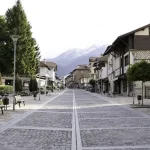
📷 Featured image by Ivo Yordanov on Unsplash.