On this page
- Maritime Capital with Small-Town Soul
- Neighborhoods That Define the Coast
- Unmissable Sights and Experiences
- Culinary Neighborhoods and Local Flavors
- Navigating the Coastal City
- Day Trips from Your Coastal Base
- After Dark Along the Coast
- Shopping Streets and Seaside Markets
- Where to Rest Your Head
- Timing Your Coastal Visit
- Practical Essentials for Coastal Living
- Daily Budget Reality Check
- Frequently Asked Questions
💰 Click here to see Bulgaria Budget Breakdown
💰 Prices updated: August, 2026. Budget figures are estimates — always verify before travel.
Exchange Rate: $1 USD = €0.86
Daily Budget (per person)
Shoestring: €35.00 – €50.00 ($40.70 – $58.14)
Mid-range: €60.00 – €100.00 ($69.77 – $116.28)
Comfortable: €150.00 – €200.00 ($174.42 – $232.56)
Accommodation (per night)
Hostel/guesthouse: €5.00 – €20.00 ($5.81 – $23.26)
Mid-range hotel: €55.00 – €95.00 ($63.95 – $110.47)
Food (per meal)
Budget meal: €12.00 ($13.95)
Mid-range meal: €25.00 ($29.07)
Upscale meal: €60.00 ($69.77)
Transport
Single metro/bus trip: €0.80 ($0.93)
Monthly transport pass: €25.50 ($29.65)
Planning a Black Sea getaway in 2026 means navigating Burgas’s transformation from industrial port to coastal tourism hub. Bulgaria’s fourth-largest city has shed its Soviet-era image, emerging as the country’s undisputed maritime gateway. The challenge isn’t finding things to do here — it’s choosing between beach lounging, lake birdwatching, island hopping, and exploring one of Eastern Europe’s most underrated urban waterfronts.
Maritime Capital with Small-Town Soul
Burgas occupies a unique position along Bulgaria’s Black Sea coast — close enough to ancient Sozopol and Nessebar for day trips, yet substantial enough to anchor a week-long coastal adventure. The city wraps around Burgas Bay like a crescent moon, with the famous Sea Garden stretching for 7 kilometers along the waterfront.
The morning air carries the salt tang of the Black Sea mixed with the aroma of grilled fish from harborside tavernas. Unlike the resort towns that empty after summer, Burgas pulses year-round with university students, port workers, and a growing community of digital nomads drawn by fiber internet speeds that rival Sofia’s.
Three saltwater lakes — Burgas, Atanasovsko, and Mandrensko — form natural boundaries around the city, creating unique ecosystems that attract over 250 bird species. This geographic quirk makes Burgas equally appealing to beach lovers and nature enthusiasts, a combination rare along Europe’s coastlines.
The city’s personality shifts dramatically with the seasons. July and August bring festival energy, packed beaches, and restaurant terraces that don’t close until midnight. Come October, Burgas reveals its quieter side — locals reclaim the Sea Garden for evening strolls, and you can actually hear the waves from waterfront cafés.
Neighborhoods That Define the Coast
Burgas spreads across distinct areas, each with its own rhythm and appeal for different types of travelers.
City Center and Old Town
The compact historical core centers around Bogoridi Boulevard and Aleksandrovska Street. Nineteenth-century merchant houses stand alongside modern shopping centers, while pedestrian zones buzz with street performers and outdoor café terraces. This area suits travelers who want walkable access to museums, restaurants, and nightlife without staying directly on the beach.

The old Turkish quarter, though small, preserves narrow cobblestone lanes where elderly residents still gather for backgammon in shaded courtyards. Budget travelers find the best hostel options here, plus easy bus connections to anywhere in the city.
Sea Garden District
The crown jewel of Burgas stretches along the entire central waterfront. This isn’t just a park — it’s a linear city within the city, containing the Archaeological Museum, Natural History Museum, summer theater, multiple restaurants, and direct beach access. The northern section tends toward families with its playgrounds and mini-golf, while the southern end draws young locals to beach bars and volleyball courts.
Staying near the Sea Garden means paying premium rates, but you’ll wake up to sea views and fall asleep to wave sounds. The area becomes car-free during summer evenings, transformed into a pedestrian promenade where buskers compete with the gentle crash of waves.
Sarafovo
This residential neighborhood stretches south toward the airport, offering a glimpse of daily life beyond the tourist zones. Local fish restaurants here charge half the prices of Sea Garden establishments, and the beach — while less manicured — sees mainly Bulgarian families rather than international visitors.
Sarafovo suits budget-conscious travelers comfortable with a 15-minute bus ride to central attractions. The neighborhood’s authentic character includes morning fish auctions at the small harbor and elderly fishermen mending nets in the afternoon sun.
Izgrev and Meden Rudnik
These eastern districts represent Burgas’s modern expansion — shopping malls, new apartment complexes, and the city’s largest hotels cluster here. The beaches are wider and less crowded, though they lack the central area’s pedestrian energy.

Choose these neighborhoods for newer accommodations, easy parking, and proximity to major roads leading to day-trip destinations. The trade-off is a more suburban feel and dependence on buses or taxis for downtown dining and nightlife.
Unmissable Sights and Experiences
Burgas rewards visitors who look beyond the obvious beach attractions to discover layers of history, nature, and culture.
Sea Garden (Morska Gradina)
This 7-kilometer coastal park ranks among the Balkans’ most beautiful urban green spaces. Created in the 1910s, it combines formal gardens, wild dunes, and direct beach access into one seamless experience. The central alley leads from the Archaeological Museum to the beach, passing rose gardens that bloom spectacularly in May and June.
Summer brings open-air theater performances in the park’s natural amphitheater, while the casino building — a 1930s Art Deco masterpiece — houses rotating art exhibitions. Don’t miss the ethnographic pavilion showcasing traditional Strandzha region crafts.
Burgas Archaeological Museum
Housed in a former girls’ school building within the Sea Garden, this museum punches above its weight with finds spanning 8,000 years of local history. The Thracian gold collection includes spectacular 4th-century BCE wreaths and jewelry discovered in nearby burial mounds.
The Roman section displays mosaics and sculptures from ancient Deultum, while medieval exhibits reveal Burgas’s role in Byzantine trade networks. Most compelling are the underwater archaeology displays — amphora and anchor collections recovered from Black Sea shipwrecks tell stories of maritime commerce spanning centuries.
Interactive displays now include QR codes linking to augmented reality experiences, a 2026 addition that brings ancient Thracian rituals to life through smartphone apps.
Poda Nature Reserve
Just 10 minutes south of downtown, this 101-hectare wetland protects crucial habitat along the Via Pontica bird migration route. Between March and May, over 100 species pass through daily — a spectacular natural show that rivals any human attraction.

The reserve’s wooden walkways and bird-watching hides provide close encounters with pelicans, herons, and flamingos. Early morning visits (sunrise plus one hour) offer the best wildlife viewing, when feeding activity peaks and human disturbance remains minimal.
The visitor center’s multilingual exhibits explain the ecological importance of Burgas Bay’s wetlands, while guided tours led by local ornithologists operate daily from April through October. Binocular rental available for 10 BGN per day.
Burgas Lakes Complex
Three saltwater lakes surrounding the city create unique ecosystems rarely found so close to major urban areas. Lake Burgas, the largest, supports commercial salt production alongside wildlife conservation — a balance maintained since Roman times.
Atanasovsko Lake’s extreme salinity produces pink-tinted water in summer, creating an otherworldly landscape popular with photographers. The lake’s northern end contains active salt pans where traditional harvesting methods continue unchanged for generations.
Mandrensko Lake, smallest of the three, offers the most accessible wildlife viewing from its western shore. Wooden boardwalks built in 2025 now provide wheelchair access to prime birdwatching spots previously reached only by hiking trails.
St. Anastasia Island
Bulgaria’s only inhabited Black Sea island sits 1.5 kilometers from Burgas port, accessible by regular boat service from May through October. This 17-hectare island combines medieval monastery ruins with modern restaurant facilities and overnight accommodation.
The island’s lighthouse, operational since 1912, offers panoramic views of the entire Burgas Bay region. Sunset visits are particularly magical — the lighthouse beam sweeps across water that reflects the city’s twinkling lights like scattered diamonds.
Day-trip boats depart hourly during summer (20 BGN return), while overnight packages include monastery cell accommodation and traditional fish dinners prepared by resident monks. The island’s isolation creates a digital detox opportunity — mobile signals are weak, encouraging genuine relaxation.

Culinary Neighborhoods and Local Flavors
Burgas’s food scene reflects its maritime identity — fresh seafood dominates menus, while nearby salt lakes contribute unique ingredients like samphire and salicornia to creative restaurant offerings.
Harborside Fish District
The working port area between the ferry terminal and yacht marina contains Burgas’s most authentic seafood restaurants. Local fishermen sell directly from boats each morning around 7 AM, while adjacent tavernas serve whatever arrived overnight.
Neptune Restaurant, operating since 1962, maintains the old tradition of no printed menu — daily offerings depend entirely on the morning’s catch. Expect to pay 15-25 BGN for grilled fish platters that would cost double in Sea Garden establishments.
The covered fish market operates Tuesday through Sunday, offering not just fresh catch but prepared specialties like smoked mackerel, pickled herring, and locally-produced caviar from Danube sturgeon farms.
Sea Garden Waterfront
The park’s restaurant strip caters to international visitors with multilingual menus and predictable pricing. However, several establishments transcend tourist-trap status through creative interpretations of Black Sea cuisine.
Ethnographic Restaurant showcases regional specialties like Strandzha-style lamb with wild herbs, while the floating restaurant anchored near the yacht marina serves an impressive 12-course tasting menu featuring ingredients from all three surrounding lakes.
Beach bars along the central stretch transform into sophisticated dining venues after sunset, when white tablecloths replace plastic furniture and sommeliers emerge to discuss Bulgarian wine pairings with grilled seafood.
Bogoridi Boulevard Food Scene
The main pedestrian street contains the city’s most diverse dining options, from Turkish döner stands inherited from Ottoman times to modern fusion restaurants experimenting with molecular gastronomy techniques.
The boulevard’s morning energy centers around traditional bakeries selling fresh banitsa — layers of phyllo pastry filled with cheese, spinach, or meat. The aroma of these breakfast pastries baking draws lines of locals who’ve maintained the same morning routine for decades.

Evening transforms Bogoridi into an outdoor dining room, as restaurants extend seating into the pedestrian zone. Live music drifts between venues, creating a festival atmosphere that continues well past midnight during summer months.
Sarafovo Authentic Eats
This residential neighborhood preserves traditional mehana (tavern) culture largely untouched by tourism influences. Family-run establishments serve hearty portions at prices that reflect local rather than visitor economics.
Grandfather Nikola’s tavern has operated in the same location since 1954, serving dishes prepared according to handwritten recipes passed down through four generations. The menu changes seasonally based on available ingredients, while the wine list features exclusively Bulgarian vintages stored in the basement cellar.
Local fish restaurants here maintain the authentic atmosphere of working fishing communities — expect plastic chairs, paper tablecloths, and some of the freshest seafood on the entire coast.
Navigating the Coastal City
Burgas’s compact size makes most attractions accessible on foot, while efficient public transport connects outlying areas and day-trip destinations.
Public Bus Network
The city operates 15 bus lines covering all neighborhoods and major attractions. Routes #1 and #15 connect the city center with Sarafovo Airport, running every 20 minutes from 5 AM to midnight. Single tickets cost 1.50 BGN, while day passes (5 BGN) provide unlimited rides.
Route #4 circles the Sea Garden, stopping at all major hotels and beach access points. This line extends to Poda Nature Reserve during peak season (May-September), eliminating the need for expensive taxis to reach the bird sanctuary.
Bus #6 connects downtown with the train station and continues to nearby Sozopol, making it the most economical day-trip option for budget travelers. The journey takes 45 minutes compared to 20 minutes by car, but costs only 4 BGN versus 40-50 BGN for taxi service.

Taxi and Ride-Sharing
Licensed taxis use meters with rates starting at 1.20 BGN plus 1.40 BGN per kilometer. Airport transfers typically run 15-20 BGN to city center hotels, though surge pricing during flight arrival peaks can double standard rates.
Uber and Bolt both operate in Burgas as of 2026, offering app-based pricing that often undercuts traditional taxis by 20-30%. Both services extend to popular day-trip destinations like Sozopol and Nessebar, with advance booking available for return journeys.
For elderly or mobility-impaired travelers, several companies operate accessible vehicles equipped with wheelchair lifts. These require advance booking (24-48 hours) but charge standard taxi rates without accessibility surcharges.
Walking and Cycling
The Sea Garden’s pedestrian paths provide car-free access along the entire waterfront, connecting downtown hotels with beaches, museums, and restaurants. Well-maintained sidewalks and regular benches make the 7-kilometer full route manageable for most fitness levels.
Bike-sharing stations installed throughout 2025-2026 now offer 200 electric bikes across 20 locations citywide. Daily rental costs 15 BGN, while weekly passes (50 BGN) appeal to longer-stay visitors. The system integrates with smartphone apps for easy unlocking and GPS route planning.
Dedicated bike lanes separate cyclists from pedestrian traffic along most of the Sea Garden, extending south to Poda Nature Reserve and north toward the industrial port area. Evening rides offer spectacular sunset views, particularly from the elevated sections near the Archaeological Museum.
Airport Connections
Burgas Airport (BOJ) sits 10 kilometers northeast of downtown, connected by regular bus service and multiple transportation options. Sarafovo Airport Bus (#15) runs every 15 minutes during peak season, taking 25 minutes to reach the city center for just 1.50 BGN.
The new express airport shuttle launched in 2026 provides direct connections to major Sea Garden hotels for 8 BGN, operating every 30 minutes from 6 AM to midnight. This service eliminates downtown transfers while maintaining budget-friendly pricing.

Rental car agencies at the airport include all major international brands plus local companies offering competitive rates for coastal exploration. Peak summer booking requires advance reservations, particularly for vehicles equipped with GPS navigation in English.
Day Trips from Your Coastal Base
Burgas’s central location provides easy access to some of Bulgaria’s most spectacular coastal and mountain destinations.
Sozopol: Ancient Meets Bohemian
This UNESCO-protected old town perches on a rocky peninsula 35 kilometers south of Burgas, reachable by bus, taxi, or boat during summer months. The journey by public bus takes 45 minutes and costs 4 BGN, while seasonal ferries offer scenic 90-minute voyages for 25 BGN.
Sozopol’s cobblestone streets wind between 19th-century wooden houses that seem to defy gravity as they cantilever over ancient stone foundations. The old town’s car-free environment creates an intimate atmosphere perfect for leisurely exploration.
Archaeological sites throughout Sozopol reveal continuous habitation spanning 2,600 years. The Church of St. John the Baptist contains relics discovered during recent excavations, while the town museum displays artifacts from ancient Apollonia — the Greek colony that preceded modern Sozopol.
Allow 6-8 hours for a complete visit, including time for swimming at the southern beaches and lunch at one of the cliff-top restaurants overlooking the Black Sea. The last return bus departs at 8 PM, while summer boat services continue until 10 PM.
Nessebar: The Pearl of the Black Sea
Another UNESCO World Heritage site, Nessebar occupies a small island connected to the mainland by a narrow causeway. Located 35 kilometers north of Burgas, it’s accessible by frequent bus service (route #5, 45 minutes, 4 BGN) or organized tours.
The ancient town contains over 40 churches spanning the Byzantine and Bulgarian National Revival periods. Most impressive is the Church of St. Stephen, with its stunning frescoes dating from the 16th century. The archaeological museum displays finds from 3,000 years of continuous habitation.

Nessebar’s narrow peninsula creates distinct atmospheres — the northern shore faces the open sea with dramatic waves and clifftop views, while the southern side provides calm, shallow waters perfect for families with young children.
Summer crowds can overwhelm the small streets between 11 AM and 4 PM. Visit early morning or late afternoon for the best photography light and manageable pedestrian traffic. The wooden windmill at the town’s entrance provides the classic postcard shot, especially dramatic during sunset hours.
Strandzha Nature Park
Bulgaria’s largest nature park begins just 50 kilometers southwest of Burgas, encompassing ancient forests, traditional villages, and unique fire-dancing traditions. Day trips by rental car take 2 hours each way, while organized tours operate May through October.
The park’s diverse ecosystems support over 1,600 plant species and 350 bird species, including some found nowhere else in Europe. Guided nature walks reveal medicinal plants still used by local healers, while eagle observation points provide spectacular raptor viewing during migration seasons.
Traditional villages like Brashlyan and Kosti preserve 19th-century architecture and customs largely unchanged by modern influences. Local guides demonstrate traditional crafts including wood carving, herb gathering, and the preparation of rose oil from wild Rosa damascena.
The mystical Nestinari fire-dancing rituals occur in several Strandzha villages during early June, timed with the Orthodox feast of St. Constantine and St. Helena. These ancient ceremonies blend Christian and pagan elements, with dancers carrying icons while walking barefoot across glowing coals.
Burgas Lakes Circuit
A driving or cycling tour of the three lakes surrounding Burgas offers stunning landscapes and wildlife viewing opportunities within 30 kilometers of the city center. The complete circuit takes 4-6 hours depending on stops, with multiple access points for swimming, photography, and birdwatching.

Lake Atanasovsko’s extreme salinity creates otherworldly pink-tinted waters during summer evaporation periods. The lake’s salt works continue traditional harvesting methods, with wooden rakes and collection baskets unchanged since Roman times. Visitors can purchase various salt products, including specialty blends infused with local herbs.
Mandrensko Lake’s freshwater springs create temperature variations that attract different fish species, making it popular with local anglers. The lake’s western shore contains several bird-watching hides connected by wooden boardwalks, while the eastern side offers secluded beaches for swimming and picnicking.
The circuit’s northern section passes through traditional fishing villages where elderly residents still practice net-making and boat-building skills passed down through generations. Several villages operate small ethnographic museums showcasing maritime heritage and traditional Black Sea fishing techniques.
After Dark Along the Coast
Burgas nightlife reflects its dual nature as working port and summer resort, offering everything from traditional folk clubs to sophisticated cocktail lounges.
Sea Garden Evening Promenade
Summer evenings transform the waterfront into an open-air entertainment district. Street musicians compete for attention with the gentle crash of waves, while food vendors sell grilled corn and traditional sweets from colorful stalls.
The Casino building, a 1930s architectural gem, now houses upscale cocktail lounges and jazz clubs that attract Sofia’s cultural elite during summer weekends. Live music ranges from international touring acts to local folk ensembles, with performances scheduled almost nightly from June through August.
Beach bars along the central stretch transition from daytime casual to evening sophisticated, with white linens replacing plastic furniture and professional bartenders crafting cocktails with locally-distilled rakia and fresh Black Sea salt.
Bogoridi Boulevard Culture Strip

The pedestrian boulevard becomes Burgas’s cultural center after sunset, with theaters, art galleries, and live music venues creating a festival atmosphere that continues past midnight during peak season.
The Drama Theater presents both Bulgarian classics and international productions, with summer performances often staged in the Sea Garden’s natural amphitheater under the stars. Tickets range from 15-40 BGN, with English subtitles available for major productions.
Art galleries along the boulevard coordinate monthly exhibition openings, creating impromptu street parties where local wines flow freely and conversations continue on restaurant terraces well into the evening.
Local Music and Dance Venues
Traditional Bulgarian folk music thrives in several mehana (taverns) that showcase regional Strandzha and Thracian styles. The Ethnographic Restaurant features live performances Wednesday through Saturday, with audience participation encouraged during circle dances that unite visitors and locals.
Modern music venues cluster around the university district, where student-friendly prices and eclectic programming attract younger crowds. International DJs regularly perform during summer months, while local bands experiment with fusion styles blending traditional folk with contemporary electronic elements.
The summer festival calendar includes the International Jazz Festival (July), World Music Days (August), and the traditional Nestinari fire-dancing celebrations (June), each drawing performers and audiences from across the Balkans.
Harborside Nightlife
The working port area offers a grittier nightlife experience favored by locals over tourists. Sailor bars and late-night fish restaurants create an authentic maritime atmosphere where conversations flow in multiple languages and everyone shares tales of distant ports.
Several floating bars and restaurants anchored in the marina provide unique venues accessible only by small boats or swimming. These establishments cater to yachting enthusiasts and adventurous locals seeking something beyond typical waterfront dining.
Night fishing excursions depart from the harbor several evenings per week, combining traditional angling techniques with onboard dining and Bulgarian wine tastings. These 4-hour trips cost 80-120 BGN including equipment and refreshments.
Shopping Streets and Seaside Markets
Burgas shopping reflects its position as regional commercial center, offering everything from international brands to unique local crafts inspired by maritime and folk traditions.
Bogoridi Boulevard Shopping District
The main pedestrian street contains most of Burgas’s retail offerings, from international fashion chains to locally-owned boutiques specializing in handmade jewelry incorporating Black Sea shells and semi-precious stones.
Traditional craft shops sell items produced in nearby Strandzha villages — hand-woven textiles, carved wooden items, and herbal products including the famous Bulgarian rose oil. Quality varies significantly, so examine items carefully and don’t hesitate to bargain, especially for multiple purchases.
The boulevard’s bookshops offer impressive selections of Bulgarian literature in translation, plus detailed maps and guidebooks for exploring the broader Black Sea region. Several stores specialize in maritime history, with rare books and charts appealing to sailing enthusiasts.
Mall Galleria Burgas
This modern shopping center anchors the city’s retail landscape, containing over 100 stores, restaurants, and entertainment facilities. International brands like H&M, Zara, and MediaMarkt compete with Bulgarian retailers offering competitive prices and unique selections.
The mall’s food court provides air-conditioned relief during hot summer days, while the cinema complex screens both Bulgarian and international films with English subtitles. The top-floor restaurants offer panoramic city views, particularly spectacular during sunset hours.
Practical shopping needs are well-served — the hypermarket stocks international products for self-catering visitors, while electronics stores offer SIM cards, adapters, and mobile accessories at competitive prices.
Central Market and Food Hall
The covered market near the train station operates Tuesday through Sunday, offering fresh produce, local specialties, and handmade goods at prices significantly below tourist-area establishments.
Local farmers sell seasonal fruits and vegetables, including unique varieties adapted to the coastal climate. Summer brings spectacular displays of tomatoes, peppers, and melons, while autumn features nuts, honey, and preserved foods traditional to the region.
The market’s fish section showcases the morning’s catch from local boats, with vendors happy to explain preparation methods for unfamiliar species. Many stalls offer vacuum packaging for travelers wanting to transport purchases safely.
Beach Vendor Scene
Summer brings entrepreneurial locals to the beaches, selling everything from fresh fruit and cold drinks to handmade jewelry and temporary tattoos. Prices are negotiable, and quality ranges from tourist trinkets to genuinely skillful craftsmanship.
Local artists display paintings and photographs capturing Black Sea landscapes and wildlife, often working en plein air and welcoming visitors to observe their creative process. These pieces make unique souvenirs while directly supporting local talent.
Traditional costume performances by vendors dressed in regional folk attire add entertainment value to shopping interactions, though this is primarily theatrical rather than authentic cultural expression.
Where to Rest Your Head
Burgas accommodation spans every budget and preference, from backpacker hostels to luxury beachfront resorts.
Budget Options (20-50 BGN per night)
The city center contains several well-maintained hostels popular with backpackers and young professionals. Hostel Burgas, located near Bogoridi Boulevard, offers dormitory beds from 20 BGN and private rooms from 35 BGN, including breakfast and free WiFi.
Family-run guesthouses in residential areas provide authentic local experiences at budget prices. These establishments often include homemade breakfast featuring regional specialties, plus insider advice about non-touristy restaurants and attractions.
The Sarafovo neighborhood offers particularly good value, with private rooms in local homes available through Airbnb-style platforms. Expect basic but clean accommodations, shared bathrooms in some cases, and host families eager to share local knowledge.
Mid-Range Comfort (50-120 BGN per night)
Three-star hotels cluster around the Sea Garden area, providing beach access, professional service, and amenities like pools and restaurants without luxury pricing. Hotel Bulgaria, a renovated Soviet-era property, combines nostalgic architecture with modern comfort and spectacular sea views.
Boutique hotels in converted historical buildings offer character and charm unavailable in chain properties. The Ethnographic Hotel showcases traditional Bulgarian architecture with modern amenities, while the Maritime Museum Hotel incorporates nautical themes throughout its design.
Apartment rentals through local agencies provide self-catering options ideal for families or longer stays. Many properties include balconies with sea views, full kitchens, and washing machines — luxuries that significantly enhance comfort during extended visits.
Luxury and Resort Options (120+ BGN per night)
Beachfront resorts cater to travelers seeking comprehensive amenities and services. The Grand Hotel Primoretz features multiple restaurants, spa facilities, indoor and outdoor pools, and private beach access with complimentary umbrellas and loungers.
All-inclusive resorts popular with package tourists provide predictable comfort and convenience, though they tend to insulate guests from authentic local experiences. Most offer multilingual staff, organized activities, and transportation to major attractions.
Luxury vacation rentals include spectacular properties with private pools, sea views, and concierge services. These options suit groups or travelers celebrating special occasions, offering privacy and personalized service impossible in traditional hotels.
Unique Accommodation Experiences
St. Anastasia Island offers overnight stays in renovated monastery cells, providing a unique digital detox experience surrounded by Black Sea waters. Rates include simple meals prepared by resident monks and boat transportation from Burgas harbor.
Several properties offer glamping experiences in nearby nature areas, combining outdoor adventure with comfortable amenities. These eco-friendly options appeal to travelers seeking sustainable tourism experiences without sacrificing comfort.
Floating accommodations on converted boats and barges provide nautical-themed stays directly on Burgas Bay. These unique properties range from basic to luxurious, all sharing spectacular water views and gentle motion that many guests find surprisingly soothing.
Timing Your Coastal Visit
Burgas reveals different personalities throughout the year, each season offering distinct advantages for different types of travelers.
Peak Summer Season (July-August)
These months bring guaranteed sunshine, warm sea temperatures (22-25°C), and the full spectrum of tourist amenities. Beach clubs operate at capacity, festivals fill the calendar, and the Sea Garden buzzes with activity until well past midnight.
Accommodation prices reach their peak, often double off-season rates, while popular restaurants require reservations and beaches can become crowded during weekend afternoons. International visitors dominate the scene, with English widely spoken in tourist areas.
Weather is reliably hot (25-30°C daily), with occasional thunderstorms providing dramatic evening entertainment. Sea breezes moderate the heat along the waterfront, making outdoor activities comfortable even during midday hours.
Shoulder Seasons (May-June, September)
These periods offer the sweet spot between good weather and manageable crowds. May brings wildflower blooms to surrounding areas, while September provides warm sea temperatures with comfortable air temperatures for hiking and exploration.
Accommodation rates drop 30-50% compared to peak season, while restaurants revert to local clientele and more authentic pricing. Many seasonal businesses remain open, though with reduced hours and limited staffing.
Weather can be variable — pack layers and waterproof clothing for occasional cool or wet days. Sea temperatures remain pleasant for swimming through early October, while hiking weather is ideal throughout both shoulder seasons.
Peaceful Off-Season (October-April)
Winter reveals Burgas’s authentic character as locals reclaim the city from tourist influences. Many seasonal businesses close, but permanent establishments offer genuine hospitality and rock-bottom prices.
Stormy weather creates dramatic seascapes, while the surrounding lakes become prime birdwatching destinations as migrating species pause during their journeys. Indoor attractions like museums and theaters offer refuge from occasional harsh weather.
Temperatures rarely drop below freezing, though wind and rain can make outdoor activities uncomfortable. Pack warm, waterproof clothing and embrace the cozy atmosphere of traditional mehanas warmed by wood-burning stoves.
Festival and Event Calendar
The Burgas Summer Festival (July-August) transforms the Sea Garden into an outdoor concert venue featuring international performers across multiple genres. Tickets start at 20 BGN, with premium shows reaching 80 BGN for major international acts.
The Sand Sculpture Festival (June-September) creates temporary art installations along the central beach, with competitions drawing artists from across Europe. Visitors can try their hand at sculpture during weekend workshops led by professional artists.
Spirit of Burgas (August) ranks among Southeast Europe’s largest music festivals, attracting over 100,000 visitors for three days of international and Bulgarian performers. The festival transforms the airport area into a temporary city with camping, food vendors, and 24-hour entertainment.
Practical Essentials for Coastal Living
Understanding local customs and practical considerations helps visitors navigate Burgas like seasoned travelers rather than obvious tourists.
Safety and Security
Burgas maintains low crime rates typical of Bulgarian cities, with violent crime rare and petty theft concentrated in crowded tourist areas during peak season. Exercise standard urban precautions — secure valuables, avoid displaying expensive electronics, and stay aware of surroundings in unfamiliar neighborhoods.
Beach safety requires attention to warning flags and local conditions. Strong offshore currents can develop quickly, particularly near the harbor entrance. Lifeguards patrol central beaches during summer months, but outlying areas lack professional supervision.
Emergency services operate efficiently, with English-speaking operators available at 112 (European emergency number). Private clinics near the Sea Garden cater to tourists, while the regional hospital provides comprehensive medical services.
Language and Communication
Bulgarian uses Cyrillic alphabet, though tourist areas feature extensive Latin script signage. English proficiency is widespread among younger locals and tourism workers, while older residents may rely on basic German or Russian for international communication.
Learning basic Bulgarian phrases enhances local interactions and often results in helpful advice about non-touristy restaurants and attractions. “Blagodaria” (thank you) and “Izvinete” (excuse me) open doors and create smiles throughout the city.
SIM cards from major providers (Vivacom, Telenor, A1) offer excellent 4G coverage throughout the city and surrounding areas. Tourist packages include generous data allowances for navigation apps, translation tools, and social media sharing.
Money and Tipping
The Bulgarian Lev (BGN) remains the local currency, though euros are widely accepted in tourist establishments at slightly unfavorable exchange rates. ATMs are abundant, with no fees for withdrawals using international debit cards from major networks.
Tipping follows European standards — 10% in restaurants for good service, rounding up taxi fares to the nearest lev, and small amounts for housekeeping in hotels. Street performers and musicians appreciate any contribution, with 1-2 BGN considered generous.
Credit cards work in most establishments, though small vendors and markets prefer cash. Contactless payments have become standard since 2025, with most vendors accepting smartphone payment apps alongside traditional cards.
Local Customs and Etiquette
Bulgarians nod for “no” and shake their heads for “yes” — opposite to most cultures. This can create amusing confusion until visitors adapt, though locals understand international gestures and rarely take offense at cultural misunderstandings.
Religious sites require modest dress, with covered shoulders and legs below the knees. Most churches welcome respectful visitors regardless of faith, though photography restrictions may apply during services or in certain areas.
Beach culture is relaxed but modest compared to Mediterranean destinations. Topless sunbathing is rare and may attract unwanted attention, while nudity is restricted to designated areas well outside the city center.
Daily Budget Reality Check
Burgas offers excellent value compared to Western European destinations, though costs vary dramatically between local and tourist-oriented establishments.
Backpacker Budget (40-60 BGN per day)
Hostel accommodation: 20-25 BGN per night in shared dormitory
Meals: Street food and local establishments, 15-20 BGN daily
Transportation: Public buses and walking, 5 BGN daily
Attractions: Free beaches and parks, occasional museum visits, 10 BGN daily
This budget enables comfortable survival with strategic choices — shopping at local markets for snacks, using public transportation exclusively, and focusing on free activities like beach time and Sea Garden exploration. Occasional splurges on restaurant meals or attraction tickets remain possible with careful planning.
Mid-Range Comfort (100-150 BGN per day)
Hotel accommodation: 60-80 BGN per night for private room with amenities
Meals: Mix of local and tourist restaurants, 40-50 BGN daily
Transportation: Buses, occasional taxis, some tours, 20 BGN daily
Attractions: Museums, day trips, activities, 20-30 BGN daily
This range provides comfortable experiences without luxury pricing — decent hotels with sea views, meals at recommended restaurants, guided tours to major attractions, and flexibility for spontaneous activities or purchases.
Comfortable Luxury (200+ BGN per day)
Resort accommodation: 120-200+ BGN per night for beachfront properties
Meals: Upscale restaurants, room service, wine pairings, 80-100 BGN daily
Transportation: Taxis, private transfers, rental cars, 50 BGN daily
Attractions: Premium tours, spa services, activities, 50+ BGN daily
Luxury travelers enjoy seamless experiences — beachfront resorts with full amenities, fine dining with Bulgarian wine pairings, private transportation to attractions, and premium activities like yacht charters or helicopter tours of the coast.
Currency Conversion Reference
As of 2026, approximate exchange rates:
1 EUR = 1.96 BGN
1 USD = 1.85 BGN
100 BGN = 51 EUR = 54 USD
These rates fluctuate, but provide rough guidelines for budget planning. ATM withdrawals typically offer better rates than hotel exchange services, while credit card purchases use favorable interbank rates.
Frequently Asked Questions
Is Burgas worth visiting compared to other Black Sea resorts?
Burgas offers authentic urban coastal life rather than resort isolation, with excellent day-trip access to famous destinations like Sozopol and Nessebar. The city combines working port atmosphere with tourist amenities, appealing to travelers seeking genuine cultural experiences alongside beach relaxation. Unlike resort towns that empty after summer, Burgas maintains year-round energy and significantly lower prices than dedicated tourist destinations.
How many days should I spend in Burgas?
Three to four days provide adequate time for city highlights, beach relaxation, and one major day trip. Extend to a week for thorough exploration including Strandzha Nature Park, multiple coastal towns, and island visits. The city serves excellently as a base for exploring the entire southern Black Sea coast, with daily trips to different destinations easily manageable.
What’s the best way to get from Burgas Airport to the city center?
Public bus #15 runs every 15-20 minutes for 1.50 BGN, taking 25 minutes to downtown. Express airport shuttles cost 8 BGN with hotel stops every 30 minutes. Taxis charge 15-20 BGN using meters, while Uber/Bolt offer app-based pricing often 20-30% cheaper. The bus provides best value, while shuttles offer convenience with luggage.
Can I visit St. Anastasia Island year-round?
Boat services operate May through October with regular schedules. Winter access depends on weather conditions and requires private boat arrangements through the harbor master’s office. Summer provides hourly departures (20 BGN return), while shoulder seasons offer reduced schedules with advance booking recommended. The island’s monastery accommodation operates year-round for overnight stays despite limited boat access.
Is the sea clean and safe for swimming in Burgas?
Burgas beaches meet EU Blue Flag standards for water quality and safety. Central beaches have lifeguards during summer months, while outlying areas require personal responsibility for safety assessment. Water temperatures reach 22-25°C in summer, remaining comfortable through early October. Occasional jellyfish appear during calm weather, though they’re generally harmless and temporary.
Explore more
The Best Restaurants in Burgas: Seafood, Street Food, and Local Gems
Shopping in Burgas, Bulgaria — Best Markets and Stores
Burgas Airport to City Center: Your Complete Transport Guide
Your Ultimate Guide to Burgas, Bulgaria: Plan Your Perfect Trip
Best Bars in Burgas: From Craft Cocktails to Local Haunts
Top Things to Do in Burgas: A Traveler’s Must-See List
Burgas Malls & Markets: Where to Find Everything You Need
The Perfect 3-Day Burgas Itinerary: What to See & Do
Discover the Best Beaches in Burgas: Sun, Sand, and Sea Escapes
Unforgettable Day Trips from Burgas: Explore the Bulgarian Coast
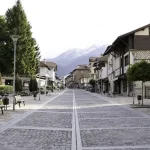
📷 Featured image by Lidia Stawinska on Unsplash.