On this page
- Historic Mahala Gems: Traditional Restaurants in Sofia’s Old Neighborhoods
- Upscale Traditional Dining: Where Bulgarian Heritage Meets Fine Dining
- Local Favorites: Family-Run Establishments Beloved by Sofia Residents
- Traditional Restaurant Districts: Mapping Sofia’s Best Bulgarian Food Streets
- Seasonal Specialties and Regional Focus: Restaurants by Bulgarian Cuisine Style
- 2026 Pricing and Practical Information for Traditional Bulgarian Dining
- Frequently Asked Questions
💰 Click here to see Bulgaria Budget Breakdown
💰 Prices updated: August, 2026. Budget figures are estimates — always verify before travel.
Exchange Rate: $1 USD = €0.86
Daily Budget (per person)
Shoestring: €35.00 – €50.00 ($40.70 – $58.14)
Mid-range: €60.00 – €100.00 ($69.77 – $116.28)
Comfortable: €150.00 – €200.00 ($174.42 – $232.56)
Accommodation (per night)
Hostel/guesthouse: €5.00 – €20.00 ($5.81 – $23.26)
Mid-range hotel: €55.00 – €95.00 ($63.95 – $110.47)
Food (per meal)
Budget meal: €12.00 ($13.95)
Mid-range meal: €25.00 ($29.07)
Upscale meal: €60.00 ($69.77)
Transport
Single metro/bus trip: €0.80 ($0.93)
Monthly transport pass: €25.50 ($29.65)
Sofia‘s traditional restaurant scene has undergone a renaissance in 2026, with a new generation of chefs rediscovering forgotten recipes while established family taverns continue serving dishes unchanged for decades. Finding truly authentic Bulgarian cuisine among the tourist traps requires insider knowledge of which neighborhoods harbor the real gems and which restaurants locals actually frequent.
Historic Mahala Gems: Traditional Restaurants in Sofia’s Old Neighborhoods
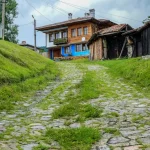
The cobblestone streets of Sofia’s historic mahala neighborhoods conceal some of the city’s most authentic dining experiences. These residential quarters, largely untouched by tourist development, house restaurants where Bulgarian culinary traditions survive in their purest form.
Ethnographic Restaurant Boyana, nestled in the shadow of the UNESCO World Heritage Boyana Church, occupies a restored 19th-century house where the wood-fired grill never stops smoking. The aromatic blend of charcoal and herbs fills the air as soon as you step through the carved wooden doors. Chef Dimitar Petrov sources lamb from his family’s farm in the Rhodope Mountains, preparing the meat according to recipes passed down from his great-grandmother.
The restaurant’s signature dish, slow-roasted lamb with mountain herbs, requires 24-hour preparation. Petrov marinates whole leg of lamb in a blend of summer savory, wild thyme, and mountain tea before slow-cooking it in a traditional tandoor-style clay oven. The result melts off the bone, accompanied by freshly baked bread and house-made white cheese aged in the restaurant’s cellar.
In the Lozenets neighborhood, Starata Kashta occupies a century-old merchant’s house with original frescoed walls and hand-carved ceilings. The restaurant specializes in forgotten Bulgarian dishes from the Revival period, including stuffed vine leaves with quince, a delicacy that disappeared from most menus decades ago.
Owner Maria Todorova spent three years researching historical cookbooks and interviewing elderly Bulgarians to recreate authentic 19th-century recipes. Her kitchen uses only traditional cooking methods—no electric appliances, just wood fires and clay pots. The slow-simmered bean stew, cooked for eight hours in individual clay vessels, develops a smoky depth impossible to achieve with modern equipment.
Hadzhi Nikoli Inn, hidden in the narrow streets near the Central Market Hall, maintains the atmosphere of a traditional Bulgarian han (roadside inn). The dining room features low wooden tables surrounded by hand-woven carpets and copper vessels. The kitchen specializes in hearty mountain fare—wild boar stew with dried plums, roasted suckling pig, and the rarely found traditional Bulgarian blood sausage.
Upscale Traditional Dining: Where Bulgarian Heritage Meets Fine Dining
Sofia’s upscale traditional restaurants elevate centuries-old Bulgarian recipes using modern techniques and premium ingredients, creating dining experiences that honor the past while embracing contemporary presentation.
Sense Restaurant, located in a beautifully restored Art Nouveau villa on Tsar Osvoboditel Boulevard, represents the pinnacle of refined Bulgarian cuisine. Chef Stefan Popov trained in Lyon before returning to Sofia to reinterpret his grandmother’s recipes through a fine-dining lens. His signature seven-course tasting menu traces Bulgaria’s culinary history from Thracian times through the Ottoman period to the present day.
The restaurant’s modern interpretation of Bulgarian monastery soup transforms the humble peasant dish into an elegant starter. Popov slow-cooks white beans with smoked ham hock for 12 hours, then serves the refined broth in delicate porcelain bowls garnished with house-cured ham and wild herbs foraged from Vitosha Mountain.
At Made in Home, housed in a converted 1930s mansion near the National Palace of Culture, chef Elena Petrova focuses on hyperlocal ingredients sourced within 50 kilometers of Sofia. The restaurant’s changing menu reflects seasonal availability, featuring dishes like slow-cooked Strandzha beef with fermented wild garlic and traditional Bulgarian wine vinegar aged in oak barrels.

The dining room’s minimalist design showcases Bulgarian craftsmanship—handmade ceramics from Troyan, linen tablecloths woven in Kotel, and copper serving pieces from Kazanlak. The experience extends beyond the meal to celebrate Bulgaria’s artisanal traditions.
Divaka Restaurant combines traditional Bulgarian recipes with international techniques in a setting that bridges old and new Sofia. Located in a renovated Ottoman-era building on Graf Ignatiev Street, the restaurant features exposed brick walls adorned with contemporary Bulgarian art.
Chef Georgi Angelov specializes in forgotten regional specialties, particularly dishes from the Thracian Plain that rarely appear on Sofia menus. His reconstruction of medieval Bulgarian court cuisine includes dishes mentioned in 14th-century manuscripts, such as honey-glazed quail stuffed with bulgur and pine nuts.
Local Favorites: Family-Run Establishments Beloved by Sofia Residents
The true heart of Sofia’s traditional food scene beats in family-run restaurants where locals gather for daily meals, celebrations, and casual evening gatherings. These establishments prioritize authenticity and value over tourist appeal.
Manastirska Magernitsa, a modest restaurant near the Alexander Nevsky Cathedral, has served the same menu for over 20 years. The Petrov family prepares traditional monastery-style vegetarian dishes following recipes from Rila Monastery. Their legendary bean soup, thick with vegetables and fragrant with summer savory, draws crowds of office workers every weekday at lunch.
The restaurant’s interior feels like stepping into a Bulgarian grandmother’s dining room—mismatched wooden tables, hand-embroidered tablecloths, and walls lined with family photographs spanning generations. The warmth extends to the service, where the Petrov daughters know regular customers’ preferences by heart.
Hadjidraganovite Kashti, hidden in a residential neighborhood near the Vasil Levski monument, operates from three connected 19th-century houses that once sheltered Bulgarian revolutionaries. The Hadjidraganov family has run the restaurant since 1967, maintaining the same recipes and cooking techniques across three generations.

The menu features robust traditional dishes designed to satisfy hearty appetites—massive portions of grilled meats, rich stews, and house-made bread baked fresh every hour. The restaurant’s legendary mixed grill includes six different types of traditional Bulgarian sausages, each made according to regional recipes from across the country.
The outdoor garden, shaded by century-old linden trees, comes alive on summer evenings with the sound of families celebrating birthdays, anniversaries, and casual gatherings. Live folk music performs Thursday through Saturday, featuring traditional Bulgarian instruments like the gadulka and tupan.
Taverna Vodenitsata occupies a converted watermill beside a small stream in the Boyana neighborhood. The Dimitrov family transformed their ancestral mill into a restaurant in the 1990s, preserving the original waterwheel and grain-grinding stones as decorative elements.
The kitchen specializes in dishes from the Pirin Mountain region, where the family originated. Their signature dish—slow-roasted pork shoulder with sauerkraut and mountain herbs—requires eight hours of preparation. The meat marinates overnight before slow-roasting in a wood-fired oven built from stones collected from Pirin streams.
Traditional Restaurant Districts: Mapping Sofia’s Best Bulgarian Food Streets
Sofia’s traditional dining scene clusters in distinct neighborhoods, each offering a different atmosphere and style of Bulgarian cuisine. Understanding these districts helps navigate the city’s vast culinary landscape efficiently.
The area around the Central Market Hall (Tsentralni Hali) forms Sofia’s most concentrated traditional food district. Within a three-block radius, over a dozen authentic Bulgarian restaurants serve everything from quick lunch spots to elaborate dinner destinations. The pedestrian streets connecting the market to the Mosque create a natural food quarter where the aroma of grilled meats and baking bread permeates the air.
Rakovski Street between the National Theatre and the Parliament building hosts several upscale traditional restaurants favored by government officials and business professionals. These establishments maintain higher prices but offer refined atmospheres and consistent quality. The tree-lined street provides pleasant evening walks between restaurants, with many offering outdoor seating during warmer months.

Vitosha Boulevard’s side streets conceal numerous traditional restaurants that locals use to escape the main pedestrian zone’s tourist crowds. Streets like Alabin, Patriarch Evtimii, and William Gladstone house family-run establishments where conversations happen in Bulgarian and prices remain reasonable.
The Student Quarter (Studentski Grad) features traditional restaurants that balance authentic cuisine with budget-friendly prices. These establishments cater to university students and young professionals, offering generous portions and casual atmospheres. The quality remains high despite lower prices, as competition among numerous restaurants maintains standards.
Boyana and Dragalevtsi, at the foot of Vitosha Mountain, host restaurants that specialize in mountain cuisine and seasonal ingredients. These establishments often feature outdoor dining with mountain views and emphasize grilled meats and hearty stews appropriate for the alpine setting.
The neighborhoods around the Alexander Nevsky Cathedral contain numerous traditional restaurants that balance tourist accessibility with local authenticity. These establishments understand international visitors while maintaining genuine Bulgarian character and reasonable prices.
Navigation Tips for Restaurant Districts
Sofia’s traditional restaurant districts connect easily via the expanding Metro system, with most accessible within walking distance of central stations. The M2 line, extended in 2025, now reaches Boyana and Dragalevtsi, making mountain restaurants more accessible without a car.
Parking remains challenging in central districts, particularly around the Central Market Hall and Vitosha Boulevard areas. Public transportation or walking provides the most reliable access to downtown traditional restaurants.
Seasonal Specialties and Regional Focus: Restaurants by Bulgarian Cuisine Style
Bulgaria’s diverse regional cuisines reflect the country’s varied geography and cultural influences. Sofia’s traditional restaurants increasingly specialize in specific regional styles, offering deeper exploration of Bulgarian culinary traditions.

Rhodopski Han specializes exclusively in cuisine from the Rhodope Mountains, featuring dishes rarely found outside that region. The restaurant imports ingredients directly from Rhodope villages—wild mushrooms, mountain honey, aged white cheese, and herbs unavailable elsewhere. Their winter menu includes traditional Rhodope dishes like kapama (layered meat and rice casserole) and preserved meat preparations that sustained mountain communities through harsh winters.
The restaurant’s interior replicates a traditional Rhodope mountain house, complete with low ceilings, stone walls, and a central hearth. Folk musicians from Rhodope villages perform weekend evenings, playing traditional songs on authentic instruments.
Staroplaninski Dom focuses on cuisine from the Balkan Mountains (Stara Planina), emphasizing hearty meat dishes and dairy products from highland pastures. Their specialty—grilled lamb with mountain herbs—uses meat from sheep that graze on high Alpine meadows, creating distinctive flavors impossible to replicate with lowland animals.
The restaurant operates its own aging caves for traditional Bulgarian cheeses, producing sirene (white cheese) and kashkaval using milk from partner farms in the Balkan Mountains. The aging process extends 18 months for premium cheeses, developing complex flavors that pair excellently with traditional Bulgarian wines.
Black Sea coastal cuisine finds representation at Chernomorski Briz, where chef Maria Stoyanova recreates seafood dishes from her native Sozopol. The restaurant flies in fresh fish twice weekly from Black Sea ports, preparing traditional dishes like fish soup with vegetables and rice, grilled turbot with herbs, and the complex fish stew known as ribena chorba.
During winter months, the restaurant shifts focus to preserved fish preparations that coastal communities traditionally used to extend summer catches through cold seasons. These include various types of pickled fish and fish sausages that showcase the ingenuity of Bulgarian coastal cuisine.
For Thracian Plain specialties, Trakiisko Selo recreates dishes from Bulgaria’s agricultural heartland. The restaurant emphasizes grain-based dishes and vegetable preparations that reflect the region’s farming traditions. Their signature dish—bulgur with vegetables and herbs—transforms the simple grain into a complex, satisfying meal through careful selection of seasonal vegetables and traditional spice combinations.
2026 Pricing and Practical Information for Traditional Bulgarian Dining
Traditional Bulgarian restaurant pricing in Sofia varies significantly based on location, atmosphere, and target clientele. Understanding price ranges helps budget appropriately and sets realistic expectations for different dining experiences.
Budget Traditional Restaurants (15-25 BGN per person / €7.50-12.50 / $8-14)
Family-run neighborhood restaurants and student-area establishments offer authentic Bulgarian cuisine at minimal cost. These venues typically serve generous portions of traditional dishes like grilled meats, bean soups, and seasonal stews. Quality remains high despite low prices, as these restaurants depend on local repeat customers.
Typical meals include a main dish, side salad or bread, and often a small appetizer. Drinks cost extra, with traditional Bulgarian wines available for 8-15 BGN per bottle. Many budget restaurants offer daily lunch specials for 12-18 BGN, including soup, main course, and dessert.
Mid-Range Traditional Restaurants (30-50 BGN per person / €15-25 / $16-28)
This category includes most traditional restaurants in central Sofia and established family establishments with good reputations. These restaurants offer broader menus, more refined service, and often live folk music entertainment.
Full meals typically include appetizers, main courses prepared with higher-quality ingredients, and traditional desserts. Wine selections expand to include premium Bulgarian varieties, with bottles ranging 25-60 BGN. Many mid-range restaurants offer multi-course traditional feasts for 45-65 BGN per person.

Upscale Traditional Restaurants (60-100+ BGN per person / €30-50+ / $33-56+)
Fine-dining establishments that elevate traditional Bulgarian cuisine command premium prices but deliver exceptional experiences. These restaurants use top-quality ingredients, offer extensive wine selections, and provide refined service in elegant settings.
Tasting menus range 80-150 BGN per person, often including wine pairings with premium Bulgarian wines. À la carte dining allows more flexible pricing, with appetizers 15-30 BGN, main courses 35-65 BGN, and traditional desserts 12-20 BGN.
Practical Dining Information for 2026
Most traditional Bulgarian restaurants in Sofia now accept credit cards, though smaller family establishments may prefer cash. ATMs are abundant throughout the city, and many restaurants display current exchange rates for international visitors.
Reservation policies vary significantly. Upscale restaurants require advance bookings, especially for weekend dinners and during Sofia’s festival seasons (May-September). Family-run establishments typically operate on a first-come, first-served basis, though calling ahead for large groups is appreciated.
Tipping culture remains modest—10% for good service is standard, though locals often round up the bill rather than calculating exact percentages. Many restaurants include service charges for large groups, clearly indicated on menus.
Smoking regulations, fully enforced since 2025, prohibit indoor smoking in all restaurants. Many traditional restaurants offer outdoor seating areas where smoking is permitted, particularly pleasant during Sofia’s extended warm seasons.
English menus are increasingly common in central Sofia, though neighborhood restaurants may offer only Bulgarian versions. However, servers in most traditional restaurants understand basic English and can explain popular dishes to international visitors.
Frequently Asked Questions
What are the must-try traditional Bulgarian dishes in Sofia restaurants?
Essential dishes include shopska salad with local white cheese, grilled kebabs (kebapche and kufta), slow-cooked bean soup, banitsa pastry, and traditional yogurt. Most restaurants offer combination platters featuring several traditional specialties.

Do traditional Bulgarian restaurants accommodate vegetarians and vegans?
Yes, Bulgarian cuisine includes many plant-based dishes, especially during Orthodox fasting periods. Traditional options include bean soups, stuffed peppers, vegetable stews, and various salads. Many restaurants clearly mark vegetarian options on their menus.
How far in advance should I book traditional restaurants in Sofia?
Upscale traditional restaurants require 1-3 days advance booking, especially for weekend dinners. Family-run establishments typically don’t take reservations, operating first-come, first-served. Call ahead for groups of six or more people.
Are traditional Bulgarian restaurants child-friendly?
Most traditional restaurants welcome families and children. Many offer smaller portions of popular dishes and have outdoor seating areas where children can move around freely. Weekend lunch times are particularly family-oriented at many establishments.
What’s the typical dining schedule for traditional restaurants in Sofia?
Most traditional restaurants open for lunch around 11:30 AM and serve until 11 PM or midnight. Peak dinner hours are 7-9 PM. Many family-run establishments close Sunday evenings or Monday afternoons for rest days.
Explore more
The Best Shopping in Sofia: From Bustling Markets to Modern Malls & Unique Souvenirs
Sofia Travel Essentials — Practical Tips for Visitors
Sofia Nightlife Guide — Best Bars and Clubs
📷 Featured image by Lora Georgieva on Unsplash.