On this page
- The Black Sea Signature — Rose Oil, Sea Salt & Coastal Cosmetics
- Handmade Pottery & Ceramics — What Makes Varna’s Pieces Different
- Bulgarian Food & Drink Worth Packing Home
- Traditional Textiles, Embroidery & Woven Goods
- Antiques, Icons & Vintage Finds at Varna’s Markets
- Where to Shop in Varna — Markets, Streets & Malls Mapped Out
- 2026 Budget Reality — What Souvenirs Actually Cost
- Practical Tips for Buying & Carrying Souvenirs Home
- Frequently Asked Questions
💰 Click here to see Bulgaria Budget Breakdown
💰 Prices updated: August, 2026. Budget figures are estimates — always verify before travel.
Exchange Rate: $1 USD = €0.86
Daily Budget (per person)
Shoestring: €35.00 – €50.00 ($40.70 – $58.14)
Mid-range: €60.00 – €100.00 ($69.77 – $116.28)
Comfortable: €150.00 – €200.00 ($174.42 – $232.56)
Accommodation (per night)
Hostel/guesthouse: €5.00 – €20.00 ($5.81 – $23.26)
Mid-range hotel: €55.00 – €95.00 ($63.95 – $110.47)
Food (per meal)
Budget meal: €12.00 ($13.95)
Mid-range meal: €25.00 ($29.07)
Upscale meal: €60.00 ($69.77)
Transport
Single metro/bus trip: €0.80 ($0.93)
Monthly transport pass: €25.50 ($29.65)
Varna‘s souvenir scene has a split personality. Walk along the Sea Garden promenade in summer 2026 and you’ll pass dozens of stalls selling mass-produced fridge magnets, cheaply printed “Bulgaria” T-shirts, and resin “amber” that was made in a factory somewhere in China. None of that is worth your luggage space. The genuinely good stuff — hand-thrown pottery, cold-pressed rose oil, aged rakia from local distilleries — does exist here, but you need to know exactly where to look and what to ask. This guide cuts straight to what’s worth buying, where to find it, and what you should expect to pay in 2026.
The Black Sea Signature — Rose Oil, Sea Salt & Coastal Cosmetics
Bulgaria produces roughly 70–80% of the world’s rose oil, and while the famous rose fields are in the Kazanlak Valley inland, Varna has excellent retail access to the finished products. Rose oil, rose water, and rose-based cosmetics are among the most compact and genuinely useful souvenirs you can bring home. The better shops stock cold-pressed oil from certified producers — look for the word биологично (biologically grown) on the label and a clear producer name, not just a generic brand.
Beyond roses, Varna has its own coastal ingredient worth seeking: Black Sea sea salt. Several small producers from the Pomorie salt pans, about 20 kilometres south, sell flavoured sea salts in local shops — smoked, herbed, and plain mineral varieties. The packaging is compact, the weight is manageable, and a 250g bag makes a gift that actually gets used.
For cosmetics with a local story, look at brands like BioFresh and Alteya Organics, both of which have retail presence in Varna and export internationally, but are cheaper here than abroad. Alteya, in particular, is certified organic and internationally recognised — you’ll find their products at specialty stores near the Cathedral area and inside the Mall Varna.
- Rose oil (1ml vial): genuine cold-pressed starts at around 25–30 BGN
- Rose water (200ml): 8–15 BGN depending on quality and brand
- Pomorie sea salt (250g): 5–10 BGN at local food shops
- Alteya/BioFresh cosmetic sets: 30–80 BGN depending on size
One sensory note: walk into any proper rose-product shop in Varna in summer and the air hits you immediately — thick, sweet, and slightly waxy, like dried petals pressed into something more concentrated. It’s nothing like the synthetic rose fragrance in airport perfume sections.
Handmade Pottery & Ceramics — What Makes Varna’s Pieces Different
Bulgarian ceramics have distinct regional styles, and what you find in Varna leans toward the Thracian and Black Sea coastal tradition — earthier glazes, darker terracotta bases, and decorative motifs that reference the sea, fishing, and Byzantine patterns rather than the brighter Rhodope mountain style you’d see in Plovdiv markets.
The artisan potters working around Varna and the nearby village of Devnya produce pieces you won’t find mass-replicated — small bowls, mugs with hand-painted fish or wave patterns, olive oil pitchers, and decorative plates. These aren’t identical to what’s in the tourist shops; the glazing is uneven in the way that handwork always is, and that unevenness is the point.
Inside Varna, the best place to find genuine handmade ceramics is the Ethnographic Museum shop on ul. Panagyurishte and the artisan market that sets up near the Roman Thermae ruins on weekends from May through September. Prices here are higher than the promenade stalls but the provenance is real — many vendors bring their own work or source directly from village workshops.
If you’re travelling by car, the drive to Devnya (about 25km west on the A2 motorway) is worth it for the workshop visits — several potters there sell directly and you can watch the throwing process. Call ahead; most workshops don’t keep formal hours.
- Small decorative bowl or mug: 15–35 BGN
- Larger decorative plate: 40–80 BGN
- Full tea set (4 cups + teapot): 90–160 BGN
Wrap fragile pieces yourself if you’re flying — most vendors offer newspaper wrapping but nothing bubble-padded. Bring a small roll of bubble wrap in your checked luggage if ceramics are on your list.
Bulgarian Food & Drink Worth Packing Home
Food souvenirs from Varna are underrated. The city has good access to quality Bulgarian pantry staples that are either unavailable abroad or wildly overpriced in specialty European import shops.
Rakia is the obvious starting point. Bulgarian fruit brandy — grape, plum, apricot, quince — ranges from industrial quality to genuinely artisanal small-batch production. In Varna, look for local brands from the Shumen and Preslav regions nearby rather than the big national producers like Peshtera or Burgas Black Sea (those you can find anywhere). The specialty wine and spirits shop Vino & Co on ul. Tsar Osvoboditel stocks a curated selection with tasting notes in English.
Bulgarian honey is another excellent carry-on item. The variety is unusual — lime blossom, sunflower, acacia, mixed wildflower — and the quality is high relative to the price. A 500g jar runs 10–18 BGN. Local market honey is often sold in unlabelled jars by beekeepers at the Central Market Hall (Централна хали) — this is the real thing, not processed supermarket product.
Lyutenitsa (roasted pepper and tomato spread), ajvar, and various pickled vegetable mixes in sealed jars travel well and are genuinely useful in any kitchen. These are widely available at supermarkets and the market hall for 3–8 BGN per jar.
Bulgarian cheese — specifically white brine cheese (sirene) and yellow kashkaval — is worth buying for immediate consumption but difficult to fly home with. If you’re driving across Europe, vacuum-sealed kashkaval blocks from the market travel well for 3–4 days without refrigeration.
Important for 2026 travellers: Bulgaria is now a full Schengen member, but EU customs rules on food still apply when exiting to non-EU countries. Honey, jam, and sealed commercial food products generally travel fine within the EU. Meat and unprocessed dairy have restrictions for travel outside the EU.
Traditional Textiles, Embroidery & Woven Goods
Bulgarian hand-embroidery is one of the country’s most labour-intensive traditional crafts, and it shows in both the quality and the price. The regional patterns from northeastern Bulgaria — the area around Varna — tend to feature geometric motifs in deep reds, blacks, and golds on a white or cream linen base. These are distinct from the patterns you’d see in the Rhodope or Thrace regions.
What you’ll find in Varna’s better craft shops includes:
- Embroidered table runners and napkins — functional, packable, and priced 20–60 BGN
- Blouses and dresses with traditional embroidery — authentic versions start around 80 BGN; anything cheaper is machine-made
- Woven wool bags and totes — 25–50 BGN, genuinely useful as everyday bags
- Decorative cushion covers — 30–70 BGN depending on complexity
The National Revival-style embroidered blouses have become fashionable in European markets over the past few years, and prices have risen accordingly. If a price seems too good to be true on a detailed embroidery piece, check the back side — machine embroidery has a uniform, slightly stiff reverse; hand embroidery has visible thread ends and minor inconsistencies.
The Ethnographic Museum in Varna sells authenticated pieces through its shop and can sometimes connect visitors with local artisans who take commissions for custom work.
Antiques, Icons & Vintage Finds at Varna’s Markets
Varna has a functioning antiques scene that doesn’t get mentioned in most travel guides. The weekend flea market near Vladislavovo neighbourhood (about 4km from the city centre) runs Saturday and Sunday mornings from roughly 7:00 to 13:00. It’s a proper Bulgarian flea market — old coins, Soviet-era watches, Communist-period badges and enamelware, vintage postcards, and occasional Ottoman-period copper pieces.
Prices here are negotiable and often low because many sellers are locals clearing out storage rather than professional dealers. A good Soviet-era mechanical watch in working condition runs 20–60 BGN. Old Bulgarian postcards from the 1960s–80s are 1–3 BGN each.
Religious icons are a different category. Bulgaria has a strong icon-painting tradition, and Varna has several studios producing new hand-painted icons in the traditional Byzantine style. These are not antiques, but they’re not mass-produced either — expect to pay 60–200 BGN for a small to medium hand-painted icon on wood. Genuinely antique icons do circulate in the flea market, but export rules apply: icons over 100 years old require a permit from the Ministry of Culture to take out of Bulgaria. The vendor may not tell you this voluntarily.
Also worth scanning at the flea market: old Bulgarian copper items (coffee pots, decorative trays), hand-embroidered pieces from estate sales, and old glass bottles. The flea market has a slightly musty, dusty quality — the smell of old paper and metal polish — that makes a Saturday morning there feel genuinely exploratory rather than curated.
Where to Shop in Varna — Markets, Streets & Malls Mapped Out
Varna’s shopping geography makes sense once you understand the split between local and tourist retail.
The Sea Garden Promenade
This is the highest-traffic tourist area and has the most stalls, but also the most generic merchandise. Useful for rose water, small trinkets, and basic tourist items. Prices are negotiable in mid-September but fixed and higher in July–August peak season. Walk the full length before buying — quality varies significantly stall to stall.
Central Market Hall (Централна хали)
Located on ul. Tsar Osvoboditel in the city centre, this is where locals shop for food. Two floors of vendors selling cheese, honey, rakia, dried herbs, spices, and produce. No tourist markup here. Open Monday–Saturday 7:00–18:00, Sunday until 14:00. This is the best place in Varna for food souvenirs.
Ul. Knyaz Boris I (the pedestrian main street)
The main shopping boulevard has a mix of international chains and local shops. Several jewellers here sell silver jewellery with traditional Bulgarian motifs — a viable souvenir category not mentioned elsewhere because it’s genuinely a street-by-street find rather than a category to seek out systematically.
Mall Varna & Grand Mall Varna
Both malls have expanded their local artisan sections since 2024. Grand Mall Varna, near the central bus and train station area, added a dedicated Bulgarian crafts pop-up zone in 2025 that continues into 2026, typically on the ground floor near the east entrance. Useful for branded Bulgarian cosmetics (Alteya, BioFresh) in a climate-controlled environment.
Vladislavovo Flea Market
Weekend mornings only. Take bus line 22 or 409 from the city centre — journey is about 15 minutes. No card payments; bring cash in smaller bills.
2026 Budget Reality — What Souvenirs Actually Cost
Prices below reflect 2026 market rates in Varna. The Bulgarian lev remains pegged to the euro at 1.956 BGN = 1 EUR. The USD/BGN rate fluctuates around 1.75–1.80 BGN per USD as of early 2026.
Budget tier (under 20 BGN / ~10 EUR)
- Rose water 200ml: 8–12 BGN
- Pomorie sea salt: 5–8 BGN
- Lyutenitsa or ajvar jar: 3–6 BGN
- Honey 500g (market): 10–18 BGN
- Flea market postcards, badges: 1–5 BGN each
- Small decorative magnet (quality shop version): 5–10 BGN
Mid-range tier (20–80 BGN / ~10–41 EUR)
- Hand-painted ceramic mug or bowl: 20–40 BGN
- Embroidered table runner: 25–55 BGN
- Woven bag or tote: 30–50 BGN
- Rakia (quality 500ml bottle): 20–45 BGN
- Rose oil cosmetic set: 35–75 BGN
- Soviet-era mechanical watch (working): 25–60 BGN
Comfortable/premium tier (80 BGN+ / ~41 EUR+)
- Authentic hand-embroidered blouse: 80–200 BGN
- Hand-painted icon on wood: 70–250 BGN
- Full ceramic tea set: 100–180 BGN
- Genuine cold-pressed rose oil (5ml): 80–150 BGN
- Artisan rakia gift set with wooden box: 90–160 BGN
Compared to 2024, prices across most categories have risen 8–12% due to general inflation across the Bulgarian retail sector. Rose oil prices specifically jumped after a difficult harvest season in 2025. Budget accordingly — the “cheap souvenir” baseline has shifted upward.
Practical Tips for Buying & Carrying Souvenirs Home
A few things that will save you money or prevent damage:
Pay in lev, not euros. Many tourist stalls in Varna accept euros but use unfavourable exchange rates — typically 1.80–1.90 BGN per euro instead of the official 1.956. Withdraw lev from an ATM (Unicredit and DSK Bank ATMs in Varna have reasonable rates) and pay in local currency.
Liquids and airline rules. If flying, rakia, rose oil, and honey jars over 100ml must go in checked luggage. A 500ml rakia bottle is fine in a checked bag; keep it in a sealed zip-lock bag inside a shoe or wrapped in clothes to cushion it. Most ceramic pieces also travel better in checked luggage with soft clothing packed around them.
Know the VAT refund situation. Non-EU visitors can claim VAT refunds on purchases over 250 BGN from registered shops. The process in 2026 runs through the standard Global Blue or Planet Tax Free schemes at Sofia Airport or Varna Airport if your purchase was made in a participating shop (look for the tax-free logo on the door). Keep your receipts.
Antique export rules. Any item over 100 years old classified as cultural heritage requires an export permit. This covers antique icons, old manuscripts, coins from archaeological periods, and significant metalwork. The flea market operates in a grey zone on this — if a seller claims something is genuinely old and valuable, verify before assuming you can walk it through customs.
Best time to buy. Prices in Varna are highest in July and August. If you’re visiting in May, June, or September, you’ll find better negotiating room at market stalls and sometimes genuine end-of-season deals at craft shops closing out their summer inventory. The artisan market near the Roman Thermae packs up by early October.
Frequently Asked Questions
What is the most popular souvenir from Varna, Bulgaria?
Rose oil and rose-based cosmetics are consistently the most popular take-home purchase from Varna. Beyond those, hand-painted ceramics and locally produced rakia are strong favourites with repeat visitors. The key difference from generic tourist shops is buying from verified producers rather than promenade stalls selling unbranded products.
Where is the best market for souvenirs in Varna?
For food souvenirs, the Central Market Hall on ul. Tsar Osvoboditel is the best option — authentic, affordable, and used by locals. For craft souvenirs, the weekend artisan market near the Roman Thermae runs May through September and offers genuine handmade goods with direct contact to the makers.
Can I bring Bulgarian food and rakia on a flight from Varna?
Yes, with conditions. Rakia, honey, and liquid items over 100ml must go in checked luggage. Sealed, commercially packaged food items are generally fine for travel within the EU. For non-EU destinations, check import rules for your country — some restrict honey, meat, and dairy products. Varna Airport has standard EU customs procedures as of 2026.
Are souvenirs in Varna cheaper than in Sofia?
For food and market goods, prices in Varna are broadly similar to Sofia. For tourist-facing craft shops on the promenade, Varna can be slightly more expensive in peak summer season due to demand. The Vladislavovo flea market tends to be cheaper than Sofia’s Women’s Market for comparable vintage and antique items because it draws fewer tourists.
Is it safe to buy antique icons at Varna’s flea market?
Buying is safe; exporting may not be straightforward. Bulgarian law requires an export permit for cultural heritage items over 100 years old, including antique icons. If you purchase a genuinely old icon, you need documentation from the seller and potentially a permit from Bulgaria’s Ministry of Culture before taking it out of the country. New hand-painted icons in traditional style have no such restrictions.
Explore more
Your Ultimate Varna Shopping Guide: Malls, Markets & More
Where to Party in Varna: Your Essential Guide to the Best Clubs
Where to Stay in Varna: Uncovering the City’s Best Neighborhoods
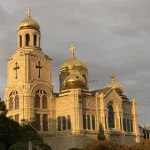
📷 Featured image by Sushanta Rokka on Unsplash.