On this page
- What the July Folk Festivals in Veliko Tarnovo Actually Look Like
- The Fortress as a Stage: Sound and Light at Tsarevets
- Folk Music and Dance: What to Expect from the Performances
- Planning Your Visit: Dates, Crowds, and Where to Base Yourself
- 2026 Budget Reality: What It Costs to Experience It All
- Beyond the Festival: Veliko Tarnovo’s Old Town in Summer
- Frequently Asked Questions
What the July Folk Festivals in Veliko Tarnovo Actually Look Like
July 2026 is shaping up to be an exceptionally busy month for visitors to Bulgaria, and Veliko Tarnovo sits at the centre of it. The city has long hosted folk gatherings and cultural events throughout summer, and the confusion many travellers face is simple: they book flights expecting one organised festival weekend and arrive to find a layered, sometimes overlapping calendar of performances, outdoor markets, and open rehearsals scattered across the old town. That is not a complaint — it is actually the charm. But it helps to know what you are walking into.
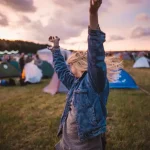
The atmosphere in the city during July is warm in every sense. Temperatures regularly reach 30–34°C by early afternoon, so most of the real action concentrates in the late evenings. By 7pm the cobblestoned streets of Varosha — the artisan quarter below the medieval core — fill with the sound of gaida pipes echoing off stone walls. Women in embroidered aprons set up folk craft stalls beside tables selling homemade rakia and local Shumen-style beer. The smell of grilled meze and fresh bread drifts from open restaurant terraces overlooking the Yantra river gorge far below. If you arrive expecting a tidily ticketed event with a programme booklet at the door, you will need to adjust your expectations — and you will almost certainly be glad you did.
The folk gatherings pull in ensembles from across Bulgaria’s distinct ethnographic regions: the droning, rhythmically complex music of the Rhodope Mountains, the faster and sharper sounds of Thrace, and the rich polyphonic singing traditions from the Strandzha area near the Black Sea coast. Watching a group of elderly women from a Rhodope village perform bistritsa-style singing under the open sky above a medieval Bulgarian capital is not a tourist spectacle — it is a living practice, and you feel the difference immediately.
The Fortress as a Stage: Sound and Light at Tsarevets
No visit to Veliko Tarnovo during summer is complete without the Sound and Light show at Tsarevets Fortress, and scheduling your trip around it is the single best piece of planning advice available. The fortress — a vast hilltop complex that served as the seat of the Second Bulgarian Empire — becomes something genuinely cinematic after dark when coloured lights sweep across its towers and walls, synchronised to orchestral music and narration about Bulgaria’s medieval history.
The show runs on select evenings throughout summer, and during July the frequency typically increases due to peak visitor demand. Shows begin after full dark, usually around 9:30–10pm, and last approximately 45 minutes. From the main viewing terraces on the hillside opposite the fortress, the entire valley fills with the deep rumble of the soundtrack. The red and gold of Bulgarian royal colours wash across the Patriarchal Cathedral at the fortress summit, and on clear July nights the reflections shimmer faintly in the Yantra river below. It is the kind of visual experience that photographs simply do not capture accurately.
During folk festival periods, organisers sometimes coordinate the Sound and Light schedule with ensemble performances held inside the fortress grounds or on its outer ramparts — though the specific programme for any given July week varies year to year. The city’s cultural information centre on Stefan Stambolov Street is the most reliable source for current weekly schedules once you arrive.
Folk Music and Dance: What to Expect from the Performances
Bulgarian folk music operates on rhythmic patterns that most Western listeners have never encountered before. Time signatures like 7/8, 11/16, and 15/8 are standard, not exotic — and live performances make these rhythms physical in a way that recordings simply cannot replicate. Watch the dancers’ feet during a pravo horo (the most common circle dance form) and you will start to feel the pulse in your own body after a few minutes. The circle opens to welcome strangers in, and at informal evening performances in the town square, joining is genuinely encouraged.
Regional costume differences are worth paying attention to. Ensembles from northern Bulgaria typically wear predominantly white with bold red geometric embroidery, while southern Thracian costumes lean toward deeper reds and dense floral patterns. The gaida (Bulgarian bagpipe) dominates in many folk ensembles, producing a continuous drone under a high, piercing melody line. The kaval (an end-blown flute) and the tambura (a long-necked lute) round out typical small ensemble configurations.
Formal stage performances — usually held in the city’s open-air amphitheatre or in Samovodska Charshia market square — follow a structured programme with announced ensembles. Informal performances happen spontaneously throughout the old town, particularly in the narrow lanes between Gurko Street and the river overlook. Both are worth your time, but the informal ones tend to generate the more memorable moments.
Planning Your Visit: Dates, Crowds, and Where to Base Yourself
July is unambiguously peak season in Veliko Tarnovo. The city draws visitors for its architecture, its history, and its summer cultural calendar simultaneously, which means accommodation books up well in advance. If you are planning to visit for folk festival events in July 2026, aim to book your accommodation no later than April. This is not exaggeration — the small boutique guesthouses on Gurko Street and in the Varosha quarter, which are by far the best base for walking to all festival venues, operate with limited rooms and typically fill months ahead during summer.
The city itself is compact but dramatically vertical. Built across three ridges above the Yantra river gorge, Veliko Tarnovo requires comfortable footwear without exception. Distances between key points look short on a map and feel much longer on steep stone stairs in 32°C heat. Base yourself as close to the old town as possible to minimise transfer time between events.
Getting to Veliko Tarnovo from Sofia takes approximately 3–3.5 hours by bus (regular services from Sofia Central Bus Station) or a similar duration by train, though the train route involves a connection and tends to be slower in practice. From Varna on the Black Sea coast, buses take roughly 3 hours. Neither route requires a car, and within the city, everything relevant to the folk festival calendar is reachable on foot.
The busiest single evenings during July are typically those coinciding with the Sound and Light show on weekends. Midweek visits offer the same programme with noticeably thinner crowds and easier access to restaurant tables.
2026 Budget Reality: What It Costs to Experience It All
Veliko Tarnovo remains one of Bulgaria’s more affordable destinations relative to the experience it offers, though 2026 prices have risen modestly compared to previous years as domestic tourism and international visitor numbers have both grown.
- Budget tier: Private room in a family guesthouse in the old town, 60–90 BGN per night (approximately €30–45 / $33–50). Meals at local mehanas (taverns): 15–25 BGN per person including a beer. Sound and Light show entry: around 15–20 BGN (approximately €7.50–10).
- Mid-range tier: Boutique hotel with river gorge views, 130–180 BGN per night (approximately €65–90 / $72–100). Dinner at a well-regarded restaurant on Gurko Street: 35–55 BGN per person. Festival seating for formal ensemble performances (where ticketed): 20–35 BGN.
- Comfortable tier: Larger hotel with terrace and air conditioning, 200–280 BGN per night (approximately €100–140 / $110–155). Private guided cultural walking tour: 80–120 BGN per person. Multi-evening festival passes (where available): 50–80 BGN.
Many folk performances in public squares and along Samovodska Charshia are entirely free. The Tsarevets Fortress itself charges a separate entrance fee (independently of the Sound and Light show), currently in the range of 10–12 BGN. Eating and drinking well in Veliko Tarnovo is genuinely affordable by any European standard — a full dinner with wine for two at a solid mehana rarely exceeds 80 BGN total.
Beyond the Festival: Veliko Tarnovo’s Old Town in Summer
The hours between folk performances are not dead time. The old town rewards slow, unscheduled exploration in a way that few Bulgarian cities match. Samovodska Charshia — the restored 19th-century craftsmen’s market street — is lined with working workshops where you can watch potters, woodcarvers, and icon painters at work and buy directly from the maker. Prices here are honest and the quality is high.
The Archaeological Museum near the town centre holds one of Bulgaria’s strongest collections of medieval artefacts, including jewellery, ceramics, and weaponry from the Second Bulgarian Empire period. It provides essential context for understanding why Tsarevets Fortress carries the weight it does for Bulgarians — this was the political and cultural centre of a powerful medieval state, not simply a scenic ruin.
For a break from the heat, the Yantra river path below the old town offers shade and cool air in the gorge, with clear views back up to the fortress. Early morning — before 8am — is when the light on the stone is at its best, the café terraces are quiet, and the city sounds like itself rather than like a tourist destination. The creak of wooden shutters opening above the narrow lanes, the scent of strong Bulgarian coffee from the first open cafés, and the distant sound of church bells from Sveta Gora ridge — these are the details that stay with you long after the festival programme fades.
Frequently Asked Questions
When exactly do folk festivals happen in Veliko Tarnovo in July 2026?
Specific dates shift year to year and are typically confirmed by the Veliko Tarnovo Municipality cultural calendar a few months in advance. July generally sees multiple overlapping events rather than one single festival weekend. Check the official municipality website or arrive a day early and visit the cultural information centre on Stefan Stambolov Street for current schedules.
Do I need to buy tickets in advance for the folk performances?
Many performances in public squares are free and require no ticket. Formal stage shows and the Sound and Light spectacle at Tsarevets typically require tickets, which can usually be purchased on-site or through local accommodation. For the Sound and Light show during busy July weekends, buying tickets the morning of the same day is advisable rather than waiting until evening.
Is Veliko Tarnovo suitable for families with young children during the festival?
Yes, and genuinely so. The folk performances are visual, musical, and participatory — children respond well to them. The main practical challenge is the steep terrain and heat. Bring sunscreen, water, and comfortable footwear for children. Evening events starting after 9pm may be too late for very young children, but afternoon performances and the old town market are family-friendly throughout the day.
How do I get from Sofia to Veliko Tarnovo without a car?
Regular bus services operate from Sofia Central Bus Station to Veliko Tarnovo several times daily. Journey time is approximately 3–3.5 hours depending on the service. Train connections also exist but involve a longer overall journey with a change required. Buses are the most practical and widely used option for this route in 2026.
What should I wear to folk festival events in July?
Lightweight, breathable clothing for daytime — linen or cotton. July afternoons regularly reach 32–34°C. For evening performances, particularly the Sound and Light show, bring one light layer as temperatures drop after 9pm. Comfortable closed-toe shoes with grip are essential given the cobblestones and steep paths throughout the old town. Sandals look appealing but cause problems quickly on uneven stone surfaces.
Explore more
Beat the Heat: Bulgaria’s Mountain Retreats for July 2026
Staying Cool: Essential Bulgaria Tips for July 2026
Exploring Bulgaria’s Mountains in June 2026: A Summer Hiking Guide
📷 Featured image by Inkredo Designer on Unsplash.