On this page
- Why September Hits Different in Bulgaria
- Where to Go: The Best Destinations in September
- What the Weather Actually Feels Like
- September Food and Harvest Culture
- Outdoor Activities That Open Up in September
- 2026 Budget Reality: What September Costs
- Practical Tips for Getting There and Around
- Frequently Asked Questions
Why September Hits Different in Bulgaria
By mid-August 2026, Bulgaria’s Black Sea resorts are noisy, overpriced, and frankly exhausting. Sunny Beach packs in tens of thousands of tourists. Sofia’s museums have queues. Rila’s trails are dotted with hikers shoulder to shoulder. Then, around September 1st, something shifts. Families go home. School starts across Europe. Prices drop. And Bulgaria — the real Bulgaria — quietly reappears.
If you have been putting off a trip because the summer crowds felt like too much, September is your answer. The sun is still strong, the sea is still warm, and the country opens up in a way that simply does not happen in July or August.
Where to Go: The Best Destinations in September
September rewards travellers who go beyond the obvious. The Black Sea coast is the most immediate draw — towns like Sozopol and Nessebar are genuinely enjoyable in September in a way they are not in the peak summer rush. The old town of Sozopol, with its narrow cobblestone streets and wooden houses hanging over the sea cliffs, finally has breathing room. You can actually stop and look at something without being jostled.
Inland, the Rhodope Mountains are spectacular in September. The beech forests begin turning amber at the higher elevations, and the villages — Shiroka Laka, Kovachevitsa, Leshten — are quiet enough that you hear nothing but wind and the occasional dog. These are places where time genuinely feels slower.
The Plovdiv arts and music scene is also at its most active in September. The city hosts several cultural events across the month, and the Old Town’s Roman theatre and colourful Revival-era houses are far more enjoyable without the peak-season crowds pressing against them.
Veliko Tarnovo in September has a particular quality to it — the fortress of Tsarevets lit up in the evening, the Yantra river reflecting the hillside houses, and a calm that makes it easy to understand why this was once the capital of the Second Bulgarian Empire.
What the Weather Actually Feels Like
September in Bulgaria averages between 18°C and 27°C across most of the country, with the Black Sea coast holding warmth slightly longer than inland areas. Sea temperatures at the coast remain around 22–24°C through most of the month — genuinely comfortable for swimming, not just technically possible.
In the mountains, evenings get cool fast. In the Rhodopes or Rila above 1,500 metres, nighttime temperatures can drop to 8–12°C even in early September. Pack a proper fleece and a waterproof layer if you plan to hike. Afternoons in the valleys, though, can still feel like summer — warm sun, dry air, and the particular golden light that the Balkans do better than almost anywhere.
Rain does increase compared to August, but September showers in Bulgaria tend to be short and localised rather than day-long downpours. Check forecasts in the morning and plan accordingly. You will rarely lose a full day to rain.
September Food and Harvest Culture
September is arguably the best month to eat in Bulgaria, and that is not a small claim. The country’s agricultural calendar peaks right now. Markets overflow with late-summer produce — fat red peppers, deep purple aubergines, green beans, and the first of the autumn walnuts. In village markets across the Rhodopes and the Thracian Plain, you will find older women selling homemade lutenitsa, the roasted pepper and tomato spread that Bulgarians take extremely seriously.
The grape harvest — the berba — begins in many regions during September. In the wine-producing areas around Melnik in the southwest and the Thracian Valley near Plovdiv, local wineries often open for tastings and cellar tours during this period. Melnik’s narrow sandstone streets, lined with vines heavy with dark grapes, smell faintly sweet in the warm September air — a sensory experience that belongs entirely to this time of year.
In restaurants, look for gyuveche (clay-pot baked vegetables with eggs and cheese), fresh trout from mountain rivers, and roasted peppers stuffed with feta. September menus in smaller tavernas reflect what is genuinely in season rather than what can be imported year-round, and the difference in flavour is obvious.
Outdoor Activities That Open Up in September
Summer in Bulgaria’s mountains can be paradoxically difficult for serious hiking — trails near peak huts like those in Rila and Pirin are crowded, hut beds fill up weeks in advance, and the midday heat at lower elevations is punishing. September changes the calculus entirely.
The Rila Mountains — home to Bulgaria’s highest peaks and the Seven Rila Lakes — are at their most accessible in September. Trails are quieter, mountain huts have availability on most nights, and the light in the mornings is extraordinary: sharp and clear in a way that the hazy heat of July simply does not allow. The Seven Rila Lakes circuit, normally a scrum of day-trippers in August, becomes a genuinely meditative walk by the second or third week of September.
Cycling is another strong option. The roads through the Balkan Range (Stara Planina) and the back roads of the Rhodopes are manageable in September temperatures. Several small towns have basic bike rental available, and the traffic on rural roads drops significantly from its summer peak.
For those who enjoy birdwatching, September is a major migration month. The Poda Wetlands near Burgas on the Black Sea coast sit along the Via Pontica migration route, one of the busiest bird migration corridors in Europe. September mornings here can deliver impressive sightings — storks, pelicans, and raptors moving south in large numbers.
2026 Budget Reality: What September Costs
Prices in September fall noticeably from their August peak. Here is a realistic picture of what to expect in 2026:
- Accommodation (per night, double room):
- Budget (hostel dorm or basic guesthouse): 35–55 BGN (€18–28 / $19–30)
- Mid-range (comfortable guesthouse or 3-star hotel): 90–160 BGN (€46–82 / $49–88)
- Comfortable (boutique hotel or well-reviewed 4-star): 200–380 BGN (€102–194 / $110–209)
- Meals:
- Taverna lunch with a main and a drink: 18–28 BGN (€9–14)
- Dinner at a mid-range restaurant: 35–60 BGN per person (€18–31)
- Coffee and banitsa for breakfast at a local bakery: 5–8 BGN (€2.50–4)
- Transport:
- Sofia to Plovdiv by bus or train: 14–18 BGN (€7–9)
- Sofia to Burgas by bus: 30–38 BGN (€15–19)
- Car rental (compact, per day including basic insurance): 75–130 BGN (€38–66)
A realistic daily budget for a solo traveller staying in mid-range accommodation, eating well, and moving around is roughly 120–180 BGN per day (€61–92). Couples sharing a room can bring this down significantly. Bulgaria remains one of the most affordable EU destinations in 2026, and September’s price drop makes that even more true.
Practical Tips for Getting There and Around
Most international visitors arrive at Sofia Airport, which has regular connections from across Europe. Flights in September are cheaper than July and August on most routes — sometimes by a significant margin. Booking four to six weeks ahead generally gets you the best fares.
Within Bulgaria, the bus network connects major cities and many tourist towns reliably. The main intercity bus operators serve routes between Sofia, Plovdiv, Varna, Burgas, and Veliko Tarnovo with reasonable frequency. Train travel is slower but scenic — the Rhodope narrow-gauge railway from Septemvri to Dobrinishte is worth taking as an experience in itself, winding through gorges and high villages over several hours.
Renting a car is the most practical option if you want to reach Rhodope villages, Melnik, or less-connected areas of the Rila and Pirin foothills. Roads in September are drier and easier than spring, and traffic outside of Sofia is minimal. International driving licences are accepted; EU licences from other member states are valid without additional documentation.
Bulgaria joined the Schengen Area, which has simplified border crossings significantly for travellers entering from other Schengen countries — no passport checks at land borders from those states. Travellers from outside the Schengen zone should carry their passport and check current entry requirements for their nationality before travel.
Frequently Asked Questions
Is September a good time to swim in Bulgaria’s Black Sea?
Yes. The Black Sea stays fully comfortable for swimming through most of September, and the beaches are significantly less crowded than in July or August. The southern resorts near Sozopol tend to hold warmth longer than northern areas.
Are Bulgarian mountain huts open in September?
Most mountain huts (hizhi) in Rila, Pirin, and the Balkans remain open through September and sometimes into early October. Availability improves dramatically compared to August. It is still worth calling ahead or checking with local hiking organisations, as some smaller huts close earlier depending on weather and demand that season.
How does September pricing compare to August in Bulgaria?
Accommodation prices typically drop by 20–40% compared to peak August rates, particularly on the Black Sea coast and in popular mountain areas. Flights from Western Europe also tend to be cheaper. You generally get better rooms, fewer crowds, and more attentive service — September is considered by many regular visitors to be Bulgaria’s best value month.
Do I need a visa to visit Bulgaria in September 2026?
Bulgaria is an EU member state. Citizens of EU and EEA countries do not need a visa. Many other nationalities — including US, UK, Canadian, and Australian citizens — can enter visa-free for short stays. Requirements vary by nationality, so check with the Bulgarian embassy or official government sources for your specific country before booking travel.
What should I pack for Bulgaria in September?
Pack layers. Daytime temperatures are warm — light clothing and sunscreen are still essential. Evenings cool quickly, especially in the mountains, so bring a fleece or light jacket. A waterproof layer is useful for afternoon showers. Comfortable walking shoes are a must if you plan to explore old towns or hike, as cobblestone streets and mountain trails both demand decent footwear.
Explore more
Taste of Autumn: Discovering Bulgaria’s Seasonal Delights in September 2026
Bulgaria’s Monasteries in September 2026: A Serene Autumn Visit
Bulgaria in September 2026: Experiencing the Autumn Wine Harvest
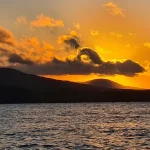
📷 Featured image by Dimitar Meddling on Unsplash.