On this page
- Why Bansko Works So Well in Summer
- Best Neighborhoods in Bansko
- 15 Things to Do in Bansko When There’s No Snow
- Food & Drink Scene
- Getting Around
- Day Trips from Bansko
- Nightlife & Entertainment
- Shopping
- Accommodation Areas
- Best Time to Visit
- Practical Tips
- Budget Breakdown for 2026
- Frequently Asked Questions
💰 Click here to see Bulgaria Budget Breakdown
💰 Prices updated: October, 2026. Budget figures are estimates — always verify before travel.
Exchange Rate: $1 USD = €0.88
Daily Budget (per person)
Shoestring: €35.00 – €50.00 ($39.77 – $56.82)
Mid-range: €60.00 – €100.00 ($68.18 – $113.64)
Comfortable: €150.00 – €200.00 ($170.45 – $227.27)
Accommodation (per night)
Hostel/guesthouse: €5.00 – €20.00 ($5.68 – $22.73)
Mid-range hotel: €55.00 – €95.00 ($62.50 – $107.95)
Food (per meal)
Budget meal: €7.00 ($7.95)
Mid-range meal: €20.00 ($22.73)
Upscale meal: €60.00 ($68.18)
Transport
Single metro/bus trip: €1.00 ($1.14)
Monthly transport pass: €26.00 ($29.55)
Most travelers still think of Bansko as a ski town, and that idea keeps many of them away in July. The worry is understandable: will the restaurants be open, will the lifts run, will the place feel empty? The reality in 2026 is the opposite. The gondola carries hikers and bikers instead of skiers, the Pirin trails are open and green, and hotel prices drop sharply. Bulgaria also switched to the euro on 1 January 2026, so you will see prices in euros now. This guide still shows BGN amounts for reference, converted at the fixed rate of 1.95583 BGN per euro.
Bansko sits at about 936 metres, right under the Pirin range, a UNESCO-listed national park. In summer the town smells of pine resin and warm stone, the air is cooler than the Bulgarian lowlands, and the mountains are only a short ride away. Here is how to spend your days.
Why Bansko Works So Well in Summer
Bansko has two personalities. In winter it is loud, fast and crowded with ski groups. From June to September it slows down. Old stone houses with heavy wooden gates line the cobbled lanes, locals sit outside with coffee, and the only sounds at dawn are church bells and the occasional cowbell drifting down from the pastures.
The town is small enough to walk in 20 minutes, yet it has enough restaurants, guesthouses and outdoor operators to keep you busy for a week. Travelers who like hiking, cycling, folk culture and cheap mountain food will love it. Travelers who want beaches, big-city nightlife or shopping malls should look elsewhere.
Best Neighborhoods in Bansko
The Old Town (Stariya Grad)
This is the heart of Bansko and the area most visitors should pick. Stone houses from the 18th and 19th centuries, narrow streets, the Holy Trinity Church and dozens of traditional taverns (mehanas) sit within a few blocks. It suits couples, culture lovers and anyone who wants to walk to dinner. The cobbles are uneven, so pack proper shoes.
The Gondola Area
The lift station sits at the southern edge of town, and the streets around it have large hotels, spa complexes and apartment blocks. It is the most practical base for hikers and bikers who want to be first in the gondola queue. It feels more modern and less atmospheric than the Old Town, but it is quiet in summer and has good parking. Families like it for the pools and spas.
Glazne Street and the Central Strip
Glazne is the busy tourist street, lined with restaurants, bars and shops. It is a better choice for travelers who want choice and a little evening buzz. In July and August it is lively but never rowdy.
The Quiet Edges and Nearby Villages
Dobrinishte and Banya, both a short drive away, offer mineral springs, village guesthouses and lower prices. They suit budget travelers with a car and anyone who wants silence at night.
15 Things to Do in Bansko When There’s No Snow
1. Ride the Gondola Up the Mountain
The same gondola that moves skiers in winter runs through summer. In about 20 to 25 minutes you rise above 1,600 metres, from warm valley air into cool pine forest. Expect to pay roughly 30 to 40 BGN (15 to 20 EUR) for a return ticket. You can ride up and walk down, or use it as your starting point for hikes.
2. Hike the Banderitsa Valley to Vihren Hut
This is the classic Pirin walk. The trail follows the Banderitsa river through spruce forest, with cold water rushing beside you and meadows opening above. The hut at about 1,950 metres serves tea, soup and simple meals. Allow a full day if you walk from lower down, or less if you drive part of the way.
3. Climb Vihren Peak
At 2,914 metres, Vihren is the highest summit in Pirin and the second highest in Bulgaria. The marked route from Vihren Hut takes roughly 3 to 4 hours up, over rocky ground with some steep sections. Snow patches can linger into early July. Start by 7:00 AM and go back down before the afternoon storms.
4. Swim or Dip at Muratovo Lake
Muratovo Lake lies in a glacial bowl above Vihren Hut, about 2 hours away on foot. The water is very cold, even in August. A quick plunge, followed by a sandwich on the shore, is a proper reward.
5. Meet Baikushev’s Pine
Baikushev’s Pine is a Bosnian pine believed to be more than 1,300 years old. It stands in the national park, and the sheer size of its twisting trunk is humbling. Reach it along signed trails from the Vihren Hut area. It is a moderate walk and a good option for those who do not want a summit day.
6. Go Mountain Biking
Bansko has a growing bike scene. Operators in town rent mountain bikes and e-bikes, and gondola uplift is available for riders who want downhill rides without the climb. A decent bike costs roughly 50 to 80 BGN (26 to 41 EUR) per day, and e-bikes cost more. Guided rides help if you do not know the trails.
7. Try Tandem Paragliding
Local pilots fly tandem flights over the Razlog valley, with Pirin on one side and the Rila and Rhodope ranges visible on clear days. Flights typically last 15 to 30 minutes. Prices usually start around 150 to 200 BGN (77 to 102 EUR). Weather decides everything, so keep a flexible day.
8. Go Horse Riding in the Meadows
Several stables around Bansko and Dobrinishte offer guided rides through meadows and forest edges. An hour costs roughly 40 to 70 BGN (20 to 36 EUR). It is a gentle way to see the foothills, and good for families with older children.
9. Walk the Old Town and Holy Trinity Church
Spend a slow morning on the cobbles. The Holy Trinity Church has a tall bell tower and a quiet courtyard, and the interior is dark, cool and richly painted. Many old houses have stone walls and wooden balconies. Go before 10:00 AM for the best light and fewest people.
10. Visit the House Museums
Bansko was home to the monk and educator Neofit Rilski and the poet Nikola Vaptsarov, and both have house museums. The Velyanova House also gives a feel for a 19th-century merchant home. Entry is usually only a few BGN (1 to 3 EUR), and a rainy afternoon is a good time to visit.
11. Soak in the Mineral Springs at Dobrinishte and Banya
Warm mineral water runs under this valley. Public pools and hotel spas in Dobrinishte and Banya let you soak tired legs after a hike. Day entry is often 15 to 40 BGN (8 to 20 EUR). The water has a faint mineral smell, and steam rises into the evening air.
12. Stay a Night in a Mountain Hut
Huts such as Vihren Hut and Demyanitsa Hut offer bunk beds, hot meals and sunrise views. A bed costs roughly 30 to 50 BGN (15 to 26 EUR). Sleeping at altitude lets you start summit hikes before the crowds. Reserve in July and August, because weekends fill up.
13. Play a Round of Golf
Pirin Golf and Country Club sits in the valley near Bansko, with mountain views from the fairways. It is an easy option for a rest day from hiking. Green fees vary by season, so check with the club before you go.
14. Cycle the Valley Road to Dobrinishte
If you want something gentle, ride the quiet road from Bansko to Dobrinishte. It passes hay meadows, small farms and village squares. You can finish with a coffee or a mineral soak. The route is mostly flat and works for beginners.
15. Stargaze Above the Tree Line
Away from town lights, Pirin skies are dark and clear on dry nights. Staying at a mountain hut or driving up to the high meadows gives you a Milky Way view. Bring a warm jacket, because even in August nights at altitude drop to near 5°C.
Food & Drink Scene
Bansko’s food scene is built around its mehanas, which are traditional taverns, and most of them sit in the Old Town and along the central streets.
- Old Town mehanas: Dedo Pene and Shtastlivetsa are among the best known. Expect stone walls, wooden beams, open grills and the smell of charcoal. Evenings are busiest, so book ahead on weekends.
- Glazne Street: Restaurants here range from simple grill houses to modern kitchens, so it is the best street for variety. Many have outdoor tables that fill up on warm evenings.
- Bakeries near the centre: At dawn, small bakeries sell warm banitsa and pastries. Grab breakfast here before the gondola.
- Hut kitchens: Mountain huts in Pirin serve soup, beans and tea. They are simple, cheap and exactly right after a long climb.
- Razlog and Dobrinishte: Both towns have local eateries with lower prices than central Bansko. Small markets with fruit, honey and cheese appear in the valley during the warm months.
Plan on 12 to 25 BGN (6 to 13 EUR) for a casual lunch and 25 to 50 BGN (13 to 26 EUR) for a tavern dinner with a drink.
Getting Around
Reaching Bansko
Sofia is about 160 km away, and the drive takes around 2.5 to 3 hours. Buses and minibuses run from Sofia, including from the airport area, and take roughly 3 to 3.5 hours, usually for 20 to 30 BGN (10 to 15 EUR). Private transfers cost more but are direct. The narrow-gauge train from Septemvri to Bansko and Dobrinishte is slow, about 5 hours, but the route through the Rhodope hills is beautiful.
Within Bansko
The town is compact, so walking covers most of it. Taxis are cheap, and a ride across town usually costs 6 to 12 BGN (3 to 6 EUR). Agree the fare or ask for the meter. To reach trailheads such as Banderitsa, a taxi or rental car is the easiest option. Local minibuses connect Bansko with Razlog and Dobrinishte, but schedules are limited.
Renting a Car
A car gives you the most freedom for trailheads and day trips. Mountain roads are narrow, so drive slowly. Parking at some trailheads is limited on summer weekends, so arrive early.
Day Trips from Bansko
- Rila Monastery: Bulgaria’s best-known UNESCO monastery lies about 2 hours away by car. Plan a half day and arrive before tour buses. The painted arcades and cool courtyard are worth the drive.
- Melnik and Rozhen Monastery: Melnik is a tiny wine town of sandstone pyramids and old cellars, about 1.5 to 2 hours away. Pair it with Rozhen Monastery nearby. Allow a full day.
- Kovachevitsa and Leshten: These two stone villages in the Rhodope foothills are about 1.5 hours away. Streets are quiet, and the architecture feels frozen in time. A half day is enough.
- Seven Rila Lakes: About 2 to 2.5 hours by car, plus a chairlift and a walk. It is a long day, but the glacial lakes are some of the best views in Bulgaria.
- Velingrad: The spa capital of the Balkans, about 1.5 hours away. It has mineral pools, parks and a relaxed pace. It works as a restful day after hard hiking.
Nightlife & Entertainment
Do not expect a club scene. Bansko in summer is about warm evenings, folk music and a drink on a terrace. Mehanas often have live music, with accordions, gaida (bagpipes) and singers in costume, particularly on weekends. Bars along Glazne Street and near the gondola stay open late, and some places show football or host quiz nights.
The biggest event is the Bansko Jazz Festival, held in early August. Concerts take place in the main square, and the town fills with music lovers. Check the dates before booking, as they change each year. Outside festival days, a quiet beer under the stars and the sound of crickets is the usual end to a day.
Shopping
Bansko is not a shopping destination, but it has good souvenirs. The Old Town and Neofit Rilski pedestrian street have small shops selling woodcarving, woven rugs and local pottery. Buy Pirin mountain tea (mursalski tea), local honey, herbal mixes and rakia, but check the label for origin.
Outdoor gear shops sell hiking poles, rain jackets, gas canisters and maps, which is useful if your luggage was lost. Supermarkets such as Billa and others near the centre cover groceries and picnic supplies. For bigger shopping, Razlog and Blagoevgrad have larger stores.
Accommodation Areas
- Budget (60 to 120 BGN / 31 to 61 EUR per night): Guesthouses in Old Town side streets, rooms in Banya and Dobrinishte, and simple apartments away from the centre. Breakfast is often included.
- Mid-range (150 to 300 BGN / 77 to 153 EUR): Hotels near the gondola and on Glazne Street, with pools, spas and mountain views. Summer rates are much lower than winter.
- Luxury (350 to 800+ BGN / 179 to 409+ EUR): Large spa hotels and boutique properties in or near the Old Town, with saunas, indoor pools and fine dining.
In 2026, many hotels advertise summer packages that include spa access or half board. It is worth asking directly.
Best Time to Visit
June: Meadows are green, wildflowers bloom and crowds are small. Snow can remain on high trails, so check conditions before climbing Vihren.
July and August: Peak summer. Town temperatures reach 24 to 28°C, while high altitudes stay around 10 to 15°C. Trails and huts are busiest, and afternoon thunderstorms are common. The jazz festival takes place in August.
September: Often the best month. Skies are clear, the air is crisp and prices drop. Mornings can be cold, and the first snow may appear on peaks late in the month.
Practical Tips
- Weather: Carry a rain jacket and warm layer even on sunny days. Lightning in the mountains is serious, so descend if clouds build.
- Dogs and wildlife: Shepherd dogs guard flocks on high pastures. Stay calm, keep your distance and do not run. Brown bears live in Pirin but rarely approach hikers.
- Money: Bulgaria uses the euro in 2026. Cards are widely accepted in town, but carry some cash for huts and small cafés.
- Tipping: Round up or leave about 10% in restaurants.
- Language: English is common in hotels and restaurants. A few Bulgarian words such as “blagodarya” (thank you) are appreciated.
- SIM cards: Local providers sell tourist SIMs in town. EU roaming also works for most European visitors. Coverage is patchy on high trails.
- Water: Tap water in Bansko is generally safe to drink. Mountain streams are clear, but treat water before drinking.
- Safety: Bansko is very safe. For mountain emergencies, call 112.
Budget Breakdown for 2026
Prices below are per person per day, based on two people sharing a room. USD values are approximate.
Budget: 100 to 150 BGN (51 to 77 EUR / about $59 to $88)
- Guesthouse bed: 40 to 60 BGN
- Food: 30 to 45 BGN (bakery breakfast, simple lunch, tavern dinner)
- Activities: 15 to 30 BGN (hiking is free, add a gondola ride or a museum)
- Local transport: 5 to 15 BGN
Mid-Range: 250 to 400 BGN (128 to 205 EUR / about $147 to $235)
- Hotel room share: 80 to 150 BGN
- Food: 60 to 100 BGN
- Activities: 60 to 120 BGN (bike rental, horse riding, spa day)
- Transport: 20 to 50 BGN
Comfortable: 500 to 800 BGN (256 to 409 EUR / about $294 to $470)
- Spa hotel room share: 175 to 400 BGN
- Food: 120 to 200 BGN
- Activities: 150 to 250 BGN (paragliding, guided hikes, private transfers)
- Transport: 50 to 100 BGN (rental car or private driver)
Frequently Asked Questions
Is Bansko worth visiting in summer?
Yes. Summer offers hiking, cycling, paragliding and spa days in cooler mountain air, with lower prices and fewer crowds than winter. The Old Town is quiet and atmospheric, and the Pirin National Park trails are open from roughly June to September.
How do I get from Sofia to Bansko?
The easiest ways are bus, minibus, private transfer or rental car. The trip is about 160 km and takes roughly 2.5 to 3.5 hours. A narrow-gauge train from Septemvri is scenic but takes around five hours, so it suits travelers who are not in a hurry.
Does the Bansko gondola run in summer?
Usually yes. The gondola operates daily in the warm months for hikers, bikers and sightseers, though schedules are shorter than in winter. Maintenance breaks can happen in spring and autumn, so check the operator’s current timetable before planning your day.
How hot does Bansko get in summer?
Daytime temperatures in town usually reach 24 to 28°C in July and August, with cooler nights around 10 to 14°C. At 2,000 metres and above, it is much colder, often 10 to 15°C by day, so layers are essential even in midsummer.
Can I climb Vihren Peak without a guide?
Experienced hikers can climb Vihren alone on the marked route from Vihren Hut. It is steep and rocky, and snow may linger early in summer. Start early, check the weather and carry proper gear. If you are unsure, a local guide is a safer option.
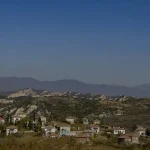
📷 Featured image by Daniele Franchi on Unsplash.