On this page
- Medieval Monasteries Circuit: Preobrazhenski and Dryanovo
- Architectural Gems: Tryavna and its Revival Period Houses
- Natural Wonders: Devetashka Cave and Krushuna Waterfalls
- Soviet-Era Time Capsule: Buzludzha Monument and Shipka Pass
- Traditional Crafts Village: Etara Open-Air Museum
- Practical Planning: Logistics, Budget and Transport Guide
- Frequently Asked Questions
Veliko Tarnovo’s position in central Bulgaria puts you within striking distance of some of the country’s most fascinating destinations, yet many visitors stick to the medieval capital’s cobblestone streets. While the Tsarevets Fortress deserves its fame, 2026 brings improved road connections and new bus routes that make remarkable day trips more accessible than ever.
Medieval Monasteries Circuit: Preobrazhenski and Dryanovo
The morning mist clings to the Yantra River valley as you wind through forests toward two of Bulgaria’s most historically significant monasteries. This circuit combines spiritual heritage with dramatic natural settings, both easily reachable within an hour of Veliko Tarnovo.
Preobrazhenski Monastery, founded in the 14th century, sits tucked into a river gorge 25 kilometres south of the city. The monastery’s church frescoes, painted by master Zahari Zograf in the 1860s, depict biblical scenes alongside portraits of Bulgarian rulers. The atmosphere grows particularly mystical during morning prayers, when monks’ chants echo off the surrounding cliffs.
Continue northeast to Dryanovo Monastery, another revolutionary stronghold where Vasil Levski once hid from Ottoman authorities. The monastery museum displays original correspondence and weapons from the independence movement. Behind the main complex, Bacho Kiro Cave extends deep into the hillside—guided tours reveal underground chambers where early humans lived 45,000 years ago.
From Dryanovo, the short drive to nearby Tryavna completes a perfect historical triangle. This circuit works best as a full-day expedition, allowing time to absorb each location’s unique character without rushing.
Architectural Gems: Tryavna and its Revival Period Houses
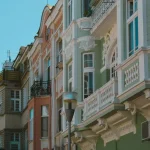
Tryavna’s cobblestone streets showcase Bulgaria’s National Revival architecture better than anywhere outside Plovdiv’s Old Town. This compact mountain town, 20 kilometres from Dryanovo, preserves an entire neighbourhood of 18th and 19th-century houses with their distinctive overhanging upper floors and intricate wood carvings.

The Daskalov House Museum demonstrates traditional Bulgarian domestic life through original furnishings and architectural details. Each room represents a different function—guest quarters, family areas, workshops—with explanatory panels in English detailing daily routines during Ottoman rule.
Tryavna’s woodcarving school, established in the 1870s, continues producing traditional iconostases for Orthodox churches across the Balkans. Visit the workshop behind the main square to watch craftsmen using techniques passed down through generations. The intricate geometric patterns and religious figures emerge slowly from walnut and cherry wood blocks.
The town’s location in the Stara Planina foothills provides excellent hiking opportunities. The trail to Bozhentsi village (8 kilometres) passes through beech forests and offers mountain views. Bozhentsi itself is another architectural reserve, smaller than Tryavna but equally well-preserved.
Natural Wonders: Devetashka Cave and Krushuna Waterfalls
Bulgaria’s karst landscapes create spectacular underground and surface formations, with two of the most impressive located within easy reach of Veliko Tarnovo. This combination makes for a perfect nature-focused day trip that showcases the country’s geological diversity.
Devetashka Cave, 18 kilometres northeast of Lovech, ranks among Europe’s largest cave chambers. The main hall stretches 60 metres high and 35 metres wide, with natural skylights creating dramatic lighting effects. Thousands of bats roost in the cave’s deeper sections—evening visits (April through September) coincide with their spectacular emergence for nightly hunting flights.
The cave gained international attention as a filming location for “The Expendables 2,” but its natural significance extends far beyond Hollywood. Archaeological evidence shows continuous human habitation from 70,000 years ago through the Roman period. Guided tours explain the geological processes that formed these massive chambers over millions of years.
Thirty kilometres northwest, Krushuna Waterfalls cascade down terraced limestone formations similar to Croatia’s Plitvice Lakes but on a more intimate scale. The main waterfall drops 20 metres into turquoise pools surrounded by moss-covered rocks. Wooden walkways allow close access without damaging the delicate ecosystem.

Spring (April-May) brings the highest water flow and most vibrant green vegetation, while autumn colours create equally stunning photography opportunities. Swimming is possible in the lower pools during summer, though the water remains quite cold year-round.
Soviet-Era Time Capsule: Buzludzha Monument and Shipka Pass
The surreal concrete UFO perched on Buzludzha Peak represents one of the Balkans’ most photographed abandoned monuments. This day trip combines communist-era architecture with sites from the 1877-78 Russo-Turkish War, creating a fascinating journey through Bulgaria’s recent and distant past.
Buzludzha Monument, completed in 1981 as the Bulgarian Communist Party’s headquarters, sits 1,441 metres above sea level on the Central Balkan Mountains. The building’s flying saucer design housed a massive auditorium with hammer-and-sickle mosaics covering every surface. While officially closed, determined photographers still reach the exterior for dramatic shots against mountain backdrops.
The drive to Buzludzha passes through Shipka Pass, scene of crucial battles during the Russo-Turkish War. The Shipka Memorial Church, built to honour Russian and Bulgarian soldiers, features golden onion domes visible from kilometres away. Inside, marble plaques list thousands of names while incense creates an appropriately solemn atmosphere.
Climbing the 890 steps to the Freedom Monument provides panoramic views across the Balkan range. On clear days, you can see both the Danube Plain to the north and the Rose Valley stretching southward. The monument itself—a 32-metre stone tower—commemorates the defenders who held this strategic position against overwhelming Ottoman forces.
This route requires careful timing. Mountain weather can change rapidly, and snow blocks higher elevations from November through March. Summer visits offer the best road conditions and clearest views, though morning fog sometimes obscures the monuments until midday.

Traditional Crafts Village: Etara Open-Air Museum
The sound of hammering echoes from the blacksmith’s forge as traditional craftsmen demonstrate techniques that sustained Bulgarian mountain communities for centuries. Etara Ethnographic Open-Air Museum, located 8 kilometres south of Gabrovo, recreates a 19th-century artisan village complete with working workshops and period buildings.
More than 50 traditional crafts operate within the museum grounds, from pottery and weaving to clockmaking and woodworking. Craftsmen wear period costumes while producing items using historical methods—visitors can purchase authentic handmade goods directly from the workshops. The quality exceeds typical tourist souvenirs, with items like hand-forged knives and traditional textiles comparable to what you’d find in Bulgaria’s finest craft shops.
The museum’s layout follows a mountain stream, with water wheels powering various mechanical workshops. The fulling mill demonstrates wool processing, while the grain mill produces flour sold in the museum shop. Children particularly enjoy the puppet workshop, where traditional marionettes come to life through skillful manipulation.
Gabrovo itself deserves exploration beyond the museum. The city’s House of Humour and Satire celebrates Bulgarian wit through exhibits of cartoons, jokes, and satirical art from around the world. The permanent collection includes works by renowned cartoonists alongside displays explaining Bulgarian humor traditions.
Combined with nearby Sokolski Monastery (4 kilometres), this day trip provides deep insight into Bulgarian cultural traditions. The monastery features beautiful 19th-century frescoes and a peaceful courtyard perfect for quiet reflection after Etara’s bustling workshops.
Practical Planning: Logistics, Budget and Transport Guide
Successful day trips from Veliko Tarnovo require strategic planning, especially when combining multiple destinations. Bulgaria’s road improvements in 2026 have reduced travel times, but mountain routes still demand respect for weather conditions and limited daylight during winter months.
Car rental remains the most flexible option, with several agencies now operating from Veliko Tarnovo’s train station. Daily rates start around 60 BGN (31 EUR) for economy vehicles, including comprehensive insurance. GPS coverage has improved significantly, though downloading offline maps provides backup in remote areas.

Public transport serves major destinations but requires patience and advance planning. Buses to Tryavna run hourly from Veliko Tarnovo’s South Bus Station (8 BGN, 45 minutes). For Dryanovo and the monasteries, change at Gabrovo—total journey time approximately 1.5 hours each way.
Organized tours eliminate transport stress but limit spontaneity. Local operators like VT Tours and Central Balkans Adventures offer small-group day trips (80-120 BGN per person) including transport, guides, and entrance fees. These work particularly well for the monastery circuit or Buzludzha Monument, where local knowledge enhances the experience.
Day trip costs vary significantly depending on transport choice and dining preferences. Budget travellers can explore destinations for 60-80 BGN using public transport and local restaurants. Mid-range comfort with car rental runs 120-180 BGN, while private guides and premium dining reach 200-300 BGN daily. Entrance fees to major sites remain reasonable—most monasteries request 5-8 BGN donations, while museums charge 8-15 BGN.
Timing varies dramatically by season. Summer daylight extends from 5:30 AM to 8:30 PM, allowing leisurely multi-stop itineraries. Winter shortens available time to roughly 8 AM-5 PM, making single-destination trips more practical. Start between 8-9 AM for maximum flexibility, reaching distant destinations like Buzludzha before afternoon weather changes.
Frequently Asked Questions
Which day trip works best for families with young children?
Etara Open-Air Museum offers the most child-friendly experience with interactive workshops, shorter walking distances, and engaging craft demonstrations that hold children’s attention better than monastery visits or cave tours.
Can I visit multiple destinations in one day without a car?
Limited public transport makes multi-stop trips challenging. Focus on single destinations by bus, or book organized tours that handle logistics. The monastery circuit and Tryavna work well together with careful bus connections.
What’s the best day trip during winter months?
Etara and Tryavna remain accessible year-round with indoor attractions. Avoid Buzludzha and high-altitude destinations from December through February due to snow and limited visibility. Monasteries welcome visitors but dress warmly.
Do I need advance reservations for any attractions?
Most destinations accept walk-in visitors, but Devetashka Cave guided tours require advance booking during summer peak season. Call ahead for English-language monastery tours, though basic visits don’t need reservations.
Explore more
Where to Go Out in Veliko Tarnovo? Your Guide to the Best Bars, Pubs & Nightlife
Best Neighborhoods in Veliko Tarnovo, Bulgaria
📷 Featured image by Virginia Marinova on Unsplash.