November is the month many travellers skip, and in 2026 that works in your favour. The summer crowds are gone, the ski rush hasn’t started, and flights and rooms are often cheaper. The catch is knowing what is open, what the weather does, and what to do when it gets dark at 17:00. This guide covers all of that, from someone who actually spends the month here.
What November Weather Actually Feels Like
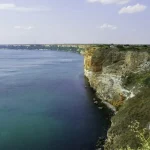
Expect a real shift in November. Early in the month you can still get crisp, golden days. By the end, fog, frost, and the first lasting snow are normal. In Sofia, daytime highs are usually around 5–10°C, and nights drop to about 0°C or below. Plovdiv and the south are a little milder. The Black Sea coast often sits around 8–13°C with a cold, damp wind.
Above roughly 1,500 metres in the Rila, Pirin, and Rhodope mountains, snow is common by late November. In the valleys you are more likely to get cold rain, mist, and the smell of woodsmoke drifting from village chimneys.
Daylight is short. By mid-month the sun sets before 17:00, so plan outdoor sightseeing for the morning and early afternoon. Save museums, baths, and long dinners for the evening.
Pack in layers: a waterproof jacket, a warm mid-layer, a hat, gloves, and shoes with real grip. Cobblestones in Plovdiv’s Old Town and Veliko Tarnovo get slick when wet.
Where to Spend Your Days: Cities, Spa Towns, and Quiet Villages
Sofia
Sofia suits November well. The city is walkable, the cafés are warm, and you can fit a lot into short days. A morning at the National Archaeological Museum or the Boyana Church, then a long lunch, is a good rhythm. On a clear day, the Vitosha foothills are only a short ride from the centre and give you a cold, quiet walk. Fog sometimes settles over the city in the mornings. When it lifts, the mountain often looks dusted with fresh snow.
Plovdiv and Veliko Tarnovo
Plovdiv’s Old Town is far calmer in November, and you can see the Roman Theatre and the Revival-era houses without queues. Veliko Tarnovo and the Tsarevets fortress look dramatic in low cloud. Both towns have enough indoor options to cope with rain.
Spa towns
Bulgaria has hundreds of mineral springs, and spa season is really cold-weather season. Velingrad, Sandanski, Hisarya, and Bankya (near Sofia) are long-established spa destinations. Floating in a hot outdoor pool while steam curls into cold air is one of the best things you can do here in November. Many spa hotels offer midweek packages with massage and treatments. Always check opening hours of public pools before you go.

Monasteries and villages
Rila Monastery in the first snow is memorable. The frescoes glow against grey stone, and the courtyard is quiet. Allow extra time, because mountain roads are slower in winter. Wine villages like Melnik are peaceful now, and many cellars will do tastings if you call ahead.
The Black Sea coast
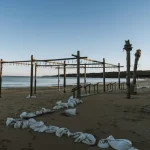
Most resort hotels in Sunny Beach and Golden Sands close for the season. Varna and Burgas keep functioning as normal cities, so the coast is an option for a stormy-sea walk, but not for a beach holiday. Nessebar’s Old Town is atmospheric and empty, though many restaurants shut.
The Taste of Late Autumn
Bulgarian food gets heavier and warmer as temperatures fall, and that is the point of November eating. Look for these:
- Tikvenik: a sweet pumpkin banitsa with walnuts and cinnamon, often sold in bakeries. The smell of it baking on a cold morning is hard to walk past.
- Kavarma and sarmi: slow-cooked pork or beef in clay pots, and cabbage or vine-leaf rolls. These are classic cold-weather dishes.
- Bob chorba: the national bean soup, served with chopped onion and dried chilli flakes.
- Roasted chestnuts: sold from street carts in larger cities. Paper cones of them warm your hands as you walk.
- Greyano vino: Bulgarian mulled wine, spiced and served hot in cafés and at winter stalls.
Autumn is also the traditional time for making rakia, the fruit brandy that appears at nearly every Bulgarian table. In villages, copper stills (kazani) are fired up, and the sweet, sharp smell of fermented fruit hangs over the yard. If a host offers you a glass, expect a toast and a small plate of shopska salad alongside.
Wine is a good November focus too. The Thracian Valley and Melnik region both have established cellars, and the new vintage is a common talking point.
Name Days and Local Rhythm
Bulgarians celebrate name days (imen den) almost as seriously as birthdays, and November has a big one. 8 November is Archangelovden (Archangel Michael’s Day), when people named Mihail, Mihaela, Gabriel, Raphael, and similar names celebrate. Restaurants may be busy with family tables, so book ahead if you want dinner out that evening.

21 November is the feast of the Presentation of the Virgin (Vavedenie), which is also known here as a day for family and youth. 30 November is St Andrew’s Day, a name day for people called Andrey and Andrea. Churches are open for services on these dates, and visitors are welcome to observe quietly.
Mountains, Snow, and Winter Driving
Bulgaria’s main ski resorts, including Bansko, Borovets, and Pamporovo, normally open in December, depending on snow and temperatures. Late November is usually too early for reliable skiing. Opening dates change each year, so check the resort’s official announcements instead of assuming. November is still a good month for winter hiking, mountain-hut stays, and cheaper off-season accommodation before prices rise in December.
If you drive, conditions can change quickly in the mountains. Rental companies usually fit winter tyres at this time of year, but confirm when you book and ask about snow chains for mountain roads. Allow extra time, keep your fuel tank at least half full, and check road conditions before leaving. Daylight ends early, and unlit mountain roads are much harder after dark. If you are not comfortable driving in snow, use buses between main towns and take taxis or transfers for the final mountain stretch.
2026 Budget Reality
November is one of the more affordable months to visit. These are approximate daily ranges per person, excluding international flights. Bulgaria uses the euro in 2026, and BGN figures here are conversions at the fixed rate of about 1.96 BGN per euro. Prices vary by town, and Sofia and mountain resorts sit at the higher end.
- Budget: about 90–130 BGN per day (€46–66 / $50–72). Hostel bed or simple guesthouse room, bakery breakfasts (banitsa and coffee for roughly 5–9 BGN), a cheap lunch of soup or a grill plate, public transport, and free sights.
- Mid-range: about 200–320 BGN per day (€102–164 / $110–180). A comfortable three- or four-star hotel, restaurant lunch and dinner with local wine, museum entries, and some intercity travel or a short spa visit.
- Comfortable: about 400+ BGN per day (€205+ / $225+). A boutique or spa hotel, full treatments, private transfers or a rental car, and wine tastings.

A typical main course in a mid-range Bulgarian restaurant runs around 18–30 BGN (€9–15), and a coffee about 4–6 BGN (€2–3). These are rough figures. Check current menus, because restaurant prices have been rising.
What Has Changed Since 2024
Two long-awaited changes shape a visit in 2026. Bulgaria adopted the euro on 1 January 2026, so prices are now shown and paid in euro. Expect menus and shop tags to display euro, and keep an eye on conversions if you think in lev. Bulgaria also became a full Schengen member for air and sea borders in March 2024, and for land borders in January 2025. If you are travelling from elsewhere in the Schengen Area, border checks are minimal. Visitors from outside it should still check current entry rules for their nationality before booking, since requirements depend on your passport.
Frequently Asked Questions
Is November a good time to visit Bulgaria?
Yes, if you like quiet travel and lower prices. Cities, spas, and monasteries are all open, and crowds are small. It is not a beach month, and ski resorts usually open in December. Pack warm clothes and plan around short daylight hours.
Does it snow in Bulgaria in November?
In the mountains, yes. Snow is common above about 1,500 metres by late November, and Sofia may see a light dusting. Lowland cities more often get cold rain, fog, and frost. Heavy, lasting snow in cities is more typical of December and January.
Is the Black Sea coast worth visiting in November?
It can be, but only for a different kind of trip. Resorts like Sunny Beach are mostly closed, and the sea is too cold for swimming. Varna and Burgas remain active cities, and storm-watching walks are possible. Check opening hours before you travel.
When does the ski season start in Bulgaria?
Major resorts like Bansko, Borovets, and Pamporovo normally open in December, depending on snowfall and temperatures. Dates vary every year. Late November can have early snow, but it is not reliable, so check each resort’s official announcements before booking ski-focused travel.
What currency do I use in Bulgaria in 2026?
The euro. Bulgaria adopted it on 1 January 2026, replacing the lev at a fixed rate of 1.95583 BGN per euro. Cards are widely accepted in cities, but carry some cash for villages, small guesthouses, and market stalls.
Explore more
What to Wear in Bulgaria: October 2026 Edition
Bulgaria’s Autumn Beauty: Exploring Landscapes in October 2026
Experience Bulgaria’s Golden Autumn in October 2026
📷 Featured image by Christian Spasov on Unsplash.