On this page
- Why August in Bulgaria Hits Different in 2026
- The Black Sea Coast: Reading the Beach Scene Correctly
- Balkan Mountain Escapes: Where to Go When the Coast Gets Loud
- The August Two-Week Itinerary: Splitting Your Time Between Both Worlds
- 2026 Budget Reality: What Beach and Mountain Travel Actually Costs
- Practical Logistics: Getting Between the Coast and the Peaks
- Frequently Asked Questions
Why August in Bulgaria Hits Different in 2026
August in Bulgaria has always been the country’s most intense travel month — packed beaches, mountain trails buzzing with hikers, and temperatures that demand a plan. But in 2026, a few things have shifted. More Western European visitors are arriving after discovering that Bulgaria still offers genuine value compared to Greece or Croatia. Domestic tourism is stronger too, meaning popular spots fill faster than they did even two years ago. If you are planning an August trip without reading how the season actually works, you will spend money and time on experiences that disappoint. This guide cuts through that.
The Black Sea Coast: Reading the Beach Scene Correctly
Bulgaria’s Black Sea coast runs roughly 378 kilometres from the Romanian border in the north to the Turkish border in the south. In August, the temperature hovers between 28°C and 34°C along the water, and the sea itself sits around 26°C — warm enough that you genuinely want to stay in it. The smell of sunscreen, grilled corn from beach vendors, and salt air is constant from morning until well past sunset.
The coast is not one experience. It is three distinct ones, and choosing the wrong stretch for your travel style is the single biggest mistake visitors make.
- Northern coast (Albena, Golden Sands, Varna): Higher density, more international party atmosphere, louder beach bars. Varna is the anchor city and worth two days on its own — the Archaeological Museum holds one of the world’s oldest gold treasures and provides a cool, quiet contrast to the heat outside.
- Central coast (Sunny Beach, Nesebar, Pomorie): Sunny Beach is Europe’s largest Black Sea resort and fully earns its reputation for crowds. Nesebar, a UNESCO World Heritage town on a small peninsula five kilometres away, is the smarter base — genuinely beautiful medieval churches, narrow cobbled streets, and a fraction of the noise.
- Southern coast (Sozopol, Primorsko, Sinemorets): This is where travellers who have been to Bulgaria before tend to end up. Sozopol has an old town with wooden houses leaning over the water. Sinemorets sits near the Turkish border with dunes and near-empty beaches backed by forest. August crowds exist here too, but they thin out quickly once you walk 20 minutes from any car park.
Booking lead time matters in August. Accommodation in Sozopol and Sinemorets in particular sells out by May. If you are reading this in June or July, focus on the northern coast or Varna city — options remain available later in the season.
Balkan Mountain Escapes: Where to Go When the Coast Gets Loud
Bulgaria’s mountain ranges are the part of the country that even frequent visitors sometimes underuse. The Rila, Pirin, and Balkan ranges are all accessible from coastal areas within a few hours by car, and in August they offer something the beach simply cannot — temperatures between 18°C and 24°C, pine forest air that feels like breathing properly for the first time in days, and trails with genuine solitude.
Rila Mountains
The Rila is Bulgaria’s highest range and anchors the most iconic mountain experience in the country. The Seven Rila Lakes are the most visited natural site in Bulgaria after the Black Sea, and August is peak season — expect company on the main trail up from Panichishte. The reward is real: the lakes sit in a glacial cirque at around 2,500 metres, the water reflects the surrounding ridgeline, and the air has a cool sharpness even at midday. Start before 9am to get ahead of the crowds arriving on the chairlift.
Rila Monastery, at 1,147 metres in the Rilska Gorge, is a separate experience entirely. The frescoes on the exterior portico — dense, vivid scenes covering every centimetre of arched ceiling — are among the most striking things you will see in the Balkans. August mornings before 10am, before tour buses arrive, the courtyard is almost quiet.
Pirin Mountains
The Pirin sits south of the Rila and has a slightly wilder character — more marble peaks, glacial lakes scattered across the higher plateau, and the town of Bansko at its base. Bansko in August is a completely different place to Bansko in ski season: the main street is relaxed, restaurants spill onto cobblestones, and the gondola runs hikers up to 2,500 metres for a fraction of winter prices.
Central Balkan Range
For travellers based on the northern coast near Varna, the Central Balkan Range offers an underrated escape. The town of Gabrovo is roughly two and a half hours inland by car. From there, Ecopath Boatin leads through beech forest with almost no other visitors on weekdays. The air smells of damp earth and tree resin — a full sensory reset after a week of beach heat.
The August Two-Week Itinerary: Splitting Your Time Between Both Worlds
Two weeks is the sweet spot for combining both experiences. Here is a structure that works without feeling rushed.
- Days 1–2: Sofia. Land, adjust, eat well. Sofia is the entry point for most flights and worth more than a stopover. Vitosha Mountain is 30 minutes from the city centre by public transport — a legitimate half-day hike with the city visible below.
- Days 3–4: Rila Mountains. Drive or take a bus south. Base in Rila village or Blagoevgrad. One day for Rila Monastery, one day on the Seven Lakes trail.
- Days 5–6: Pirin / Bansko. An hour east from the Rila. Hike above Bansko, eat grilled trout in an old mehana, sleep well at altitude.
- Days 7–9: Sozopol / Southern coast. Drive east to the coast — roughly three to four hours from Bansko. Three days: one rest day, one for the old town and boat trip, one full beach day further south toward Sinemorets.
- Days 10–12: Nesebar and Pomorie area. Move north along the coast. Pomorie has a salt museum and a lake system worth a morning. Nesebar is the visual highlight of the central coast.
- Days 13–14: Varna. End in Varna. The Sea Garden park, the Archaeological Museum, and the cathedral fill a day and a half. Direct flights home from Varna Airport.
2026 Budget Reality: What Beach and Mountain Travel Actually Costs
Bulgaria remains one of the most affordable countries in Europe in 2026, but August prices are the highest of the year. Plan around these realistic figures.
Accommodation (per night, double room)
- Budget: 60–90 BGN (30–45 EUR) — guesthouses, smaller family hotels inland or in mountain villages
- Mid-range: 120–200 BGN (60–100 EUR) — three-star hotels in Sozopol, Nesebar, or mountain resorts with breakfast included
- Comfortable: 240–400 BGN (120–200 EUR) — four-star sea-view hotels on the southern coast or boutique hotels in Bansko
Food and drink
- A sit-down lunch for two with salad, mains, and drinks: 35–55 BGN (17–27 EUR) at a mid-range restaurant
- Beach bar cocktail: 12–18 BGN (6–9 EUR)
- Shopska salad at a local place: 7–10 BGN (3.50–5 EUR)
- Fresh banitsa from a bakery in the morning: 2–3 BGN (1–1.50 EUR)
Activities
- Rila chairlift (return): around 25–30 BGN (12–15 EUR)
- Bansko gondola (return, summer rate): around 30 BGN (15 EUR)
- Rila Monastery entry: minimal, around 8 BGN (4 EUR)
- Guided hiking day: 80–120 BGN (40–60 EUR) per person depending on group size
A two-week August trip for two people covering mountains and coast, travelling mid-range, typically runs 3,500–5,000 BGN (1,750–2,500 EUR) excluding flights. Budget travellers willing to use guesthouses and cook occasionally can do it for 2,200–2,800 BGN (1,100–1,400 EUR).
Practical Logistics: Getting Between the Coast and the Peaks
The most honest thing to say about getting around Bulgaria in August is this: a rental car makes the trip dramatically easier. Public transport between resorts and mountain trailheads is patchy, especially for the Pirin and southern Black Sea coast. Car rental in Bulgaria in August runs 70–110 BGN (35–55 EUR) per day for a standard vehicle booked in advance. Book at least six weeks ahead — August inventory runs low.
Sofia to the Rila by car is about 90 kilometres south on the A3 motorway toward Blagoevgrad. The Rila to the Black Sea via Bansko and then east is a mountain road journey of roughly 280–320 kilometres depending on your coastal destination — plan for three and a half to four hours, not two, because the road through the Rhodope foothills takes time.
Bus connections exist between Sofia and major coastal cities (Burgas, Varna) and are reliable and affordable — around 30–40 BGN (15–20 EUR) one way. But for the mountains specifically, you will spend a lot of time waiting and transferring if you skip the car.
If you are flying into Burgas (the closest airport to the southern coast) rather than Sofia, the mountain portion of this trip works best as a first leg before the coast. Renting a car from Burgas, driving inland via Plovdiv to the Rhodopes or Rila, then returning to the coast is a logical loop.
Frequently Asked Questions
Is August too hot for hiking in Bulgaria’s mountains?
No — the mountains are one of the best reasons to visit Bulgaria in August specifically because they offer relief from coastal heat. Above 1,800 metres, temperatures stay between 15°C and 22°C during the day. Start hikes early to avoid afternoon thunderstorms, which are common in the Rila and Pirin ranges during summer.
How crowded are the beaches in August 2026?
The main resorts — Sunny Beach, Golden Sands, Albena — are very busy throughout August. The southern coast around Sozopol and Sinemorets is quieter but still popular. Weekdays are noticeably less crowded than weekends, when Bulgarian domestic visitors join international tourists at most coastal spots.
Do I need to book accommodation months in advance for August?
For the southern coast and mountain villages, yes — ideally by April or May for the best options. Varna and the northern coast have more inventory and remain bookable into June. Budget accommodation in Sofia is generally available with less lead time, but quality drops quickly in the last-minute range.
Is Bulgaria good value compared to other Balkan destinations in 2026?
Yes, meaningfully so. Bulgaria consistently undercuts Greece, Croatia, and Montenegro on accommodation and dining costs, sometimes by 30–40%. The trade-off is less polished tourist infrastructure at some sites, but for travellers who prioritise experience over convenience, the value is genuine and the landscapes are fully comparable.
Can I combine beach and mountain in one week if two weeks isn’t possible?
It is possible but feels rushed. A one-week version works best by flying into Sofia, spending one night in the city, doing a two-day Rila loop, then transferring to the southern coast for three or four days. Skip Bansko and the Pirin — save those for a second trip. Driving is essential for this compressed version.
Explore more
Seasonal Delights: Enjoying Bulgaria’s Summer Produce in July 2026
Experience Bulgarian Folklore: Veliko Tarnovo Festival in July 2026
Beat the Heat: Bulgaria’s Mountain Retreats for July 2026
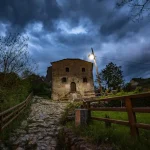
📷 Featured image by Anton Atanasov on Unsplash.